Hersteller von kleinen Flachbett-Tintenstrahldruckern

Blog
Blog
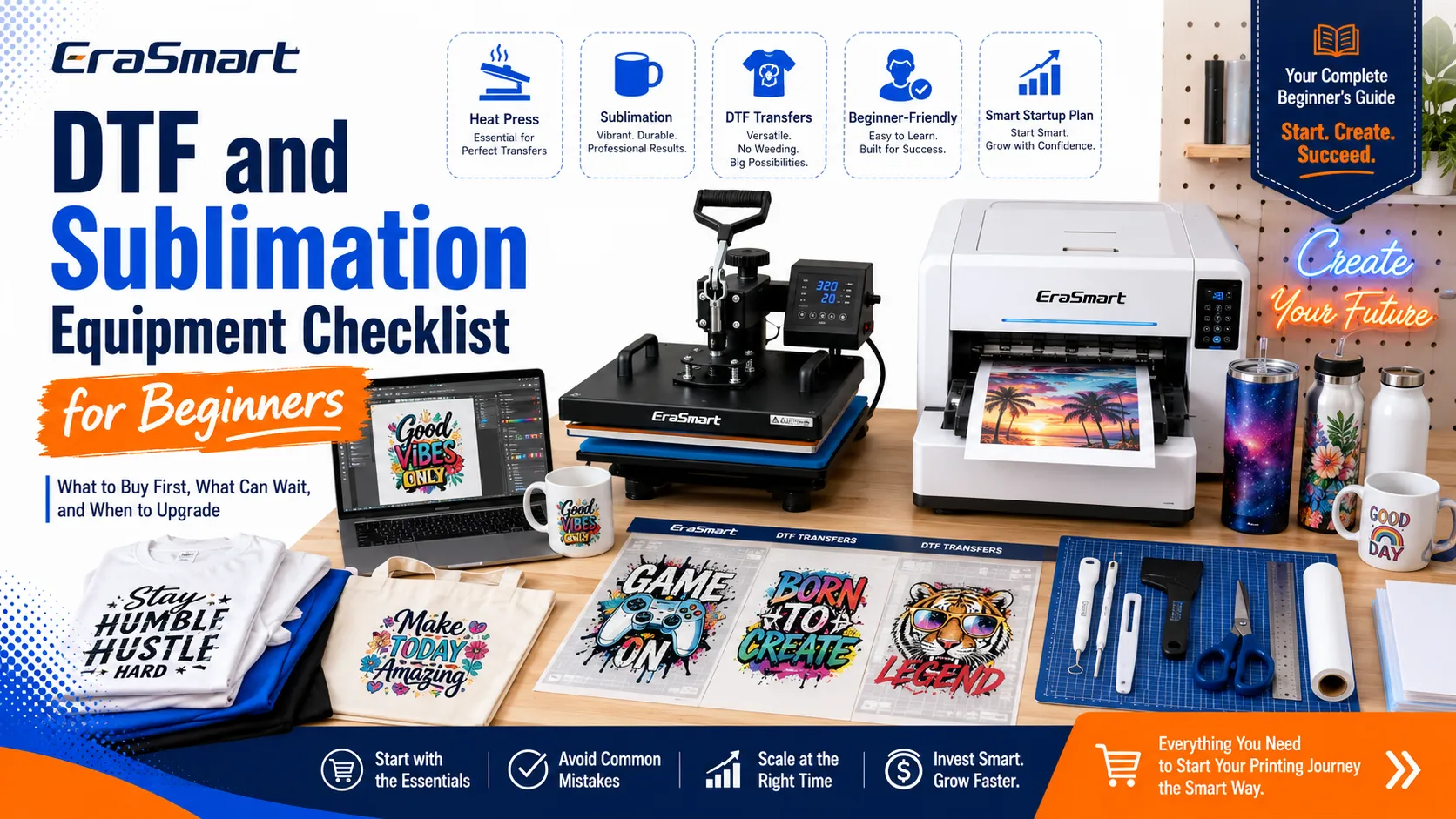
Checkliste für DTF- und Sublimationsausrüstung für Anfänger
Die Gründung eines kundenspezifischen Druckunternehmens kann sich kompliziert anfühlen, da viele Maschinen, Verbrauchsmaterialien, Werkzeuge und Rohlinge verfügbar sind. Die gute Nachricht ist, dass Anfänger nicht alles sofort kaufen müssen. Ihre Ausrüstungsliste hängt davon ab, wie Sie planen …
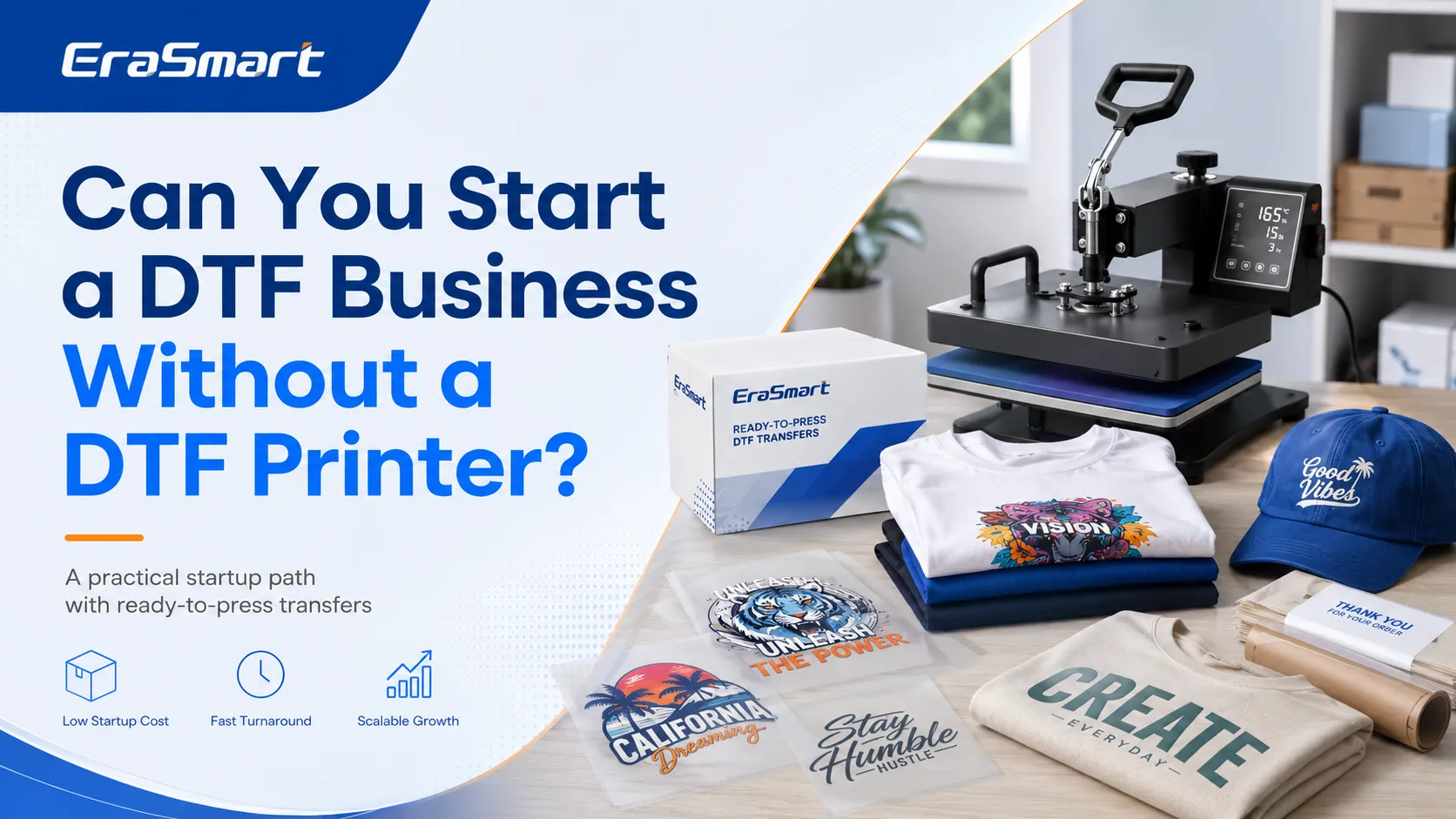
Können Sie ein DTF-Geschäft ohne einen DTF-Drucker starten?
Ja, Sie können ein DTF-Unternehmen gründen, ohne einen DTF-Drucker zu besitzen. Anstatt die Transfers selbst zu drucken, können Sie druckfertige DTF-Transfers bei einem Lieferanten bestellen und diese mit einer Heißpresse auf Kleidungsstücke auftragen. Dies ermöglicht Ihnen den Verkauf…
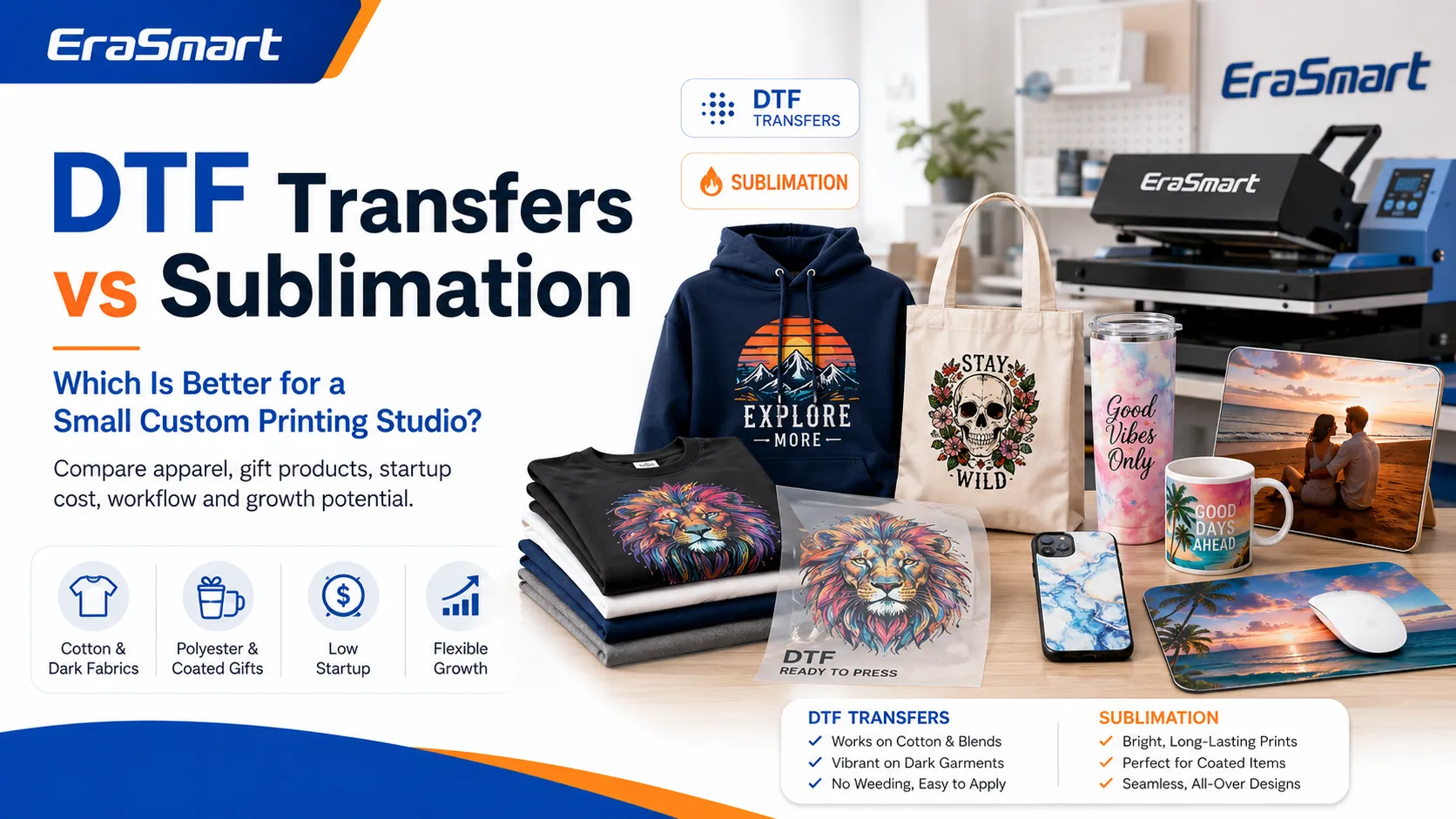
DTF-Transfers vs. Sublimation: Was ist besser für ein kleines individuelles Druckstudio?
DTF transfers and sublimation are two practical ways to start a small custom printing studio, but they are designed for different products, materials, and production goals. DTF transfers are usually better for cotton garments, dark fabrics, hoodies, uniforms, tote bags,…
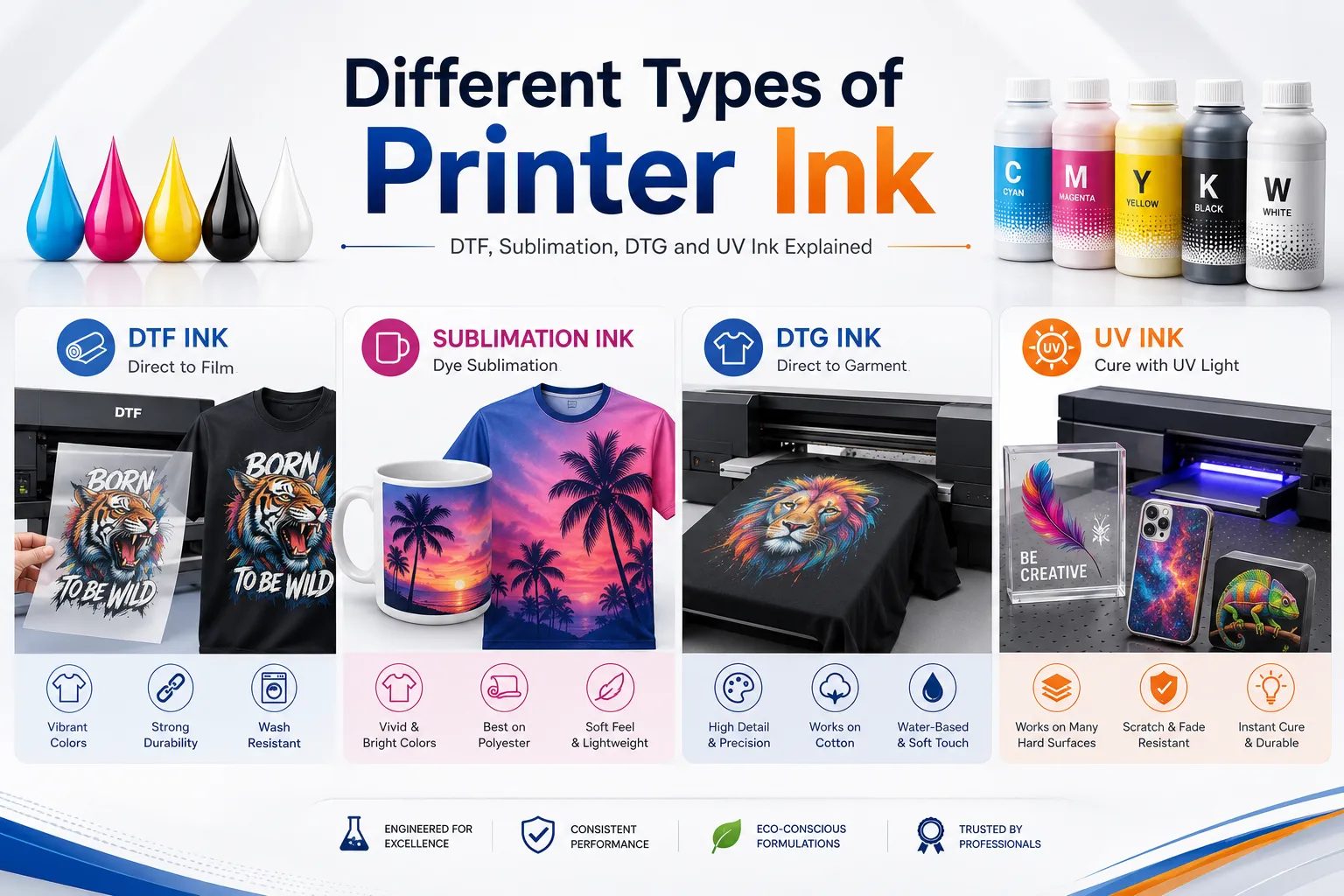
DTF-Tinte vs. Sublimationstinte vs. DTG- und UV-Tinte: Hauptunterschiede
Ink is not simply a colored liquid added to a printer. Every printing process requires an ink formulation designed for a specific printhead, printing surface, curing method and production workflow. DTF ink, sublimation ink, DTG ink and UV ink may…
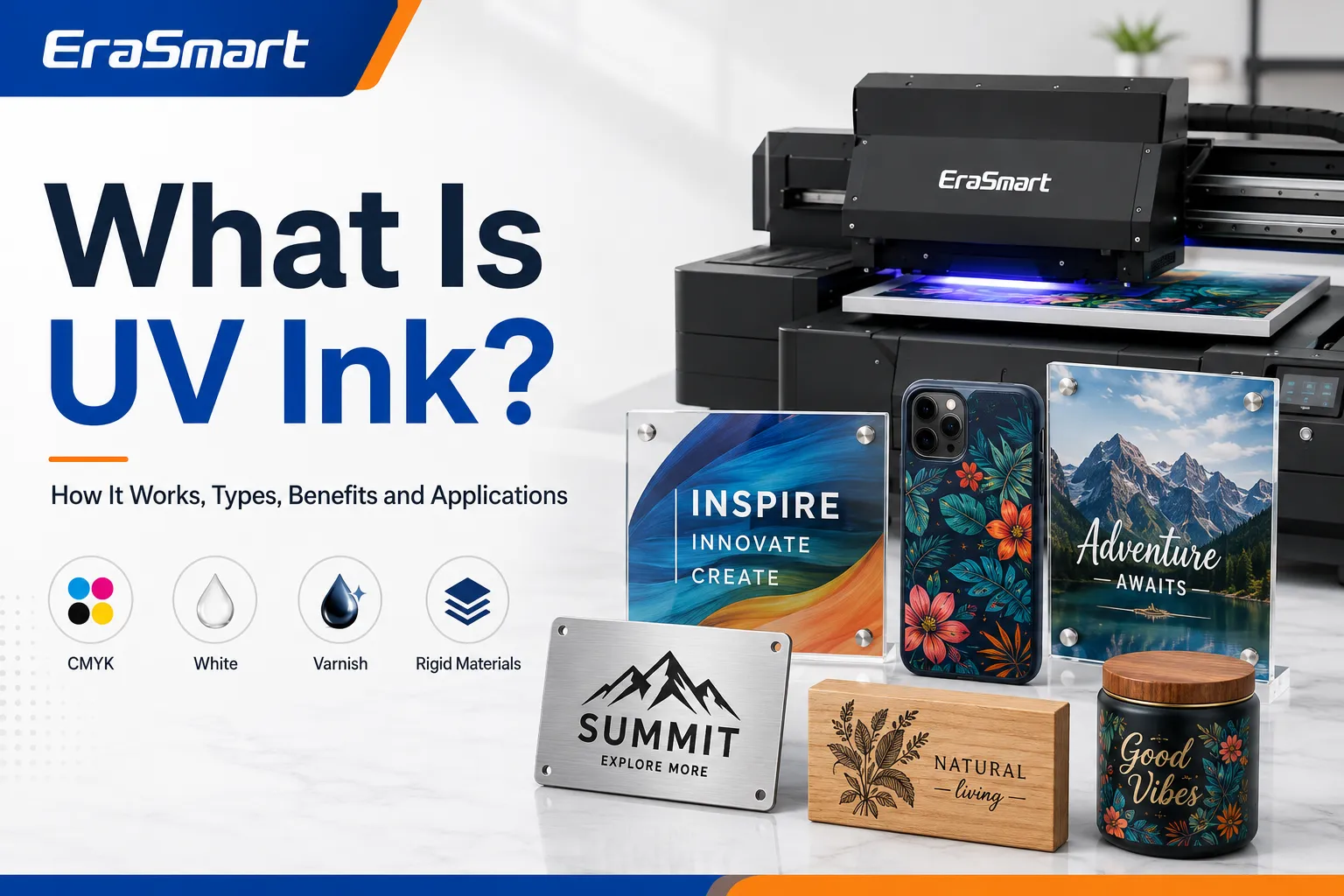
Was ist UV-Tinte? Funktionsweise, Typen, Vorteile und Anwendungen
UV ink is a specialized digital printing ink that cures when exposed to ultraviolet light. Unlike ordinary aqueous or solvent-based ink, UV ink does not rely mainly on absorption or long evaporation times. A compatible UV printer applies the ink…
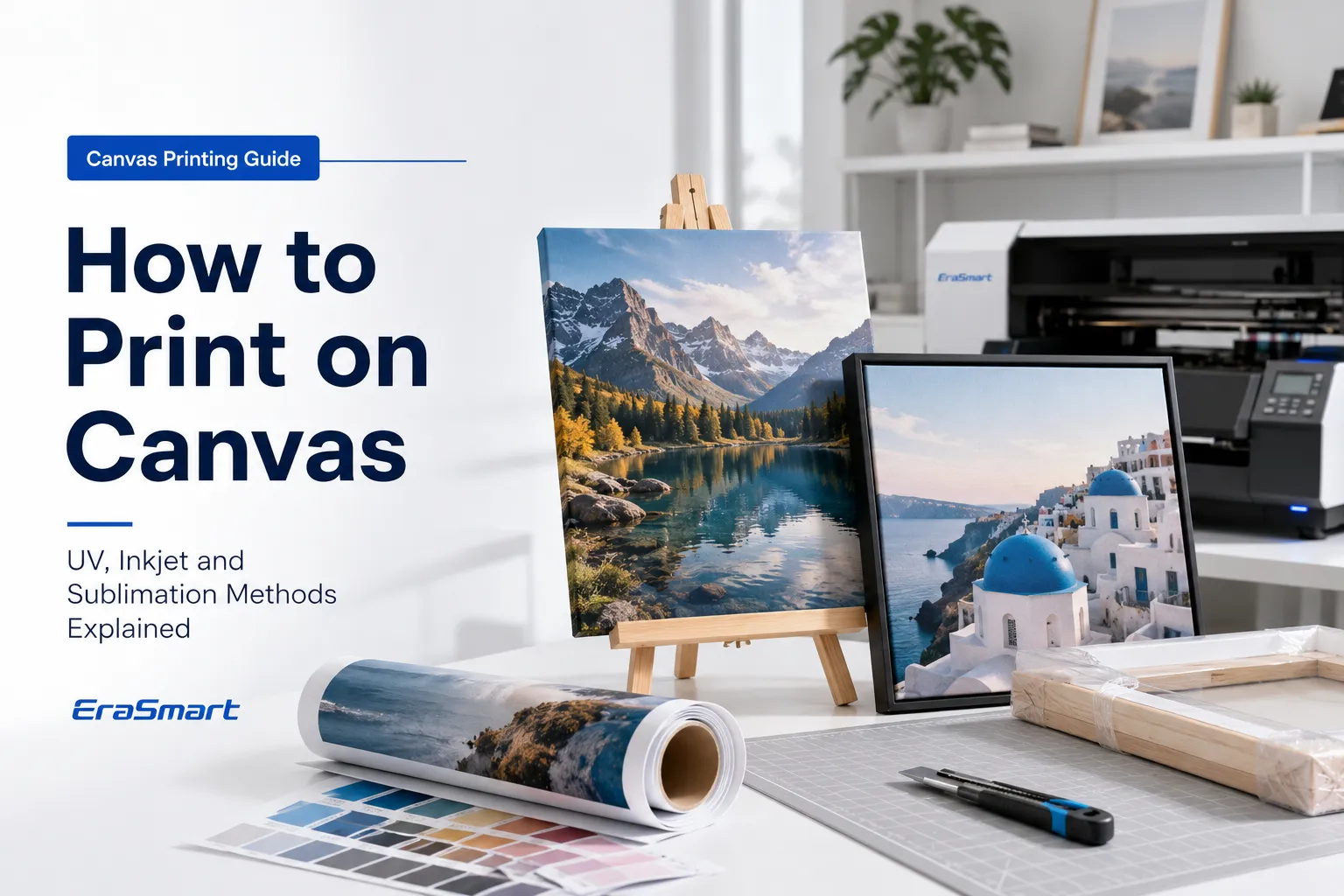
So drucken Sie auf Leinwand: UV-, Tintenstrahl- und Sublimationsanleitung
Printing on canvas can turn photographs, digital artwork, illustrations and personalized designs into wall décor, art reproductions, gifts and commercial display products. However, canvas is not one single material, and there is no universal printing method that works equally well…
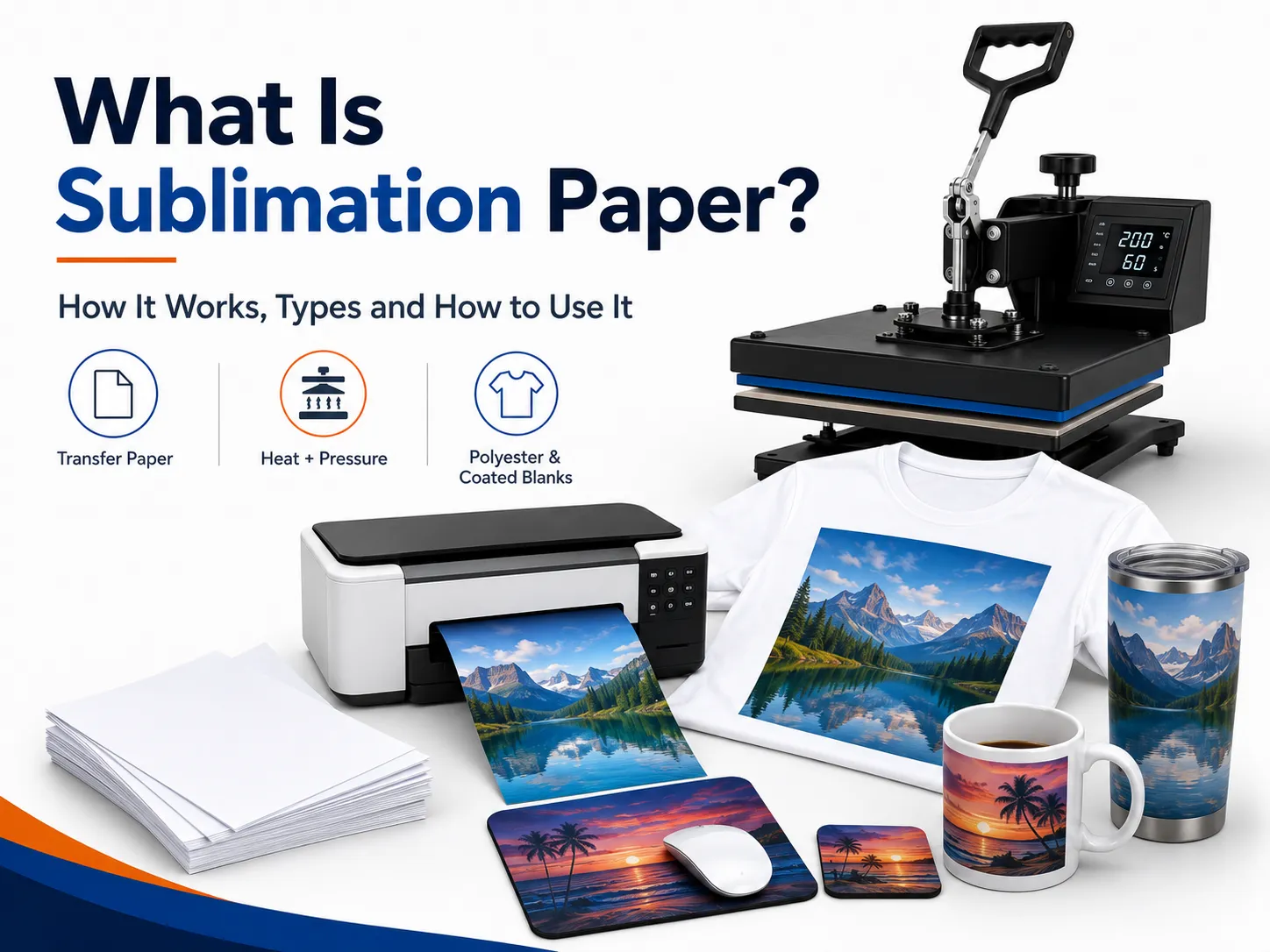
Was ist Sublimationspapier? Funktionsweise, Typen und Verwendung
Sublimation paper is a specially coated transfer paper designed to temporarily hold dye-sublimation ink and release it onto a compatible product when heat and pressure are applied. It is used to decorate products such as: Polyester T-shirts Sports jerseys Mugs…
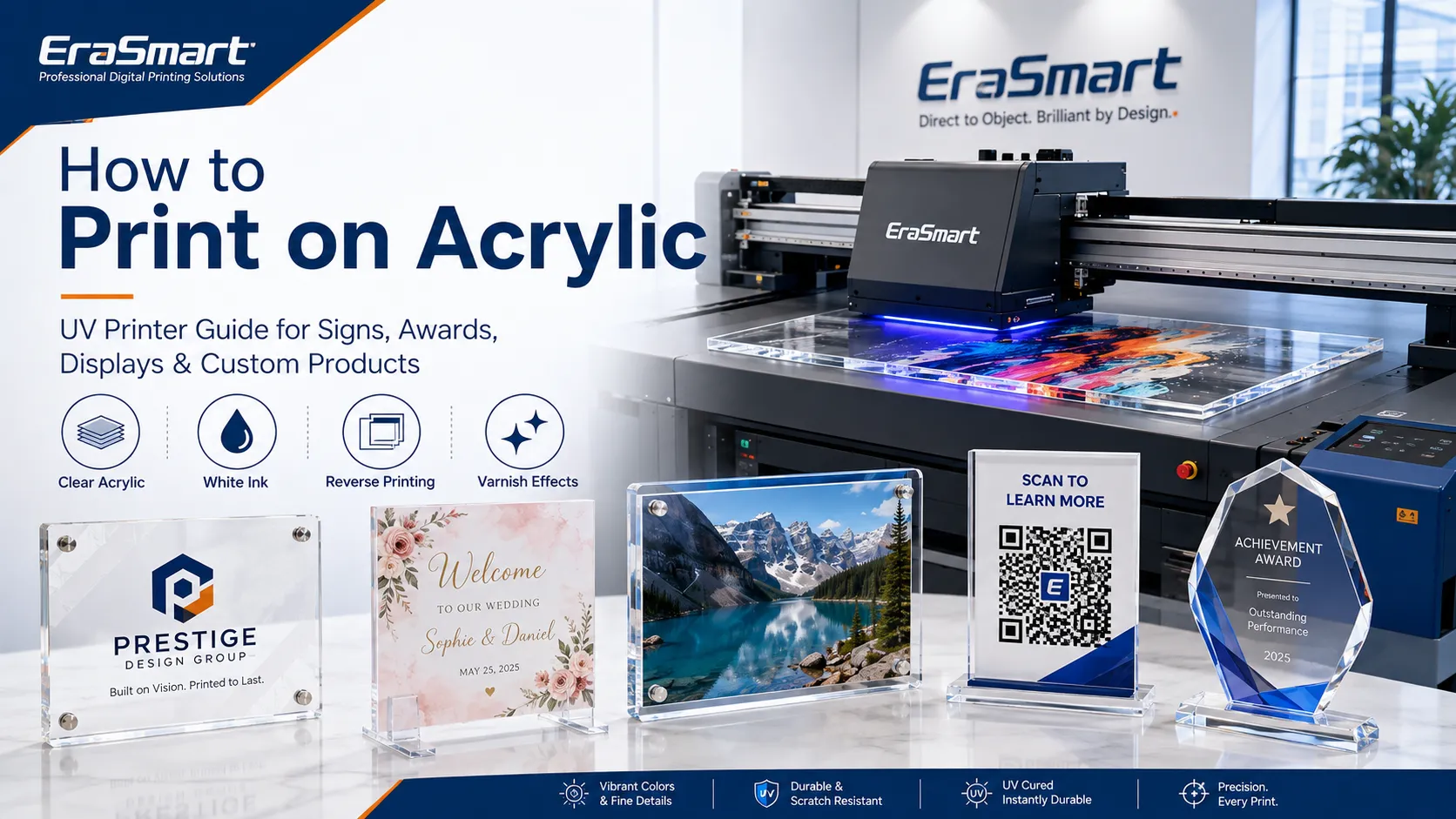
So drucken Sie mit einem UV-Drucker auf Acryl: Eine vollständige Schritt-für-Schritt-Anleitung
Acrylic is one of the most practical materials for UV flatbed printing. Its smooth surface, consistent thickness and premium transparent appearance make it suitable for custom signs, awards, photo panels, retail displays, wedding products, business plaques and personalized gifts. A…
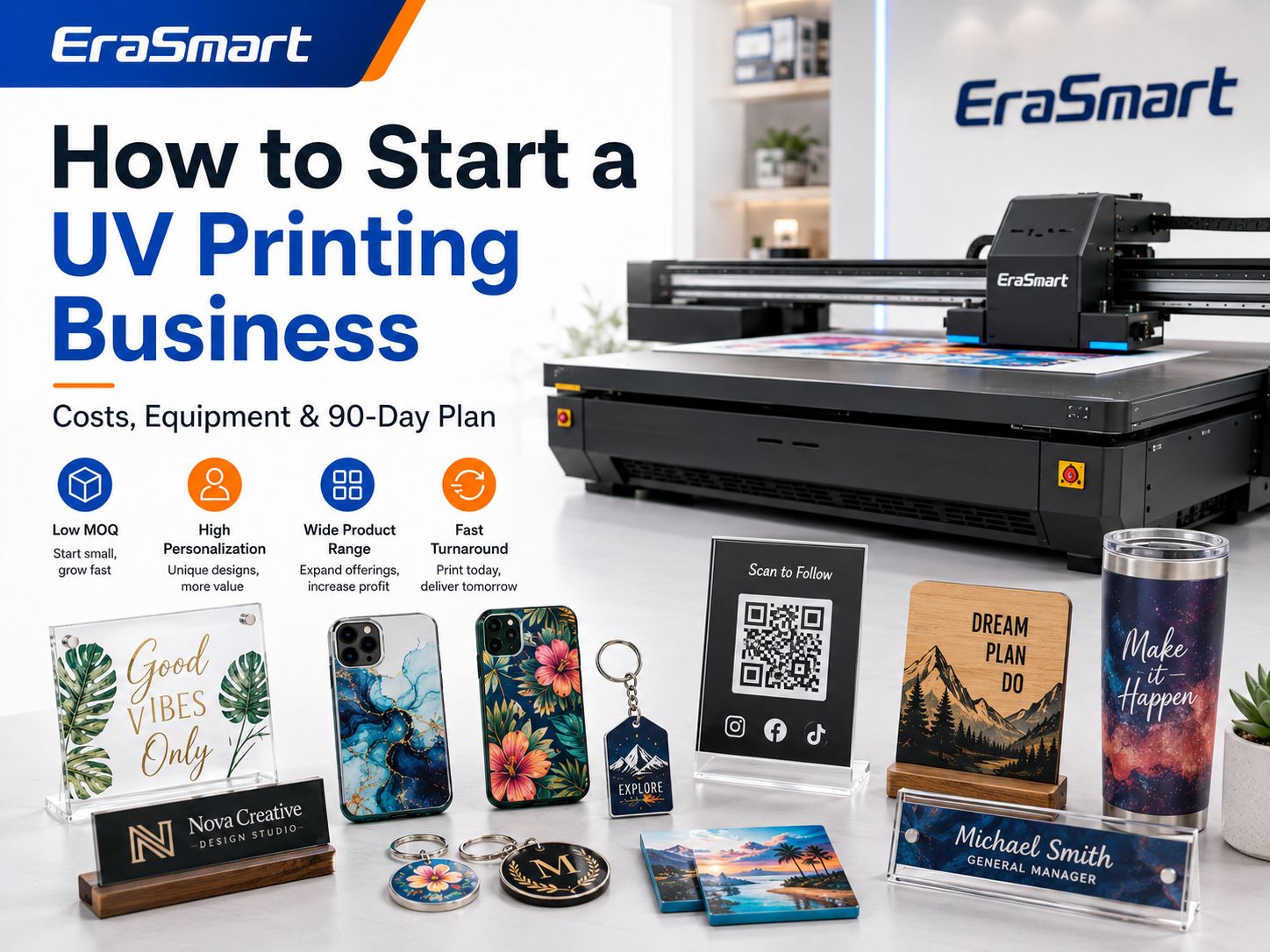
So starten Sie ein UV-Druckunternehmen: Kosten, Ausrüstung und 90-Tage-Plan
Starting a UV printing business can be an attractive way to enter the personalized-products market because one printer can support many different product categories. Depending on the printer, ink configuration and fixtures, you may be able to produce: Acrylic signs…
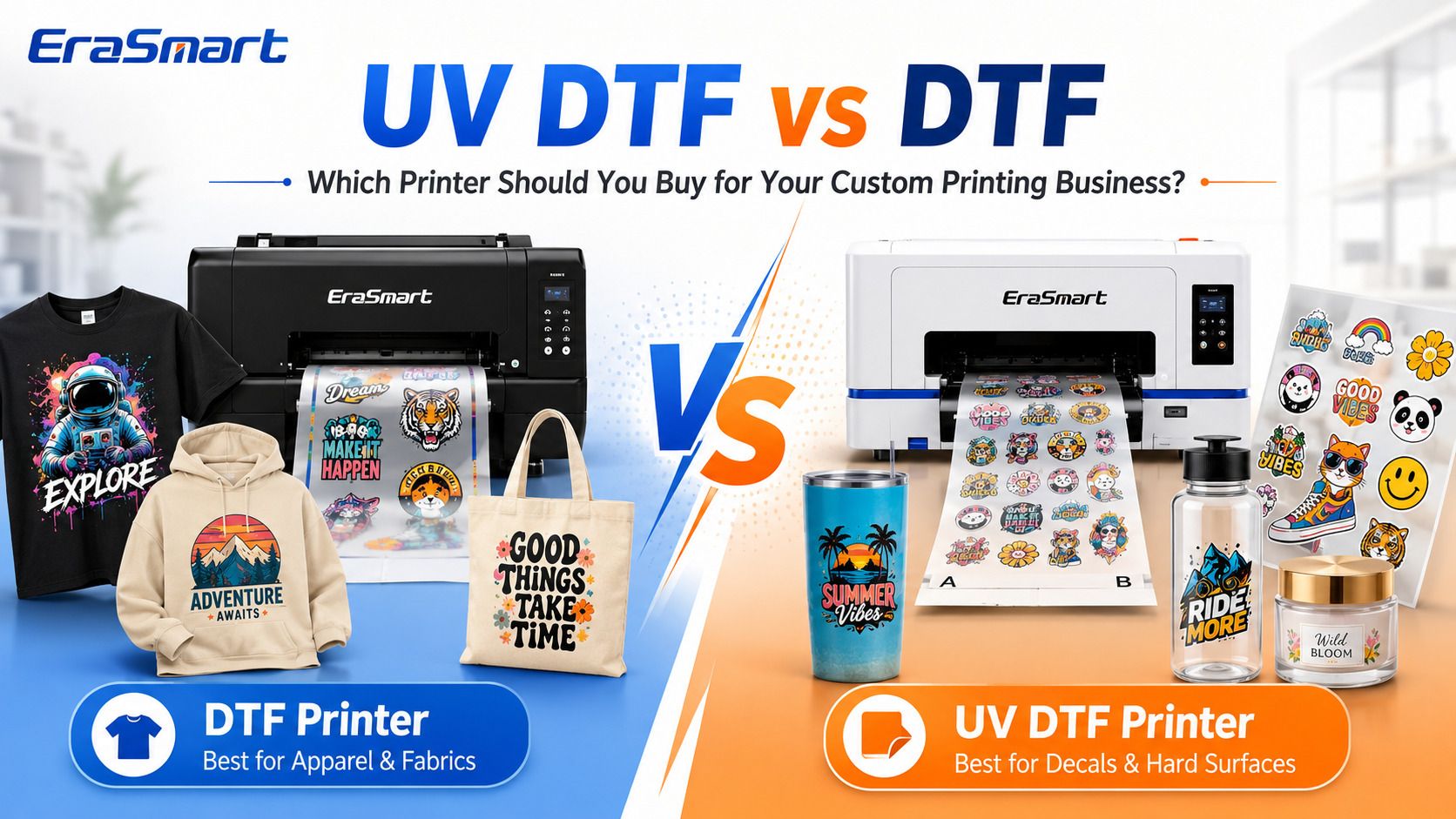
UV DTF vs. DTF: Welchen Drucker sollten Sie für Ihr Unternehmen kaufen?
If you are choosing between a DTF printer and a UV DTF printer, the most important question is not which technology is “better.” The better question is: What products do you want to sell? If your main products are T-shirts,…
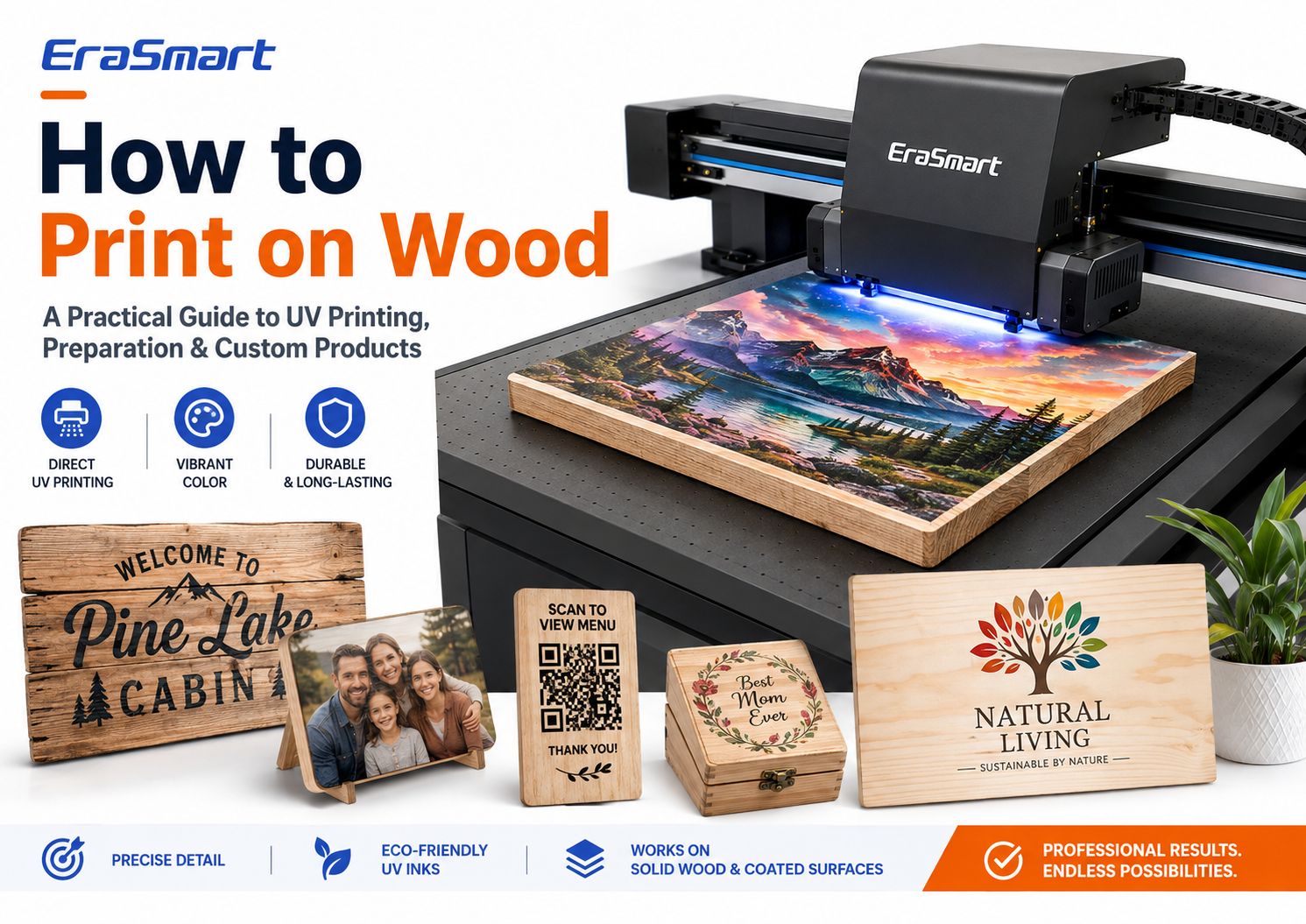
So drucken Sie auf Holz: Ein praktischer Leitfaden zum UV-Druck, zur Vorbereitung und zu kundenspezifischen Produkten
Yes, you can print directly on wood. For professional full-color customization, UV flatbed printing is one of the most practical methods because the printer can place CMYK, white ink, and optional varnish directly onto suitable wooden surfaces without transfer paper.…
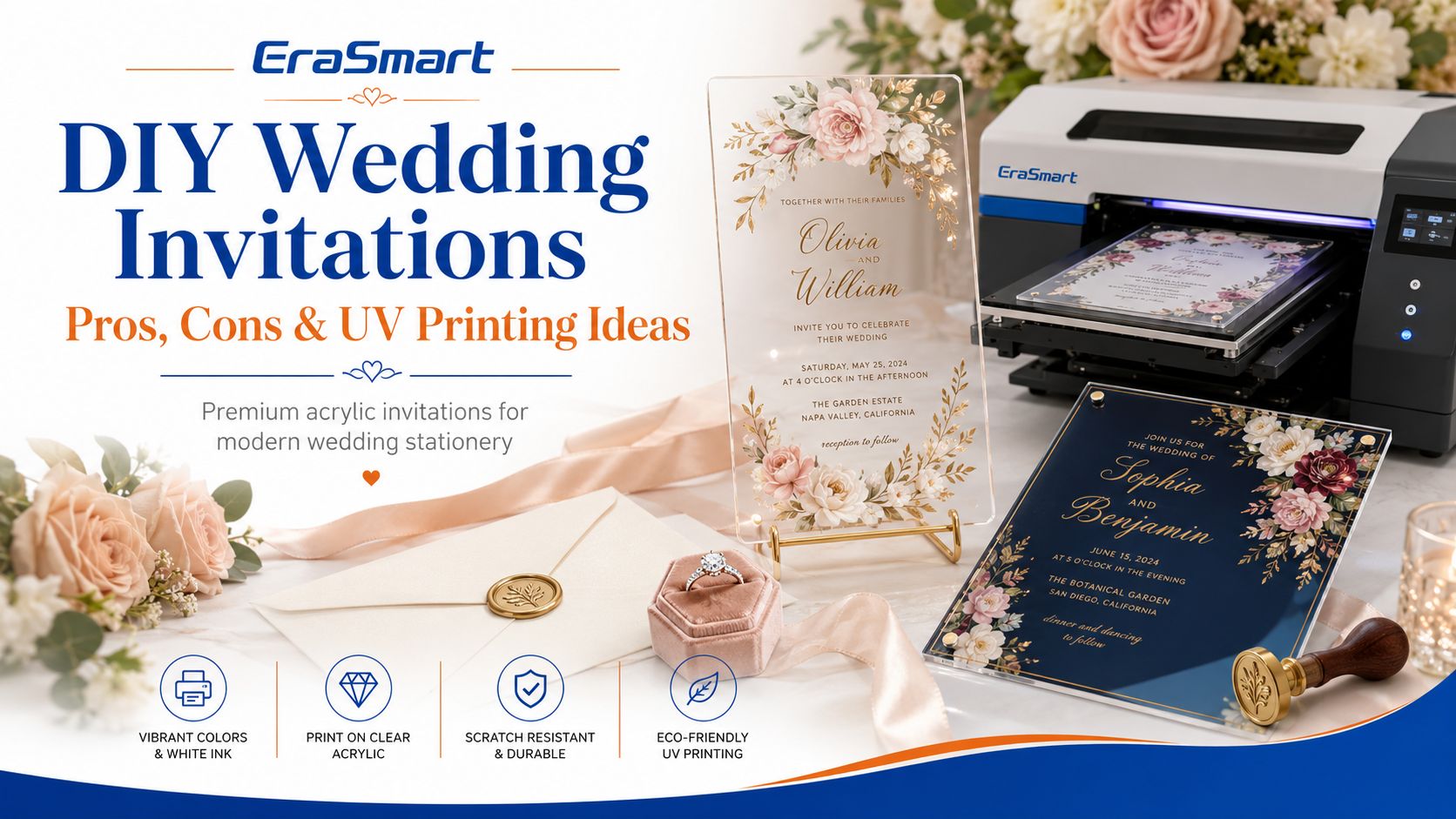
DIY-Hochzeitseinladungen: Vor- und Nachteile sowie eine Anleitung zum UV-Druck
DIY wedding invitations can be a great way to make a wedding feel more personal. Couples can control the typography, colors, materials, wording, and finishing details instead of selecting a completely standardized invitation package. But “DIY” does not always mean…
Copyright 2020 © Erasmart. | Sitemap