Hersteller von kleinen Flachbett-Tintenstrahldruckern
86-18566233796 [email protected]

Blog UV-DTF-Drucker vs. UV-Drucker: Was ist der Unterschied und welchen sollten Sie kaufen?

UV-DTF-Drucker vs. UV-Drucker: Was ist der Unterschied und welchen sollten Sie kaufen?

6. Januar 2026 Blog

If you’re shopping for a “UV DTF printer,” you’ll quickly notice that people use the term in two different ways:

  1. UV Printer (traditional UV printing) = prints directly onto the object/substrate, curing ink instantly with UV light.

  2. UV DTF (UV Direct-to-Film transfer) = prints onto a special film (often called A/B-Film) first, then you transfer the design onto the product like a premium decal (“crystal label”).

Both use UV-curable inks and UV curing, but the workflow, materials, and business fit are very different.

Quick Comparison

KategorieUV DTF (Film Transfer)UV Printer (Direct-to-Object)
“Where do you print?”On Film A, then laminate with Film B and transferDirectly on the product/substrate
Am besten fürViele small items, mixed shapes, quick personalization, “crystal label” decalsFlat panels, signage, rigid media, production runs, direct-to-object printing
Extra equipmentCommonly a Laminator (or integrated unit)Often none beyond printer; rotary/fixtures for cylinders (if needed)
Look & feelRaised / glossy “label” aesthetic“Printed-on” look; can be matte/gloss/texture depending on ink set
Common productsTumblers (as decals), phone cases, gift boxes, promotional itemsAcrylic/wood/PVC boards, signs, control panels, packaging prototypes

What Is a UV-Drucker?

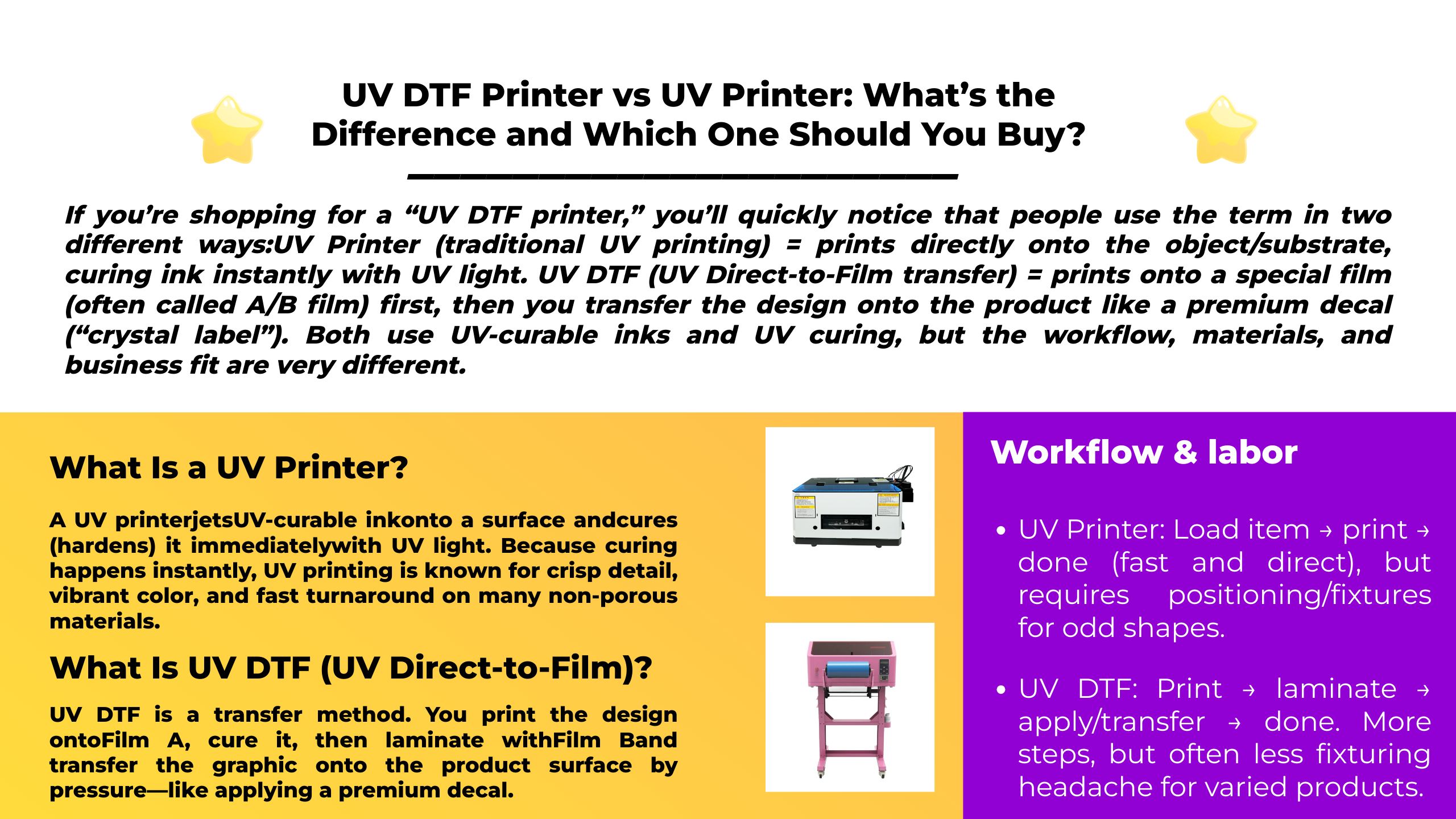
A UV-Drucker jets UV-curable ink onto a surface and cures (hardens) it immediately with UV light. Because curing happens instantly, UV printing is known for crisp detail, vibrant color, and fast turnaround on many non-porous materials.

Common UV printer types

  • UV flatbed: prints on rigid sheets and objects placed on a flat table/bed.
  • Roll-to-roll UV: prints on flexible media (films, banners, etc.).
  • Flatbed + rotary attachment: can print on cylindrical items like bottles and mugs, depending on configuration.

Best when: you can physically place or fixture the item on the printer and want the design printed directly on it.

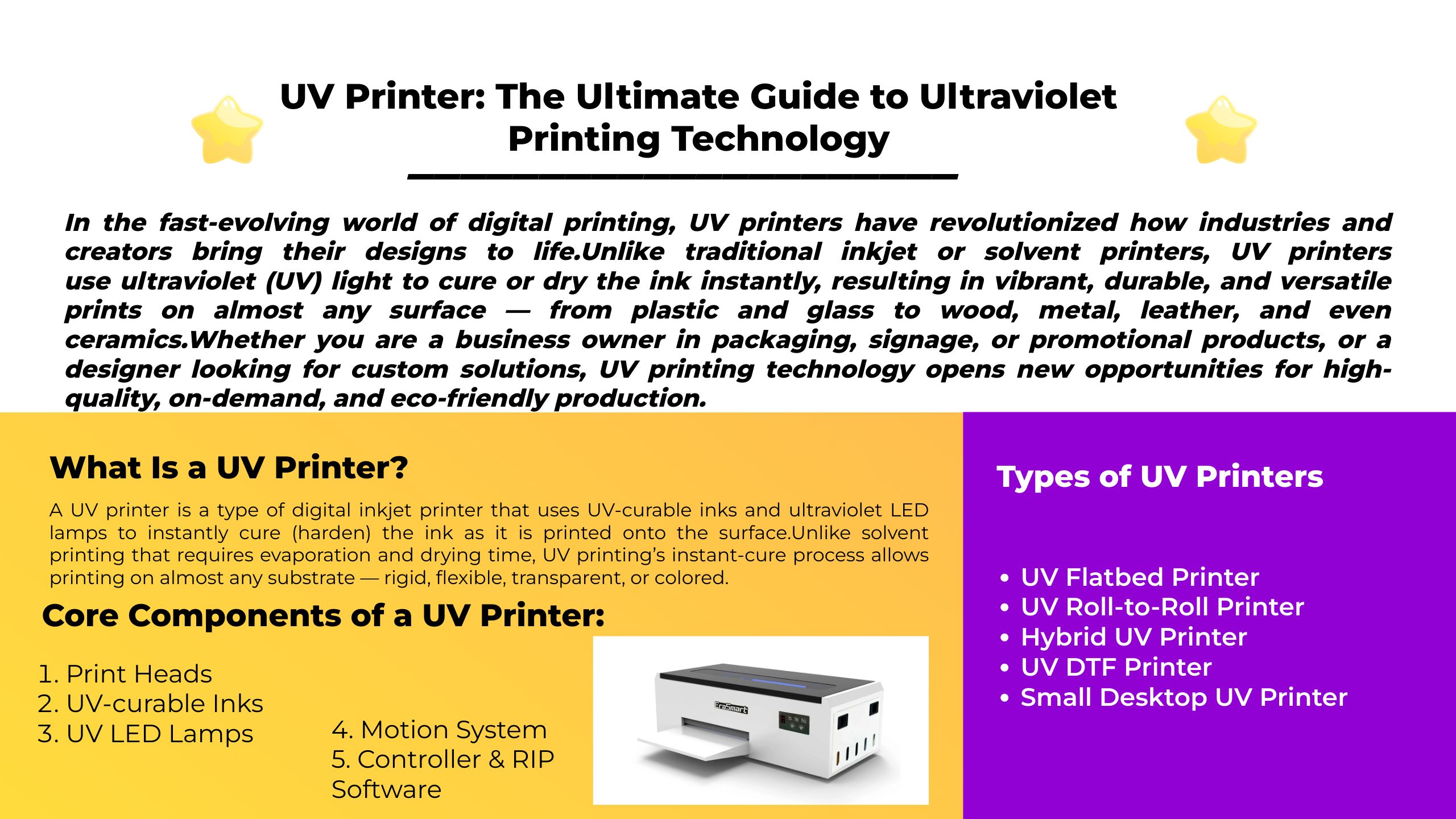
More About UV Printer: UV-Drucker: Der ultimative Leitfaden zur UV-Drucktechnologie

What Is UV-DTF (UV Direct-to-Film)?

UV-DTF is a transfer method. You print the design onto Film A, cure it, then laminate with Film B and transfer the graphic onto the product surface by pressure—like applying a premium decal.

This is why UV DTF is often described as “crystal label” production: it’s not direct printing on the object; it’s printing a transferable graphic that can be applied to many products.

Typical UV DTF workflow (AB Film)

  1. Print the design on Film A (UV ink + UV curing)
  2. Laminate with Film B
  3. Peel/transfer onto the final item
  4. Finish by removing the carrier layer

Best when: you sell lots of small personalized products, want “sticker-like” transfers, or need a method that works across many SKUs without building complex fixtures.

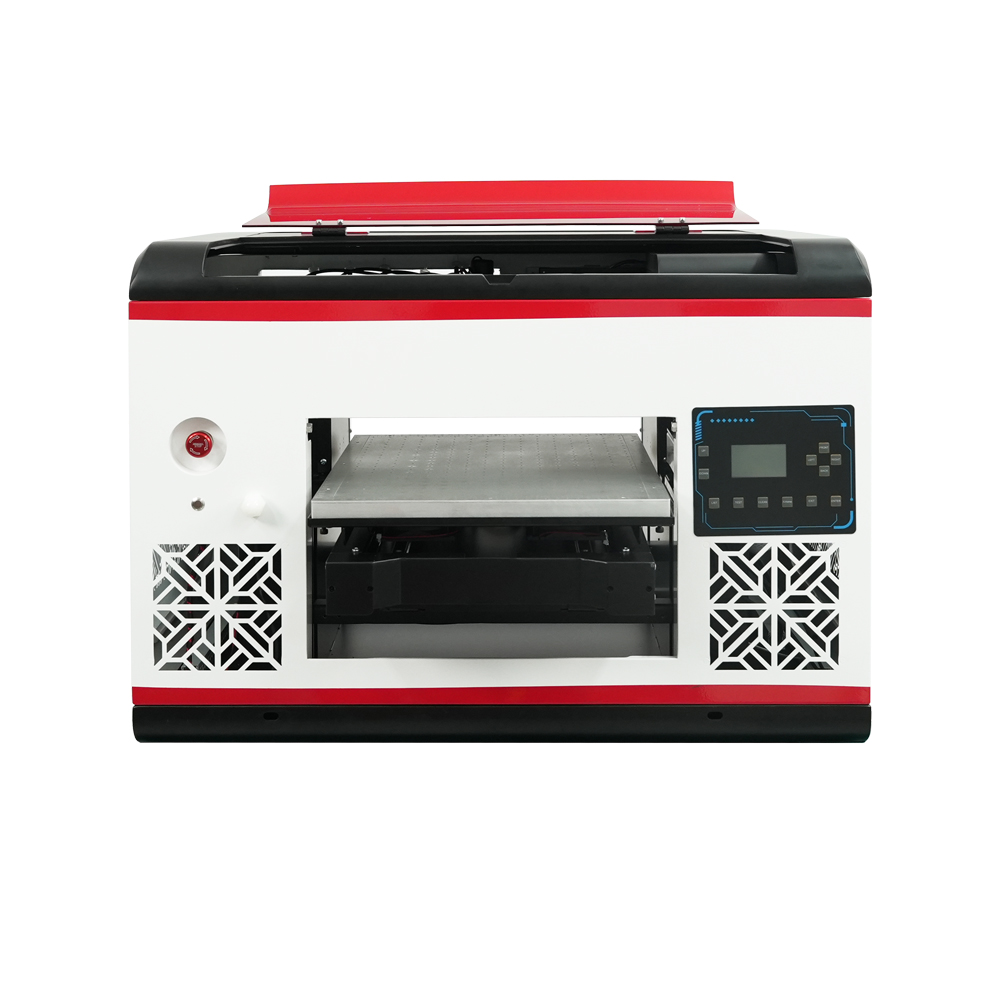
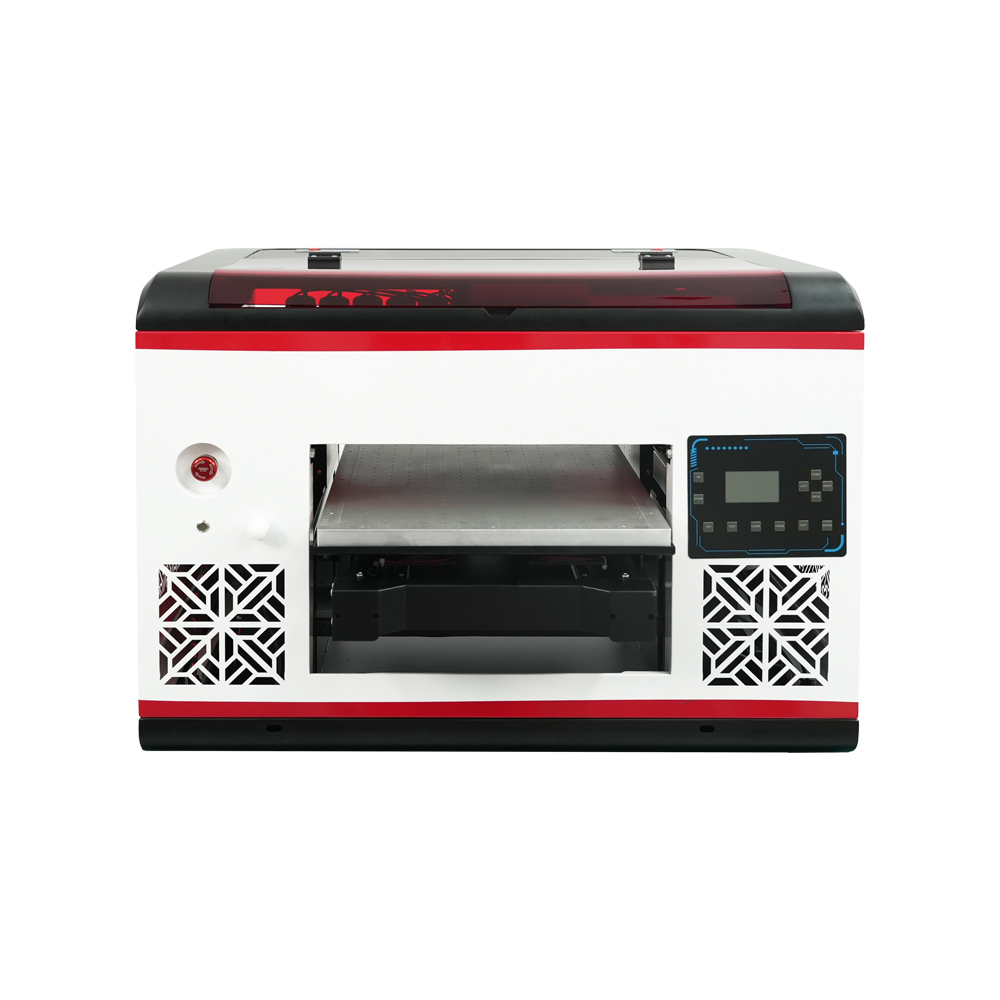
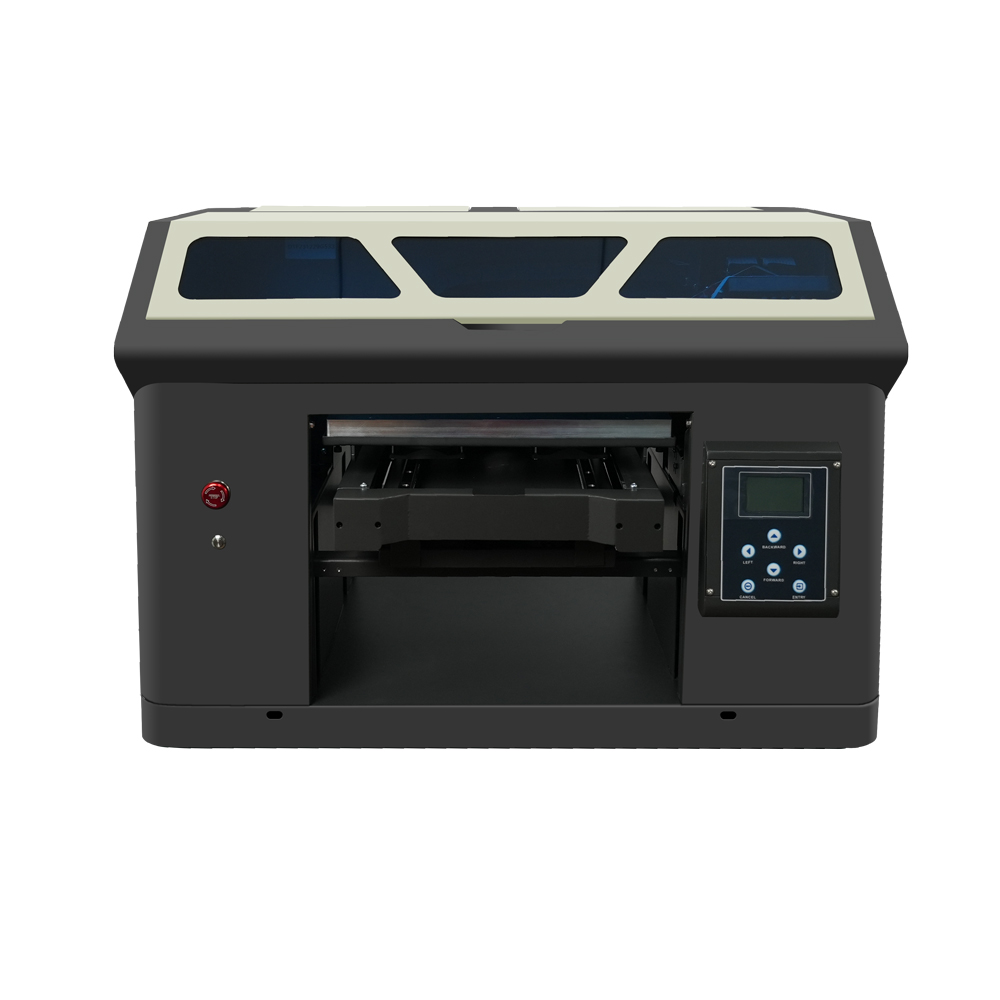
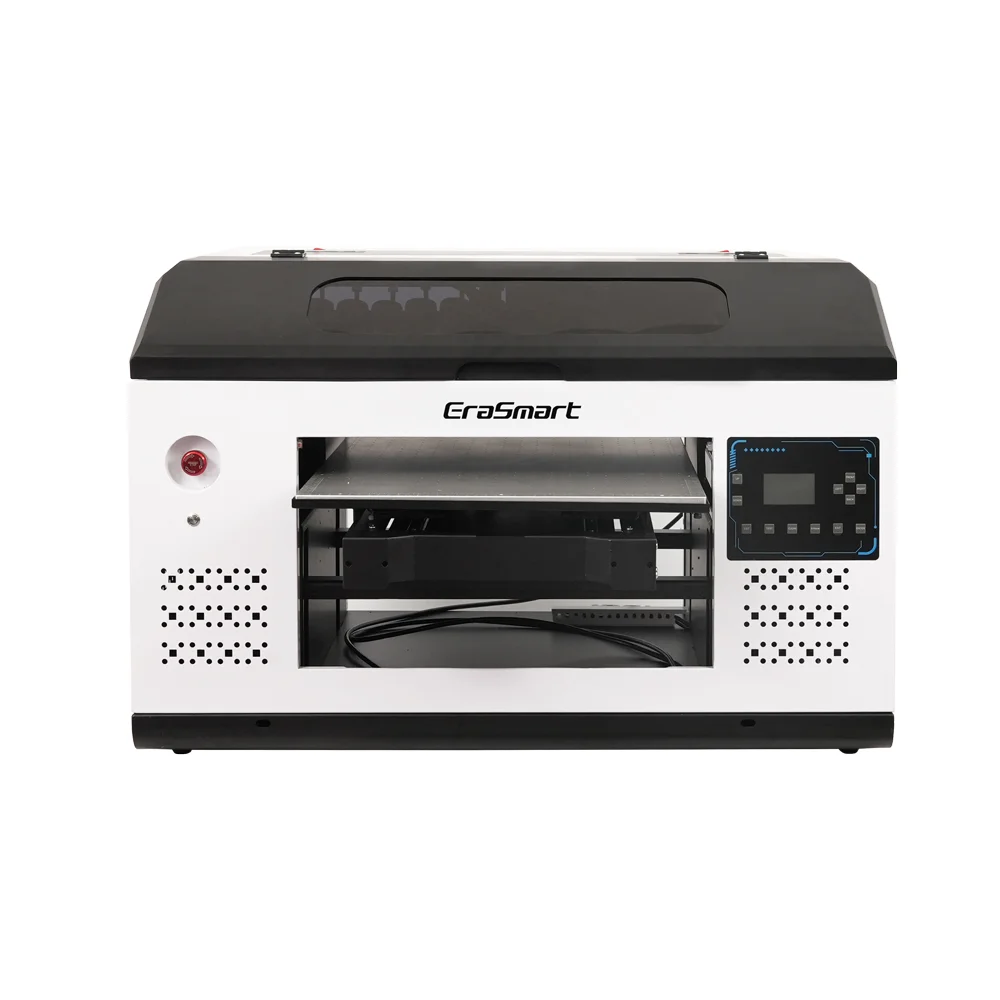
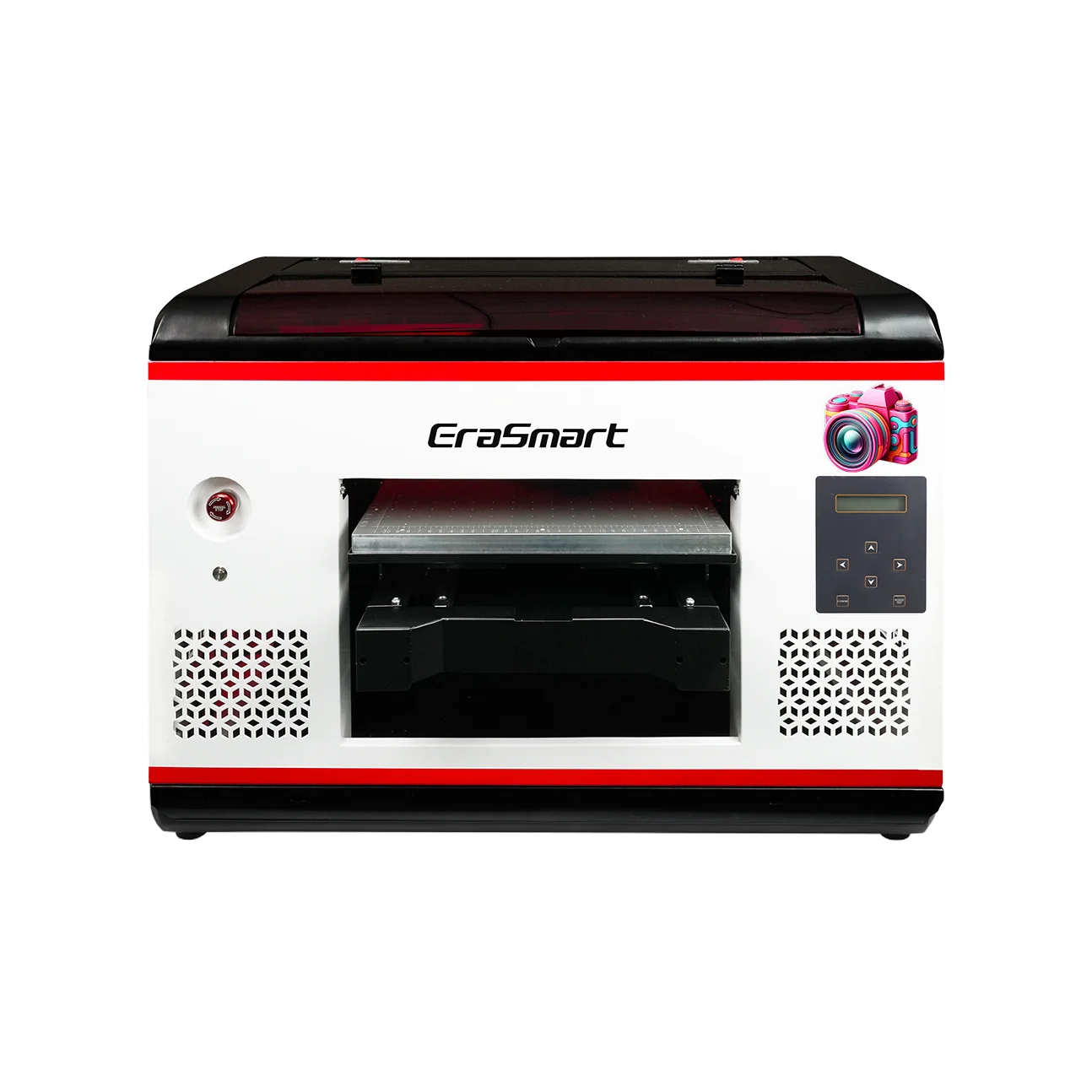
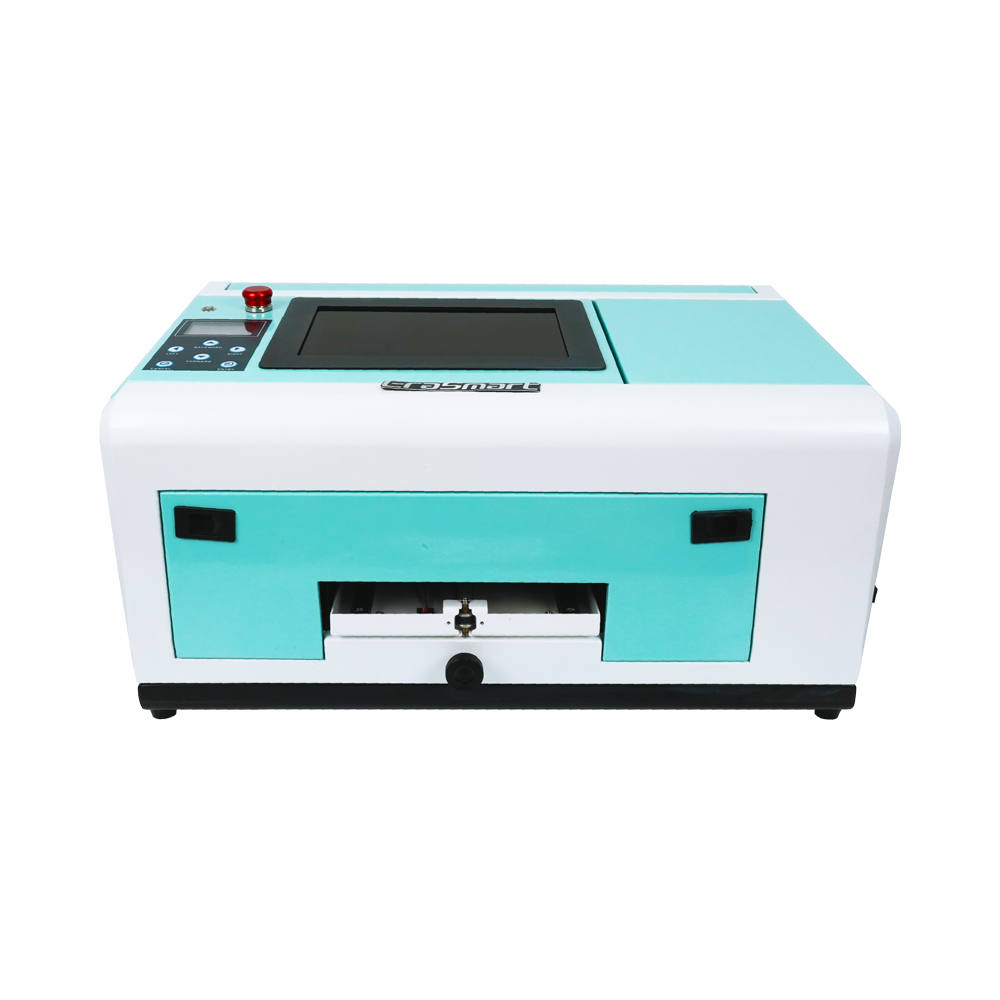
Erasmart UV Printer & UV DTF Printer

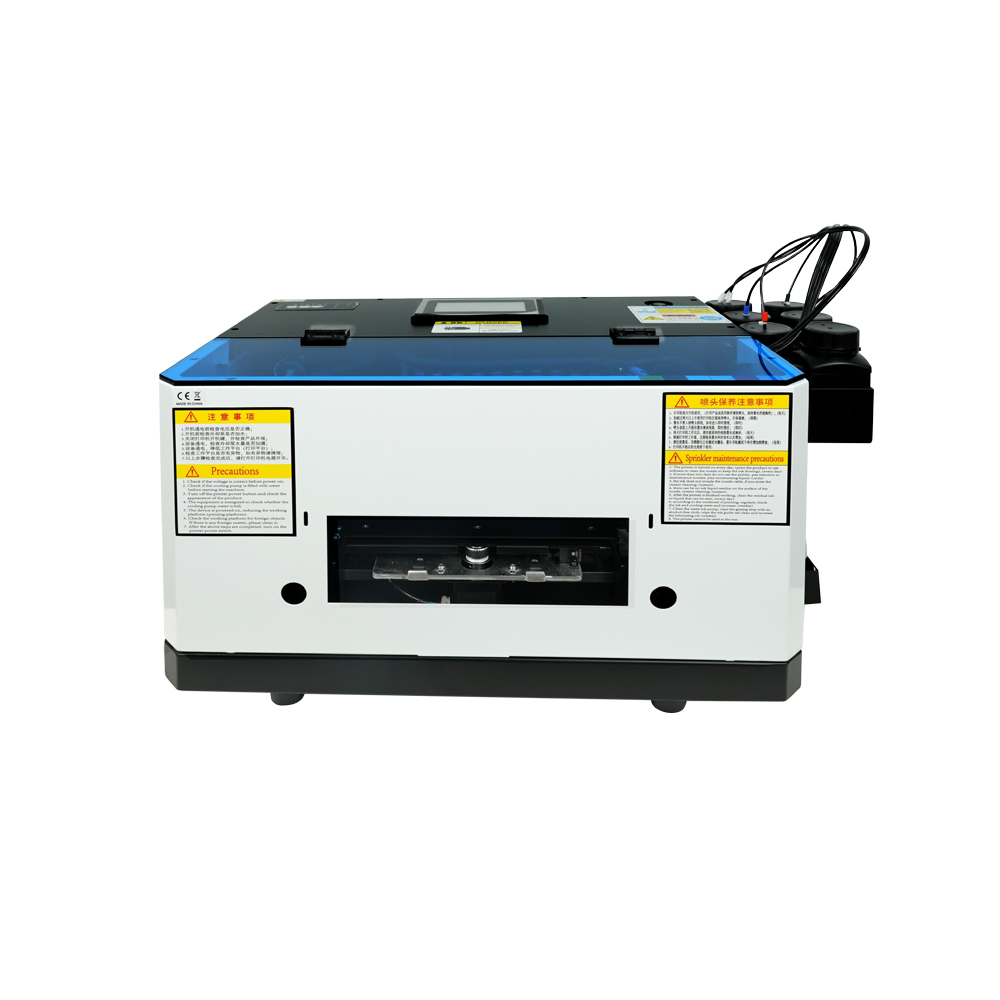
Kompaktes Einsteigermodell mit L800-Druckkopf, ideal für kleine Gegenstände und Hobbyprojekte (Druckgröße 120 x 210 mm).

A4-UV-Drucker

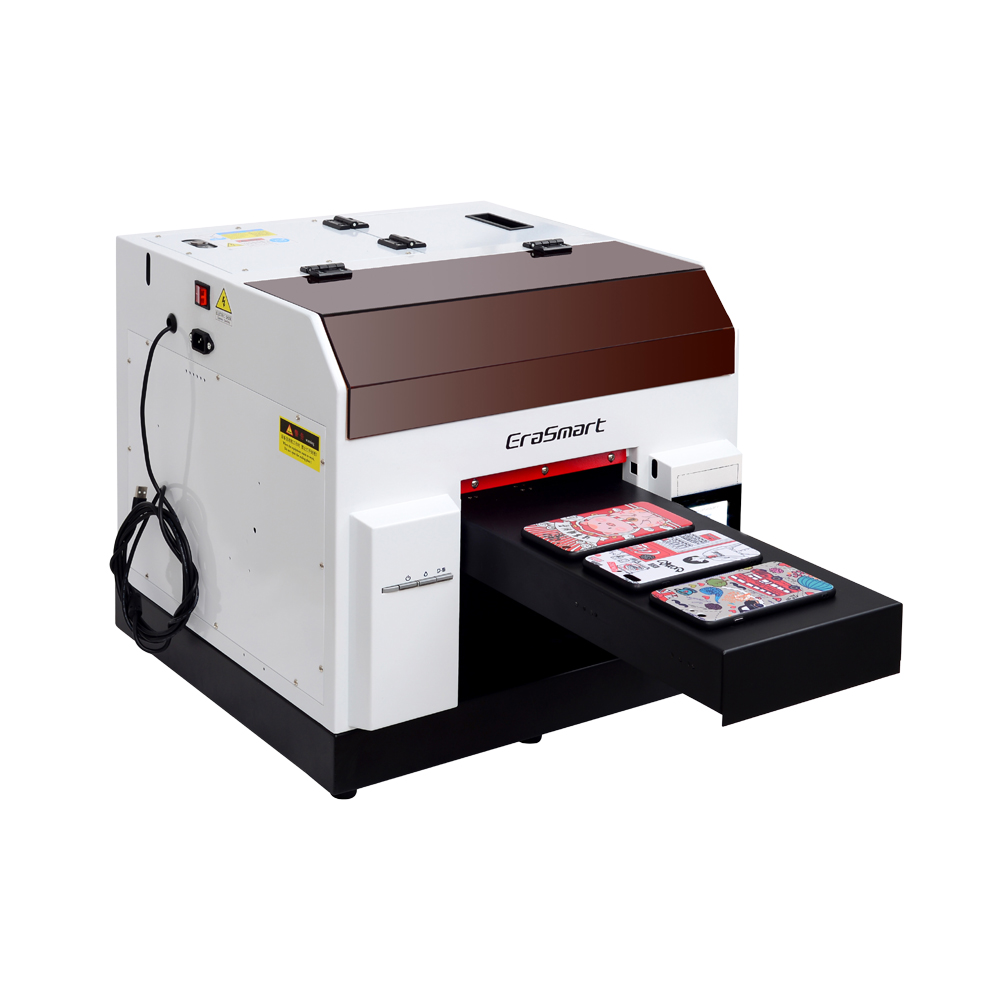
L800-Druckkopf mit einer Druckgröße von 210 x 290 mm, perfekt für kleine Unternehmen und personalisierte Geschenke (0–130 mm Druckhöhe).

A3 Max UV-Drucker DX7

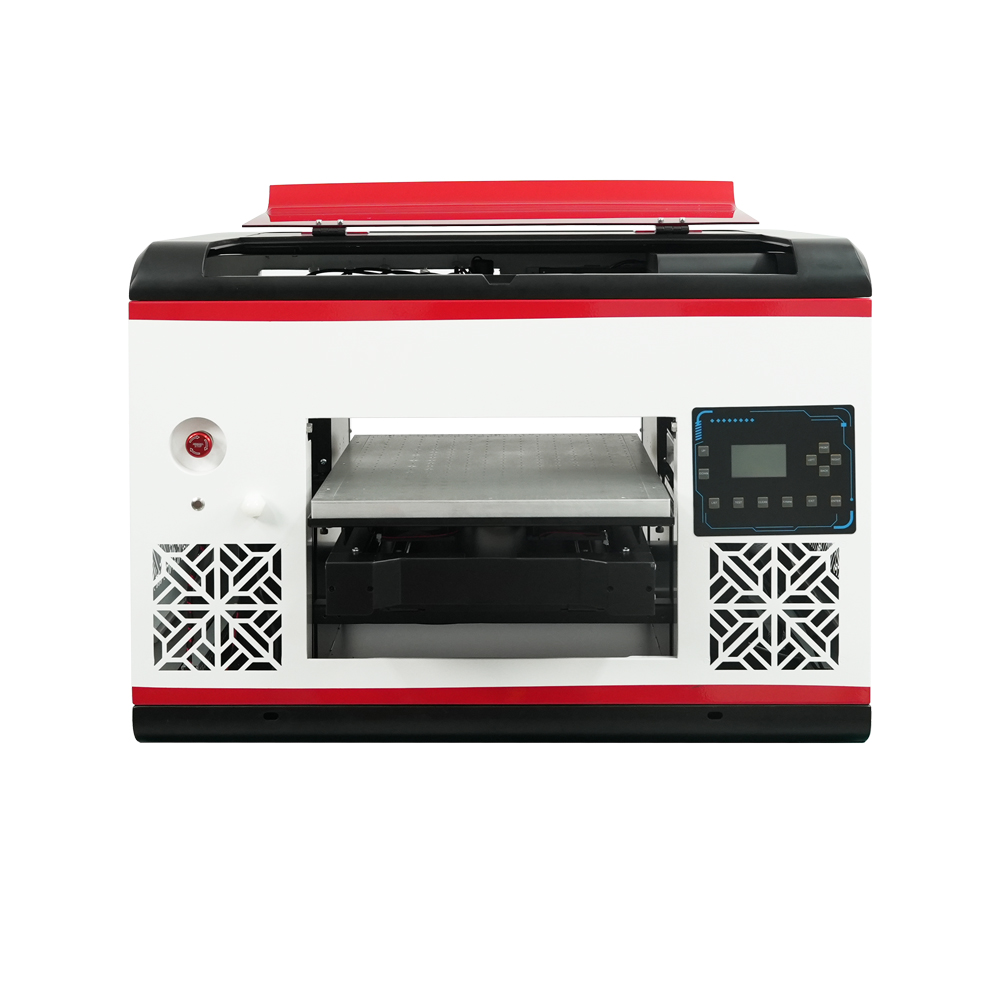
DX7-Druckkopf mit 350 x 450 mm Druckgröße, Saugplattform und CMYK+WW+VV für die Produktion großer Mengen.

A3 Max UV-Drucker XP600

XP600-Druckkopf mit 350 x 450 mm Druckgröße, 5 m²/h Geschwindigkeit, ideal für mittlere bis große Produktionsläufe.

A3 Pro UV-Drucker XP600

Duale XP600-Druckköpfe mit einer Geschwindigkeit von 5,5㎡/H, CMYK+WW+VVVVVV für verbesserte Farbskala und Produktivität.

Zwei XP600-Druckköpfe mit einer Druckgröße von 350 x 450 mm, konzipiert für eine kontinuierliche Produktion in Industriequalität.

Großformatiger 420*600-mm-Drucker mit zwei XP600-Köpfen, perfekt für Beschilderungen, Tafeln und große Materialien.

Duale XP600-Köpfe mit automatischer Laminierung, speziell für den UV-DTF-Filmdruck (Breite bis zu 350 mm).

Spezialisiert für Handyhüllen (TPV/PVC/Holz/Metall), mit 10-Zoll-Display und 0-10 mm einstellbarer Höhe.

Biggest Differences That Affect Your Business

1) Workflow & labor

  • UV Printer: Load item → print → done (fast and direct), but requires positioning/fixtures for odd shapes.
  • UV DTF: Print → laminate → apply/transfer → done. More steps, but often less fixturing headache for varied products.

Practical takeaway:
If you’re doing high-mix, small-run personalization (many item types per day), UV DTF can be easier to operate consistently.


2) What products each method “naturally” excels at

UV DTF excels at:

  • Customized tumblers and bottles (as a decal transfer)
  • Phone cases, small gift items, promotional products
  • Brand labels for packaging, boxes, and accessories

UV Printer excels at:

  • Acrylic signs, PVC boards, wood panels
  • Industrial nameplates, control panels, prototypes
  • Larger rigid sheets and flat production work

3) Finish, texture, and customer perception

  • UV DTF commonly produces a label-like finish that customers associate with premium branding (gloss, raised edges, “crystal” look).
  • UV direct printing looks like it’s printed onto the surface, and you can choose ink sets/varnish/texture options depending on the printer and workflow.

4) Durability in real life

Durability depends on ink system, substrate compatibility, and surface prep—but generally:

  • UV printing (direct): Can be very durable when ink adheres well to the substrate and the correct process is used.
  • UV DTF: Durability behaves like a high-performance decal/label—excellent for many use cases, but abrasion, harsh chemicals, and extreme heat can reduce lifespan depending on film/adhesive and the surface.

Rule of thumb:
If the product will be heavily scraped, chemically cleaned, or exposed to extreme conditions, test your exact material + ink + process before promising “permanent.”

Cost & Equipment: What You Actually Need

UV DTF typical setup

  • UV printing capability (dedicated UV DTF unit or UV printer configured for DTF)
  • AB film (Film A + Film B)
  • Often a Laminator (some systems integrate this)

UV printer typical setup

  • UV flatbed / roll-to-roll / hybrid UV printer
  • Fixtures for repeated products (optional but recommended)
  • Rotary attachment for bottles/cylinders (optional, model-dependent)

Cost drivers (not just purchase price):

  • Consumable waste (film/lamination scraps in UV DTF)
  • Fixturing time and misprints (direct UV on odd objects)
  • Maintenance: nozzle checks, cleaning cycles, environment control

Which One Should You Choose?

Wählen UV-DTF wenn du:

  • Sell personalized gifts and promo items (many SKUs)
  • Need an easier path for mixed shapes without complex fixtures
  • Want to sell or apply premium “crystal label” style transfers

Wählen Sie ein UV-Drucker wenn du:

  • Primarily print on flat rigid materials (signage, panels, boards)
  • Want direct-to-object production with fewer steps
  • Have repeatable product shapes or can build fixtures for efficiency

Wählen beide if you’re building a full personalization shop:

  • UV printer for boards/signs + UV DTF for small goods/labels
    This pairing covers the widest set of profitable orders.

Common Mistakes (and how to avoid them)

UV DTF mistakes

  • Skipping surface cleaning → edge lift, bubbles
  • Poor lamination → wrinkles, silvering, inconsistent transfers
  • Expecting perfect adhesion on deeply textured surfaces

UV printer mistakes

  • Printing on incompatible substrates without prep/primers
  • No fixture strategy → slow positioning, higher scrap rate
  • Ignoring height/clearance limits on thick objects (risk of head strikes)

FAQs

1) Is a UV DTF printer just a UV printer?

Not exactly. UV DTF is a transfer workflow. Many UV DTF systems use UV printing technology, but the key is printing to film and transferring, often with lamination.

2) Do I need a laminator for UV DTF?

In most AB-film workflows, yes (unless you buy an integrated all-in-one unit).

3) Can a UV printer print on tumblers?

Often yes, if the printer supports a rotary attachment or proper fixturing—but it depends on the model and setup.

4) What does AB film mean?

AB film generally refers to Film A (print layer) and Film B (lamination/transfer layer) used to create transferable UV DTF decals.

5) Is UV printing “safe” to run in a small shop?

It can be, if you follow SDS guidance, PPE, and ventilation. Safety guidance commonly highlights skin/eye exposure risks and sensitization concerns with UV materials and inks.

Abschluss

  • UV-Drucker = best when you want direct printing onto flat panels or fixture-friendly objects with a streamlined workflow.
  • UV-DTF = best when you want transfer decals (“crystal labels”) that apply across many products and shapes with less fixturing complexity.

Vielleicht wie du auch sein magst

  • EraSmart-Drucker

    UV-Drucker
    DTF-Drucker
    DTG-Drucker
    Hitze Druck Maschine
    Werbedrucker

  • Druckertools

    DTF-Ofen
    Heisse Presse
    Schnitzmaschine
    Becherwärmeübertragung
    Laminiermaschine

  • Verbrauchsmaterial

    Druckertinte
    Mobiltelefonhülle
    Glasprodukt
    Reinigungsflüssigkeit
    Wattestäbchen

  • Kontaktieren Sie uns

    WhatsApp: +8618566233796
    Wechat: +8618566233796
    Mobile: +8618566233796
    Web:www.erasmart.com
    Geschäft:www.erasmartmall.com

  • Fordern Sie ein Angebot an

    Geben Sie einfach ein paar Details an und wir helfen Ihnen, schnelle Zitate zu erhalten!