
- Casa
- Sobre nosotros
- productos
- Solicitud
- conocimiento
- Descripción general del producto
- Descripción general del producto DTF
- Descripción general del producto DTG
- Descripción general del producto UV
- Descripción general del producto UV-DTF
- Descripción general del producto de la prensa de calor
- Descripción general del producto del horno
- Descripción general del producto de la agitador de polvo
- Guía de operación
- Apoyo técnico
- Caso de manejo de mal funcionamiento
- Descripción general del producto
- Noticias
- Apoyo
Calculadora de retorno de la inversión DTF
Esta calculadora te ayuda a estimar
Ingresos mensuales
Costo por impresión vendible
Meses de equilibrio
Entradas de retorno de la inversión DTF
Esta calculadora asume que su objetivo principal es estimar cuánta ganancia mensual puede generar la configuración DTF. y cuantos meses se necesitan para recuperar la inversión inicial.
Resumen de retorno de la inversión
Los resultados a continuación muestran un modelo de negocio simplificado. Trátelos como una guía de planificación y luego compárelos con su combinación de pedidos real y la realidad del flujo de trabajo.
Lógica de la fórmula del retorno de la inversión
Piezas vendibles por día × días hábiles por mes × precio de venta por pieza
Piezas vendibles ÷ (1 - tasa de rechazo)
Piezas impresas reales × (consumibles + mano de obra + servicios públicos)
Ingresos mensuales - costo variable - mantenimiento mensual - gastos generales mensuales
Inversión total en instalación ÷ beneficio neto mensual
Las 5 palancas que más importan
Un flujo de trabajo sólido todavía tiene dificultades si el precio es demasiado bajo para soportar la estructura de costos real.
El desperdicio destruye silenciosamente el retorno de la inversión porque genera impresiones reales necesarias para cada pedido vendible.
Los pedidos más aceptados y completados generalmente generan una recuperación más rápida que la búsqueda de ahorros muy pequeños en consumibles.
Un flujo de trabajo más fluido mejora el retorno de la inversión al reducir la fricción manual, no solo al imprimir más rápido.
La impresora, el ancho, los consumibles y la configuración de acabado correctos crean un modelo más realista que el precio de la máquina por sí solo.
Cómo leer el resultado por etapa del negocio
Concéntrese primero en un flujo de pedidos realista y en el control de residuos. Las configuraciones pequeñas a menudo mejoran el retorno de la inversión más rápido al estabilizar la calidad del proceso que al exigir la máquina más grande.
Aquí es donde el retorno de la inversión generalmente mejora más debido a un mayor rendimiento diario, un mejor ritmo de finalización y menos remakes impulsados por rechazos.
A mayor escala, el retorno de la inversión se vuelve más sensible al tiempo de inactividad, la estructura laboral y si toda la línea se mantiene comercialmente estable día tras día.
Guías relacionadas
Continuar construyendo un mejor flujo de trabajo DTF
Utilice esto después del ROI para hacer coincidir el nivel de la máquina con la etapa real de su negocio.
Compruebe si la máquina, el ancho, el plano de acabado y las condiciones de servicio realmente se ajustan al modelo que ha calculado.
Un cuello de botella en el acabado puede ralentizar silenciosamente la recuperación de la inversión incluso cuando la impresora tiene un buen aspecto.
Los consumibles y el control de la tasa de rechazo tienen un impacto directo en el costo real por pieza vendible.
Preguntas frecuentes
-
1. ¿Puedo mezclar diferentes tintas DTF libremente?
Por lo general, ese no es un buen hábito. Los cambios de tinta deben abordarse como una decisión controlada del flujo de trabajo, no como una opción de recarga casual.
-
2. ¿Qué es mejor, el peeling en caliente o el peeling en frío?
Ninguno de los dos es automáticamente mejor. La mejor película depende de su ritmo de producción, la preferencia del operador y la sensación de transferencia del objetivo.
-
3. ¿El polvo realmente afecta la suavidad?
Sí. La elección del polvo es una de las principales razones por las que las transferencias se sienten más suaves, más firmes o más específicas de la aplicación en la práctica.
-
4. ¿Por qué algunas impresiones se sienten bien al principio pero luego generan quejas?
Porque un sistema de consumibles no coincidente aún puede funcionar para obtener resultados a corto plazo y, al mismo tiempo, reducir silenciosamente la coherencia a largo plazo y la satisfacción del cliente.
Serie de impresoras EraSmart
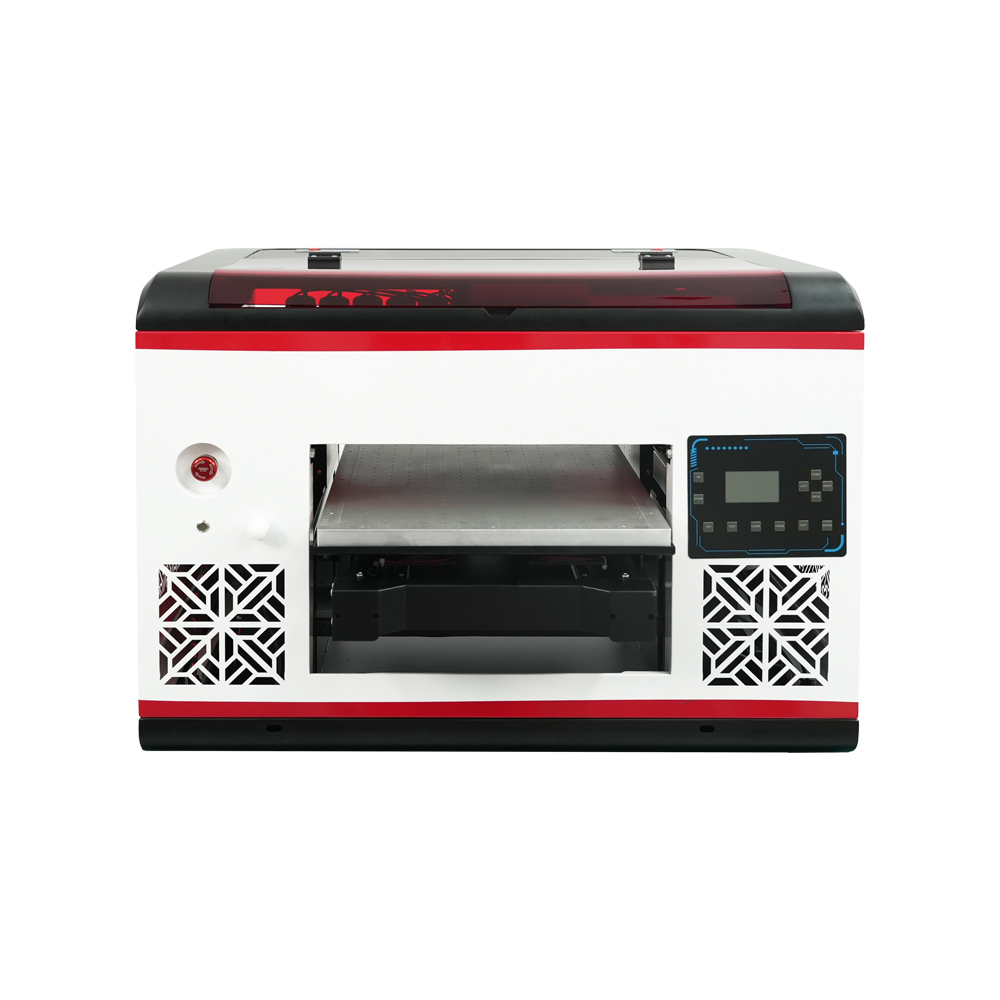
High-quality UV Printers for metal, acrylic, glass, wood & more. Instant curing, vivid 1440dpi prints, versatile for diverse materials.
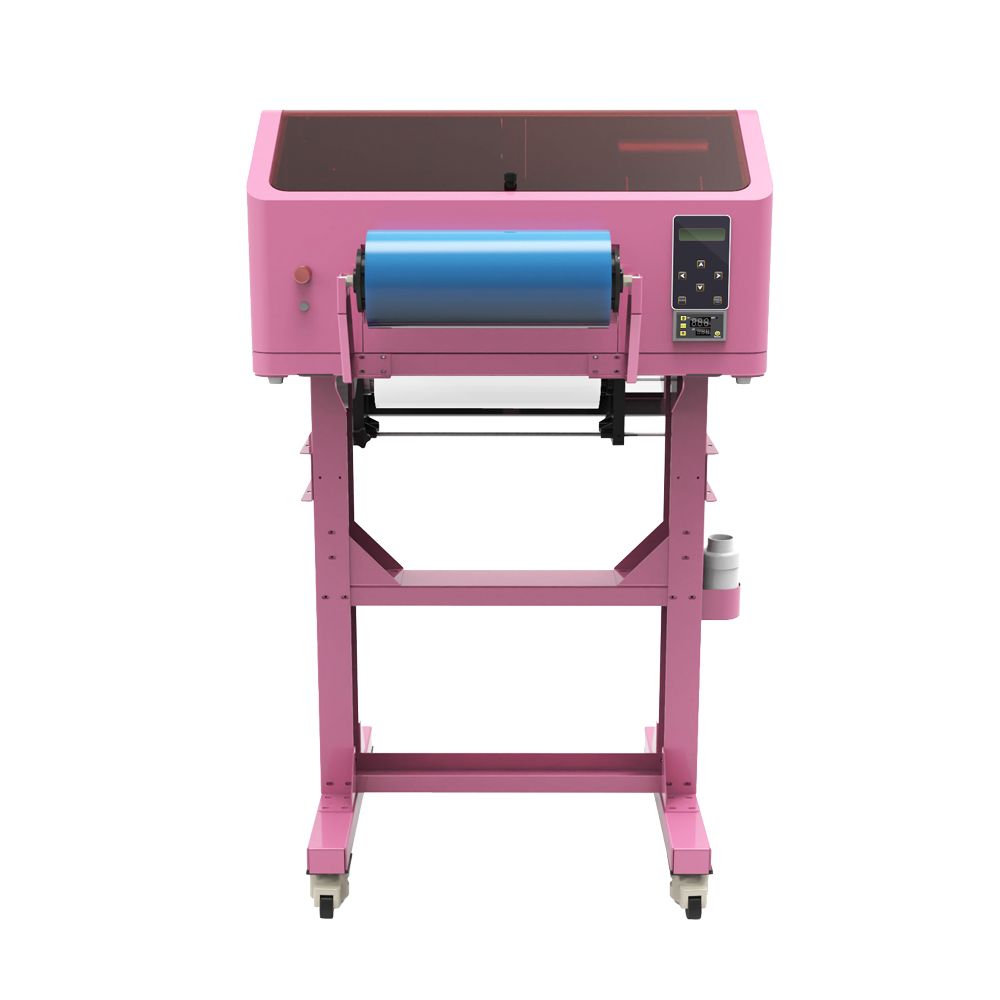
Imprima calcomanías vívidas y en relieve con **CMYK + Blanco + Barniz** en una sola pasada. Sin polvo. Sin horno. Despegue y pegue sobre artículos planos o curvos en minutos.
¿No pudiste encontrar una guía adecuada? ¡Obtenga soporte técnico gratuito ahora!
¡Solo proporcione algunos detalles y lo ayudaremos a obtener cotizaciones rápidas!
Impresora EraSmart
impresora uv
Impresora DTF
Impresora DTG
Máquina de prensa de calor
Impresora publicitaria
Herramientas de impresora
Horno DTF
Revista de actualidad
Máquina de tallado
Taza de transferencia de calor
Maquina laminadora
Consumibles
Tinta de impresión
Estuche para celular
Producto de vidrio
Líquido de limpieza
Bastoncillo de algodón
Contáctenos
WhatsApp: +8618566233796
WeChat: +8618566233796
Móvil: +8618566233796
Web:www.erasmart.com
Comercio:www.erasmartmall.com
envíanos whatsapp
abajo
Deje su correo electrónico y envíe la URL de descarga al correo electrónico.
Solicitar una cotización
¡Solo proporcione algunos detalles y lo ayudaremos a obtener cotizaciones rápidas!