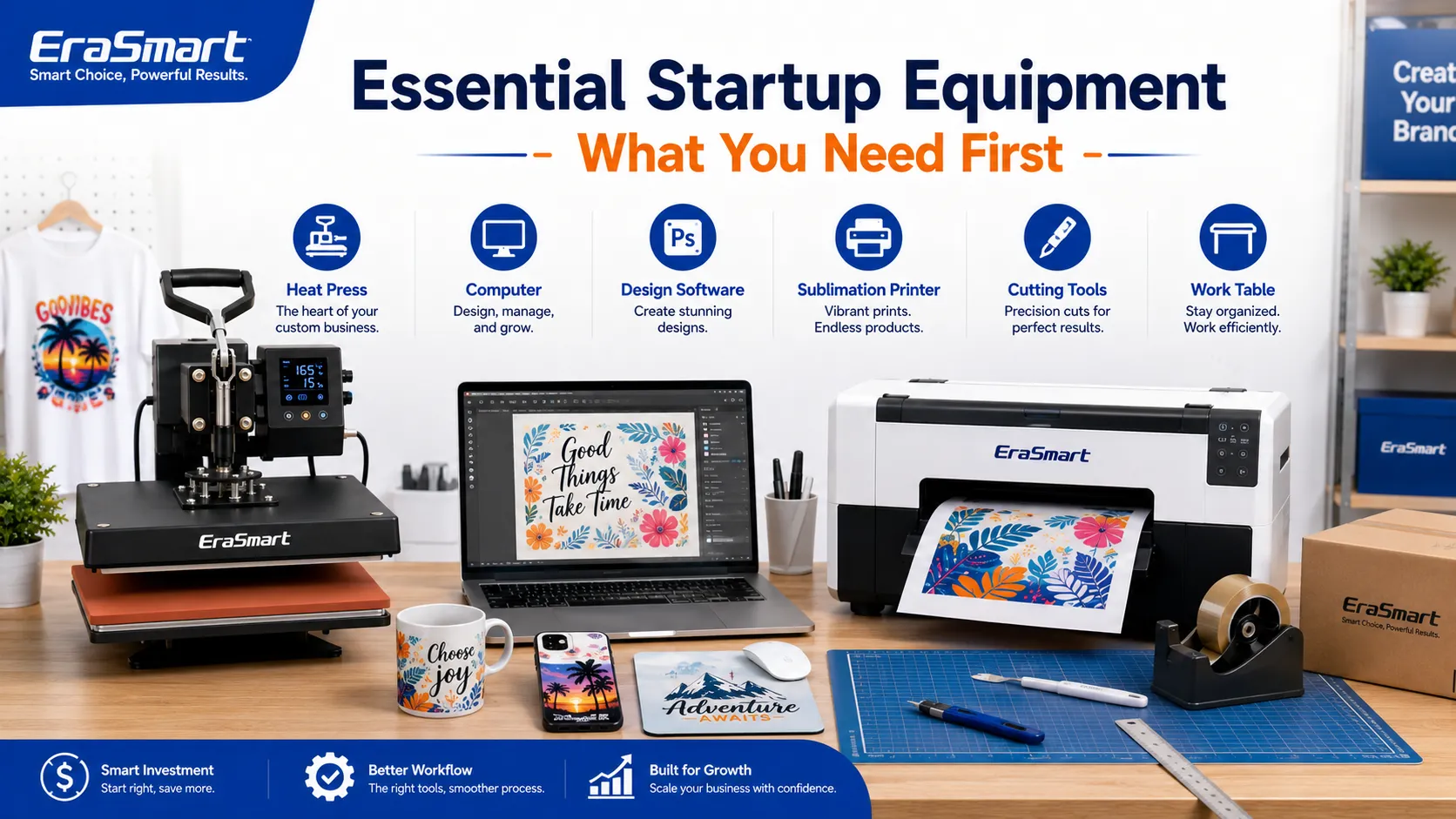
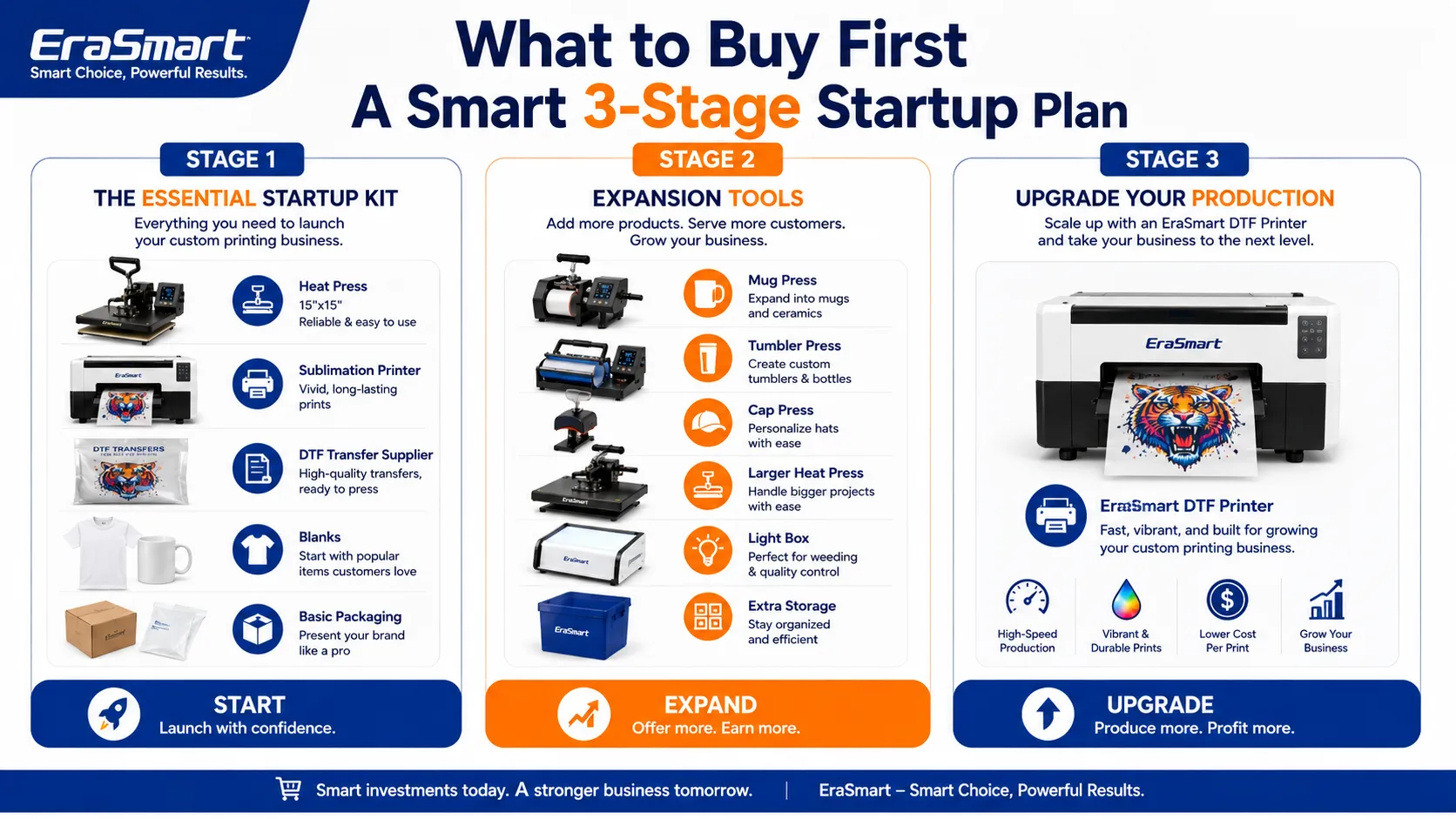
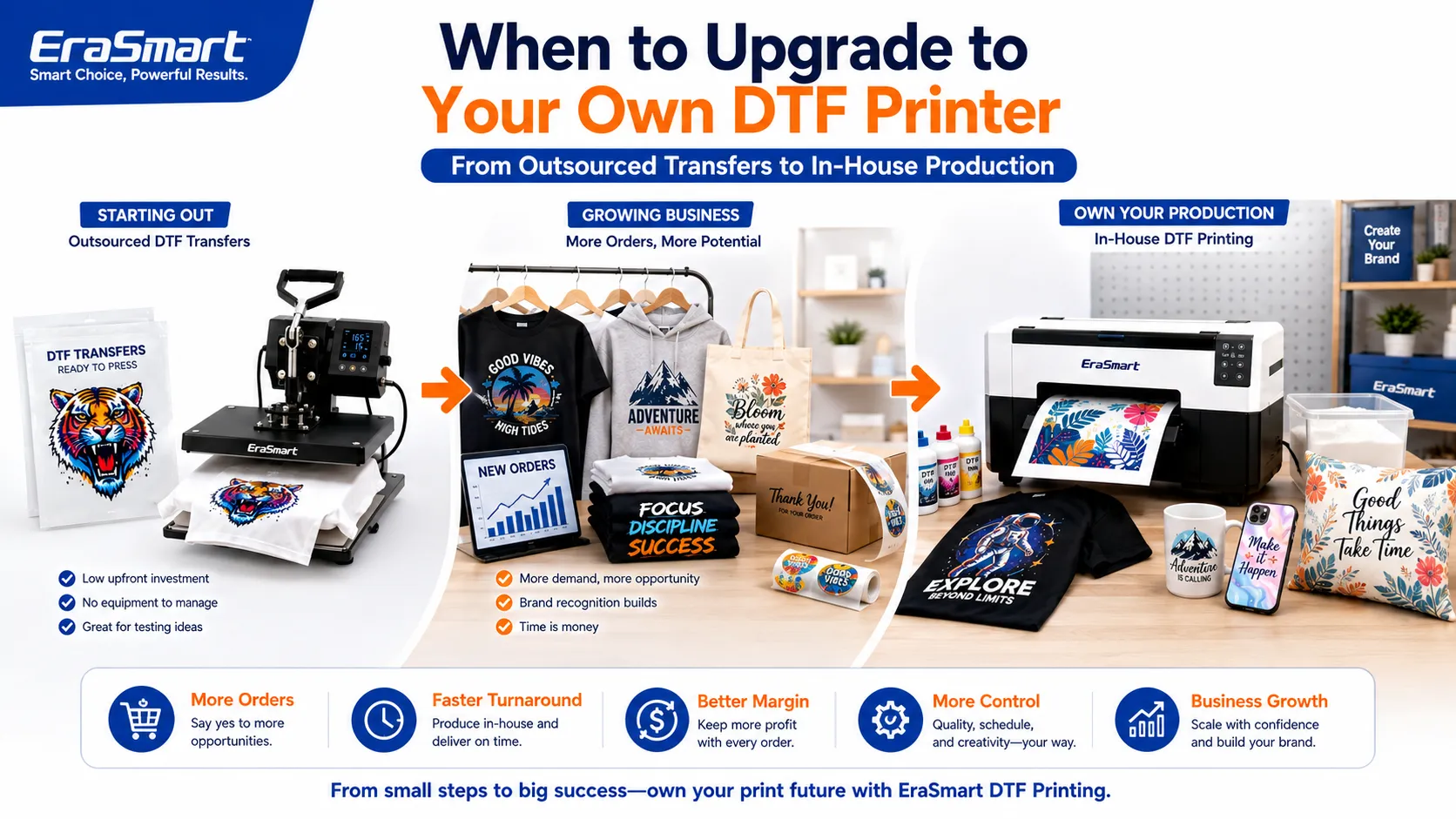
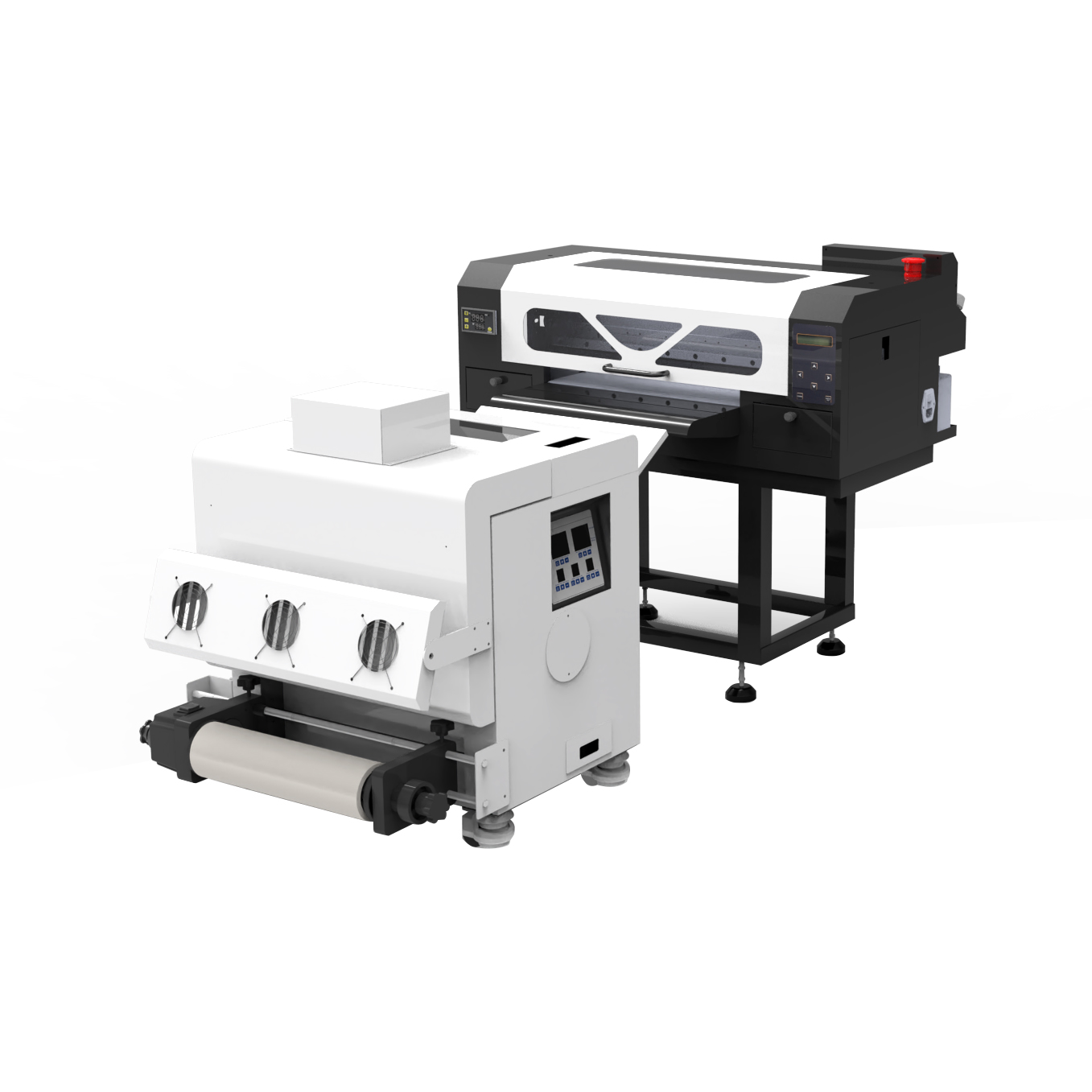
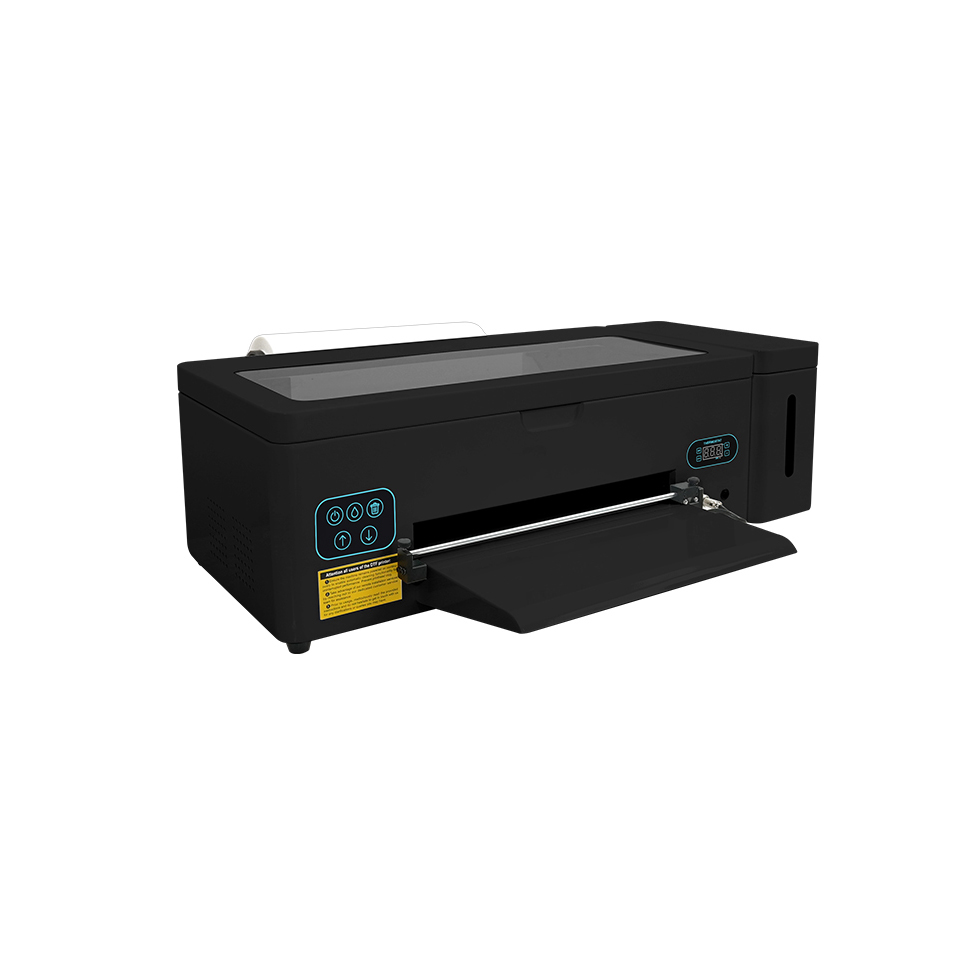
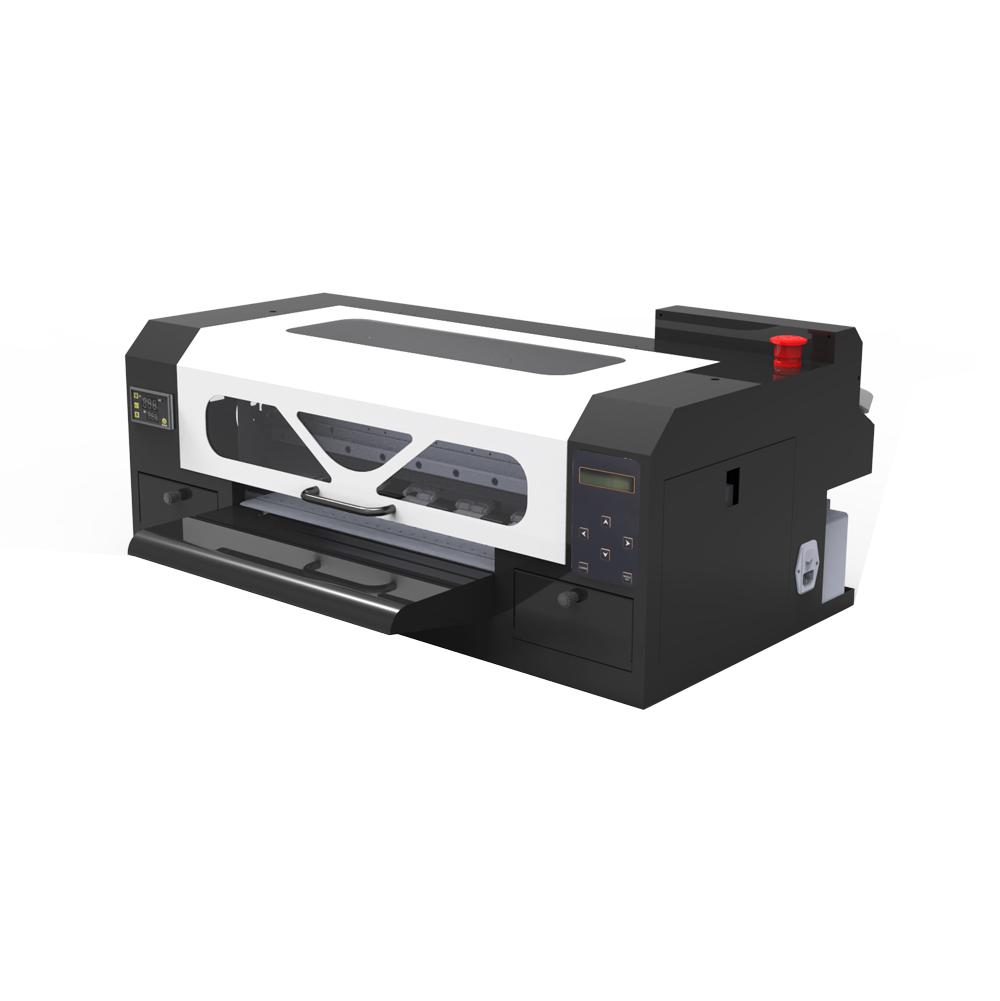
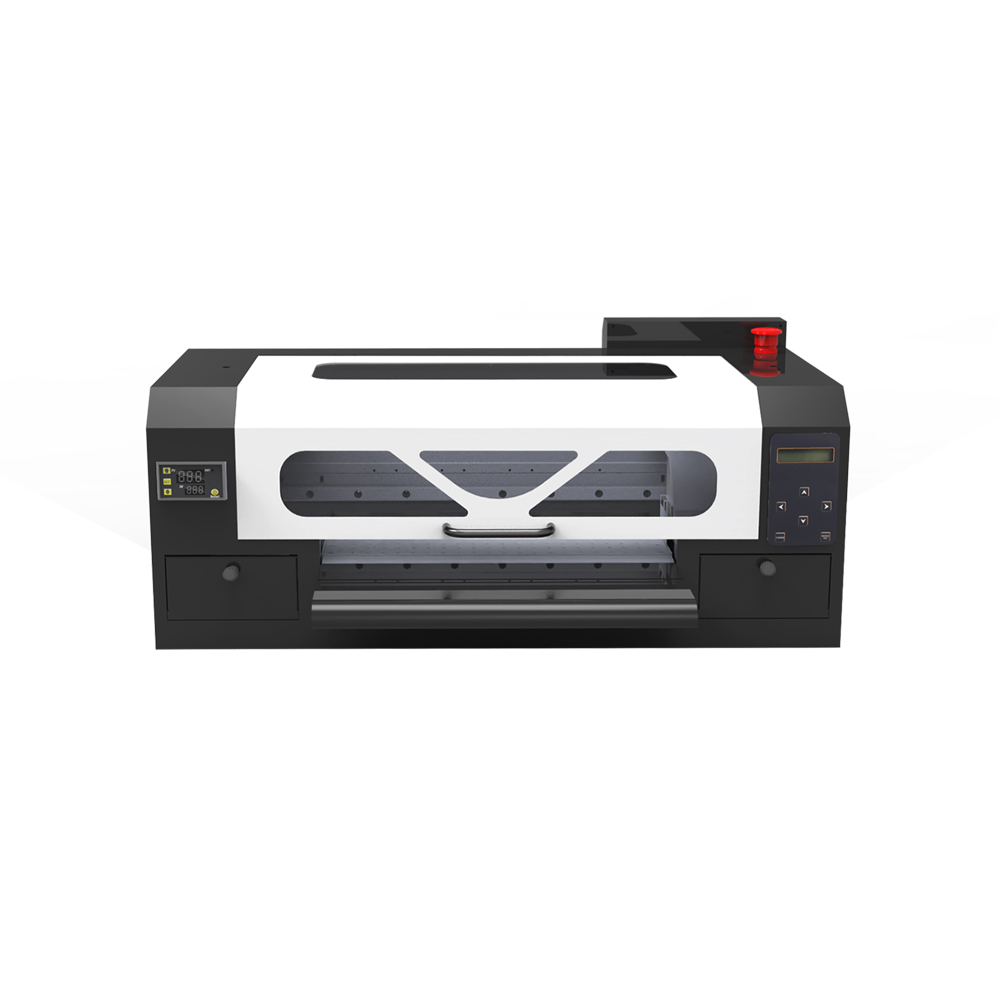
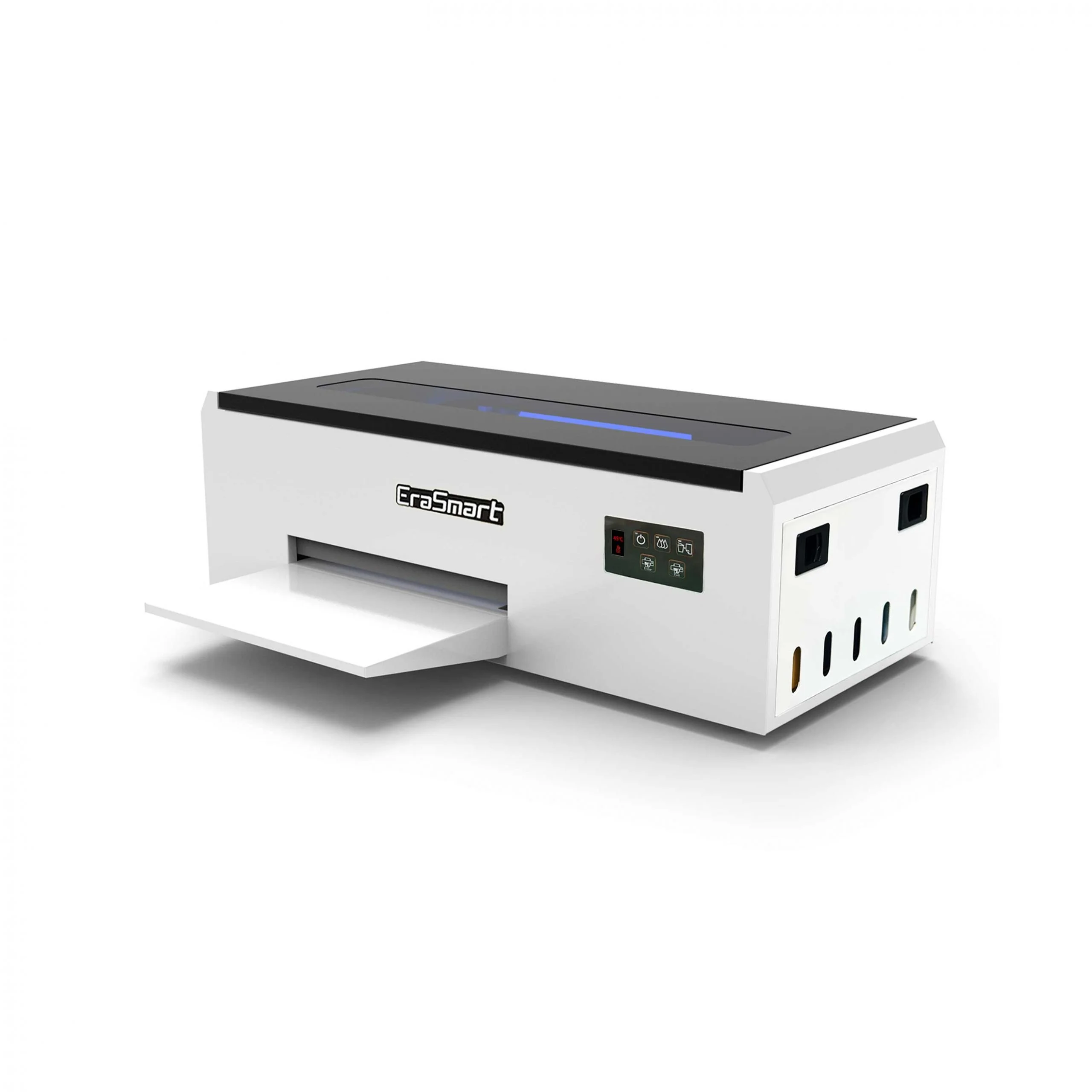
Equipo básico que necesita primero
1. Máquina de prensado en caliente
Una prensa térmica es la máquina más importante en este modelo de negocio. Se utiliza tanto para transferencias DTF como para muchos productos de sublimación.
Para la mayoría de los principiantes, una prensa térmica de 15 x 15 pulgadas o 16 x 20 pulgadas es un tamaño inicial práctico. Una prensa más pequeña puede funcionar para camisas simples, pero puede limitarlo al manejar diseños más grandes, sudaderas con capucha, bolsos de mano o estampados de prendas de gran tamaño.
Al elegir una prensa térmica, preste atención a:
- Distribución uniforme de la temperatura
- Presión estable
- Temporizador preciso
- Panel de control digital confiable
- Estructura de base fuerte
- Fácil ajuste de presión
- Función de apertura automática si tu presupuesto lo permite
- Diseño con cajón o abatible para un funcionamiento más seguro
Una prensa térmica de baja calidad puede provocar malos resultados de transferencia, como descamación, color desigual, adhesión débil, marcas de quemaduras y presión inconsistente.
2. Computadora o computadora portátil
Necesita una computadora para el diseño, la preparación de archivos, la gestión de pedidos, el control de impresión y la comunicación con el cliente.
Los requisitos básicos incluyen:
- Memoria suficiente para el software de diseño.
- Conexión estable USB o Wi-Fi a impresoras
- Pantalla con colores precisos si es posible
- Sistema de almacenamiento de archivos organizado
- Unidad de respaldo o almacenamiento en la nube
Al principio no necesita una estación de trabajo de alta gama, pero sí una computadora confiable que pueda manejar archivos de imágenes y software de diseño sin problemas.
3. Software de diseño
Su software de diseño depende de su nivel de habilidad y tipo de cliente.
Las opciones comunes incluyen:
- Canva para plantillas rápidas y diseños aptos para principiantes
- Adobe Photoshop para edición de fotografías
- Adobe Illustrator para ilustraciones vectoriales
- CorelDRAW para diseño de letreros e impresiones
- Affinity Designer como alternativa de menor costo
El buen diseño es uno de los mayores generadores de beneficios en la impresión personalizada. Los clientes no sólo pagan por la impresión; están pagando por la personalización, el diseño, la corrección del diseño y la conveniencia.
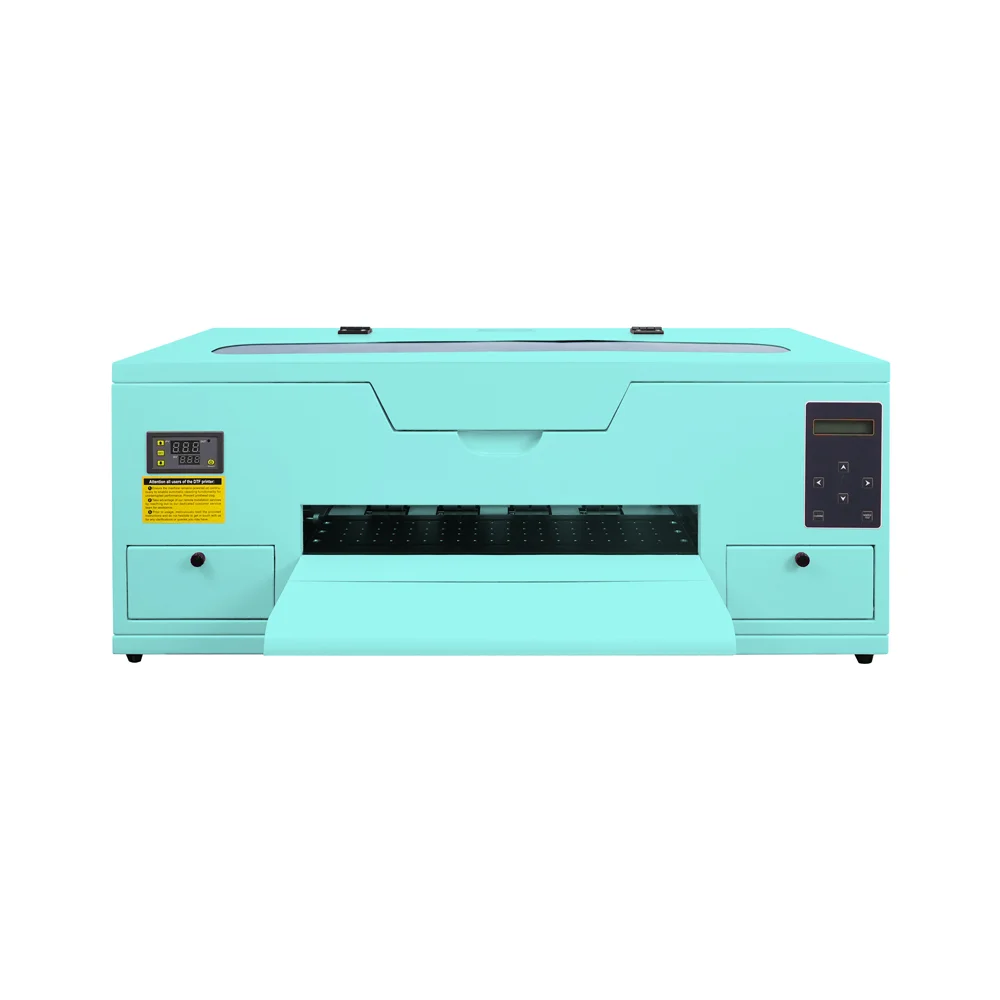
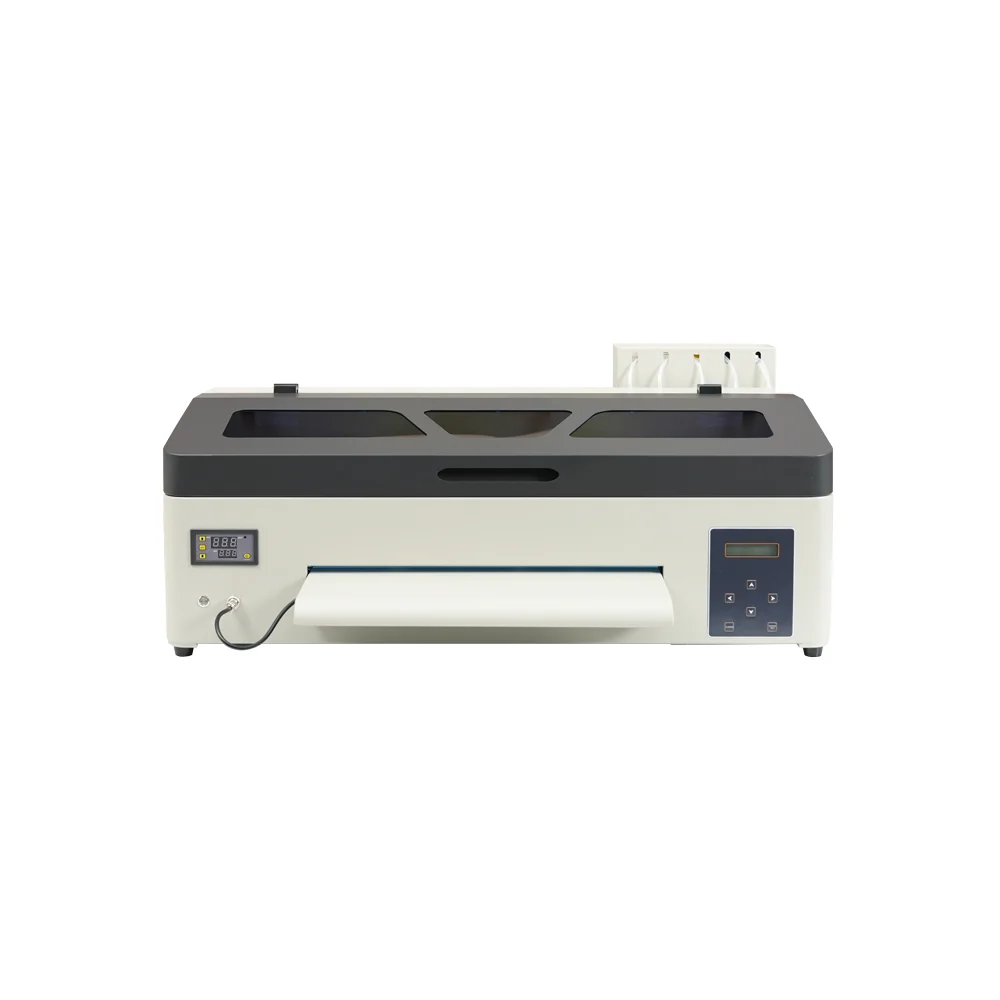
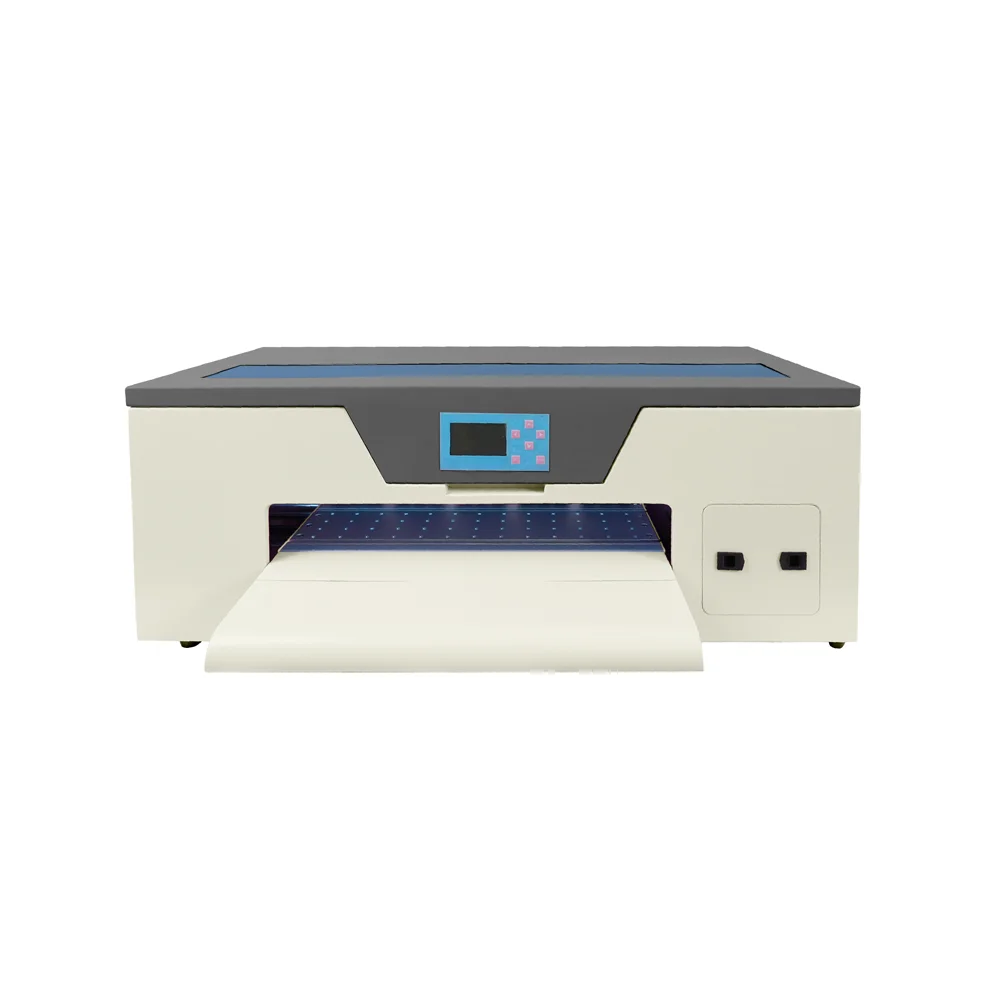
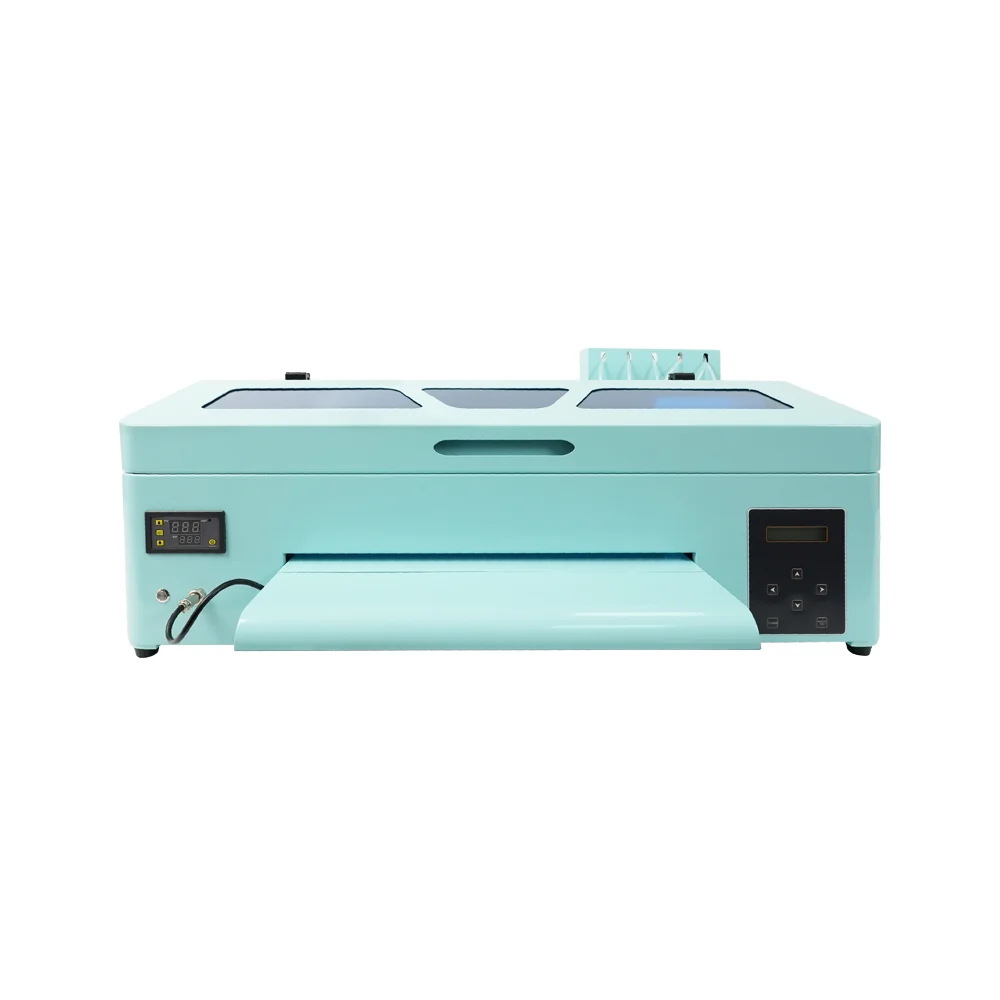
4. Impresora de sublimación
Para productos de sublimación, necesita una impresora de sublimación. Los principiantes suelen empezar con el tamaño A4 o A3.
El tamaño A4 es suficiente para tazas, pequeños obsequios y pequeños gráficos de prendas de vestir. El tamaño A3 le brinda más flexibilidad para impresiones más grandes, alfombrillas para mouse, camisas, fundas de almohadas y múltiples diseños pequeños en una sola hoja.
Al elegir una impresora de sublimación, considere:
- Tamaño de impresión
- Compatibilidad de tinta
- Estabilidad del color
- dificultad de mantenimiento
- costo de la tinta
- Disponibilidad de repuestos
- Soporte de perfil ICC
- Fiabilidad en la alimentación del papel
Si planea imprimir gráficos de prendas más grandes o diseños de varios productos en una sola tirada, el formato A3 suele ser más práctico que el A4.
5. Herramientas de corte básicas
Necesitará herramientas de corte para recortar las transferencias DTF y el papel de sublimación.
Las herramientas recomendadas incluyen:
- Tijeras
- cuchillo artesanal
- tapete de corte
- cortador rotativo
- cortadora de papel
- Gobernante
- Redondeadora de esquinas para productos de regalo
El corte limpio mejora la apariencia del producto y reduce el desperdicio de material.
6. Mesa de trabajo
Su mesa de trabajo debe ser estable, resistente al calor y lo suficientemente grande para poder diseñarla, alinearla, plegarla y empaquetarla.
Una buena configuración puede incluir:
- Una mesa para prensado en caliente.
- Una mesa para preparación y recorte de diseños.
- Una mesa o estante para embalaje.
- Contenedores de almacenamiento para espacios en blanco y transfers
Incluso en un estudio pequeño, el flujo de trabajo es importante. Un espacio de trabajo desordenado ralentiza la producción y aumenta los errores.