Produttore di stampanti a getto

Stampa DTF e stampa a sublimazione: qual è la soluzione migliore per la tua azienda?
31 gennaio 2026 Blog
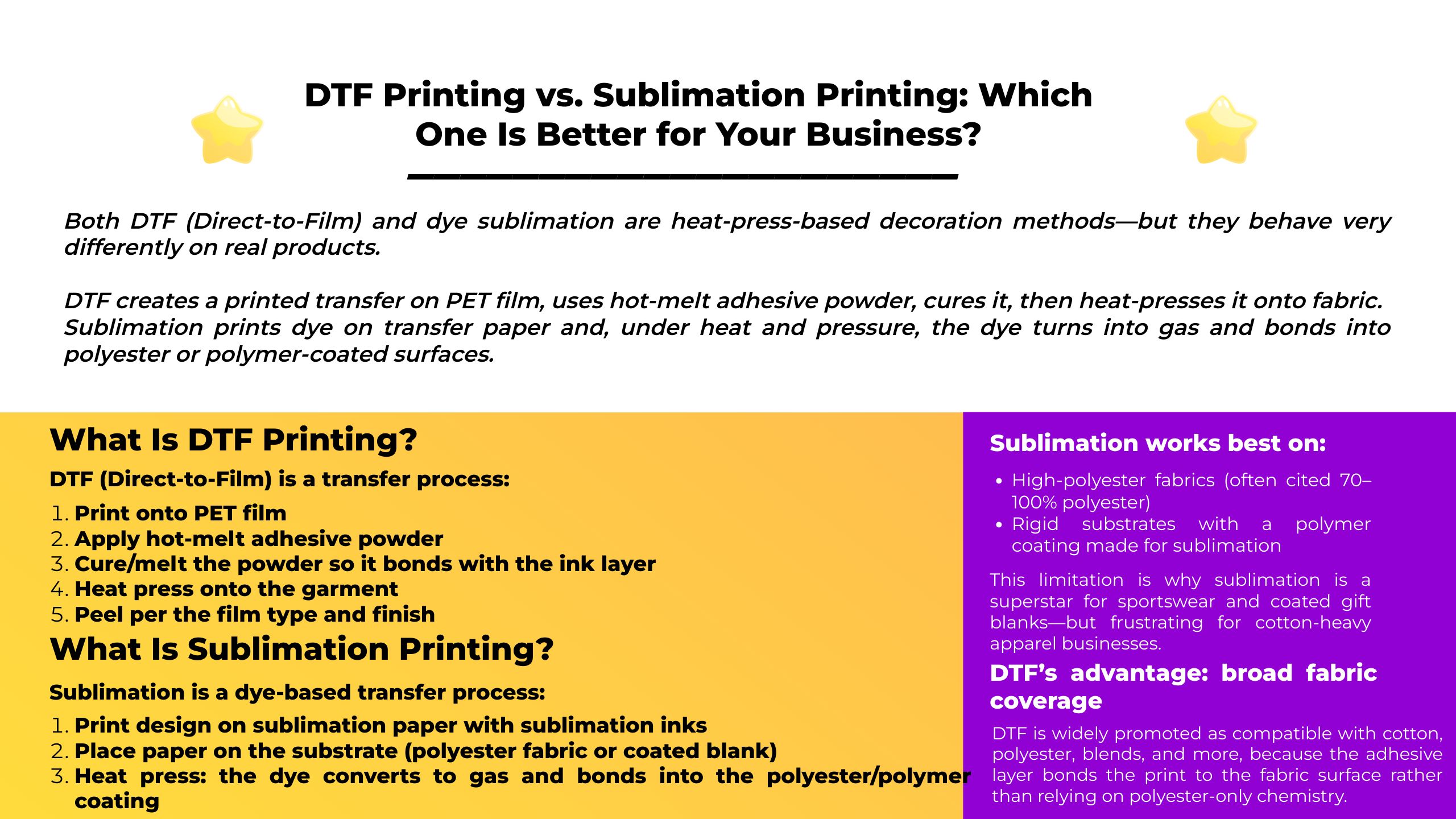
Entrambi DTF (diretto al film) E sublimazione del colore sono metodi di decorazione basati sulla pressa a caldo, ma si comportano in modo molto diverso sui prodotti reali.
- Dtf crea un trasferimento stampato su Film per animali domestici, utilizza polvere adesiva termofusibile, lo polimerizza, quindi lo pressa a caldo sul tessuto.
- Sublimazione le stampe si colorano su carta trasferibile e, sotto calore e pressione, la tintura si trasforma in gas e si lega a superfici rivestite in poliestere o polimero.
Confronto rapido: DTF vs Sublimazione (in breve)
| Categoria | Stampa DTF | Stampa di sublimazione |
|---|---|---|
| Idea fondamentale | Pellicola di trasferimento + strato adesivo pressato sul tessuto | Il colorante si trasforma in gas e si lega al rivestimento in poliestere/polimero |
| Funziona meglio su | Cotone, poliestere, miscele (molto flessibile) | Tessuto in poliestere e grezzi rivestiti in polimero (limitato) |
| Indumenti scuri | Opzione forte (può stampare con il bianco) | Generalmente non ideale (la tintura è traslucida; migliore su colori chiari) |
| Senti sul tessuto | Sensazione di "strato di trasferimento" (può essere morbido quando accordato) | Praticamente nessuna sensazione: l'inchiostro diventa parte del tessuto |
| Modalità di durabilità | Si siede in cima; dipende dalla pressatura + polimerizzazione dell'adesivo | Incorporato nel materiale; non si crepa/si stacca come le stampe superficiali |
| Prodotti tipici | T-shirt, felpe con cappuccio, indumenti da lavoro, tessuti misti | Abbigliamento sportivo, disegni all-over in poliestere, tazze/piatti/pannelli rivestiti |
| Attrezzatura extra | Spolverizzazione + polimerizzazione (o shaker/forno) + pressa a caldo | Stampante a sublimazione + carta + pressa a caldo (più fogli rivestiti) |
| La soluzione migliore per gli affari | Negozi di abbigliamento personalizzato con vari tipi di indumenti | Abbigliamento in poliestere + confezioni regalo rivestite + design a copertura totale |
Il grande separatore è materiali: la sublimazione necessita fondamentalmente della chimica del poliestere/polimero, mentre il DTF è progettato per il trasferimento su una serie di tessuti molto più ampia.
Cos'è la stampa DTF?
DTF (Direct-to-Film) è un processo di trasferimento:
- Stampa su Film per animali domestici
- Fare domanda a polvere adesiva termofusibile
- Polimerizzare/sciogliere la polvere in modo che si leghi allo strato di inchiostro
- Pressa a caldo sull'indumento
- Staccare in base al tipo di pellicola e alla finitura
Questo flusso di lavoro "film + polvere + polimerizzazione + pressa" è spiegato in molte guide passo passo ed è il motivo per cui DTF è popolare tra i negozi di abbigliamento che necessitano di flessibilità.
Ciò di cui in genere hai bisogno per DTF
- Stampante DTF (spesso CMYK + bianco)
- Film di trasferimento di animali domestici
- Polvere hot-melt + metodo di polimerizzazione (forno/essiccatore/sistema shaker)
- Pressa a caldo
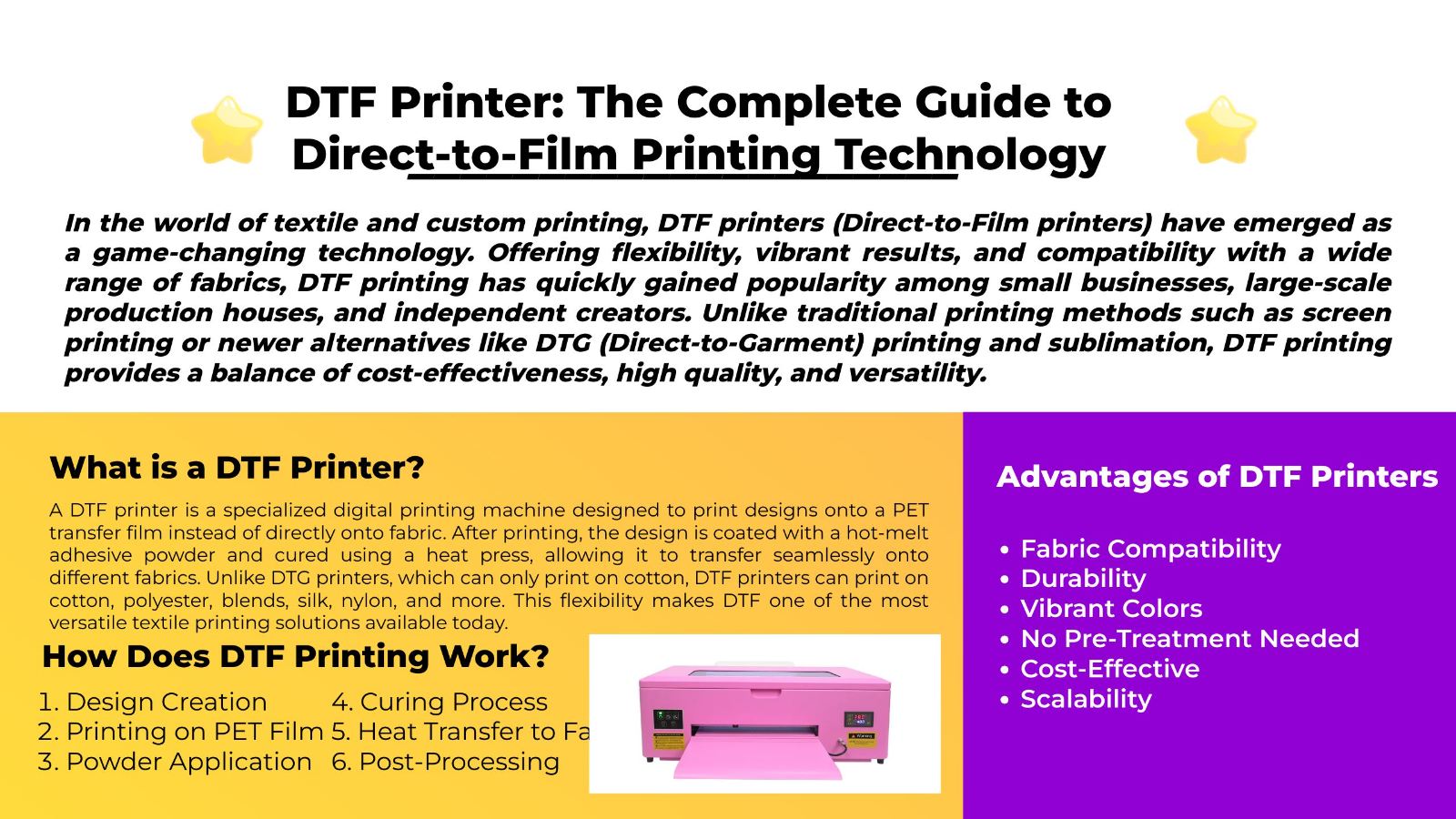
Ulteriori informazioni sulla stampante DTF: Stampante DTF: la guida completa alla tecnologia di stampa diretta a film
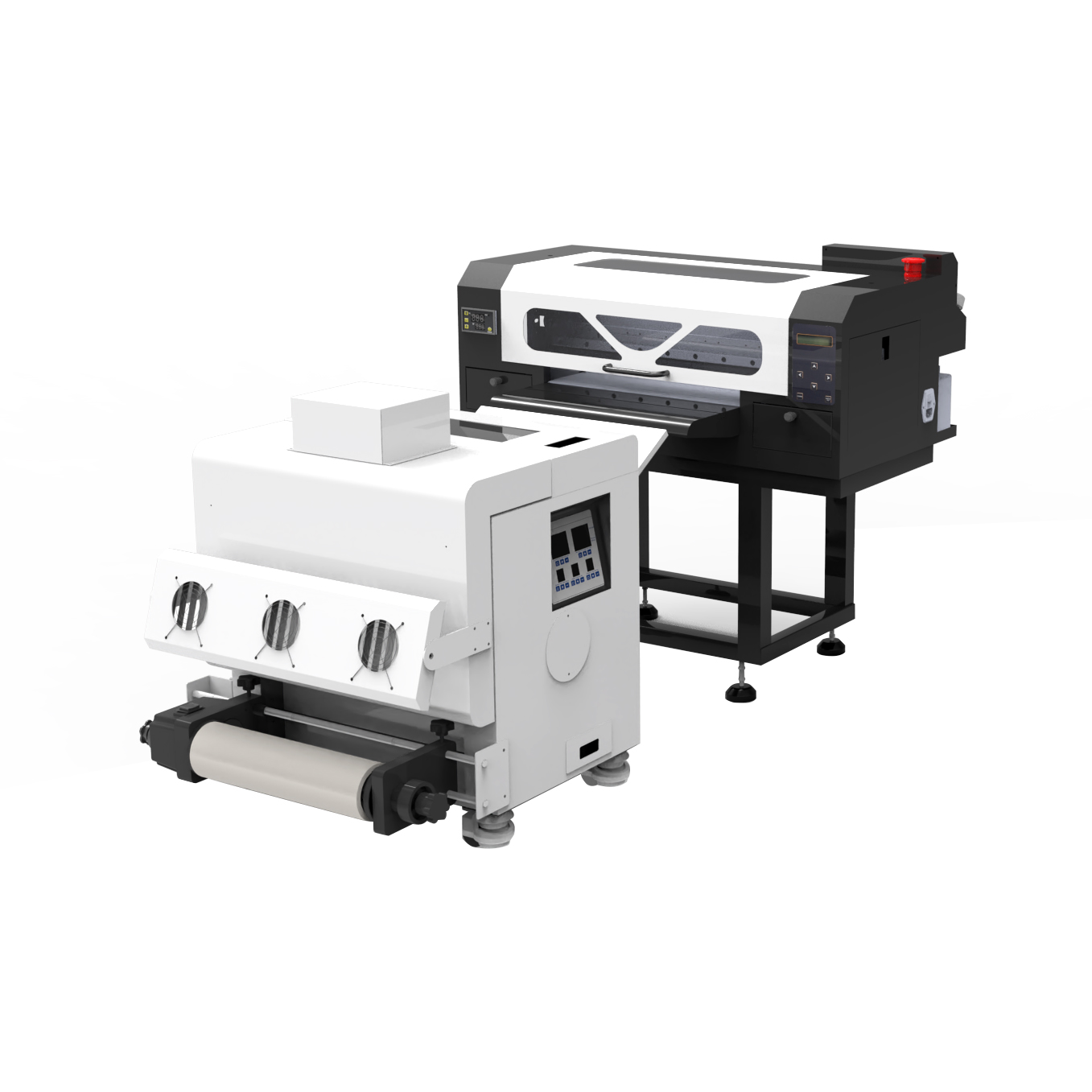
Una soluzione pronta per la produzione progettata per i negozi che necessitano di una maggiore produttività e di un flusso di lavoro più automatizzato.
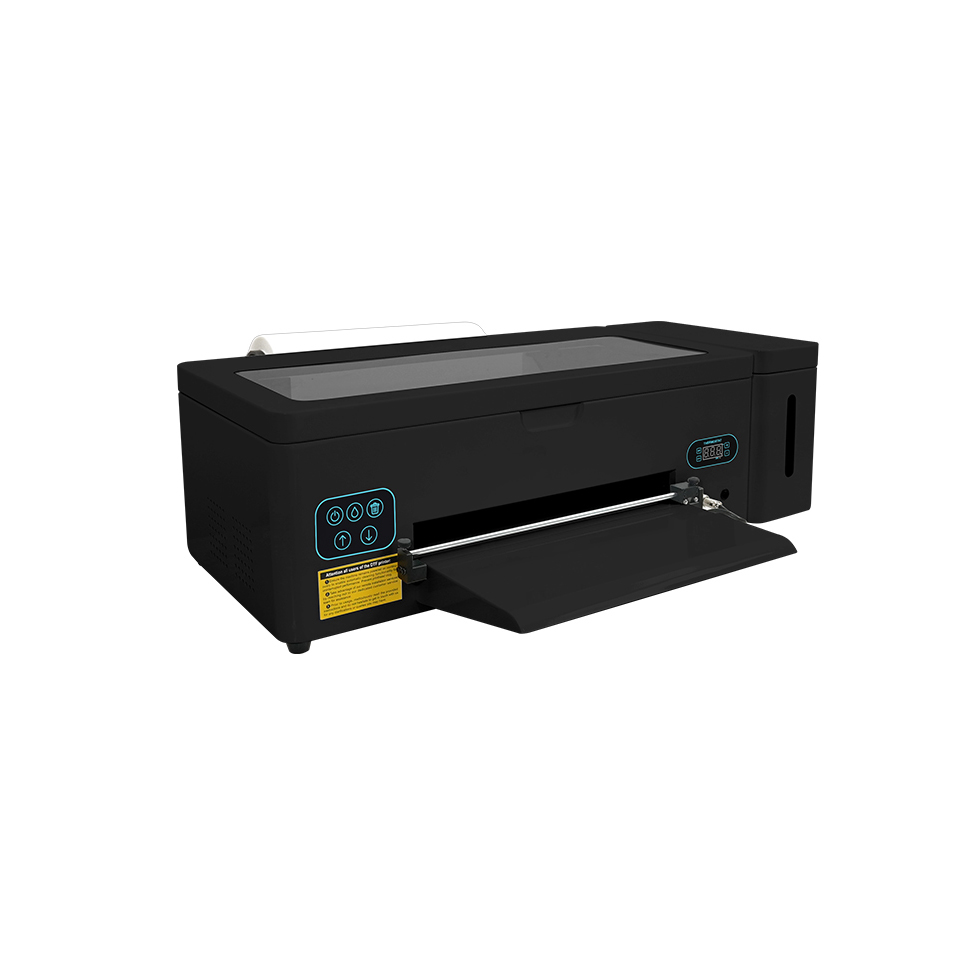
Una scelta pratica per startup e piccoli studi che desiderano risultati affidabili senza investimenti eccessivi.
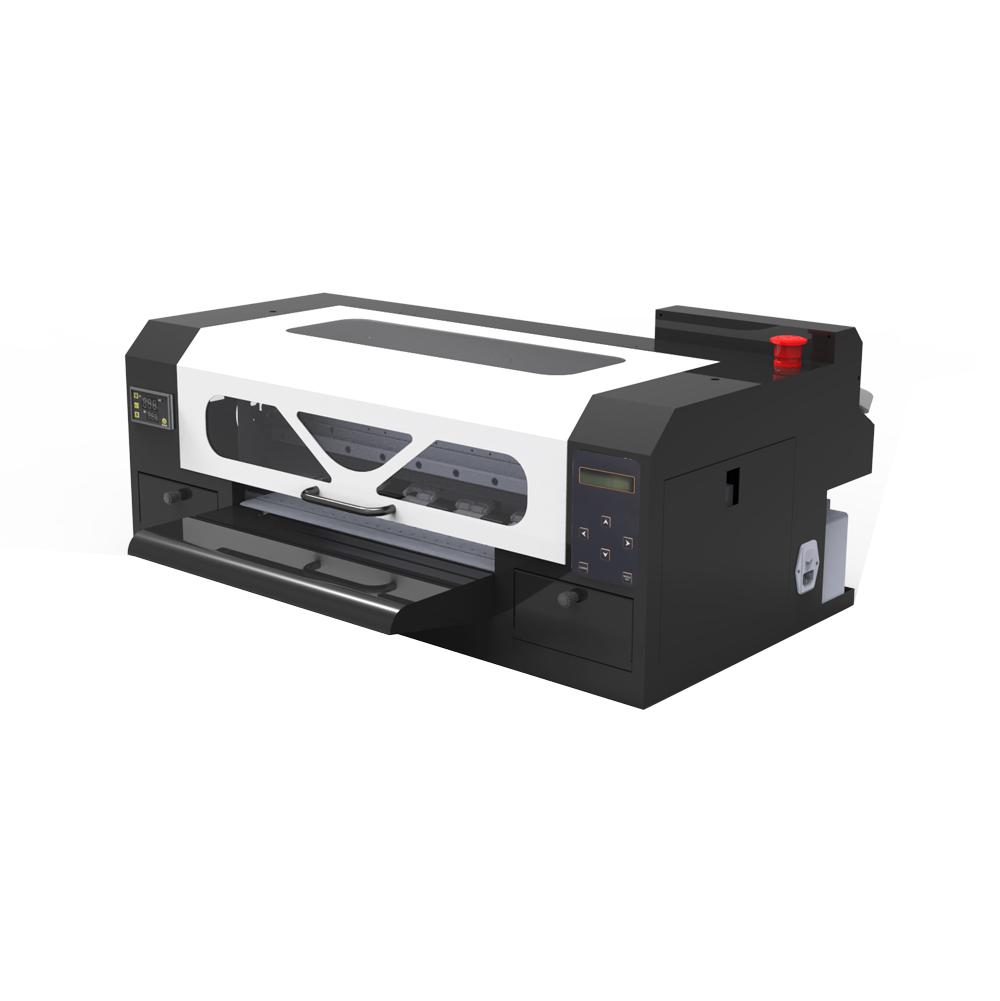
Prestazioni bilanciate per centri stampa che necessitano di velocità e risultati stabili in un formato A3.
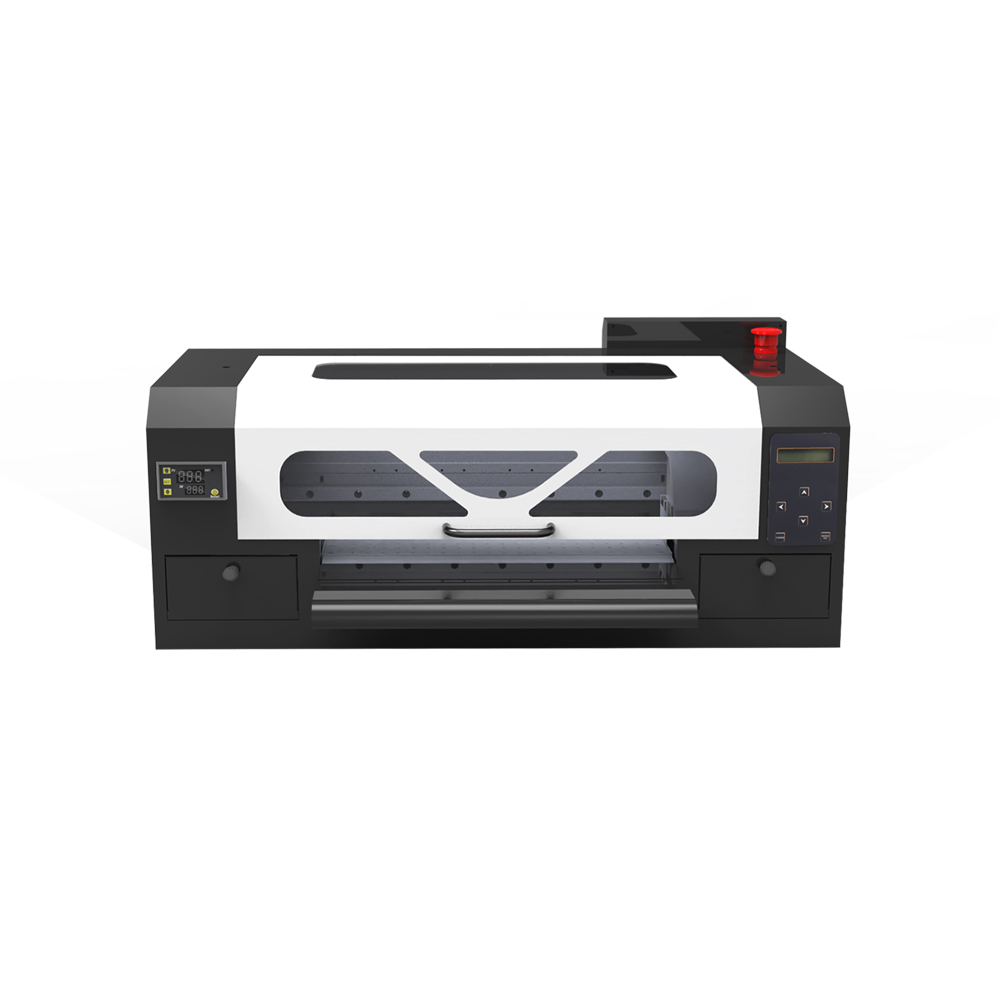
Progettato per gli utenti che danno priorità ai dettagli precisi, alle sfumature uniformi e alla sensazione di stampa premium.
Un modello A3 affidabile per una produzione giornaliera costante, popolare per le routine di produzione delle piccole imprese.
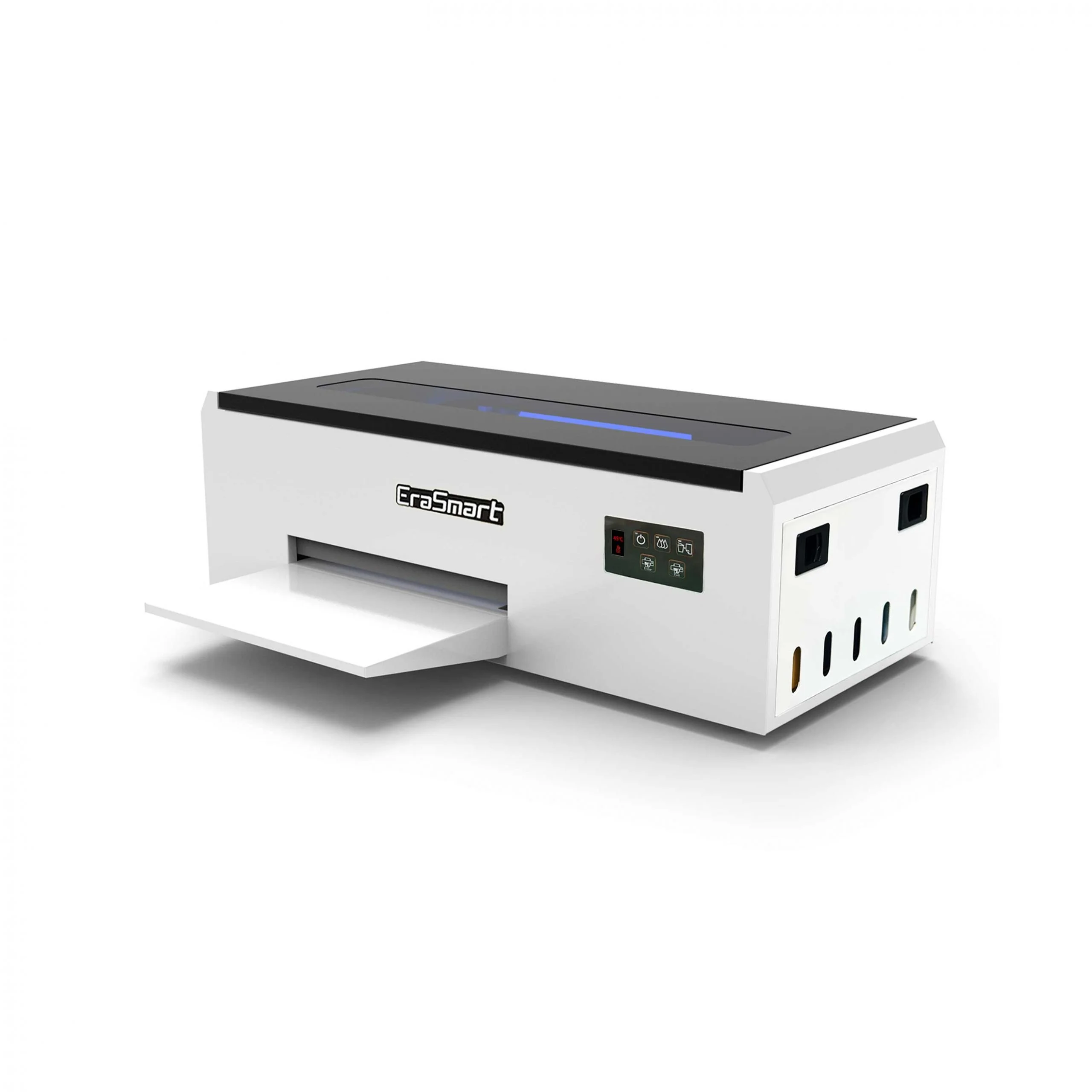
Modello entry-level compatto perfetto per startup e produzione di piccoli batch.
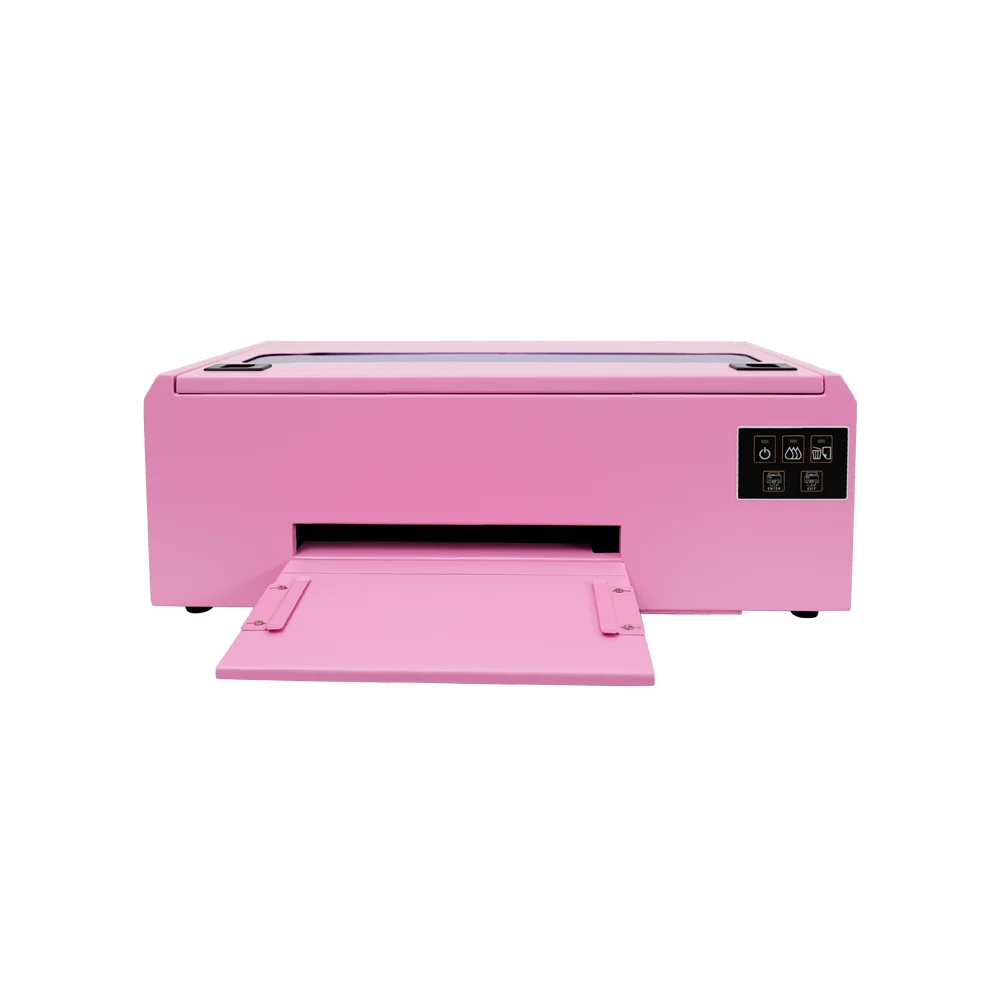
Modello A4 migliorato con una migliore efficienza dell'inchiostro per la produzione giornaliera su piccola scala.
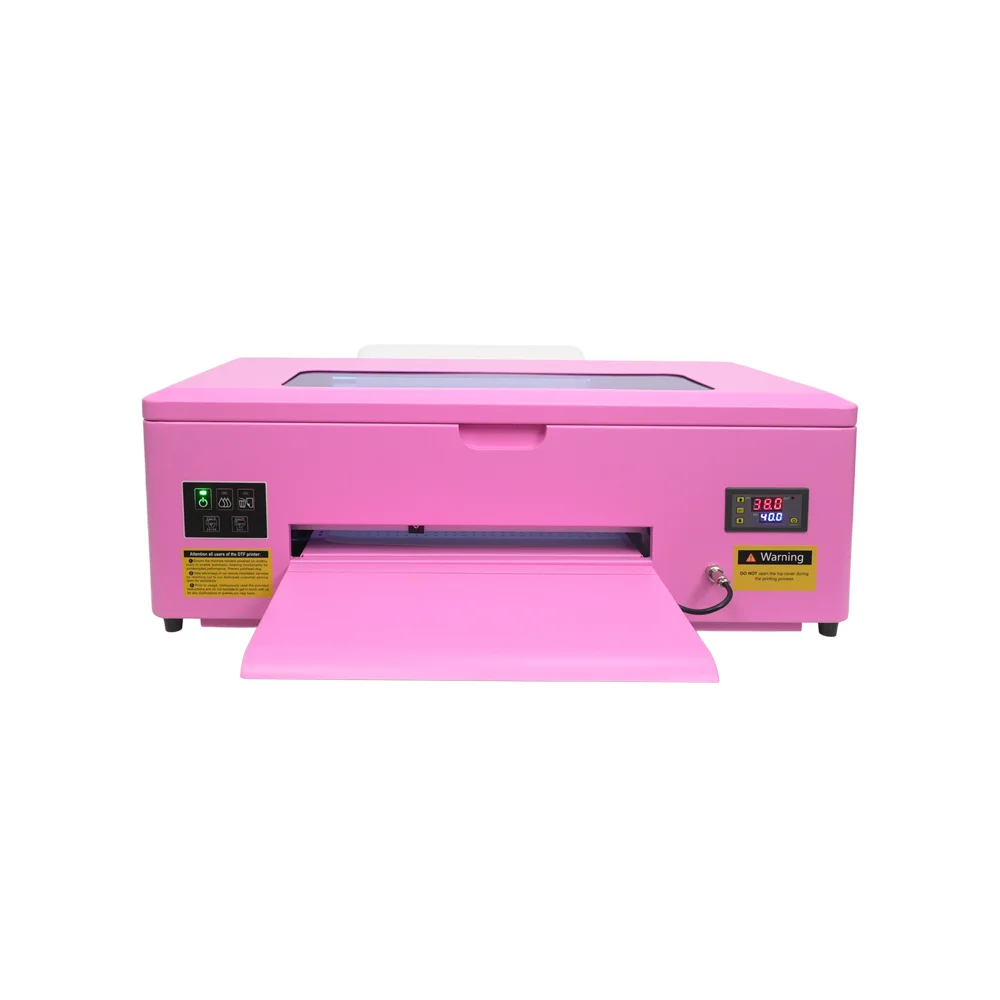
Stampante in formato A3 con scheda madre R1390 affidabile per la produzione media.
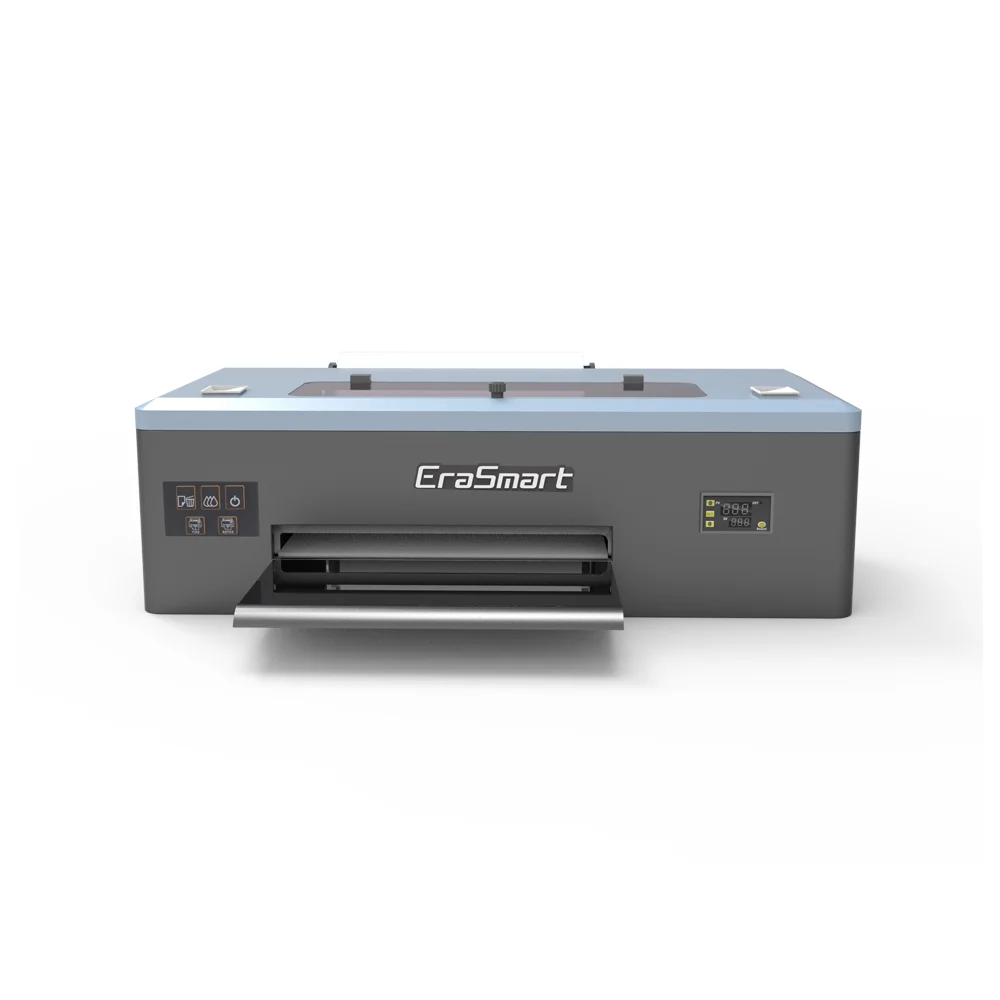
Modello A3 standard con serbatoi di inchiostro da 250 ml per un funzionamento quotidiano costante.
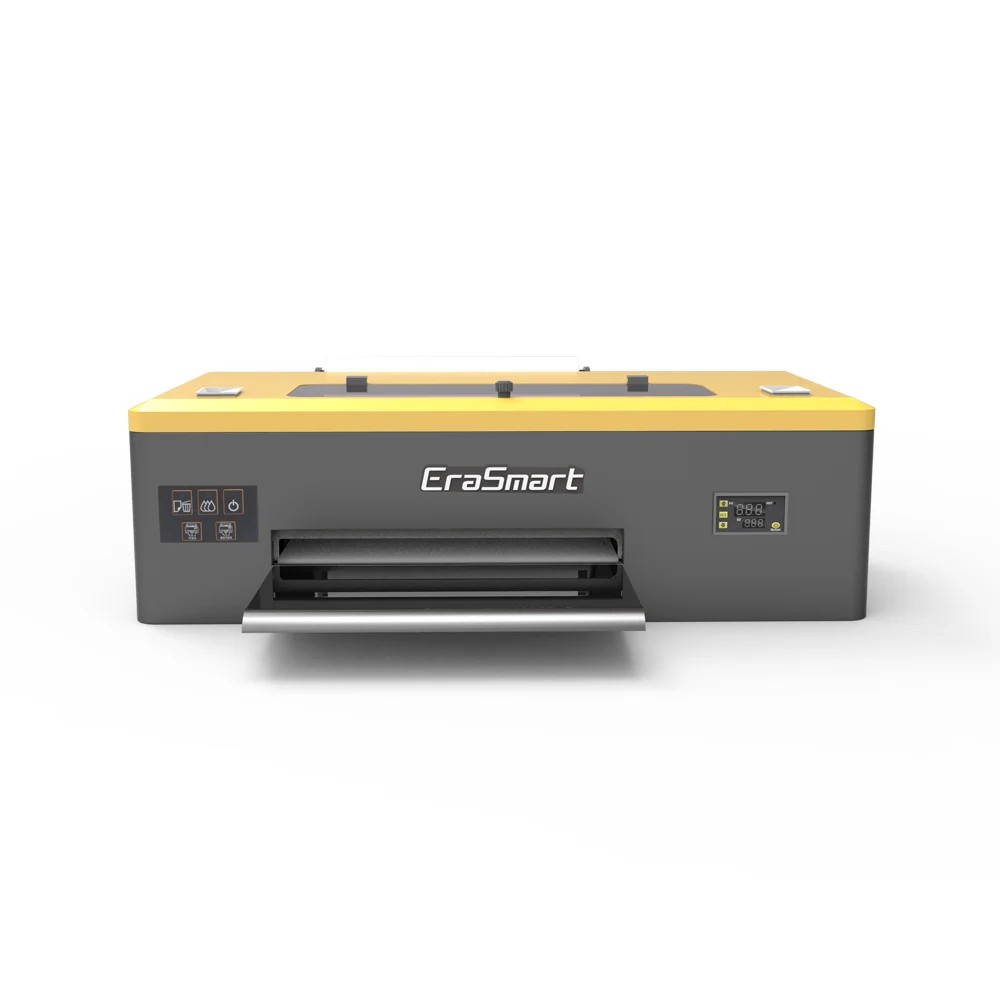
L1800 Modello di testa di stampa che offre una riproduzione di colori superiori per design dettagliati.
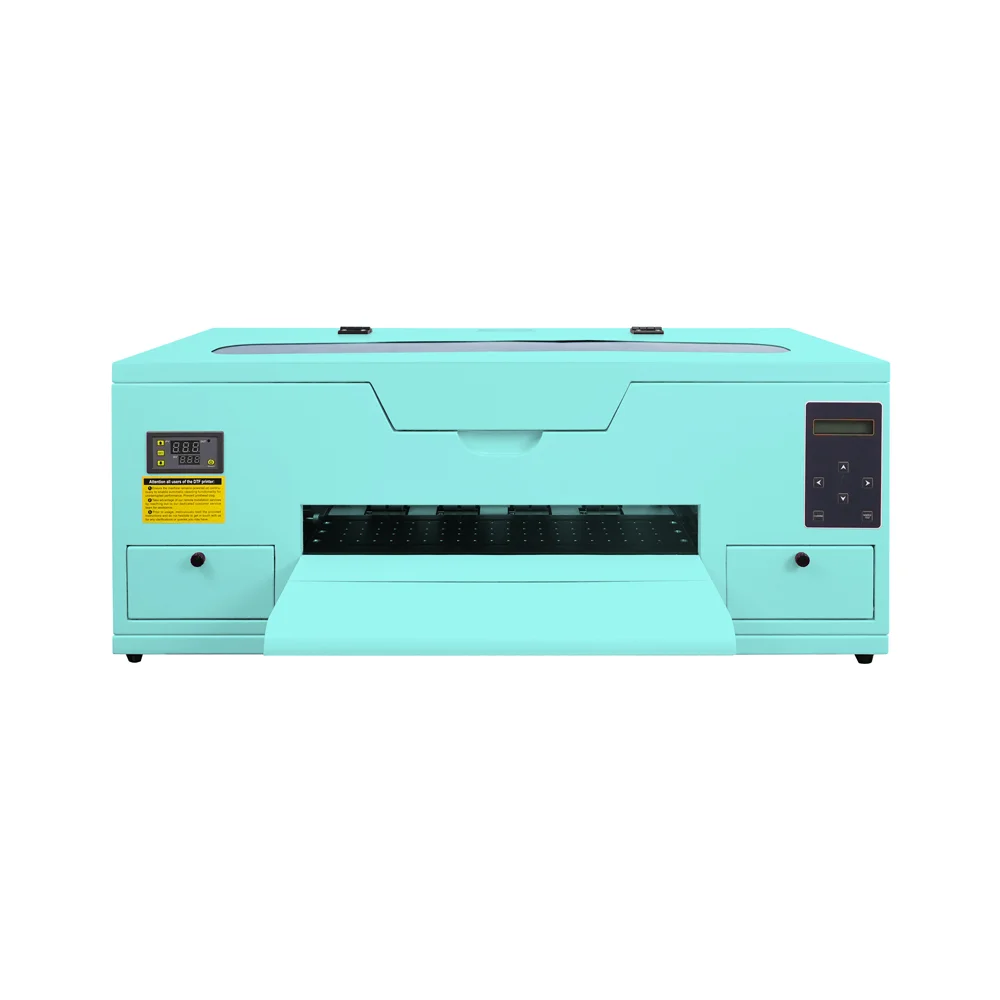
Serie A3 Max con testa di stampa XP600 per una maggiore velocità ed efficienza.
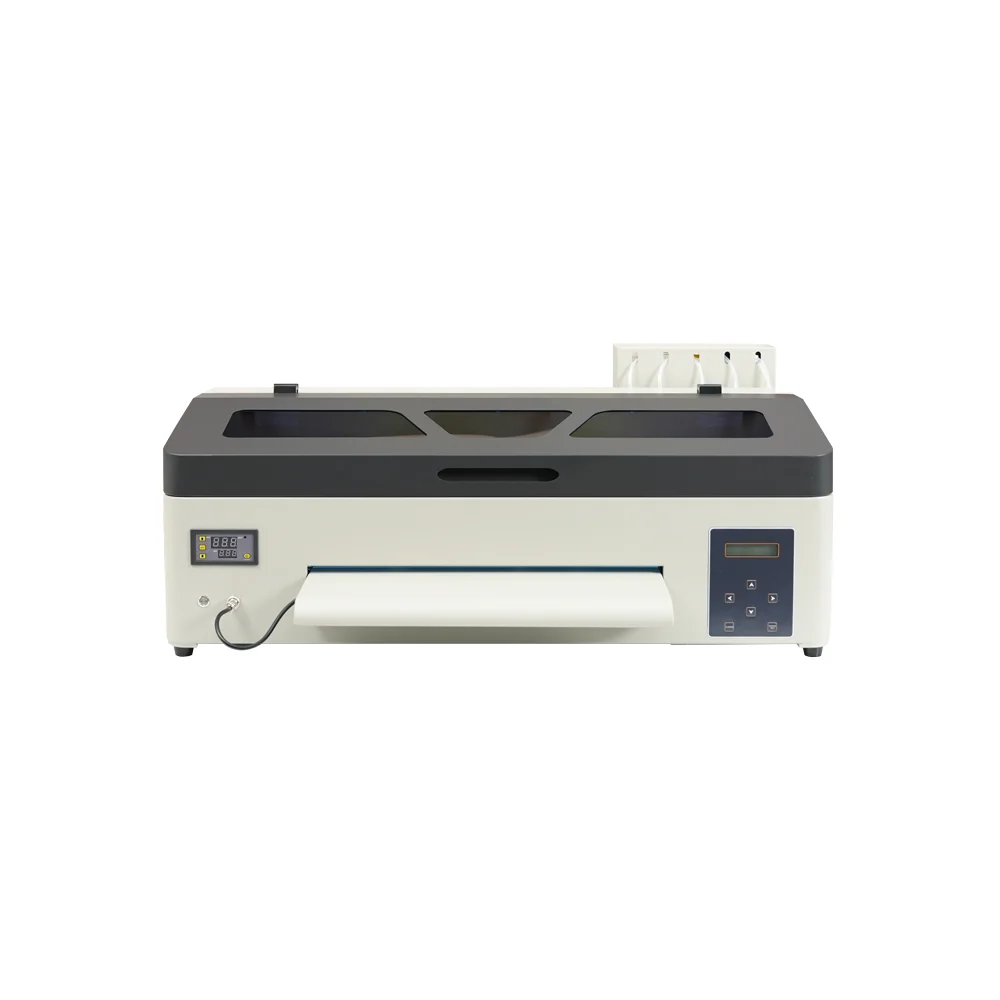
Stampante A3 Max DTF
Modello A3 ad alte prestazioni con testa di stampa DX7 per risultati professionali.
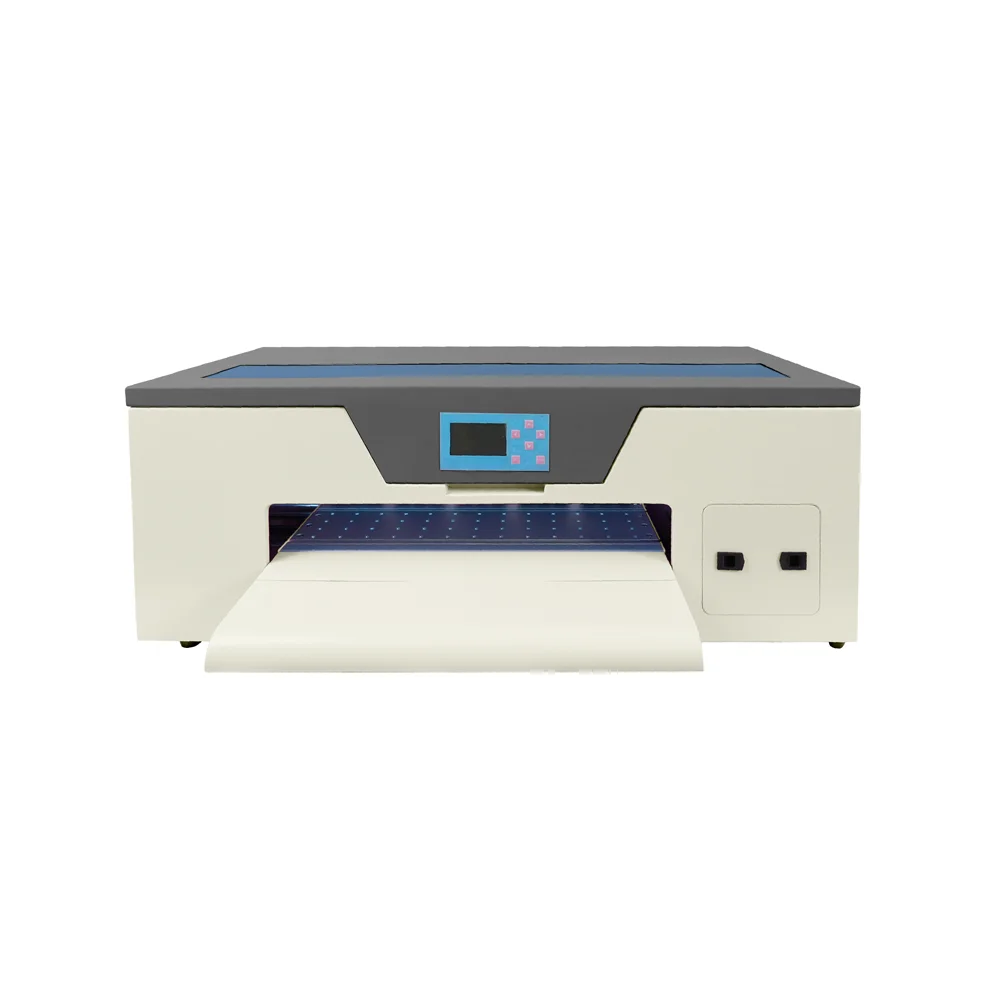
Modello A3 ad alte prestazioni con testa di stampa XP600 per risultati professionali.
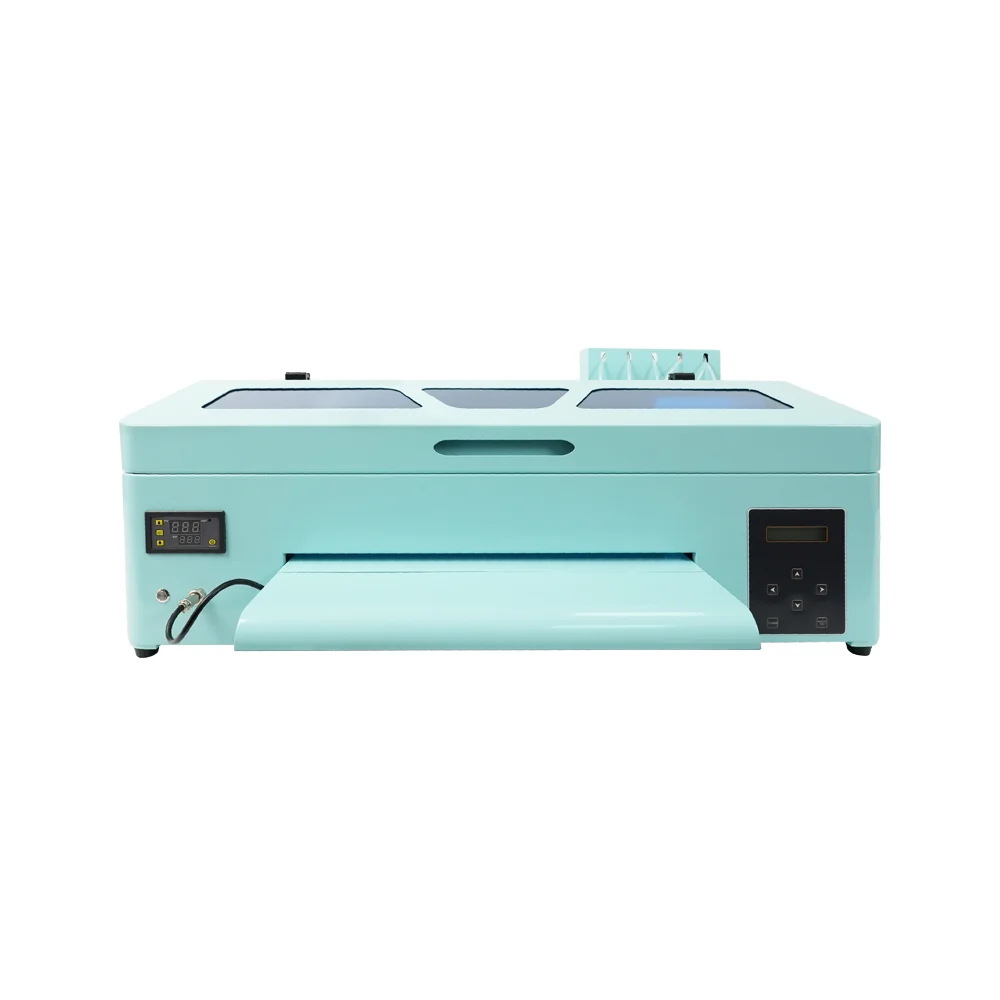
Stampante a doppia stampa professionale A3 per la produzione ad alto volume.
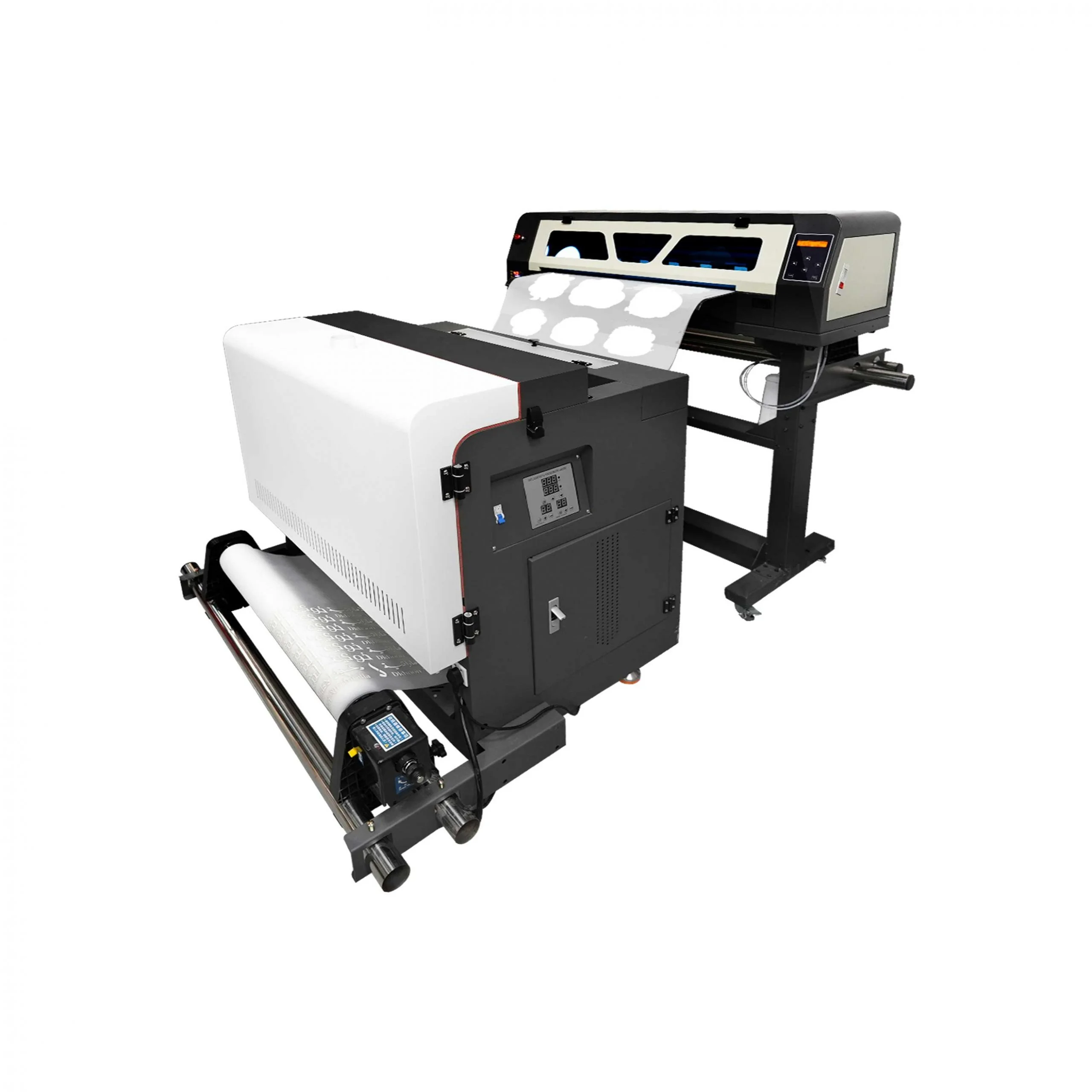
Stampante industriale a formato largo con doppie teste XP600 (larghezza 620 mm).
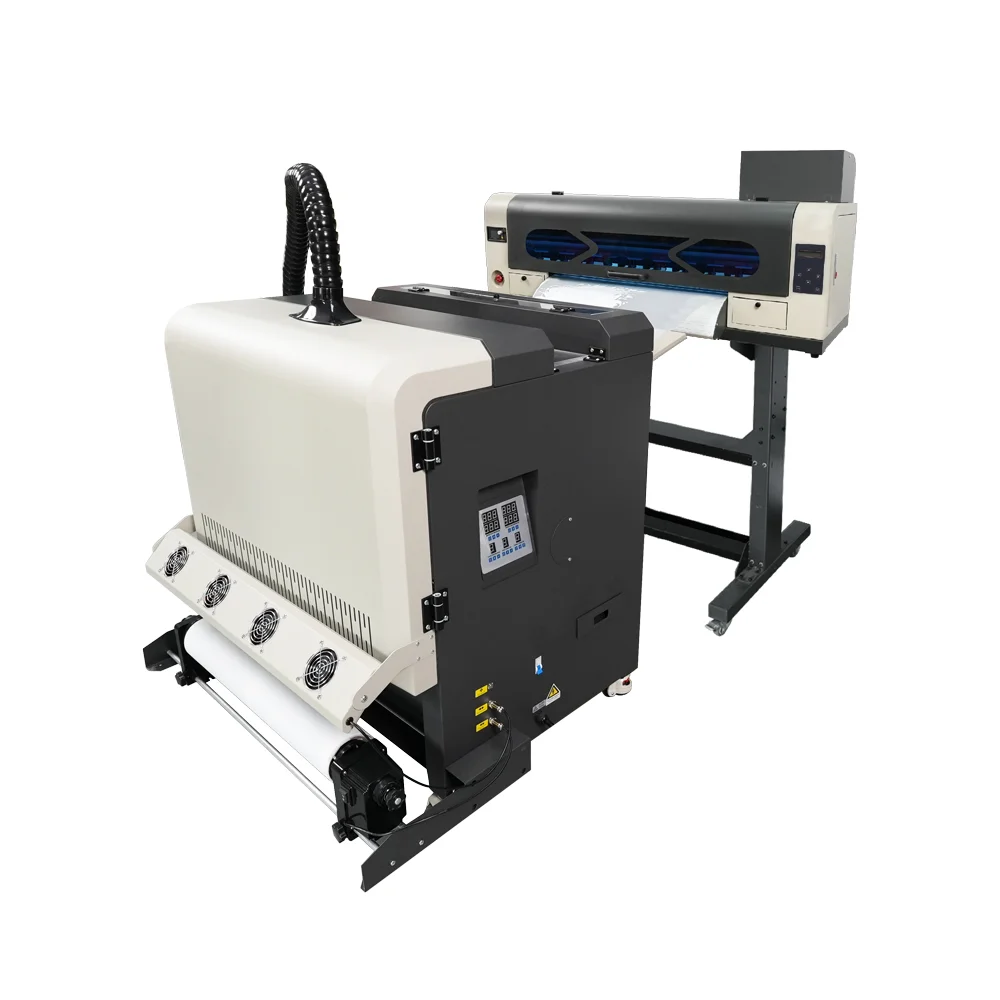
Modello industriale ad alta velocità con doppie teste I1600 (uscita 10㎡/h).
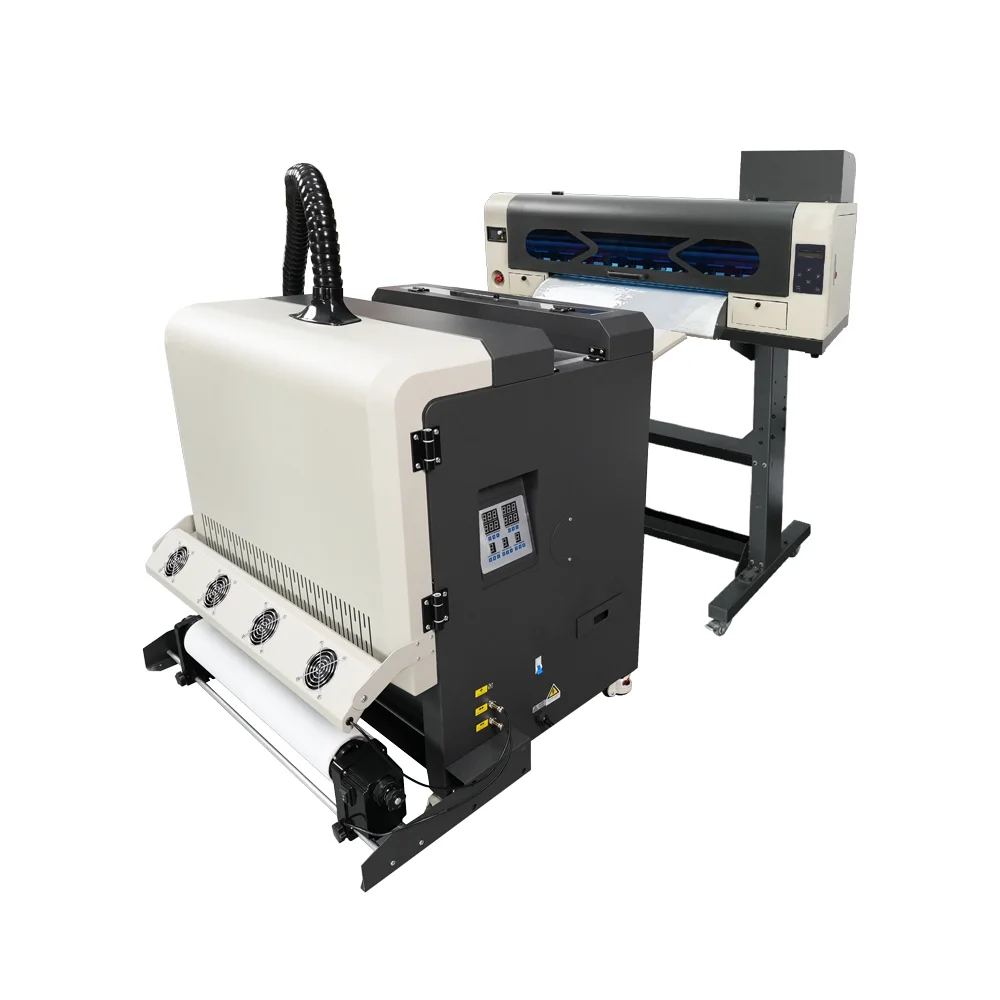
Stampante industriale premium con doppie teste i3200 per la massima produttività.
Cos'è la stampa a sublimazione?
La sublimazione è un processo di trasferimento basato su coloranti:
- Stampa il disegno carta sublimatica con inchiostri sublimatici
- Posizionare la carta sul supporto (tessuto di poliestere o foglio rivestito)
- Pressa a caldo: il colorante si trasforma in gas e si lega al rivestimento in poliestere/polimero
Molte spiegazioni descrivono la sublimazione che avviene attorno al range tipico della pressa a caldo (spesso citata intorno 350–400 °F) dove il colorante effettua una transizione e penetra nelle superfici di poliestere/polimero.
Ciò di cui normalmente hai bisogno per la sublimazione
- Impostazione stampante/inchiostro a sublimazione
- Carta per sublimazione
- Pressa a caldo
- Indumenti in poliestere o rivestito in polimero grezzi (tazze, targhe, pannelli metallici rivestiti, ecc.)
Compatibilità dei materiali: il fattore decisionale n. 1
Il limite estremo della sublimazione: articoli rivestiti in poliestere o polimero
La sublimazione funziona meglio su:
- Tessuti ad alto contenuto di poliestere (spesso citato 70-100% poliestere)
- Substrati rigidi con rivestimento polimerico realizzato per la sublimazione
Questa limitazione è il motivo per cui la sublimazione è una superstar per l'abbigliamento sportivo e i prodotti grezzi rivestiti, ma è frustrante per le aziende di abbigliamento che utilizzano principalmente cotone.
Il vantaggio di DTF: ampia copertura del tessuto
DTF è ampiamente promosso come compatibile con cotone, poliestere, miscele e altro ancora, perché lo strato adesivo lega la stampa alla superficie del tessuto anziché fare affidamento sulla chimica del solo poliestere.
Se il tuo negozio stampa "qualunque cosa porti il cliente" (t-shirt in cotone, felpe con cappuccio, tessuti misti, uniformi), DTF solitamente soddisfa più ordini senza modificare la strategia dei fogli bianchi.
Indumenti chiari e scuri: perché i risultati differiscono
- Il colorante per sublimazione è traslucido, quindi brilla poliestere bianco/leggero e fatica su indumenti scuri a meno che non si introducano soluzioni alternative speciali (come strati di vinile a sublimazione).
- DTF può gestire indumenti scuri poiché i flussi di lavoro DTF includono comunemente inchiostro bianco e uno strato di trasferimento opaco. (Questo è un vantaggio pratico fondamentale per l’abbigliamento personalizzato.)
Sensazione di stampa e durata
Sublimazione: “nessuna sensazione” e nessuna screpolatura/staccatura
Poiché il colorante sublimato diventa parte della superficie del poliestere/polimero, la stampa viene spesso descritta come incorporato, il che significa che non si spezzerà/si sbuccerà come può fare uno strato superficiale.
DTF: uno strato di trasferimento superficiale (ma può essere molto resistente)
Le stampe DTF si trovano sopra il tessuto come uno strato accoppiato. La durabilità dipende fortemente da:
- adeguata copertura della polvere
- corretta stagionatura
- tempo/temperatura/pressione corretti della pressa a caldo
Se sintonizzato correttamente, il DTF è considerato duraturo e resistente, ma rimane uno “strato di trasferimento”, non un colorante incorporato.
Area di stampa e stile di progettazione
La sublimazione eccelle nei look a copertura totale e all-over
La sublimazione è ampiamente utilizzata per progetti di grandi dimensioni, in particolare modelli e capi di abbigliamento all-over, perché il processo può coprire vaste aree di tessuto in poliestere se impostato correttamente.
DTF eccelle nei loghi, nelle stampe sul petto e nella personalizzazione di più SKU
DTF è eccellente per:
- loghi sul petto a sinistra
- grafica a tutta facciata entro le dimensioni della macchina da stampa
- passaggio rapido tra progetti senza schermi
Attrezzature, flusso di lavoro e complessità del negozio
Complessità del flusso di lavoro DTF (più parti mobili)
DTF aggiunge passaggi: spolveratura + polimerizzazione prima della pressatura a caldo. Ciò può significare più attrezzature e un maggiore controllo dei processi.
Complessità del flusso di lavoro di sublimazione (più semplice, ma i pezzi grezzi contano)
La sublimazione è spesso operativamente più semplice (stampa su carta → pressa), ma obbliga a:
- inventario di indumenti in poliestere, o
- inventario vuoto rivestito in polimero
Considerazioni sui costi (budget nel mondo reale)
I costi variano notevolmente in base al marchio e alla scala, ma la struttura dei costi è solitamente:
Categorie di costi DTF
- Stampante (spesso con capacità di inchiostro bianco)
- Film PET + polvere hot-melt
- Soluzione di polimerizzazione (forno/shaker) + pressa a caldo
Sezioni di costo della sublimazione
- Impostazione inchiostro sublimatico + carta
- Pressa a caldo
- Indumenti in poliestere o grezzi rivestiti in polimero
Una realtà aziendale comune: l'attrezzatura per la sublimazione può essere più semplice/economica per iniziare, ma i pezzi grezzi per sublimazione (indumenti in poliestere, articoli rivestiti) possono modellare i margini e la strategia di prodotto.
Realtà di manutenzione
- Dtf spesso include inchiostro bianco, che in genere significa più routine (controlli degli ugelli, pulizia, controllo dell'umidità) più pulizia della polvere/essiccazione.
- Sublimazione di solito evita l'inchiostro bianco e molti negozi lo trovano più semplice quotidianamente, a patto che rimangano su substrati in poliestere/patinati.
Sicurezza e ventilazione
DTF: prestare attenzione alle polveri di polvere e alle emissioni di polimerizzazione
Le discussioni sulla IAQ industriale rilevano che DTF può produrre polvere, fumo e vapori durante la stampa e l'essiccazione e consigliare un'adeguata ventilazione/filtrazione.
Alcuni documenti sulla sicurezza delle polveri hot-melt raccomandano la protezione respiratoria quando i livelli di polvere nell'aria sono elevati.
Sublimazione: ventilare durante la pressatura a caldo
La sublimazione prevede il riscaldamento dei coloranti; consigliano più guide sulla sicurezza buona ventilazione durante la pressatura per ridurre l'esposizione a fumi/vapori.
Migliori casi d’uso (per cosa è “creato” ciascun metodo)
Scegli DTF se vendi:
- T-shirt e felpe con cappuccio in cotone
- Ordini di tessuti misti (cotone/poliestere/misti)
- Capi scuri e ampia varietà di grezzi forniti dal cliente
- Logo e magliette grafiche con consegna rapida
Scegli la Sublimazione se vendi:
- Abbigliamento sportivo e abbigliamento sportivo in poliestere
- Fantasie all-over e disegni ad alta densità fotografica su poliestere
- Articoli da regalo rivestiti in polimero (tazze, pannelli metallici rivestiti, targhe, ecc.)
Una strategia comune è “DTF per la flessibilità dell'abbigliamento + sublimazione per regali in poliestere/verniciati" piuttosto che forzare un metodo per fare tutto.
Guida alle decisioni (regole semplici che funzionano)
Scegliere Dtf se una di queste è vera:
- I tuoi clienti vogliono cotone O buio camicie
- Hai bisogno di un metodo che copra la più ampia gamma di abbigliamento
- Desideri un trasferimento che puoi richiedere su richiesta
Scegliere Sublimazione se una di queste è vera:
- Ti concentrerai su indumenti in poliestere/leggeri
- Vuoi stampe "no feeling" e look all-over
- Hai intenzione di venderne molto grezzi rivestiti in polimero
Domande frequenti: DTF vs sublimazione
La sublimazione può stampare su cotone?
Non bene nel senso tradizionale: la sublimazione è principalmente per superfici rivestite in poliestere/polimero. Esistono soluzioni alternative (strati di vinile speciali), ma cambiano la sensazione del prodotto e il flusso di lavoro.
DTF può stampare su poliestere?
Sì, il DTF è comunemente utilizzato su poliestere e tessuti misti, ma i parametri di stiratura e il tipo di capo sono comunque importanti per ottenere i migliori risultati.
Cosa è meglio per le camicie scure?
Il DTF è solitamente il chiaro vincitore perché la sublimazione è migliore sul poliestere leggero grazie alla trasparenza del colore.
Quale dura più a lungo?
La sublimazione è spesso considerata estremamente durevole perché il colorante è incorporato nel substrato, mentre la durata del DTF dipende dalla corretta polimerizzazione e pressatura della polvere.
Quale è meglio per tazze e oggetti durevoli?
La sublimazione è eccellente per rivestito in polimero spazi vuoti duri. Il DTF è principalmente un sistema di trasferimento del tessuto.
Con quale è più facile iniziare?
Molti principianti trovano la sublimazione più semplice (stampa → stampa), ma solo se sono d’accordo con le linee di prodotti solo in poliestere/patinati. DTF prevede più passaggi (polvere/polimerizzazione) ma copre molti più tipi di abbigliamento.
Conclusione
- Dtf è l'opzione di "trasferimento di abbigliamento più flessibile", ideale per ordini di cotone, capi scuri e tessuti misti.
- Sublimazione è il "potente concentrato di grezzi rivestiti in poliestere e poliestere", ideale per stampe vivide, incorporate e invisibili al tatto su prodotti leggeri in poliestere e rivestiti con polimeri.
Potrebbe piacerti
Potresti essere anche a te come

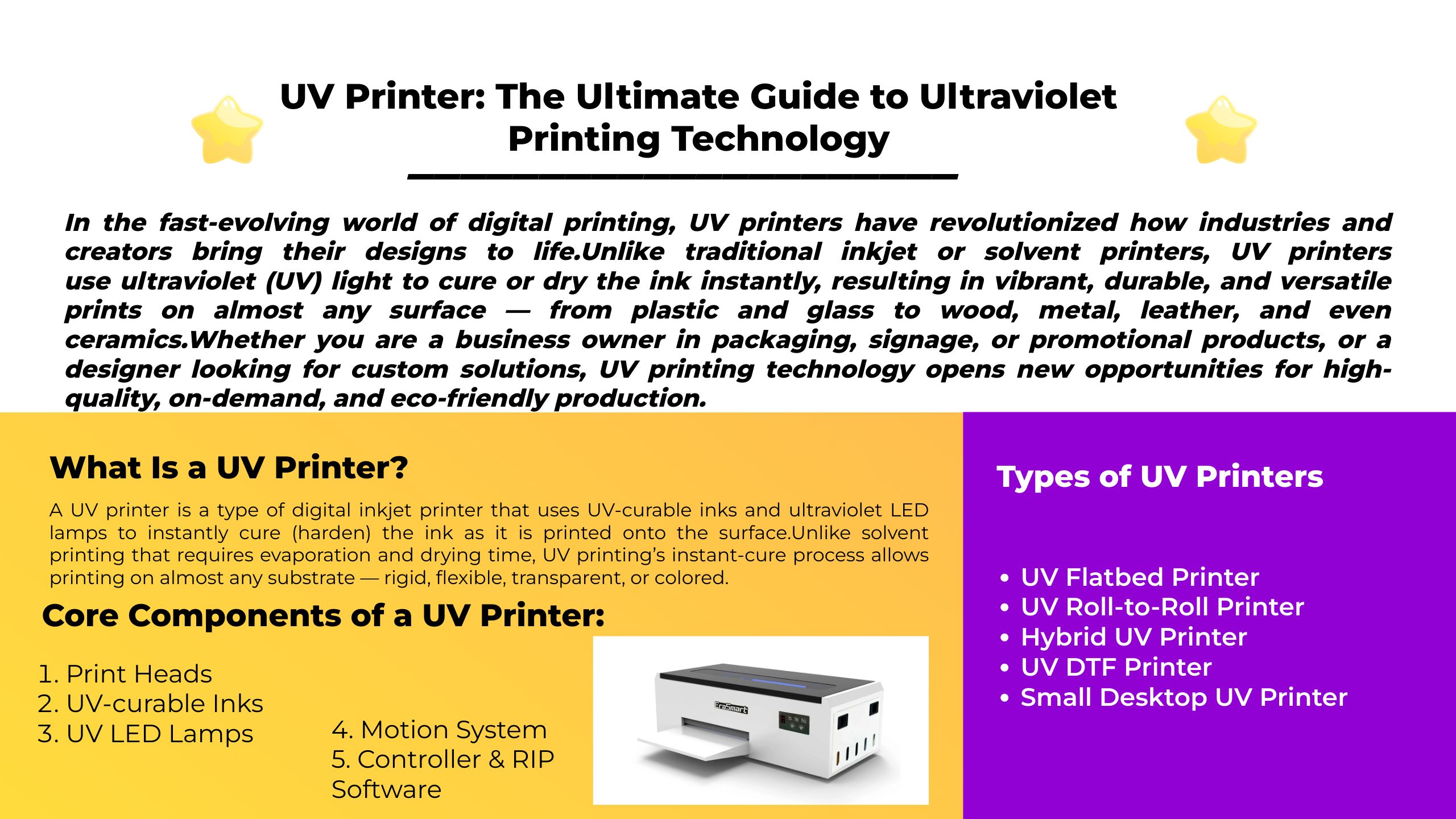
Stampante EraSmart
stampante UV
Stampante DTF
Stampante DTG
Macchina per pressione di calore
Stampante pubblicitaria
Strumenti della stampante
Forno DTF
Pressa calda
Macchina intagliata
Trasferimento di calore della tazza
Macchina per laminazione
Materiali di consumo
Inchiostro da stampa
Custodia per cellulare
Prodotto di vetro
Fluido di pulizia
Tampone di cotone
Contattaci
WhatsApp : +8618566233796
WeChat : +8618566233796
Mobile : +8618566233796
Web :www.erasmart.com
Negozio:www.erasmartmall.com
Copyright 2020 © Erastart. | Sitemap
Scrivici su WhatsApp
Richiedere un preventivo
Fornisci solo alcuni dettagli e ti aiuteremo a ottenere citazioni veloci!