
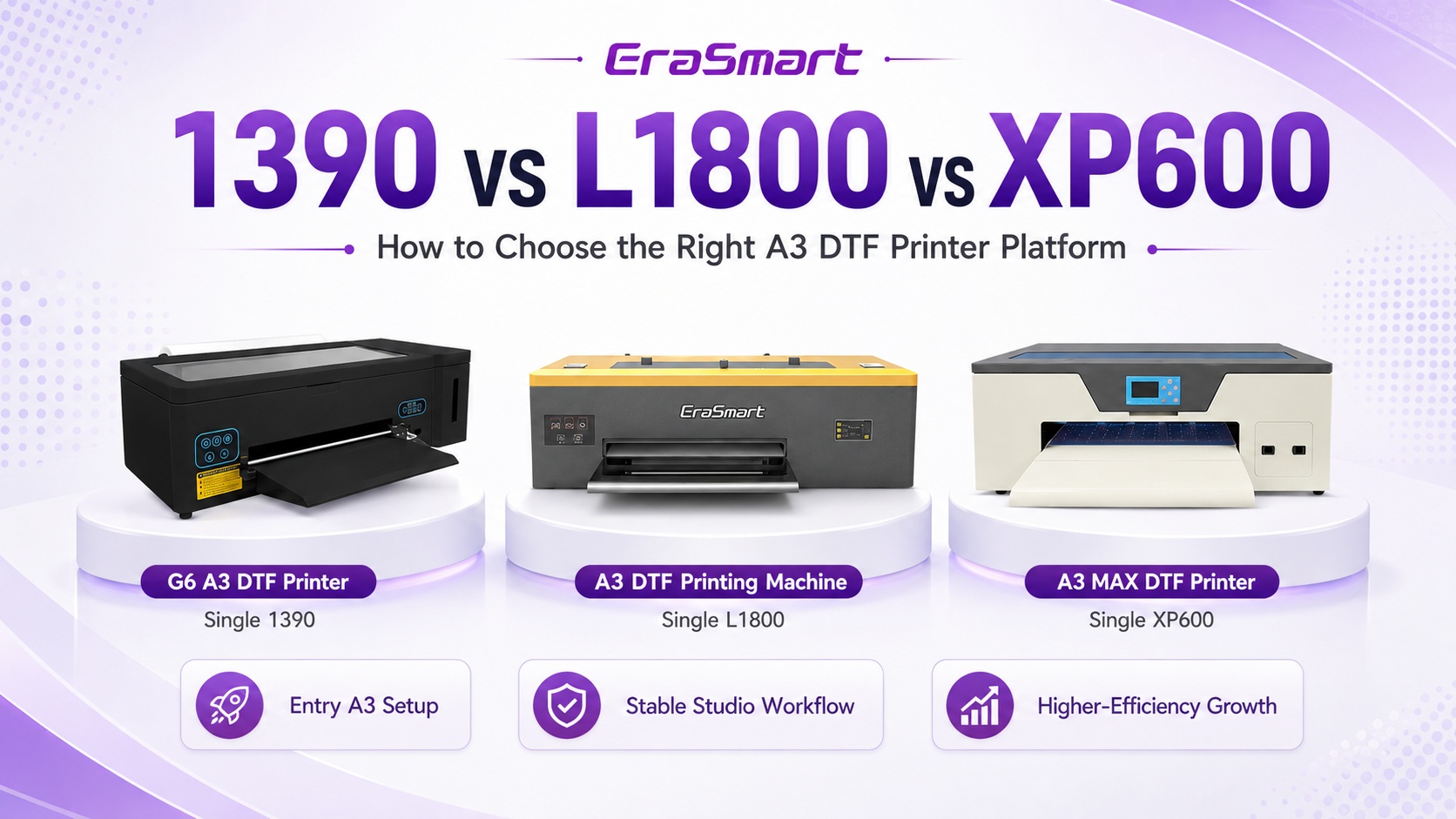
1390 vs L1800 vs XP600 DTF プリンタ: どの A3 プラットフォームがあなたのビジネスに適していますか?
1390、L1800、および XP600 DTF プリンタを比較する場合、実際の決定は単に「どのプリントヘッドが最適か?」ということではありません。あなたは、印刷可能幅、白インク管理、RIP ワークフロー、接続性、日常メンテナンス、予想される注文量、ビジネスに合わせてマシンをどこまで拡張するかなど、完全な A3 クラスの生産プラットフォームを選択していることになります。
短い答え
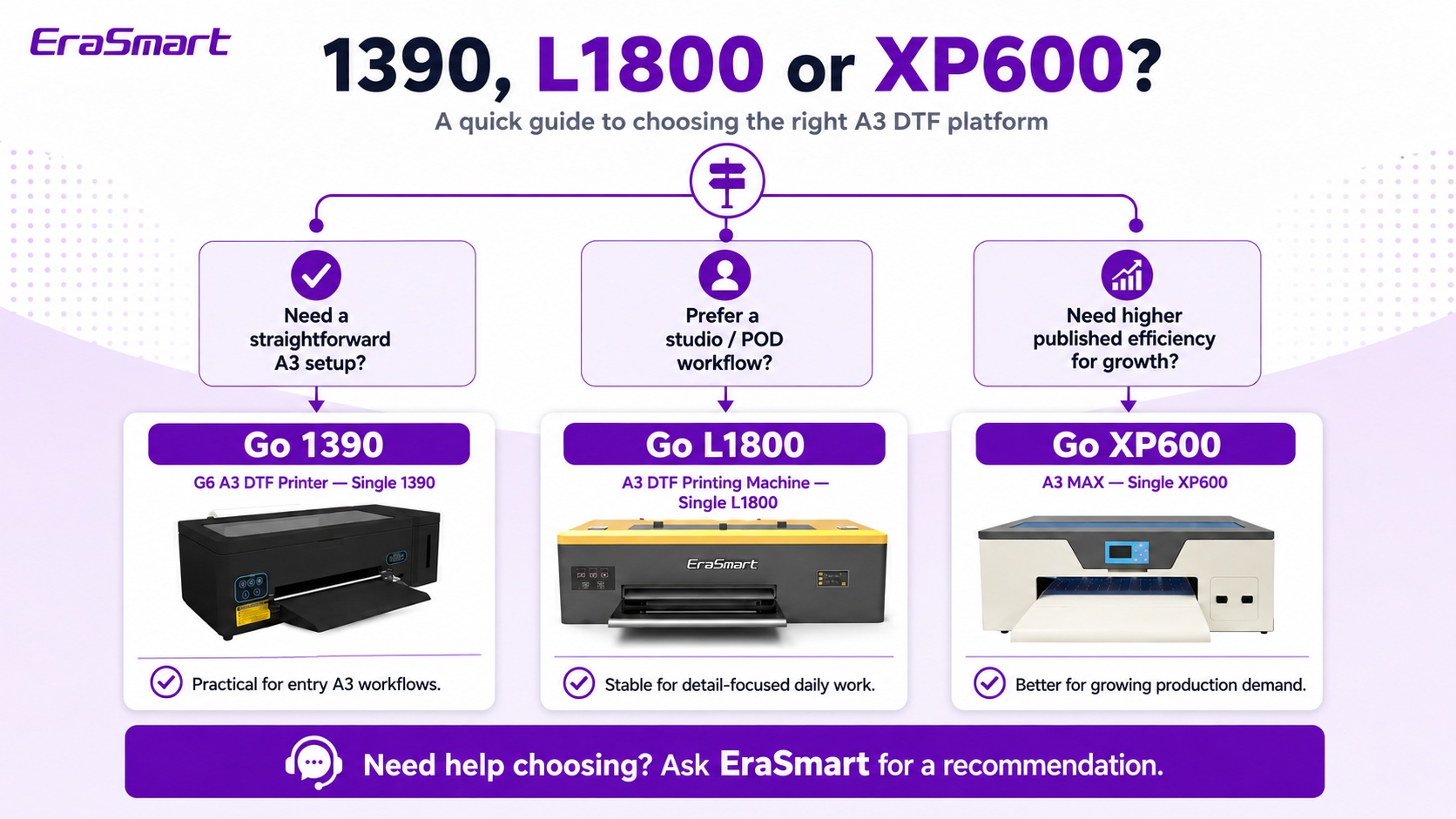
G6 A3 1390 を選択してください クリエイター、POD、および少量のカスタム作業向けに簡単な 340 mm A3+ セットアップが必要な場合。 A3シングルL1800をお選びください AcroRip/EraRip と白インク循環を使用した使い慣れた 340 mm スタジオ ワークフローを優先する場合。 A3 MAX シングル XP600 を選択してください 注文量の増加が予想され、Hoson 制御とネットワーク接続を備えた EraSmart のより生産指向の 350 mm A3 プラットフォームが必要な場合。
1390 vs L1800 vs XP600: 簡単な比較
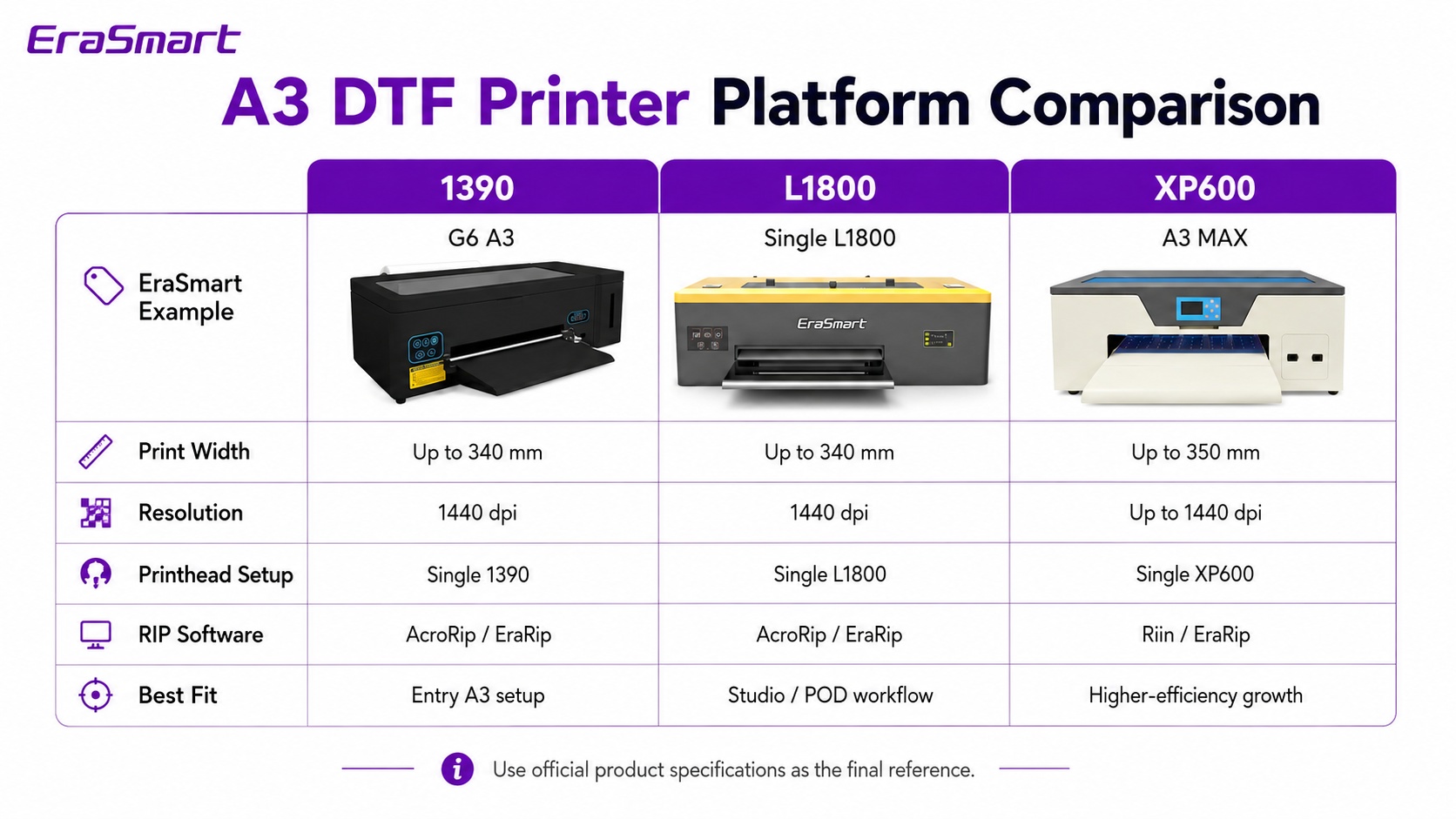
3 つのオプションはすべてコンパクト A3 DTF セグメントに属しますが、印刷ビジネスの若干異なる段階を対象としています。以下の表は、実際の購入決定に役立つ仕様とワークフローの違いに焦点を当てています。
| 購入要因 | G6 A3 — 1390 | A3 — L1800 | A3 MAX — シングル XP600 |
|---|---|---|---|
| プラットフォーム | A3 / A3+ | A3 | A3MAX |
| プリントヘッドの構成 | シングル 1390 | シングルヘッド L1800 プラットフォーム | シングル XP600 |
| 最大印刷幅 | 340mmまで | 340mmまで | 350mmまで |
| 解決 | 1440dpi | 1440dpi | 最大1440dpi |
| インク構成 | CMYK+WW | CMYK+WW | CMYK+WW |
| 白インクの循環 | はい | はい | はい |
| RIPワークフロー | アクロリップ 9.03 / エラリップ | アクロリップ 9.03 / エラリップ | Riin / PrivateRip |
| 繋がり | USB2.0/3.0 | USB2.0/3.0 | ネットワークインターフェース |
| 定格電力 | 50W | 50W | 100W |
| ベストフィット | クリエイターズ、POD、エントリーA3制作 | 小さなスタジオと日々のカスタム作業 | 店舗の成長と生産重視の A3 業務の増加 |
DTF での制作速度は、パス モード、アートワーク カバレッジ、ホワイト レイヤー設定、RIP 構成、およびワークフローによって異なります。スループットが主要な購入基準である場合は、検討しているモデル全体で同じアートワーク、同じパスのテストを依頼してください。
まずは「1390」「L1800」「XP600」の意味を理解しましょう
これらの名前は、購入者が DTF プリンタを比較するときに省略形としてよく使用されますが、マシン全体を説明するものではありません。同様のヘッドまたはプラットフォーム ラベルを使用する 2 台のプリンタであっても、メインボード、インク供給、白インクの循環、フィルムの取り扱い、クリーニング設計、ソフトウェア、電子機器、およびシャーシが異なる場合があります。
実用的なA3エントリープラットフォーム
EraSmart シリーズでは、G6 は最大 340 mm の印刷幅、1440 dpi の解像度、CMYK + デュアル ホワイト、およびアクティブな白インク循環を備えた単一の 1390 構成を使用します。
小規模スタジオでおなじみの DTF ワークフロー
EraSmart の A3 L1800 構成は、白インク循環と AcroRip/EraRip サポートを備えた 340 mm シングルヘッド DTF 制作マシンとして位置付けられています。
より成長志向のA3プラットフォーム
A3 MAX シングル XP600 は、Hoson ベースのプラットフォーム、ネットワーク接続、最大 350 mm の印刷幅を備えながら、A3 制作セットアップに十分なコンパクトさを保ちます。
あなたにぴったりの EraSmart A3 DTF プリンターはどれですか?
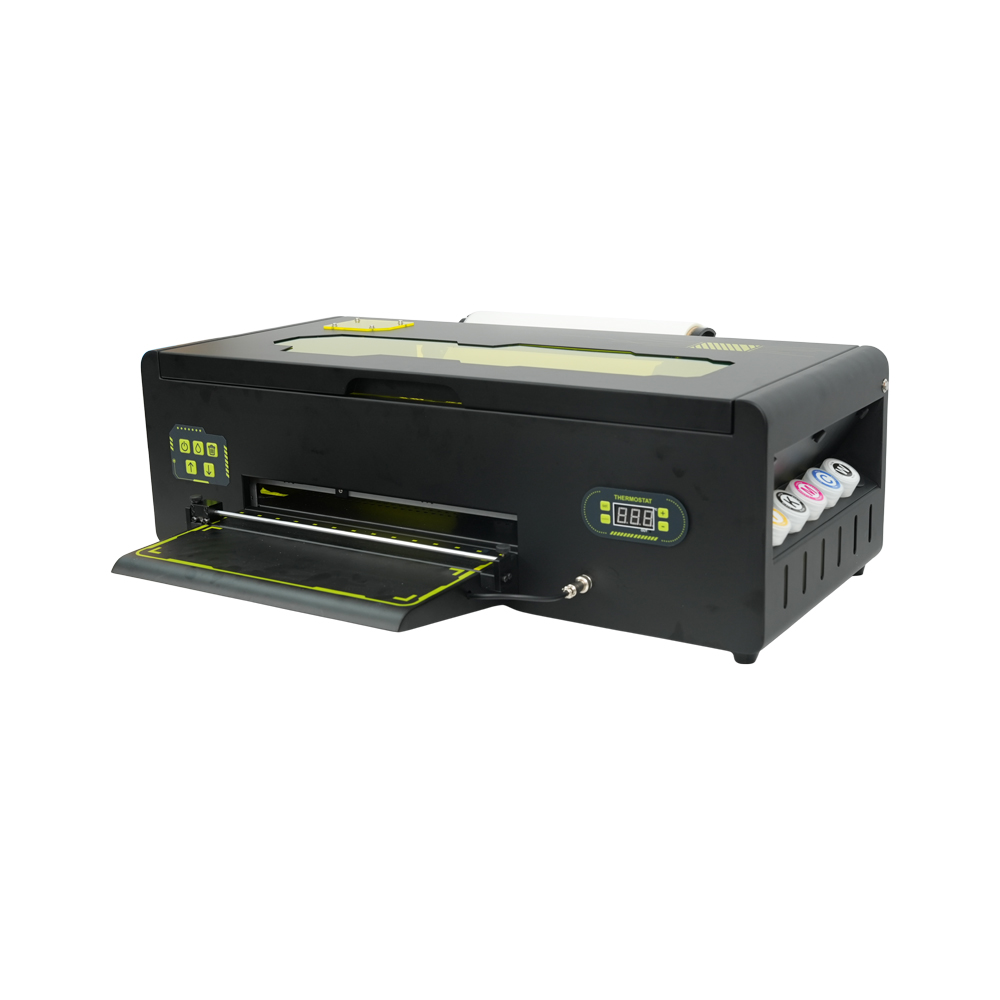
G6 A3 DTF プリンター — シングル 1390
- 最大 340 mm A3+ 印刷幅
- 1440dpi出力
- CMYK+WWインク構成
- 積極的な白インク循環
- アクロリップ 9.03 / エラリップ
- USB 2.0 / USB 3.0接続
以下に最適: クリエイター、小規模の POD ショップ、地元のアパレルのカスタマイズ、および徐々に注文量を増やしている企業。
G6 A3 1390 を見る →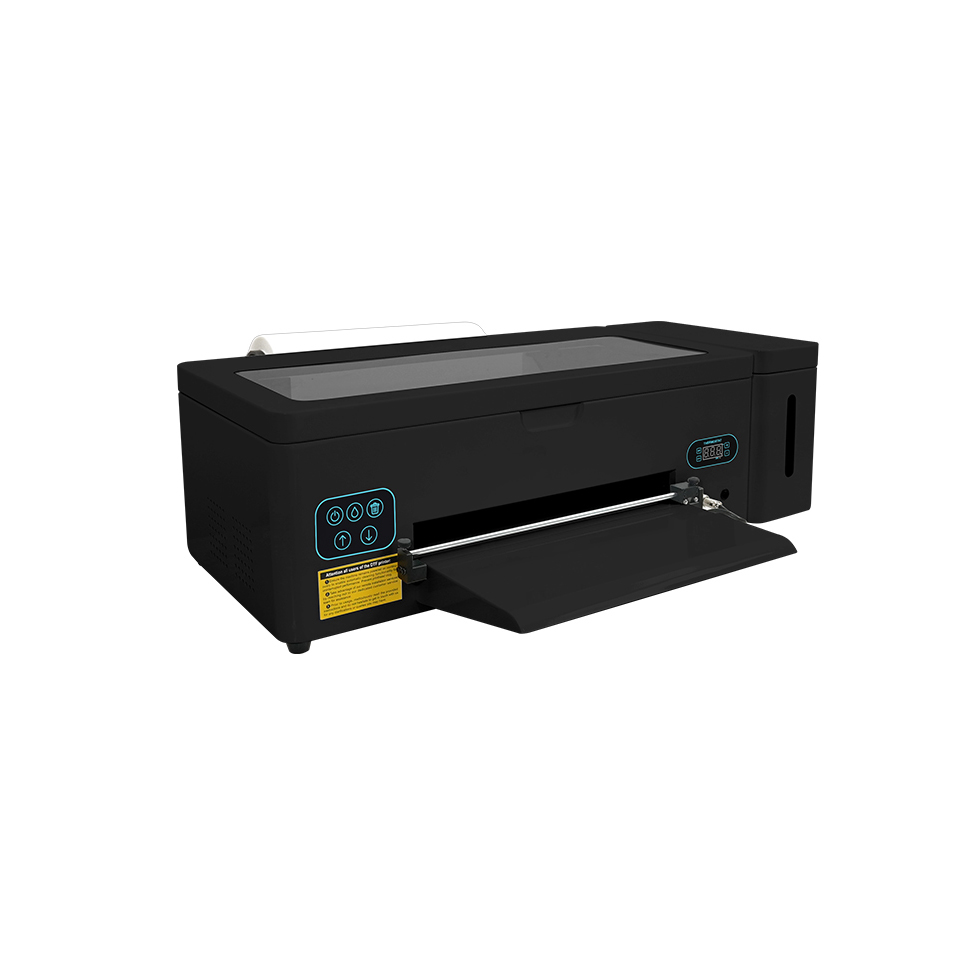
A3 DTF印刷機 — シングル L1800
- 最大340mmの印刷幅
- 1440 dpiの解像度
- CMYK + WW DTF ワークフロー
- 白インクの循環
- アクロリップ 9.03 / エラリップ
- USB 2.0 / USB 3.0接続
以下に最適: 小規模スタジオ、POD チーム、カスタム T シャツ ショップ、日常の A3 ワークフローをコンパクトにしたいバイヤー。
A3 シングル L1800 を見る→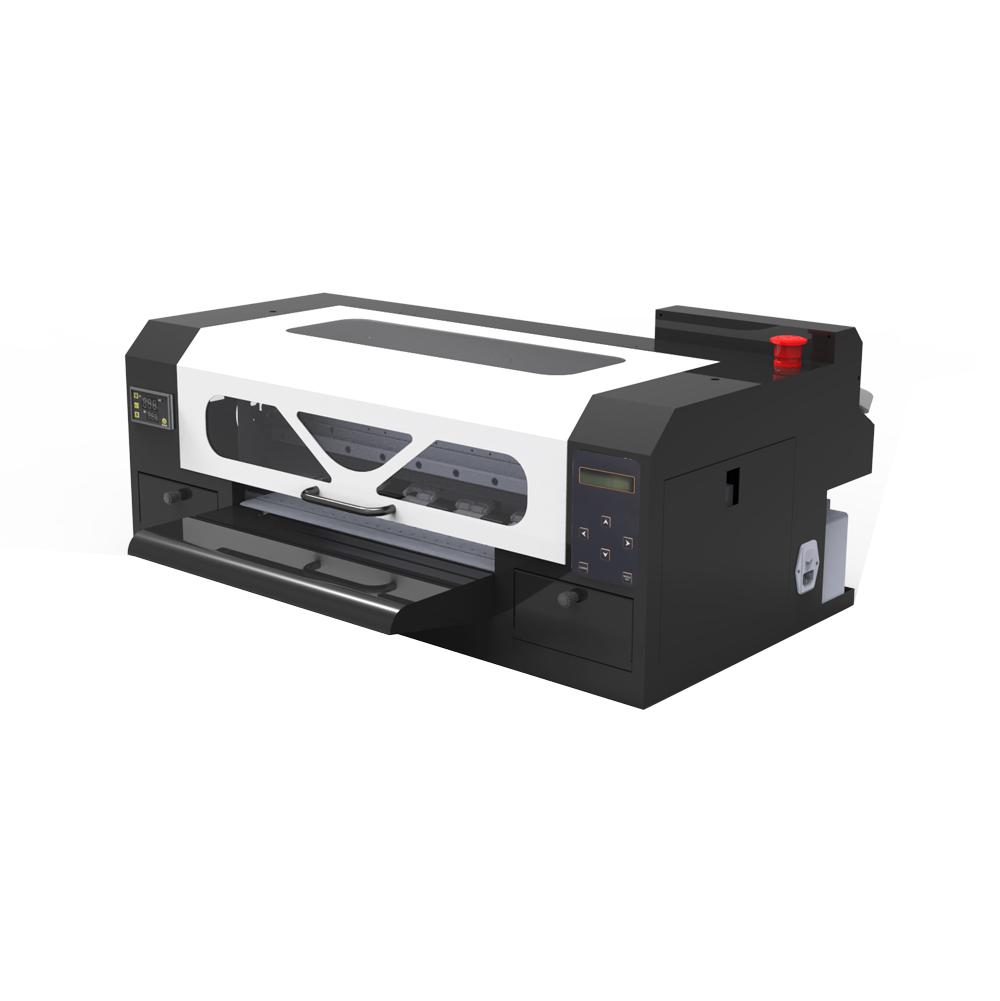
A3 MAX DTF プリンター — シングル XP600
- 最大350mmの印刷幅
- 最大1440dpi
- ホソンメインボード
- CMYK+WWと白インクの循環
- Riin / PrivateRip
- ネットワークインターフェース
以下に最適: より生産指向のワークフローに移行しながら、コンパクトな A3 カテゴリーに留まりたいと考えている印刷会社が成長しています。
A3 MAX シングル XP600 を見る→モデル名よりも重要な 6 つの購入要素
1. 印刷幅: 340 mm vs 350 mm
G6 1390 と A3 L1800 は最大 340 mm、A3 MAX XP600 は最大 350 mm です。この 10 mm の違いは、それ自体がアップグレードする理由にはなりませんが、一般的な胸のグラフィック、長いロゴ、またはギャング レイアウトが 340 mm のワークフローの端近くに定期的に配置されている場合には役に立ちます。
2. 日々の注文量と納期のプレッシャー
不定期にパーソナライズされたシャツを印刷する小規模なショップでは、チームのリピート注文や毎日複数のバッチを処理するビジネスとは異なるニーズがあります。適切なプリンターとは、不必要な資本コストやメンテナンスのオーバーヘッドを発生させることなく、実際のキューに対応できるプリンターのことです。
3. 白インクの管理
白インクは、濃い色の衣類に転写するための不透明な下地を形成するため、DTF の中心となります。この比較における 3 つの EraSmart 構成にはすべて、白インクの循環が含まれています。モデルに関係なく、一貫した循環、ノズル チェック、キャッピング ステーションのケア、および適切な湿度は、通常の DTF 管理の一部です。
4. RIPソフトと接続方法
1390 および L1800 ワークフローは、EraRip が利用可能な AcroRip 9.03 を使用しますが、A3 MAX XP600 は Riin / EraRip を使用します。 XP600 プラットフォームも、他の 2 つの USB 中心の接続ではなく、ネットワーク インターフェイスを使用します。複数人でジョブを準備したり、プリンターが設計コンピューターから離れた場所に設置されている場合、ワークフローの接続が重要になることがあります。
5. メンテナンススキルと操作規律
真にメンテナンスフリーの白インク DTF プリンタは存在しません。小規模店舗にとっては、放置された XP600 よりも、よくメンテナンスされた 1390 または L1800 の方が役立つ可能性があります。購入する前に、チームがノズル チェック、フィルムの取り扱い、クリーニング ルーチン、インク管理、プリンターを推奨温度と湿度の範囲内に保つことに慣れているかどうかを確認してください。
6. 最初のマシンだけでなく次のアップグレードも
地元のカスタムショップであり続けることを期待している場合は、コンパクトな A3 マシンが長く役立つかもしれません。転送の卸売販売、ギャングシートのボリュームの構築、またはより大規模な定期注文の受注を計画している場合は、デュアルヘッドまたはワイドフォーマットの制作に向けた明確なアップグレードパスに適合するプラットフォームを選択してください。
どれを買うべきですか?ビジネスシナリオ別の推奨事項
在宅Tシャツ事業を始める
候補リスト: 1390 または L1800。 この段階では、通常、出力を最大化することよりも、予測可能なワークフロー、管理可能なメンテナンス、および完全な DTF プロセスを学習することが重要です。どちらも 340 mm A3 クラスの幅と白インクの循環を実現します。
Etsy、Shopify、または地元の POD ショップを運営している
候補リスト: L1800 または XP600。 注文がまだ混在していて不規則な場合は、L1800 がこの仕事に適しています。すでにバッチの繰り返しが発生し、発送期限が厳しくなっている場合、A3 MAX XP600 は、より成長指向のプラットフォームを提供します。
ユニフォーム、クラブ、イベントグッズの印刷
バッチの繰り返しが一般的な場合は、XP600 に傾いてください。 これらのジョブは、時間に敏感な実行で到着する可能性があります。繰り返しの生産を中心に設計されたワークフローは、通常、最低コストのエントリー マシンを選択することよりも重要です。
サンプル、プロトタイプ、および短いカスタムランの作成
1390 または L1800 で十分です。 ビジネスがプロトタイプ、個別の一回限りの製品、少量のバッチによって占められている場合、より生産に重点を置いたセットアップの利点が十分に活用されない可能性があります。
不定期の注文から毎日の生産に成長
A3 MAX シングル XP600 は、これら 3 つの中で最もよくフィットします。 コンパクトなままですが、ワークフローを Hoson 制御、ネットワーク接続、およびわずかに広い 350 mm プラットフォームに移行します。
譲渡品の卸売販売を予定しております
購入する前に、これら 3 つ以外についても考えてください。 長いギャングシートと持続的な高出力に依存する計画の場合は、エントリー用の A3 マシンを購入してすぐに交換するよりも、デュアルヘッド A3 Pro または 60 cm A1 DTF プラットフォームを比較した方が良い場合があります。
1390 と L1800: 実際の違いは何ですか?
これは最も一般的な質問の 1 つです。なぜなら、両方の幅、解像度、および初心者レベルのワークフローがほぼ同じであるためです。 EraSmart の現在の A3 シリーズでは、どちらも 1440 dpi、CMYK + WW、白インク循環の 340 mm クラスのシングルヘッド DTF 構成です。
つまり、1 つの名前によって自動的に色が良くなったり、メンテナンスが容易になったりするという前提に基づいて決定を下すべきではありません。代わりに、購入するマシン パッケージ (シャーシ、コントロール、ソフトウェア、交換部品サポート、セットアップ支援、消耗品、好みの生産ルーチンなど) を正確に比較してください。
XP600 と L1800 / 1390: アップグレードが意味を持つのはいつですか?
ビジネスが印刷品質だけではなくワークフローによって制約されていると感じ始めている場合、XP600 の選択が最も合理的です。注文が毎日届く場合、より迅速なジョブ処理が必要な場合、繰り返しの B2B 作業を構築している場合、またはより生産指向の制御プラットフォームが必要な場合は、A3 MAX XP600 を正当化するのが簡単になります。
340 mm 1390/L1800 プラットフォームよりもわずかに広い作業幅。
A3 MAX をより生産重視のマシン アーキテクチャに移行します。
ジョブの準備とプリンターが 1 つの USB ワークステーションに関連付けられていない場合に便利です。
より頻繁な生産に備えながら、コンパクトさを維持したいバイヤー向けに設計されています。
プリンターの価格だけを比較しないでください: 完全な DTF ワークフローを比較してください
DTF プリンタはシステムの一部にすぎません。実際の運用コストは、印刷から転送までの完全なワークフローから発生します。このワークフローでは、購入価格が同等の 2 台のマシンが実際には大きく異なる動作をする可能性があります。
消耗品
- DTFインク
- ペット転送フィルム
- ホットメルトパウダー
- 洗浄液とワイプ
仕上げ装置
- 硬化オーブンまたはパウダーシェーカー/ドライヤー
- ヒートプレス
- 必要に応じて換気/空気処理
- ワークスペースとストレージ
運用オーバーヘッド
- オペレーター時間
- 印刷と再印刷の失敗
- 日常メンテナンス部品
- ダウンタイムと技術サポート
単にハードウェアを選択するのではなく、投資回収額を計算している場合は、 DTF ROI 計算ツール 平均販売価格、消耗品コスト、生産時間、現実的な月間注文量を見積もります。
メンテナンス: どのプラットフォームが使いやすいですか?
多くの購入者にとって、理論上のピーク速度よりもメンテナンスの方が重要です。 DTF は顔料を多く含む白インクを使用するため、すべてのプラットフォームで一貫したルーチンが必要です。目標は、まったく注意を必要としないマシンを見つけることではありません。それは、チームが正しく保守できるシステムを選択することです。
実際のメンテナンス ルーチンには次のものが含まれます。
- 重要な生産を実行する前に定期的にノズルをチェックします。
- 白インクの循環を推奨どおりに実行し続けます。
- キャッピング ステーション、ワイパー、および周囲のプリント領域をクリーニングします。
- PET フィルムの経路を塵、粉、破片から守ります。
- 推奨される温度と湿度の範囲を維持します。
- 互換性のあるインク、フィルム、パウダーを 1 つのテスト済みワークフローとして使用します。
より詳細なルーチンについては、を参照してください。 DTFプリンターメンテナンスガイド そして 白インク詰まりガイド。
購入のヒント
インストール後にどのようなサポートが利用できるかを尋ねます: RIP セットアップ、ICC/プロファイル ガイダンス、ノズルのトラブルシューティング、交換部品、リモート診断とメンテナンスのトレーニング。初めての DTF マシンの場合、サポートはハードウェア仕様と同じくらい重要になることがあります。
印刷品質: 完成したシャツに違いがわかりますか?
この比較における 3 つの EraSmart 構成はすべて、1440 dpi または最大 1440 dpi で公開されています。実際の制作では、完成した転写は見出しの解像度以上の影響を受けます。アートワークの品質、RIP 設定、インク/フィルムの互換性、白の下地、パウダーの塗布、硬化およびヒートプレスのパラメーターがすべて最終結果に影響します。
そのため、販売するものと同様のアートワークを使用した完成したシャツのサンプルを購入するのが良いテストとなります。細かいテキスト、グラデーション、肌の色合い、濃い色の衣服の不透明度、エッジの鮮明度、洗濯パフォーマンスを確認してください。 PET フィルム上のテスト画像だけでは、すべてを知ることはできません。
シングルヘッド A3 DTF プリンタをやめるべきなのはどのような場合ですか?
1390、L1800、および Single XP600 はすべて、A3 クラスの選択肢として有用ですが、すべてのビジネスにとって最終ステップではありません。毎日の行列が絶え間なく続くようになった場合、ギャングシートを販売している場合、または納期がボトルネックになっている場合、次の質問は通常、デュアルヘッドの生産性か、よりワイドフォーマットの生産かです。
A3 Pro — デュアル XP600
A3 Pro は、最大 350 mm の印刷幅を備えた A3 クラスのプラットフォームを維持しながら、デュアル XP600 ヘッドを使用します。デュアルヘッドは ない 自動的に60cmの機械を意味します。ヘッド数と印字幅は別仕様となります。
A1 — 60 cm プロダクションクラス
実際に、長いギャングシートや大量の転写生産に対応して幅の広いロールが必要な場合は、デュアルヘッド A3 プリンタの幅が広くなると考えるのではなく、A1 プラットフォームに移行してください。
購入前チェックリスト: 注文前に尋ねるべきこと
機械について質問する
- 正確な印刷幅とサポートされている PET フィルム形式
- プリントヘッドの構成とメインボード
- 白インク循環・洗浄システム
- RIP ソフトウェアと Windows の要件
- 接続方法:USBまたはネットワーク
- 消耗品および交換部品の入手可能性
ワークフローについて質問する
- インク、フィルム、パウダーの推奨組み合わせ
- 硬化方法と熱プレスの要件
- 毎日/毎週のメンテナンス手順
- リモートセットアップとテクニカルサポート
- 独自のアートワークを使用したサンプル印刷
- ボリュームが増加した場合のアップグレード パス
より広範な評価フレームワークを使用するには、 DTF プリンターの選び方ガイド そして DTF プリンター購入チェックリスト。
最終的な推奨事項
初めて A3 DTF プリンタを購入する場合で、注文量がまだ増加中の場合は、 1390とL1800 は、比較するための論理的な開始点です。このマシンが通常の商用注文をサポートすることがすでにわかっていて、60 cm プリンタに移行せずにさらに拡張する余地が必要な場合は、 A3 MAX シングル XP600 この 3 つの中で最も適合度が高いです。
最も重要な点は、プリンターを実際のビジネス モデルに適合させることです。注文がその能力を使用しない場合、紙の上でわずかに高速または高度なマシンが自動的に優れた投資となるわけではありません。同様に、エントリーマシンは、6 か月後に生産のボトルネックが発生すると高価になる可能性があります。
よくある質問
DTF に関しては、L1800 より XP600 の方が優れていますか?
一般に、より生産指向のプラットフォームが必要で、注文量の増加が予想される場合は、EraSmart の A3 シリーズの中で XP600 の方が適しています。 L1800 は、小規模なスタジオや POD ワークフローにとって、依然として実用的な選択肢です。正しい選択は、ヘッドの名前だけではなく、ワークロード、メンテナンス ルーチン、ソフトウェア、予算によって決まります。
1390 と L1800 DTF プリンタの違いは何ですか?
EraSmart シリーズでは、どちらも 1440 dpi、CMYK + WW、白インク循環の 340 mm クラス シングルヘッド A3 DTF 構成です。実際の選択では、1 つのモデル名が自動的に優れていると仮定するのではなく、完全なマシン パッケージ、制御、サポート、ソフトウェア、およびワークフローを考慮する必要があります。
1390、L1800、XP600 のどれが最も幅が広いですか?
EraSmart A3 MAX シングル XP600 は最大 350 mm です。 G6 1390 および A3 L1800 は最大 340 mm です。
小規模な T シャツ ビジネスにはどれが最適ですか?
新しいショップや少量のショップの場合は、G6 1390 と A3 L1800 を比較することから始めます。すでに頻繁な注文を処理しているショップや、より急速な成長を計画しているショップの場合、A3 MAX シングル XP600 はより生産に重点を置いたオプションです。
デュアル XP600 プリンタとは、印刷幅 60 cm を意味しますか?
いいえ、プリントヘッド数と機械幅は仕様が異なります。 EraSmart の A3 Pro はデュアル XP600 ヘッドを使用し、最大幅 350 mm のままです。 60cmクラスはA1プラットフォームに属します。
これらのプリンターには白インクのメンテナンスが必要ですか?
はい。 3 つとも DTF 転写に白インクを使用しますが、白インクには定期的な循環、ノズル チェック、クリーニングが必要です。これらの EraSmart 構成にはそれぞれ白インクの循環が含まれていますが、オペレーターは依然としてメンテナンス ルーチンに従う必要があります。
A3 DTFプリンターは綿やポリエステルにも使用できますか?
DTF は、綿、ポリエステル、混紡などの一般的なアパレル素材の熱伝達用途に使用されます。生産を開始する前に、フィルム、パウダー、プレス温度、衣類の種類を必ず検証してください。
プリンター以外にどのような機器が必要ですか?
DTFインク、PETフィルム、ホットメルトパウダー、オーブンやシェーカー/ドライヤーなどの硬化方法、ヒートプレスが必要です。互換性のある RIP ソフトウェアを実行している Windows コンピュータもワークフローの一部です。
1390、L1800、または XP600 のどれを選択するか迷っていますか?
EraSmart にアートワークの平均サイズ、予想される 1 日の注文、衣類の種類、作業スペース、目標予算を伝えます。最適なA3 DTF設定をご提案させていただきます。