ผู้ผลิตเครื่องพิมพ์อิงค์เจ็ทขนาดเล็ก

เครื่องพิมพ์ DTG: คู่มือฉบับสมบูรณ์สำหรับการพิมพ์โดยตรงบนเสื้อผ้า
25 มกราคม 2026 บล็อก
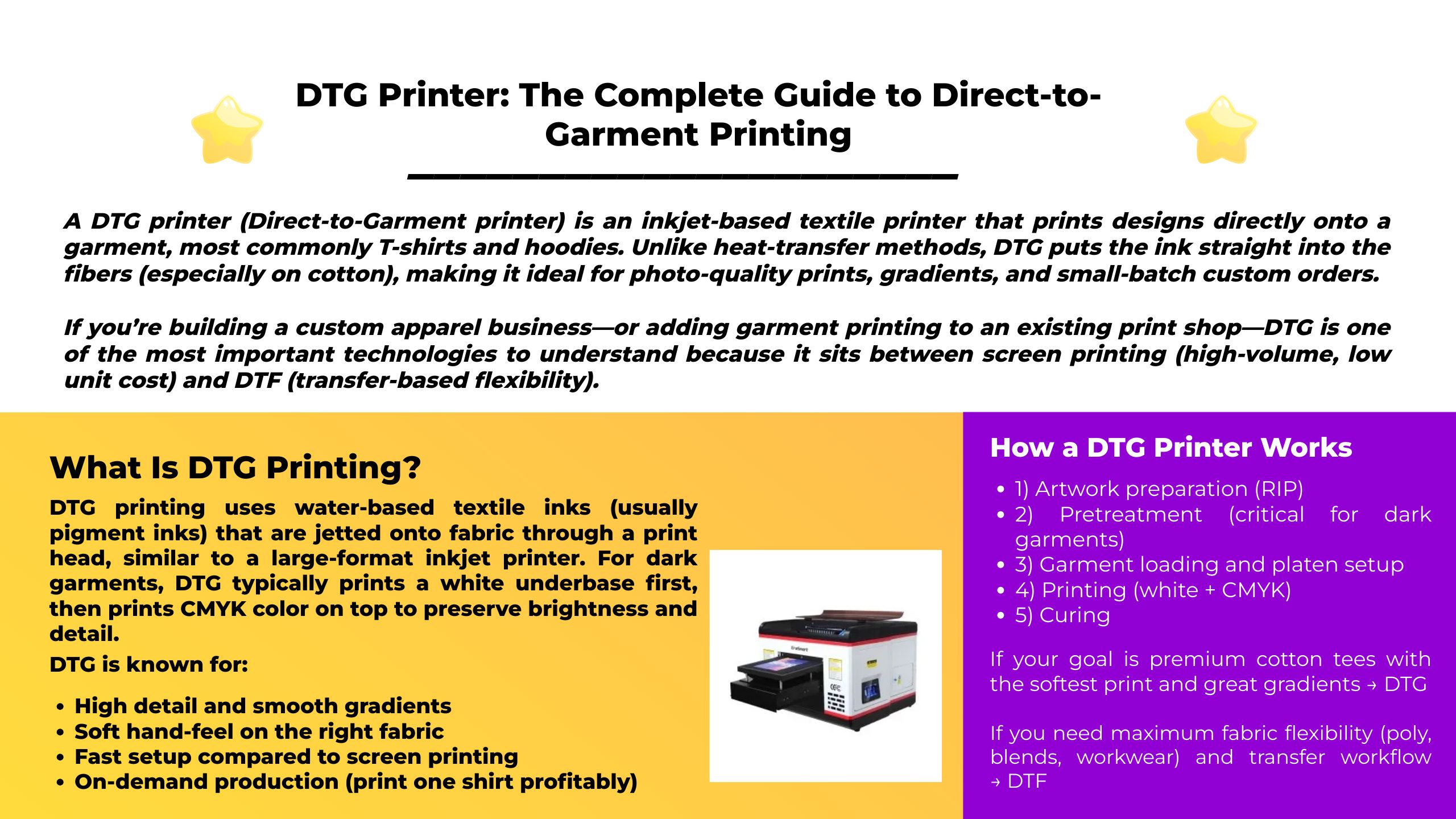
อัน เครื่องพิมพ์ DTG (เครื่องพิมพ์ Direct-to-Garment) คือเครื่องพิมพ์สิ่งทอที่ใช้อิงค์เจ็ทที่พิมพ์ได้ ออกแบบลงบนเสื้อผ้าโดยตรงส่วนใหญ่เป็นเสื้อยืดและเสื้อมีฮู้ด แตกต่างจากวิธีการถ่ายเทความร้อน DTG จะใส่หมึกลงในเส้นใยโดยตรง (โดยเฉพาะบนผ้าฝ้าย) ทำให้เหมาะสำหรับ งานพิมพ์คุณภาพภาพถ่าย การไล่ระดับสี และงานสั่งทำพิเศษจำนวนน้อย-
หากคุณกำลังสร้างธุรกิจเครื่องแต่งกายตามสั่ง หรือเพิ่มการพิมพ์เสื้อผ้าให้กับโรงพิมพ์ที่มีอยู่ DTG เป็นหนึ่งในเทคโนโลยีที่สำคัญที่สุดที่ต้องทำความเข้าใจเนื่องจากตั้งอยู่ระหว่าง การพิมพ์หน้าจอ (ปริมาณมาก ต้นทุนต่อหน่วยต่ำ) และ DTF (ความยืดหยุ่นตามการโอน)
การพิมพ์ DTG คืออะไร?
การพิมพ์ดีทีจี ใช้หมึกสิ่งทอสูตรน้ำ (โดยทั่วไปคือหมึกสี) ที่ฉีดลงบนผ้าผ่านหัวพิมพ์ คล้ายกับเครื่องพิมพ์อิงค์เจ็ทขนาดใหญ่ สำหรับเสื้อผ้าสีเข้ม โดยทั่วไป DTG จะพิมพ์ a ฐานด้านล่างสีขาว ขั้นแรก จากนั้นจึงพิมพ์สี CMYK ที่ด้านบนเพื่อรักษาความสว่างและรายละเอียด
DTG มีชื่อเสียงในด้าน:
- รายละเอียดสูงและการไล่ระดับสีที่ราบรื่น
- สัมผัสนุ่มสบายมือบนเนื้อผ้าที่เหมาะสม
- การตั้งค่าที่รวดเร็วเมื่อเทียบกับการพิมพ์สกรีน
- การผลิตตามความต้องการ (พิมพ์เสื้อตัวเดียวอย่างมีกำไร)
เครื่องพิมพ์ DTG ทำงานอย่างไร
1) การเตรียมอาร์ตเวิร์ค (RIP)
การออกแบบของคุณได้รับการประมวลผลโดยซอฟต์แวร์ RIP ซึ่งควบคุม:
- ขีดจำกัดหมึก (โดยเฉพาะสีขาว)
- จำนวนการผ่านและความละเอียด
- โปรไฟล์สีสำหรับเสื้อผ้าประเภทต่างๆ
- กลยุทธ์ช่วงล่างสำหรับเสื้อสีเข้ม
2) การปรับสภาพ (สำคัญมากสำหรับเสื้อผ้าสีเข้ม)
การปรับสภาพล่วงหน้าเป็นสารเคมีที่ใช้กับเสื้อผ้าเพื่อช่วย:
- เชื่อมหมึกสีขาวได้อย่างถูกต้อง
- สีสันดูสดใส
- ลดเลือดออกและเพิ่มความทนทานในการซัก
การปรับสภาพล่วงหน้าอาจเป็น:
- คู่มือ (เครื่องพ่นสารเคมี + เครื่องรีดร้อน)
- อัตโนมัติ (เครื่องปรับสภาพล่วงหน้าเพื่อผลลัพธ์ที่สม่ำเสมอ)
3) การใส่เสื้อผ้าและการตั้งค่าแท่นวาง
เสื้อเชิ้ตถูกขึงแบนราบบนแท่นวาง ความสูงและความตึงของแท่นวางที่เหมาะสมเป็นสิ่งจำเป็นสำหรับ:
- ลายคมชัด
- หลีกเลี่ยงการตีศีรษะ
- การลงทะเบียนที่สอดคล้องกัน
4) การพิมพ์ (ขาว + CMYK)
- เสื้อผ้าบางเบา: มักจะเป็น CMYK เท่านั้น (เตรียมน้อยกว่า, เร็วกว่า)
- เสื้อผ้าสีเข้ม: ฐานสีขาวก่อน แล้วตามด้วย CMYK
5) การบ่ม
การบ่มจะทำให้หมึกติดบนเสื้อผ้าโดยใช้เครื่องกดความร้อนหรือเครื่องอบผ้าแบบสายพานลำเลียง เพื่อให้มั่นใจว่า:
- ทนต่อการซักได้ดีกว่า
- ความเหนียวลดลง
- สีสุดท้ายคงตัว
เครื่องพิมพ์ DTG กับเครื่องพิมพ์ DTF (เปรียบเทียบด่วน)
DTG และ DTF มักจะแข่งขันกันเพื่อชิงตลาด "เสื้อยืดสั่งตัด" เดียวกัน แต่มีจุดแข็งที่แตกต่างกัน
| คุณสมบัติ | DTG (Direct-to-Garment) | DTF (การถ่ายโอนโดยตรงไปยังภาพยนตร์) |
|---|---|---|
| ดีที่สุดสำหรับ | ผ้าฝ้าย สัมผัสระดับพรีเมียม ลายพิมพ์ภาพถ่าย | ความเข้ากันได้ของเนื้อผ้าในวงกว้าง (ฝ้าย/โพลี/ผสม) การถ่ายโอน |
| ขั้นตอนการทำงาน | พิมพ์บนเสื้อผ้า + รักษา | พิมพ์บนฟิล์ม + ผง + บ่ม + เครื่องรีดความร้อน |
| สัมผัสมือ | มักจะนุ่มกว่าบนผ้าฝ้าย | อาจรู้สึกหนาขึ้นเล็กน้อยขึ้นอยู่กับปริมาณฟิล์ม/ผง/หมึก |
| เสื้อสีเข้ม | ต้องการพรีทรีท + เบสสีขาว | โดยทั่วไปจะง่ายกว่าในที่มืด (ยังต้องมีการตั้งค่าที่ดี) |
| คำสั่งซื้อขนาดเล็ก | ยอดเยี่ยม | ยอดเยี่ยม |
| การซ่อมบำรุง | สามารถเรียกร้องได้ (หมึกขาว) | มีความต้องการสูง (หมึกขาว + การจัดการผง) |
| ความอเนกประสงค์ | จำกัดเฉพาะเสื้อผ้า (และสิ่งทอบางชนิด) | การถ่ายโอนสามารถนำไปใช้กับเสื้อผ้าหลายประเภทและผ้าอื่นๆ บางชนิด |
กฎง่ายๆ:
- ถ้าเป้าหมายของคุณคือ เสื้อยืดผ้าฝ้ายระดับพรีเมียมพร้อมลายพิมพ์ที่นุ่มที่สุด และการไล่ระดับสีที่ยอดเยี่ยม → ดีทีจี
- หากคุณต้องการ ความยืดหยุ่นของเนื้อผ้าสูงสุด (โพลี เบลนด์ ชุดทำงาน) และขั้นตอนการถ่ายโอน → DTF
เมื่อใดควรใช้ เคลือบเย็น
การเคลือบเย็นมีประโยชน์อย่างยิ่งเมื่อความร้อนอาจทำให้เกิดความเสียหายหรือการบิดเบี้ยว เนื่องจากไม่จำเป็นต้องใช้อุณหภูมิในการเปิดใช้งานกาว
การใช้งานทั่วไป
- ภาพถ่ายและงานพิมพ์อิงค์เจ็ท (ซึ่งความร้อนอาจทำให้หมึกบิดเบี้ยวหรือส่งผลต่อหมึกได้)
- กราฟิกไวนิล และโปสเตอร์หน้ากว้าง
- สติ๊กเกอร์และฉลาก
- การเคลือบฟิล์ม UV DTF A/B (พิมพ์บนฟิล์ม A, เคลือบด้วยฟิล์ม B)
ผ้าที่ดีที่สุดสำหรับการพิมพ์ DTG
DTG ทำงานได้ดีที่สุดเมื่อหมึกสามารถดูดซับและยึดเข้ากับเส้นใยได้
ทางเลือกที่ดีที่สุด
- ผ้าฝ้าย 100% (หวีริงสปันเป็นเลิศ)
- ผ้าฝ้ายผสมคุณภาพสูงที่มีปริมาณผ้าฝ้ายสูง
ท้าทายมากขึ้น
- เสื้อผ้าโพลีเอสเตอร์ที่มีเนื้อหนัก (ความเสี่ยงในการอพยพของสีย้อม ปัญหาการยึดเกาะ)
- ผ้าคุณภาพต่ำ มีเนื้อผ้ามาก หรือผ้า “คลุมเครือเกินไป”
- ผ้ากันน้ำหรือผ้าที่ผ่านการบำบัดอย่างหนัก
หากคุณวางแผนที่จะพิมพ์โดยใช้วัสดุสังเคราะห์หลายประเภท DTG อาจไม่ใช่เทคโนโลยีเดียวของคุณ
คุณภาพการพิมพ์ DTG: อะไรทำให้ดู “มืออาชีพ”
เอาต์พุต DTG ระดับมืออาชีพไม่ได้เกี่ยวกับเครื่องพิมพ์เท่านั้น ปัญหาด้านคุณภาพส่วนใหญ่มาจากการควบคุมกระบวนการ:
ปัจจัยสำคัญ
- ปรับสภาพความสม่ำเสมอ (ความสม่ำเสมอ + ปริมาณที่ถูกต้อง)
- เวลา/อุณหภูมิการบ่มที่ถูกต้อง
- ความสูงของแท่นวาง (สูง/ต่ำเกินไปทำให้เกิดภาพเบลอหรือศีรษะกระแทก)
- การตั้งค่าหมึกสีขาว (ความทึบ vs เลือดออก vs แตก)
- ควบคุมความชื้น (ป้องกันการอุดตันและการไหลของหมึกไม่สม่ำเสมอ)
- โปรไฟล์สีที่ปรับให้เหมาะกับแบรนด์เสื้อผ้าของคุณ
ต้นทุนเครื่องพิมพ์ DTG: สิ่งที่คุณควรตั้งงบประมาณไว้
ความสามารถในการทำกำไรของ DTG ขึ้นอยู่กับ ต้นทุนรวมต่อการพิมพ์ไม่ใช่แค่ราคาเครื่อง
ถังต้นทุน
- เครื่องพิมพ์ + การรับประกัน/บริการ
- หมึก (หมึกสีขาวมักจะเป็นตัวขับเคลื่อนที่ใหญ่ที่สุดบนเสื้อสีเข้ม)
- น้ำยาปรับสภาพ
- อุปกรณ์บำรุงรักษา (น้ำยาทำความสะอาด ที่ปัดน้ำฝน ฝาครอบ ตัวกรอง)
- อุปกรณ์บ่ม (เครื่องกดความร้อนหรือเครื่องอบแห้งแบบสายพานลำเลียง)
- เวลาทำงาน (เตรียมการ โหลด พิมพ์ บ่ม QA)
สิ่งที่ส่งผลต่อต้นทุนต่อเสื้อมากที่สุด
- พื้นที่ครอบคลุม (ด้านหน้าเต็มใช้หมึกมากกว่าโลโก้ขนาดเล็ก)
- การใช้งานฐานด้านล่างสีขาว (เสื้อผ้าสีเข้มมีราคาแพงกว่า)
- ปฏิเสธ/พิมพ์ซ้ำจากการปรับสภาพหรือแก้ไขข้อผิดพลาด
การบำรุงรักษาดีทีจี
เครื่องพิมพ์ DTG สามารถผลิตงานพิมพ์ที่น่าทึ่งได้ แต่ต้องมีระเบียบวินัย โดยเฉพาะอย่างยิ่งเมื่อใช้หมึกสีขาว
แนวทางปฏิบัติที่ดีที่สุดประจำวัน
- ตรวจสอบหัวฉีด + ทดสอบการพิมพ์
- รอบการทำความสะอาดสั้น (ตามความจำเป็น)
- รักษาความสะอาดของสถานีปิดฝา
- รักษาสภาพแวดล้อมของเครื่องพิมพ์ให้คงที่ (อุณหภูมิ/ความชื้น)
- กวน/หมุนเวียนหมึกสีขาวหากระบบของคุณต้องการ
รายสัปดาห์/รายเดือน
- กิจวัตรการทำความสะอาดที่ล้ำลึกยิ่งขึ้น
- เปลี่ยนวัสดุสิ้นเปลือง (ที่ปัดน้ำฝน แดมเปอร์/ตัวกรอง ขึ้นอยู่กับรุ่น)
- ตรวจสอบแท่นวางและการสอบเทียบความสูง
เหตุใดจึงเกิดการอุดตันของ DTG: หมึกสีขาวมีเม็ดสีที่สามารถเกาะตัวได้ หากไม่ได้ใช้งานเครื่องพิมพ์ อาจเกิดการอุดตันมากขึ้น กิจวัตรที่สอดคล้องกันคือความแตกต่างระหว่างร้าน DTG ที่ทำกำไรได้กับการหยุดทำงานอย่างต่อเนื่อง
ปัญหาการพิมพ์ DTG ทั่วไป (และการแก้ไข)
1) สีหม่นบนเสื้อสีเข้ม
สาเหตุ: ฐานด้านล่างบางเกินไป ปรับสภาพไม่ดี โปรไฟล์ไม่ถูกต้อง
แก้ไข: ปรับความหนาแน่นของสีขาว ปรับปรุงความสม่ำเสมอของการเตรียมผิว ปรับเทียบโปรไฟล์ใหม่
2) เครื่องหมาย "กล่อง" การปรับสภาพ
สาเหตุ: สเปรย์ปรับสภาพมากเกินไปหรือไม่สม่ำเสมอ การตั้งค่าการกดผิด
แก้ไข: ใช้รูปแบบสเปรย์สม่ำเสมอ ลดปริมาณการปรับสภาพ ปรับเวลา/อุณหภูมิในการกด
3) หมึกแตกหลังการซัก
สาเหตุ: ปริมาณหมึกมากเกินไป การบ่มน้อยเกินไป การปรับสภาพล่วงหน้าผิด
แก้ไข: ปรับขีดจำกัดของหมึก ยืนยันพารามิเตอร์การบ่ม ตรวจสอบระดับการปรับสภาพล่วงหน้า
4) การตีหัว / ภาพพิมพ์พร่ามัว
สาเหตุ: ชุดไม่แบน ความสูงของแท่นวางผิด
แก้ไข: โหลดเสื้อผ้าใหม่ ลดริ้วรอย ตรวจสอบระยะห่างของความสูงอีกครั้ง
5) การอุดตัน/การหลุดของหัวฉีด
สาเหตุ: เครื่องพิมพ์ไม่ได้ใช้งาน ความชื้นไม่ดี ฝา/ที่ปัดน้ำฝนสกปรก
แก้ไข: การตรวจสอบหัวฉีดทุกวัน ปรับสภาพแวดล้อมให้คงที่ รักษาความสะอาดของฝาปิด/ที่ปัดน้ำฝน
คู่มือการซื้อเครื่องพิมพ์ DTG
ก่อนที่จะซื้อ ให้ตัดสินใจว่าคุณกำลังเพิ่มประสิทธิภาพอะไร: ความเร็ว คุณภาพ ความน่าเชื่อถือ หรือต้นทุนล่วงหน้าต่ำที่สุด
1) ปริมาณการผลิต
- เสื้อกี่ตัวต่อวัน/สัปดาห์?
- ส่วนใหญ่เป็นเสื้อสีอ่อนหรือเสื้อสีเข้ม?
- โลโก้ขนาดเล็กหรือพิมพ์เต็มหน้า?
2) ขนาดการพิมพ์และระบบแท่นวาง
- แท่นวางสำหรับผู้ใหญ่แบบมาตรฐานเทียบกับงานพิมพ์ขนาดใหญ่
- แผ่นป้ายแขนเสื้อ/คอสำหรับการขายต่อยอด
- แผ่นรองแบบเปลี่ยนเร็วช่วยลดเวลาหยุดทำงาน
3) การจัดการหมึกสีขาว
มองหา:
- การออกแบบการไหลเวียน/การหมุนเวียนหมึกสีขาว
- เข้าถึงการบำรุงรักษาได้ง่าย
- เอกสารสนับสนุนที่แข็งแกร่ง
4) ปรับขั้นตอนการทำงานล่วงหน้า
หากคุณพิมพ์เสื้อเชิ้ตสีเข้มทุกวัน ให้ตั้งงบประมาณสำหรับ:
- วิธีการเตรียมผิวอย่างสม่ำเสมอ
- ไม่ว่าจะเป็นการสถานีแบบแมนนวล + เทคนิคที่ดี หรือระบบปรับสภาพอัตโนมัติ
5) ความพร้อมในการให้บริการและอะไหล่
DTG เป็นประเภทที่ต้องบำรุงรักษาหนัก ชิ้นส่วนที่รวดเร็ว + การบริการที่มีความรู้มีความสำคัญมากกว่าความแตกต่างด้านข้อมูลจำเพาะเล็กๆ น้อยๆ
กรณีการใช้งานที่ดีที่สุดสำหรับการพิมพ์ DTG
DTG โดดเด่นเมื่อ:
- คุณขาย เสื้อยืดสั่งทำพิเศษตามความต้องการ (Shopify/Etsy/ตลาดกลาง)
- คุณต้องการ พิมพ์ภาพถ่าย หรืองานศิลปะที่ซับซ้อน
- คุณทำ ชุดเล็ก วิ่งเพื่องานกิจกรรม วงดนตรี ผู้สร้าง
- คุณต้องการลุคระดับพรีเมียมบนเสื้อผ้าผ้าฝ้าย
DTG ไม่เหมาะสมอย่างยิ่งเมื่อ:
- คุณต้องการต้นทุนที่ต่ำที่สุดในปริมาณมาก (ชนะการพิมพ์สกรีน)
- เสื้อผ้าของคุณส่วนใหญ่เป็นผ้าโพลีเอสเตอร์หรือชุดออกกำลังกาย (DTF หรือวิธีอื่นอาจพอดีกว่า)
- คุณต้องการสติ๊กเกอร์/โอนสำหรับผลิตภัณฑ์หลายประเภท (UV DTF หรือ DTF)
คำถามที่พบบ่อย: เครื่องพิมพ์ DTG
ดีทีจี ย่อมาจากอะไร?
ดีทีจี ย่อมาจาก ตรงสู่การ์เม้นท์หมายถึงเครื่องพิมพ์พิมพ์ลงบนผ้าโดยตรง
ฉันจำเป็นต้องปรับสภาพ DTG ล่วงหน้าหรือไม่?
โดยปกติ:
- เสื้อสีอ่อน: บางครั้งไม่จำเป็น (ขึ้นอยู่กับหมึกและเสื้อผ้า)
- เสื้อสีเข้ม: โดยทั่วไปแล้ว ใช่ การปรับสภาพล่วงหน้าถือเป็นสิ่งสำคัญสำหรับประสิทธิภาพของหมึกสีขาว
DTG ทนทานหรือไม่?
ใช่—เมื่อการปรับสภาพและการบ่มเสร็จสิ้นอย่างถูกต้อง ข้อร้องเรียนเรื่องความทนทานส่วนใหญ่ย้อนกลับไปที่ปัญหาด้านกระบวนการ ไม่ใช่เทคโนโลยี
DTG กับการพิมพ์สกรีน: ไหนดีกว่ากัน?
- ดีทีจี: ดีที่สุดสำหรับการวิ่งขนาดเล็กและมีรายละเอียดสูง
- การพิมพ์สกรีน: ดีที่สุดสำหรับการวิ่งขนาดใหญ่โดยมีต้นทุนต่อหน่วยต่ำที่สุด
DTG สามารถพิมพ์บนโพลีเอสเตอร์ได้หรือไม่?
บางระบบสามารถทำได้ แต่โดยทั่วไปแล้วจะมีความท้าทายมากกว่าผ้าฝ้ายเนื่องจากการเคลื่อนตัวของสีย้อมและพฤติกรรมการยึดเกาะ ทดสอบเสื้อผ้าที่แน่นอนของคุณ
สรุป: เครื่องพิมพ์ DTG คุ้มค่าหรือไม่
เครื่องพิมพ์ DTG คุ้มค่าหากธุรกิจของคุณต้องการ:
- การพิมพ์เสื้อผ้าที่มีรายละเอียดสูงตามความต้องการ
- ผลลัพธ์จากผ้าฝ้ายระดับพรีเมี่ยม
- การตั้งค่าที่รวดเร็วและขนาดการสั่งซื้อที่ยืดหยุ่น
หากต้องการประสบความสำเร็จกับ DTG ให้ปฏิบัติต่อมันเหมือนเป็นระบบการผลิต ไม่ใช่แค่เครื่องจักร: ปรับสภาพความสม่ำเสมอ + วินัยในการบ่ม + กิจวัตรการบำรุงรักษา คือสิ่งที่ทำให้ DTG กลายเป็นศูนย์กำไรที่เชื่อถือได้
คุณอาจจะชอบ
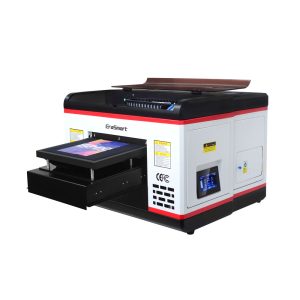
เครื่องพิมพ์เสื้อยืดเครื่องพิมพ์ Erasmart A3 DTG
รุ่นหนึ่งได้รับการปรับปรุงอย่างเต็มที่เพื่อการพิมพ์ด้วยหมึกสีขาวที่มีความเสถียร การบำรุงรักษาป้องกันการอุดตัน และการทำงานรายวันที่ง่ายดาย เหมาะสำหรับเครื่องแต่งกายตามสั่ง ร้านค้าขนาดเล็ก และการผลิตตามความต้องการ
- ขนาดการพิมพ์ A3 (300×420มม.)
- ความละเอียด 5760×1440 dpi
- ความสูงการพิมพ์ 0–130มม
ข้อมูลจำเพาะที่สำคัญ
| พารามิเตอร์ | ค่า |
|---|---|
| แบบอย่าง | เครื่องพิมพ์ EraSmart A3 DTG (EraSmart-A3L) |
| ขนาดการพิมพ์ | A3 (300 × 420 มม.) |
| ช่องหมึก | CMYK + ขาว (WW) |
| ปณิธาน | สูงสุด 5760 × 1440 dpi |
| ความสูงพิมพ์ | 0–130 มม. (การวัดอัตโนมัติด้วยอินฟราเรด) |
| ซอฟต์แวร์ RIP | Acrorip |
อาจเป็นเช่นเดียวกับคุณด้วย

เครื่องพิมพ์ Erasmart
เครื่องพิมพ์ UV
เครื่องพิมพ์ DTF
เครื่องพิมพ์ DTG
เครื่องกดความร้อน
เครื่องพิมพ์โฆษณา
เครื่องมือเครื่องพิมพ์
เตาอบ DTF
กดร้อน
เครื่องแกะสลัก
การถ่ายเทความร้อนของแก้ว
เครื่องเคลือบ
สิ้นเปลือง
หมึกพิมพ์
เคสโทรศัพท์มือถือ
ผลิตภัณฑ์แก้ว
ทำความสะอาดของเหลว
ผ้าฝ้าย
ติดต่อเรา
whatsapp: +8618566233796
WeChat: +8618566233796
มือถือ: +8618566233796
เว็บ:www.erasmart.com
ร้านค้า:www.erasmartmall.com
ลิขสิทธิ์ 2020 © Erasmart - แผนผังไซต์
วอทส์แอพหาเรา
ขอใบเสนอราคา
เพียงแค่ให้รายละเอียดเล็กน้อยและเราจะช่วยให้คุณได้รับใบเสนอราคาด่วน!