
DTF Maintenance Guide
In DTF production, maintenance is not a side task. It is part of daily output control. White ink management, nozzle condition, environmental stability, film cleanliness, and shutdown habits all influence whether the machine stays reliable or gradually moves toward avoidable clogging, waste, and downtime. This guide explains how to maintain a DTF printer more systematically and more professionally.
This page helps you manage
Daily maintenance routine
A practical daily sequence to reduce white ink and nozzle-related problems.
Idle-time risk
How to reduce damage when the printer will not be used for several days.
Environmental stability
Why temperature, humidity, dust, and airflow influence maintenance pressure.
On this page
Why Maintenance Matters
Daily Routine
Weekly Routine
White Ink Management
Idle Storage
สิ่งแวดล้อม
Common Mistakes
คำถามที่พบบ่อย
Foundation
Why DTF Maintenance Matters More Than Many Buyers Expect
Many DTF problems that appear to be “machine quality issues” are actually maintenance problems. A stable printer can become difficult to use if white ink is not managed well, if idle time is handled casually, or if environmental conditions keep forcing the printer into a more stressful routine.
Good maintenance is not only about preventing failure. It is also about protecting consistency, reducing reprints, controlling consumable waste, and making the printer easier to operate day after day. The real goal is not “cleaning more.” The goal is keeping the whole workflow predictable.
Protect print stability
Daily maintenance helps the printer stay closer to its normal operating condition instead of drifting into instability.
Reduce white ink risk
White ink discipline is one of the most important practical parts of a stable DTF workflow.
Lower real operating cost
Less waste, fewer remakes, and fewer emergency interruptions often improve ROI more than chasing lower consumable prices.
Daily Routine
A Short Daily Sequence Prevents Bigger Problems
• White ink check
• Nozzle check or print verification
• Surface cleanliness and safe shutdown
A Practical Daily DTF Maintenance Routine
A strong daily routine is usually simple rather than complicated. The purpose is to confirm that the machine begins the day in a stable condition, stays clean during operation, and is not left in a risky state at the end of the day. Most daily routines should focus on white ink awareness, print verification, and clean working conditions around the print area.
This kind of routine is especially important in DTF because a small maintenance delay can quietly turn into a bigger issue after a few days, particularly when white ink is involved.
1. Confirm white ink condition
Start the day by making sure the white ink side of the workflow is not being ignored.
2. Verify print condition
Use a quick verification habit before serious production begins.
3. Keep the working area clean
Film dust, powder residue, and careless buildup increase risk over time.
4. End the day properly
A casual shutdown often becomes tomorrow’s avoidable maintenance problem.
Weekly Care
Weekly Maintenance Should Focus on Prevention, Not Reaction
Weekly maintenance is where a shop steps back from daily output and checks whether the printer is gradually moving away from a healthy condition. This is the right time to review recurring small issues before they become visible defects, waste, or emergency downtime.
A practical weekly routine often includes deeper cleaning around the operating area, checking whether the machine is accumulating residue, and reviewing whether the working environment and white ink behavior still feel normal.
Suggested weekly focus
Clean more thoroughly around the print zone
Do not let a week of small residue turn into a harder maintenance problem.
Review recurring minor defects
A faint repeated problem is often an early maintenance signal.
Check workflow habits, not only machine parts
Many issues come from routine drift rather than sudden hardware failure.
White Ink Management
The Most Important Part of DTF Maintenance
• White ink should not be neglected
• Stagnation raises risk
• Maintenance discipline matters every day
White Ink Management Is Not Optional
White ink is often the most sensitive part of a DTF workflow. It is also the place where poor habits show up fastest. If white ink is left unattended, daily maintenance is skipped, or idle-time handling is careless, the printer becomes much harder to keep stable.
In practical terms, white ink maintenance means keeping the white side of the workflow active, observed, and treated as a daily responsibility. Shops that treat white ink casually usually end up paying for that mistake through instability, wasted time, and unnecessary support needs.
Treat white ink as daily work
It should be part of your routine, not something you remember only after a problem appears.
Do not wait during support delays
Keep basic white ink care going instead of letting stagnation make things worse.
Watch behavior, not just appearance
The white side can show stress before a major visible print defect arrives.
Idle Storage
What to Do If the Printer Will Sit Idle
Long idle periods are one of the biggest maintenance risks in DTF printing. Many support documents distinguish between normal daily gaps and longer periods where storage-related maintenance becomes necessary, especially when white ink systems are involved. The practical lesson is simple: do not treat an idle printer as if it were risk-free just because it is powered off.
A Few Days
Plan ahead. Do not leave the printer in a careless end-of-day state if you already know it will sit unused.
About a Week
A week of non-use should never be treated casually. Review your manufacturer’s storage routine and prepare the machine deliberately.
Two Weeks or More
This is where longer-term storage maintenance logic becomes much more important, especially for white ink systems.
A safer idle-time mindset
If you know the printer will not be used, prepare for that condition intentionally. Treat longer idle time as a different maintenance state, not as a normal day with no jobs.
สิ่งแวดล้อม
A Stable Environment Makes Maintenance Easier
Temperature, humidity, dust, and airflow all influence how much maintenance pressure a printer experiences. A poorly controlled environment often forces the printer into a more stressful routine and makes stable daily output harder to maintain.
Good environmental control is not only about print quality. It is also about reducing extra maintenance cycles, lowering consumable waste, and helping the machine stay in a healthier operating rhythm.
Keep temperature and humidity steady
Large swings usually make maintenance and printing harder, not easier.
Avoid dusty working conditions
Dust and debris quietly raise long-term print and maintenance risk.
Do not ignore the room
Some maintenance problems are really environment problems in disguise.
Common Mistakes
Maintenance Mistakes That Create Avoidable Problems
Skipping daily white ink care
This is one of the fastest ways to make a previously manageable machine harder to control.
Treating idle time casually
Planned downtime should have its own maintenance logic, not be treated as a normal day.
Ignoring environmental drift
A bad room can quietly increase cleaning pressure, waste, and instability.
Waiting too long after small warning signs
Minor repeated issues are often early maintenance warnings, not random events.
Related Guides
Continue Stabilizing Your DTF Workflow
Go deeper into white ink behavior and prevention mindset.
A more specific guide for one of the most common maintenance risk scenarios.
Common DTF Printing Problems
See how maintenance and workflow issues show up in actual print defects.
DTF Consumables Guide
Maintenance gets easier when ink, film, and powder are also matched properly.
คำถามที่พบบ่อย
-
1. What is the most important daily DTF maintenance task?
For many workflows, the most important daily habit is not neglecting the white ink side of the system and verifying print condition before serious production begins.
-
2. Why does a printer seem fine, then suddenly become unstable?
Because maintenance problems often build gradually. Skipped routines, poor shutdowns, and unstable environment conditions usually create delayed rather than immediate failure.
-
3. Should I worry if the printer will sit unused for several days?
Yes. Planned idle periods deserve deliberate preparation. Treating them casually is one of the most common causes of avoidable trouble.
-
4. Can bad room conditions really increase maintenance?
Yes. A room that is too dry, too unstable, or too dusty can quietly make the printer harder to keep in a healthy operating state.
ซีรี่ส์เครื่องพิมพ์ EraSmart
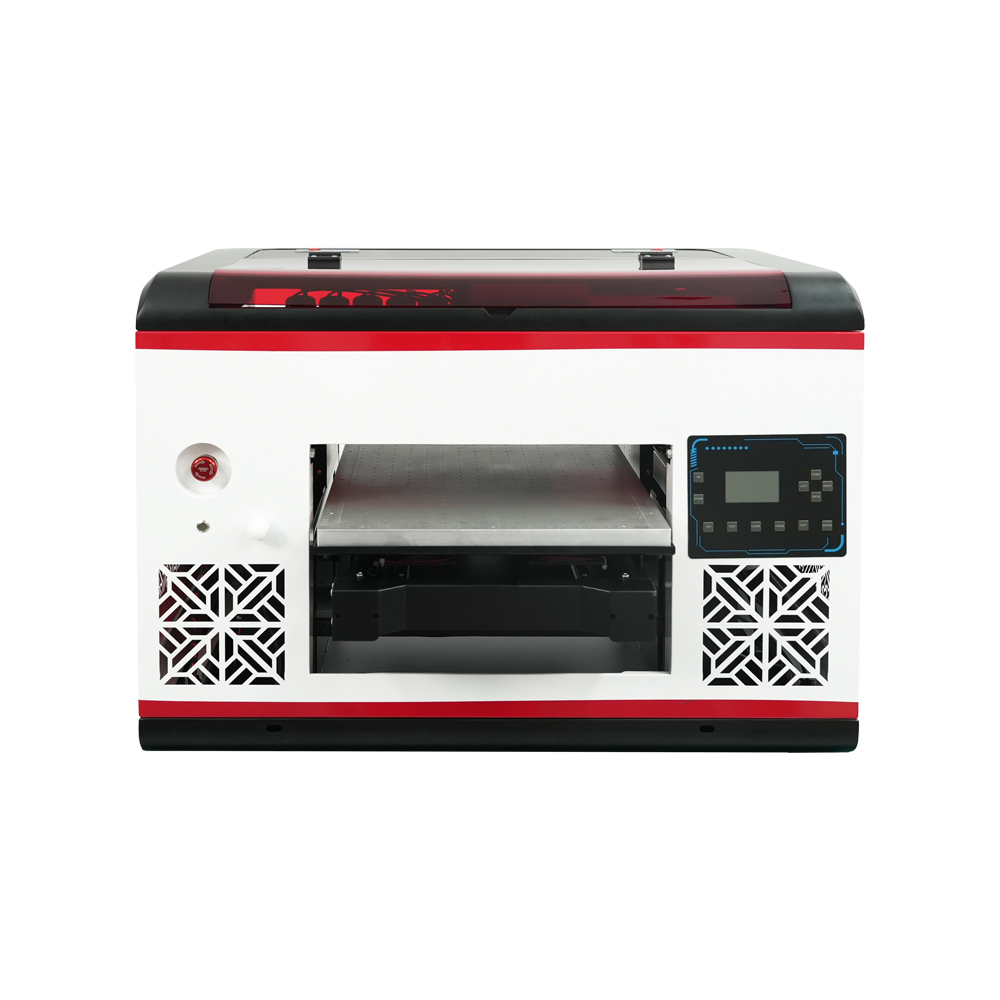
High-quality UV Printers for metal, acrylic, glass, wood & more. Instant curing, vivid 1440dpi prints, versatile for diverse materials.
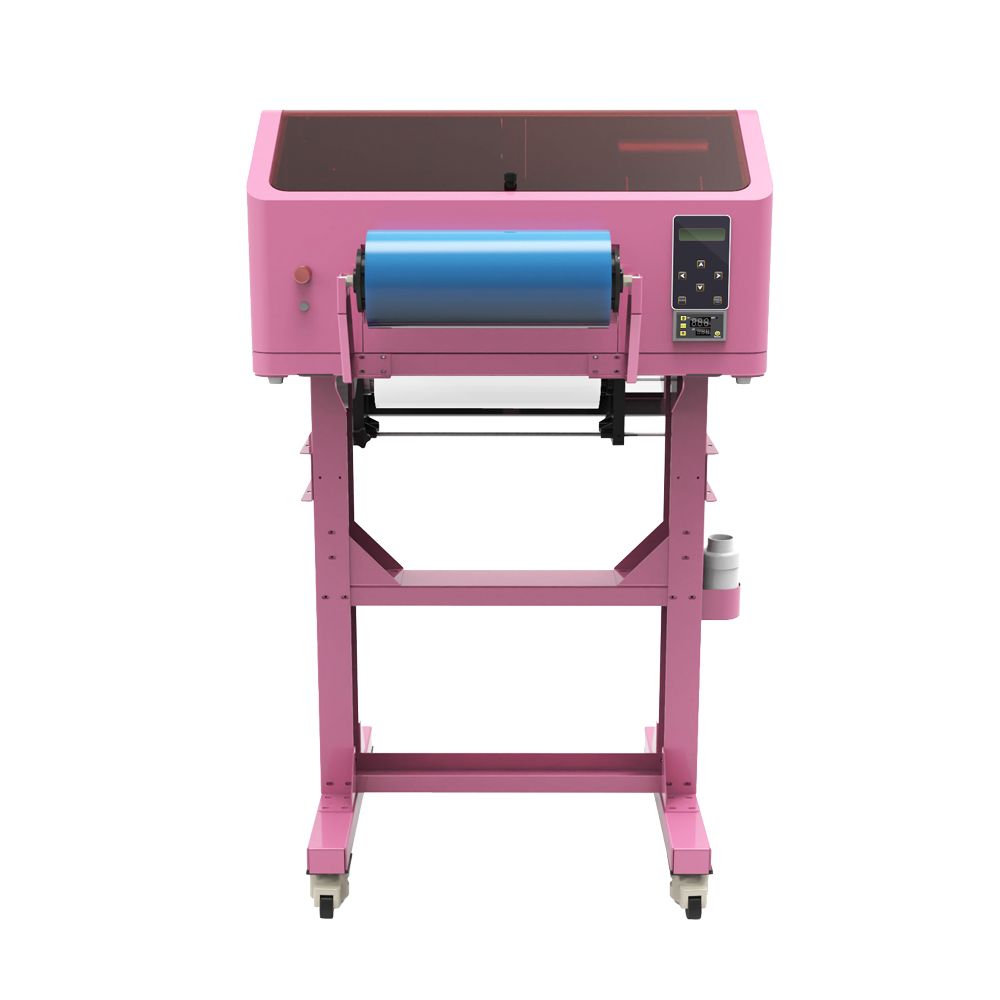
พิมพ์สติ๊กเกอร์นูนสีสดใสด้วย **CMYK + สีขาว + วานิช** ได้ในรอบเดียว ไม่มีแป้ง ไม่มีเตาอบ ลอกและติดบนสิ่งของที่เรียบหรือโค้งได้ภายในไม่กี่นาที
Couldn't find a suitable guide? Get Free Technical Support Now!
เพียงแค่ให้รายละเอียดเล็กน้อยและเราจะช่วยให้คุณได้รับใบเสนอราคาด่วน!
เครื่องพิมพ์ Erasmart
เครื่องพิมพ์ UV
เครื่องพิมพ์ DTF
เครื่องพิมพ์ DTG
เครื่องกดความร้อน
เครื่องพิมพ์โฆษณา
เครื่องมือเครื่องพิมพ์
เตาอบ DTF
กดร้อน
เครื่องแกะสลัก
การถ่ายเทความร้อนของแก้ว
เครื่องเคลือบ
สิ้นเปลือง
หมึกพิมพ์
เคสโทรศัพท์มือถือ
ผลิตภัณฑ์แก้ว
ทำความสะอาดของเหลว
ผ้าฝ้าย
ติดต่อเรา
whatsapp: +8618566233796
WeChat: +8618566233796
มือถือ: +8618566233796
เว็บ:www.erasmart.com
ร้านค้า:www.erasmartmall.com
วอทส์แอพหาเรา
ดาวน์ลง
ปล่อยให้คุณส่งอีเมลและส่ง URL ดาวน์โหลดไปที่อีเมล
ขอใบเสนอราคา
เพียงแค่ให้รายละเอียดเล็กน้อยและเราจะช่วยให้คุณได้รับใบเสนอราคาด่วน!