
DTF Printing Guide - 2026 Content Hub
DTF has become one of the most practical decoration methods for small-batch apparel production, mixed-fabric orders, sportswear personalization, and fast-turnaround e-commerce workflows. This guide explains how DTF works, why it solves problems that traditional workflows often struggle with, how to choose the right machine and printhead, how consumables change print feel and durability, and how to reduce avoidable maintenance risk.
This guide helps you answer
Is DTF right for my business?
Which machine tier should I buy?
How do I keep output stable?
On this page
What is DTF?
Why DTF Wins
DTF vs Other Methods
Who Should Use It
ROI Logic
How to Choose a Printer
สิ้นเปลือง
Maintenance & Problems
การพิมพ์ DTF คืออะไร?
DTF, short for Direct to Film, is a transfer-based decoration process. The design is first printed onto a special PET film, then coated with adhesive powder, cured, and heat pressed onto the final garment or product surface. Instead of printing directly on the shirt, the image is built on film and transferred afterward.
That workflow makes DTF especially attractive for shops that need flexibility. It supports full-color artwork, one-off orders, short runs, rapid design changes, and mixed-fabric production without forcing the operator into a high setup burden for each new job.
Print to film first
The artwork is created on transfer film rather than printed directly on the garment surface.
Transfer under heat
Adhesive powder and heat pressing allow the graphic to bond to the target material cleanly and efficiently.
Built for flexibility
Useful for diverse order mixes, including dark garments, synthetic blends, and fast-turnaround custom work.
Why DTF Has Become the Practical Choice for Many Small-Batch Shops
The real value of DTF is not that it is “new.” Its value is that it solves the exact types of jobs many decorators find inconvenient, risky, or inefficient with older methods: dark garments, polyester-heavy orders, full-color graphics, low minimum quantities, and fast design rotation.
In many DTG workflows, pretreatment becomes part of the process when white ink, dark garments, or polyester-related applications are involved. DTF changes the logic by first building the image on film and then transferring it. For mixed-order environments, that often means fewer process changes and more confidence when taking varied jobs.
DTF usually wins when the job requires:
Short runs and one-off jobs
No plate-making and no labor-heavy weeding for complex full-color graphics.
Mixed fabrics in the same workflow
Useful for cotton, polyester, blends, and many soft goods in a single business model.
Rapid design turnover
Ideal for e-commerce testing, seasonal drops, local merch, and personalization.
Detailed, color-rich artwork
Photo-style graphics and gradient-rich designs are easier to handle than with traditional cut media.
DTF vs DTG vs Screen Printing vs HTV
No decoration method wins every order. The right process depends on quantity, artwork complexity, material mix, lead time, and labor structure. For small-batch customization and mixed-fabric workflows, DTF is often the most balanced option.
| วิธี | ใช้ดีที่สุด | จุดแข็ง | ข้อจำกัด |
|---|---|---|---|
| DTF | Short runs, dark garments, mixed fabrics, full-color graphics | Flexible workflow, broad application range, easy design changes, strong fit for customization | Requires stable film, powder, profiles, and white ink maintenance |
| ดีทีจี | Direct garment printing, especially cotton-focused workflows | Strong detail on suitable garments, direct print feel, retail-oriented output | More process-sensitive for dark garments, white ink, and polyester-related scenarios |
| การพิมพ์สกรีน | Large repeat runs | Very efficient at scale once setup is complete | Plate-making, setup time, and low flexibility for small quantities |
| HTV | Simple logos, names, numbers, cut shapes | Useful for simple personalization jobs | Weeding labor rises sharply with complex multi-color designs |
Who Should Use DTF?
DTF is not limited to one type of customer. One of its biggest advantages is that it serves very different business stages, from personal creators and small studios to organized commercial decorators and large-scale production environments. If your workflow depends on flexibility, design variety, short lead times, or mixed-fabric output, DTF is worth serious consideration.
DIY Hobbyists
Ideal for creators who want to produce custom garments, gifts, and small personal projects with full-color graphics and low setup complexity.
สตูดิโอขนาดเล็ก
A strong option for local customization shops and compact production spaces that need low-MOQ flexibility, fast response, and broad application range.
E-commerce Entrepreneurs
DTF supports rapid design testing, small-batch fulfillment, and trend-driven product launches without the burden of large inventory commitments.
Apparel Customization Startups
Suitable for new garment businesses that need professional print results, design flexibility, and controllable startup costs in the early growth stage.
Small Custom Apparel Businesses
A practical solution for businesses already handling custom T-shirts, hoodies, uniforms, and event orders that need stable daily output and faster turnaround.
Designer Studios
Well suited for creative teams that prioritize image detail, color-rich artwork, limited-edition drops, and custom visual storytelling on apparel.
Large-Scale Producers
DTF can also support high-output environments when equipped with the right printhead tier, stable workflow, consistent consumables, and disciplined maintenance systems.
Uniform & Teamwear Decorators
Strong fit for names, numbers, logos, and repeated short-run polyester decoration where speed, repeatability, and order flexibility matter.
Local Merch & Event Sellers
Useful for concerts, school events, brand campaigns, and seasonal merchandise where short lead times and varied designs are part of the business model.
DTF ROI: What Actually Drives Payback?
Buyers often ask whether DTF is profitable. The better question is whether your workflow can convert machine time into sellable output with low waste. Payback is driven by job mix, margin per garment, reject rate, labor efficiency, and how many previously inconvenient jobs DTF allows you to accept.
That is why ROI should not be treated as just “machine price divided by profit.” It should be modeled around throughput, order flexibility, consumable stability, and the commercial value of short-run production across different customer types, from small studios to growing apparel brands.
Four ROI levers that matter most
1. More accepted order types
Mixed fabrics, dark garments, teamwear, and short-run designs become easier to take.
2. Lower setup friction
You spend less time on prep-heavy processes for every small order.
3. Better design agility
A faster design-change workflow is valuable for e-commerce and local customization.
4. Stable production habits
Good maintenance and matched consumables reduce hidden cost from rejects and downtime.
How to Choose the Right DTF Printer
The right printer is not simply the cheapest one you can start with. A better buying decision comes from matching your expected order volume, print size, daily operating rhythm, and service expectations to the correct machine tier.
Entry Level: Startup or Testing Stage
Focus on manageable investment, easy learning, and a stable white ink system. Cheap does not help if downtime comes too early.
Growth Stage: Commercial Stability
Frame quality, motion stability, suction platform performance, and board system matter more as paid orders increase.
High Output: Factory Efficiency
Once volume grows, repeatability, speed ceiling, service response, and low interruption cost become the priority.
Printhead Logic: XP600 vs i1600 vs i3200
Printhead choice influences speed, stability expectation, replacement economics, and the realistic ceiling of your production plan. The wrong decision is often not “buying too cheap” or “buying too expensive,” but buying a head that does not match your business stage.
| หัวพิมพ์ | Positioning | Best Fit | Buying Mindset |
|---|---|---|---|
| xp600 | Entry-level / budget-sensitive | Business validation, early learning stage | Low entry barrier, but do not expect it to behave like industrial equipment |
| i1600 | Balanced commercial tier | Growing shops that want better long-term stability | Often the most practical step-up when you have real orders already |
| i3200 | High-output / industrial | Factory rhythm, larger contract production, high daily output | Best when the rest of the machine system is equally strong |
Consumables Decide Feel, Durability, and Repeatability
A stable DTF result depends on the relationship between ink, film, powder, profile, curing, and pressing. Operators often blame the printer first, but many real production issues come from mismatched consumables or unstable process settings.
That is why the lowest consumable price is rarely the true lowest cost. Poorly matched ink, film, or powder can create oiling, poor release, weak adhesion, harsh hand feel, color inconsistency, or rework.
หมึก
Do not casually mix brands or generations. White ink behavior and profile matching affect both reliability and appearance.
ฟิล์ม
Hot peel and cold peel choices affect release rhythm, finish, workflow speed, and operator preference.
ผง
Powder particle size influences softness, adhesion style, and fabric fit. The best powder depends on the application.
Production Workflow: The Printer Is Only One Part of the System
Stable production depends on a complete chain: artwork preparation, RIP configuration, film feeding, powder handling, curing behavior, heat pressing, and environmental control. Many “machine problems” are actually workflow problems.
Artwork & RIP
Control white layer logic, color management, and gang sheet layout.
Print on Film
Keep film flat, nozzle output clean, and motion stable.
ผงและการรักษา
Even powder distribution and correct curing are essential to transfer strength and feel.
กดความร้อน
Temperature, pressure, peel timing, and secondary press steps influence final quality.
Maintenance and Troubleshooting Are Part of Production
In DTF, maintenance is not a side task. It is part of daily production control. White ink movement, nozzle condition, film flatness, ambient environment, and shutdown habits all directly affect print stability and head safety.
The most expensive mistakes usually come from ignored basics: weak circulation, poor idle storage, film lifting, head strike risk, static, and delayed troubleshooting when print defects first appear.
White ink clogging
Why circulation, agitation, and shutdown habits matter.
White edge, blurry print, stringing, static
A practical problem index for common output defects.
Idle for 7 days
How to reduce risk when a printer will not be used for several days.
Couldn't find a suitable guide? Get Free Technical Support Now!
เพียงแค่ให้รายละเอียดเล็กน้อยและเราจะช่วยให้คุณได้รับใบเสนอราคาด่วน!
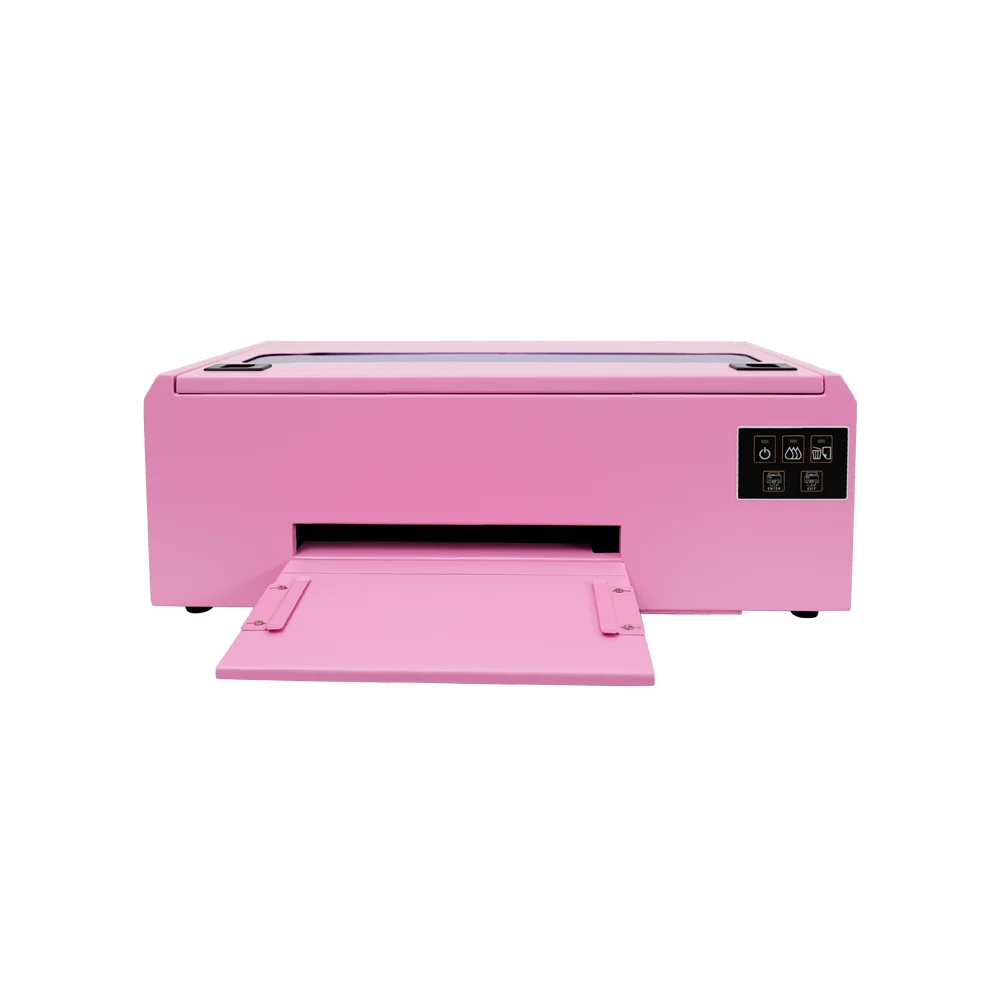
ซีรี่ส์เครื่องพิมพ์ EraSmart
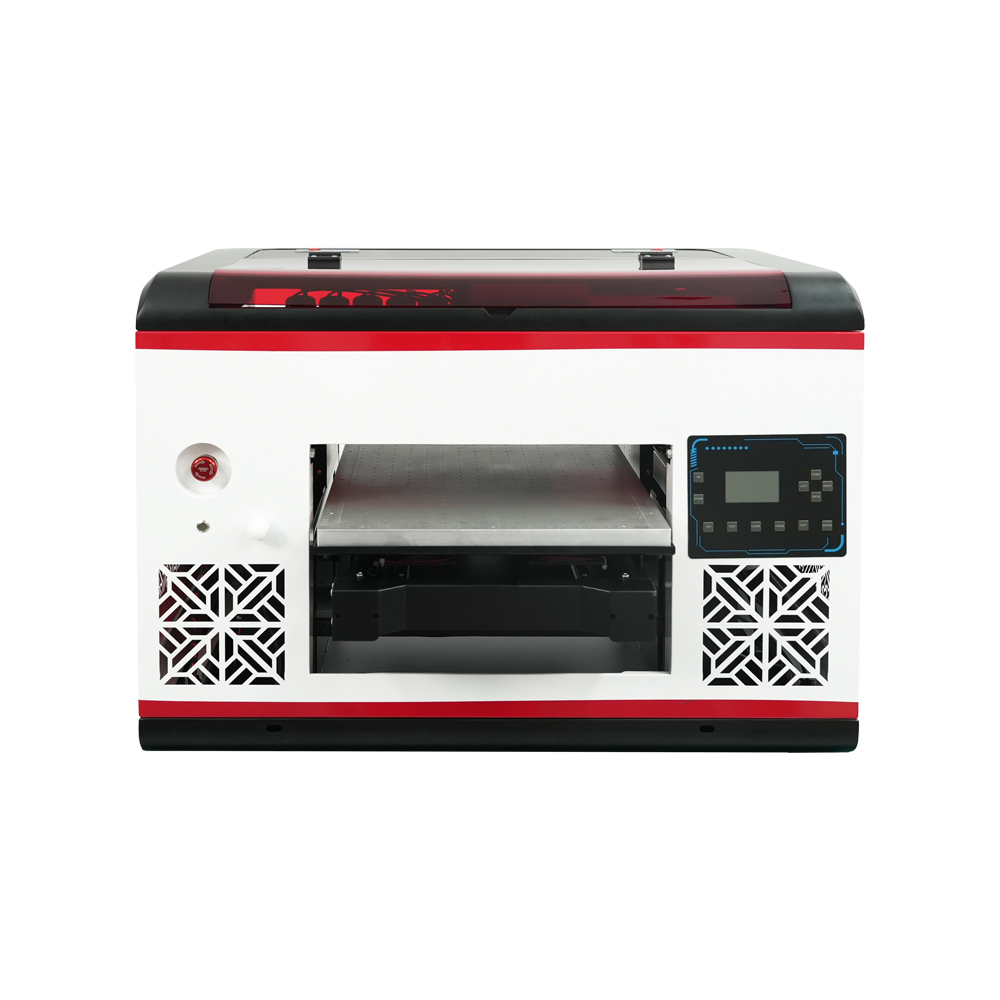
High-quality UV Printers for metal, acrylic, glass, wood & more. Instant curing, vivid 1440dpi prints, versatile for diverse materials.
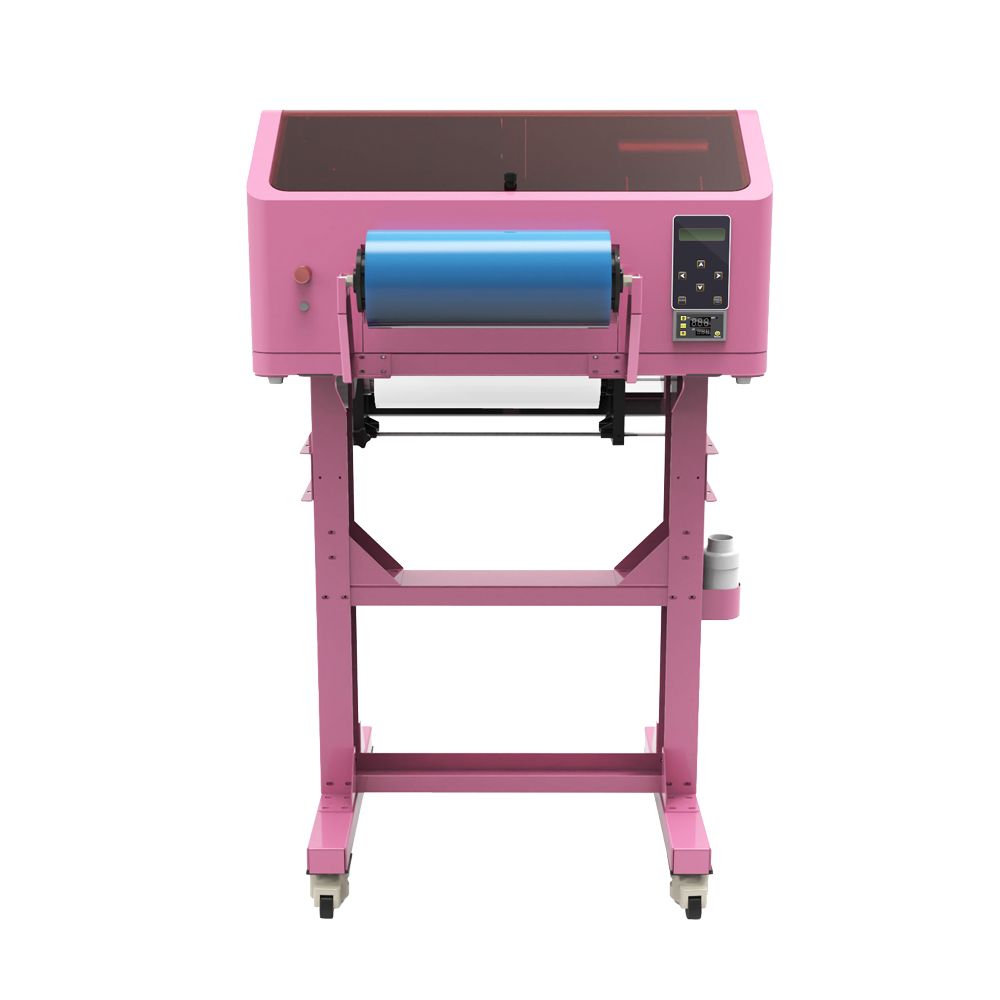
พิมพ์สติ๊กเกอร์นูนสีสดใสด้วย **CMYK + สีขาว + วานิช** ได้ในรอบเดียว ไม่มีแป้ง ไม่มีเตาอบ ลอกและติดบนสิ่งของที่เรียบหรือโค้งได้ภายในไม่กี่นาที
Frequently Asked Questions About DTF
-
1. Is DTF good for small businesses?
Yes, especially when your business depends on low minimums, full-color graphics, mixed materials, and fast design turnover.
-
2. Can DTF handle dark garments and polyester-related jobs?
That is one of the main reasons many shops adopt DTF, especially when traditional workflows become process-heavy or restrictive.
-
3. Does the cheapest machine always give the best ROI?
Not usually. Downtime, waste, output quality, and maintenance burden can erase the savings very quickly.
-
4. Should I think about maintenance before buying?
Absolutely. In DTF, stable white ink handling and daily operator discipline are part of the real buying decision.
เครื่องพิมพ์ Erasmart
เครื่องพิมพ์ UV
เครื่องพิมพ์ DTF
เครื่องพิมพ์ DTG
เครื่องกดความร้อน
เครื่องพิมพ์โฆษณา
เครื่องมือเครื่องพิมพ์
เตาอบ DTF
กดร้อน
เครื่องแกะสลัก
การถ่ายเทความร้อนของแก้ว
เครื่องเคลือบ
สิ้นเปลือง
หมึกพิมพ์
เคสโทรศัพท์มือถือ
ผลิตภัณฑ์แก้ว
ทำความสะอาดของเหลว
ผ้าฝ้าย
ติดต่อเรา
whatsapp: +8618566233796
WeChat: +8618566233796
มือถือ: +8618566233796
เว็บ:www.erasmart.com
ร้านค้า:www.erasmartmall.com
วอทส์แอพหาเรา
ดาวน์ลง
ปล่อยให้คุณส่งอีเมลและส่ง URL ดาวน์โหลดไปที่อีเมล
ขอใบเสนอราคา
เพียงแค่ให้รายละเอียดเล็กน้อยและเราจะช่วยให้คุณได้รับใบเสนอราคาด่วน!