
DTF Production Workflow
This page helps you manage
The full process, step by step
Where bottlenecks usually appear
How to build a smoother line
The best workflow is the one that stays stable under daily orders, not just one perfect test run.
On this page
Why Workflow Matters
Workflow Overview
1. Design & RIP
2. Print
3. Powder & Dry
4. Transfer
5. QC
Workflow Upgrades
Foundation
Why DTF Workflow Matters More Than Many Buyers Think
Many DTF users focus first on the printer, but most real production problems happen in the workflow between stages. A perfect design file can still fail if RIP settings are wrong. A good print can still be wasted if powdering is uneven. A clean film can still produce a poor garment if the curing or heat press step is inconsistent. That is why DTF should be understood as a connected production line, not as a single machine task.
The strongest workflow is the one where each stage supports the next stage naturally. That is what creates repeatability, smoother labor, lower remake rate, and better business confidence.
Fewer bottlenecks
A good line does not let one strong step get wasted by a weak handoff to the next one.
More stable quality
Consistency comes from step-to-step control, not only from one good printer specification.
Better ROI
A smoother workflow lowers waste, operator friction, and hidden delays across the whole business.
ภาพรวม
The Standard DTF Production Workflow
การออกแบบและ RIP
Prepare artwork, white layer logic, layout, and print settings.
Print on PET Film
Print the color and white layers consistently on film.
Powder & Dry
Apply hot-melt powder, remove excess, and cure evenly.
การถ่ายเทความร้อน
Press the cured transfer onto the garment or target material.
QC & Delivery
Inspect feel, appearance, adhesion, and order readiness.
Stage 1
Design, RIP, and File Preparation
The production line begins with design quality and RIP preparation. At this stage, the goal is not only to make artwork printable, but to make it efficient for the actual production system. Good file prep should consider white layer logic, layout efficiency, detail retention, and whether the output mode fits the job type.
This is also where gang-sheet thinking becomes valuable. Better layout planning can reduce film waste, increase sellable output from each run, and make the next steps more efficient.
Artwork clarity
Fine details lost here will not become sharper later in the line.
White layer and queue setup
This step determines how the printer and film will behave downstream.
Film utilization
Better layout logic improves both margin and production efficiency.
Stage 2
Print on PET Film
In this stage, the printer produces the transfer image on PET film. The quality of this step depends not only on printhead choice, but also on maintenance condition, white ink stability, film handling, and matched settings. A good print stage should create a film output that moves naturally into powdering and curing without creating extra operator doubt.
If the film does not track cleanly, if white output is unstable, or if print detail looks inconsistent, the problem should be addressed here rather than being pushed downstream into later stages.
Print consistency on film
The film should already look production-ready before powdering starts.
White ink behavior
White instability here often becomes a bigger defect later.
Film transport stability
A flat stable path protects detail, layer accuracy, and head safety.
Stage 3
Powder Application and Drying
Powdering and drying are where the printed film becomes a usable transfer. If powder coverage is inconsistent, if excess handling is messy, or if drying is uneven, later pressing results will be harder to control. This is why many businesses eventually move from manual powdering toward a more standardized shaker and dryer workflow.
A stronger setup reduces manual variability, makes excess powder handling cleaner, and gives the production line a more continuous rhythm. This stage is often where a growing shop decides whether it is time to automate more of the workflow.
Powder application consistency
This directly affects feel, adhesion character, and repeatability.
Excess powder control
A cleaner system reduces waste and operator friction.
Drying stability
The objective is even predictable curing, not just heat for the sake of heat.
Stage 4
Heat Transfer to the Garment
This is the point where the workflow becomes customer-visible. A transfer that looked acceptable on film can still disappoint if the press step is inconsistent, rushed, or poorly matched to the finished transfer. The press stage should be treated as a controlled production step, not as an afterthought.
Film type, cured transfer quality, garment surface, and press discipline all influence the final appearance and feel. That is why the press stage should always be reviewed together with what happened earlier in the line.
Press consistency
The final result should not depend on operator improvisation.
Peel behavior
Your workflow should match the film type and handling rhythm you selected.
Finished feel and appearance
This is the moment where the customer experience becomes real.
Stage 5
Quality Control, Rework Logic, and Delivery Readiness
Quality control should not only check whether the design is visible. It should confirm that the finished transfer looks correct, feels consistent, and is ready to represent the brand or shop professionally. This stage is also where a business decides whether the item is sellable, needs rework, or reveals a deeper workflow issue that should be fixed upstream.
A good QC routine is one of the best ways to stop small recurring issues from becoming “normal.” What gets accepted repeatedly becomes part of the process, whether it should be or not.
Appearance check
The design should look clean, aligned, and commercially acceptable.
Feel check
The transfer should match the product category and customer expectation.
Rework discipline
A defect should trigger learning, not only disposal.
Workflow Upgrades
How to Improve a DTF Workflow as the Business Grows
Stage 1: Keep it simple
Focus on learning the process, controlling consumables, and making sure each step is understandable before adding complexity.
Stage 2: Standardize weak handoffs
This is often when better powdering, drying, layout planning, and daily maintenance create the biggest gains.
Stage 3: Scale with confidence
Once the process feels stable, automation and better workflow equipment can unlock higher output without chaotic labor growth.
Related Guides
Build the Full DTF Workflow System
Match printer tier to the workflow level your business can really support.
Understand when automation improves consistency more than labor alone can.
DTF Consumables Guide
Matched ink, film, and powder keep the whole process easier to control.
DTF ROI Calculator
See how workflow efficiency changes real margin and payback speed.
คำถามที่พบบ่อย
-
1. What is the standard DTF production workflow?
A practical standard workflow is design and RIP setup, printing on PET film, powder application, drying or curing, heat transfer, and final quality inspection.
-
2. Which step causes the most hidden problems?
Usually the handoff points between steps. A good stage followed by a weak next stage often creates more trouble than an obviously bad single step.
-
3. When should a shop automate powdering and drying?
Usually when daily orders are rising, manual powdering feels inconsistent, or operators are spending too much time on repetitive handling instead of productive output.
-
4. Is DTF workflow mostly about the printer?
No. The printer is central, but the business result depends on the complete line from file prep to transfer and QC.
ซีรี่ส์เครื่องพิมพ์ EraSmart
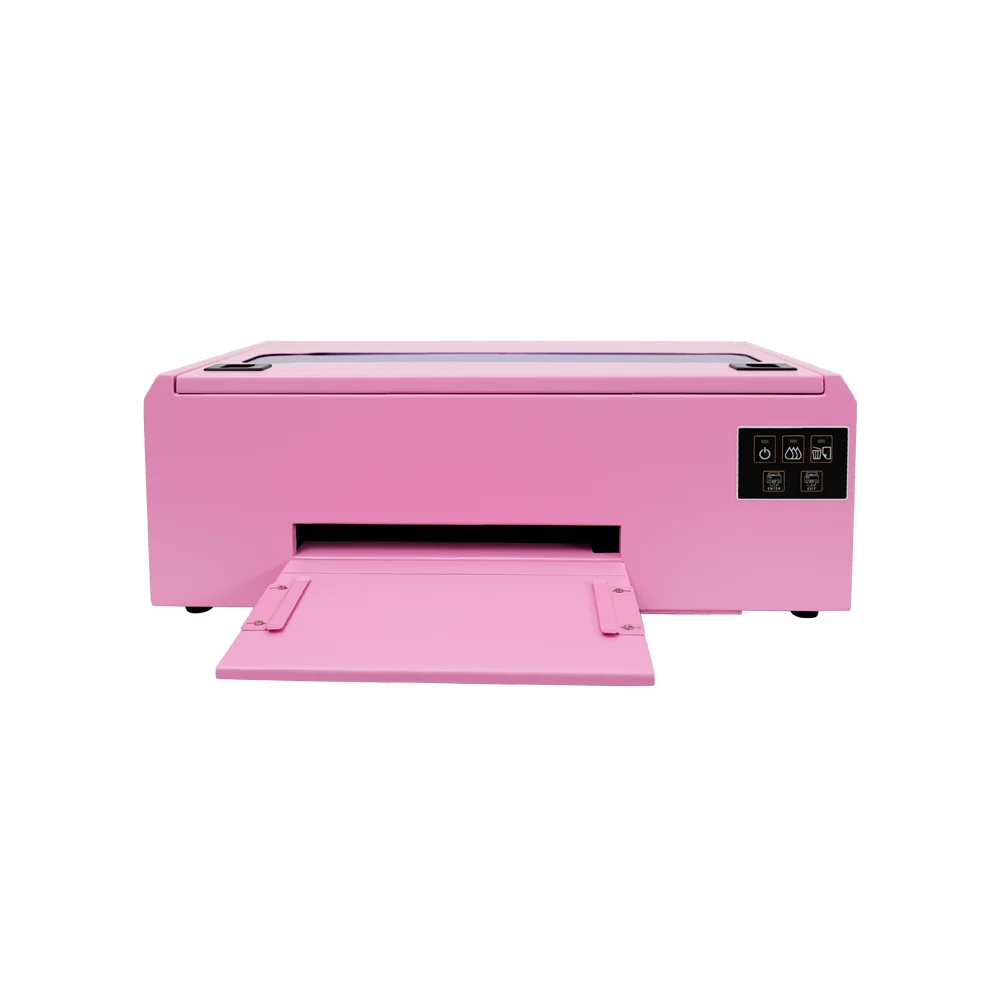
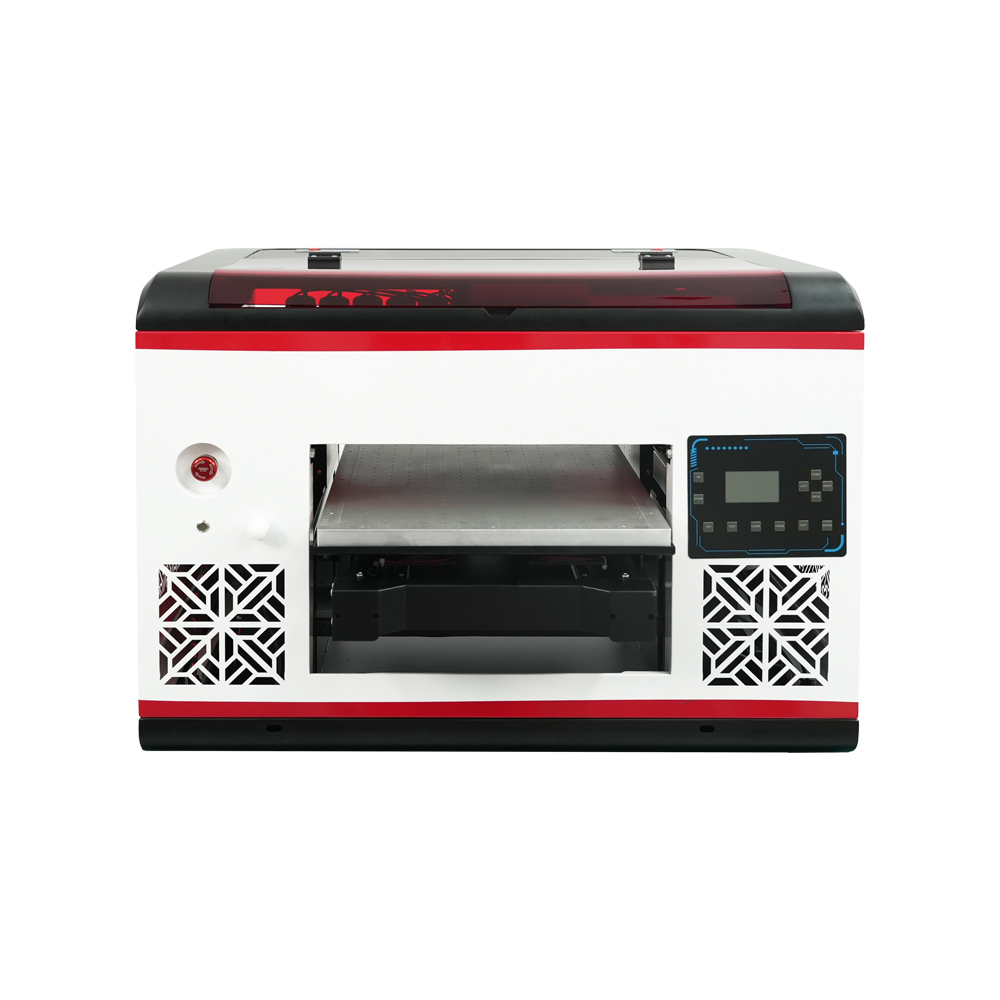
High-quality UV Printers for metal, acrylic, glass, wood & more. Instant curing, vivid 1440dpi prints, versatile for diverse materials.
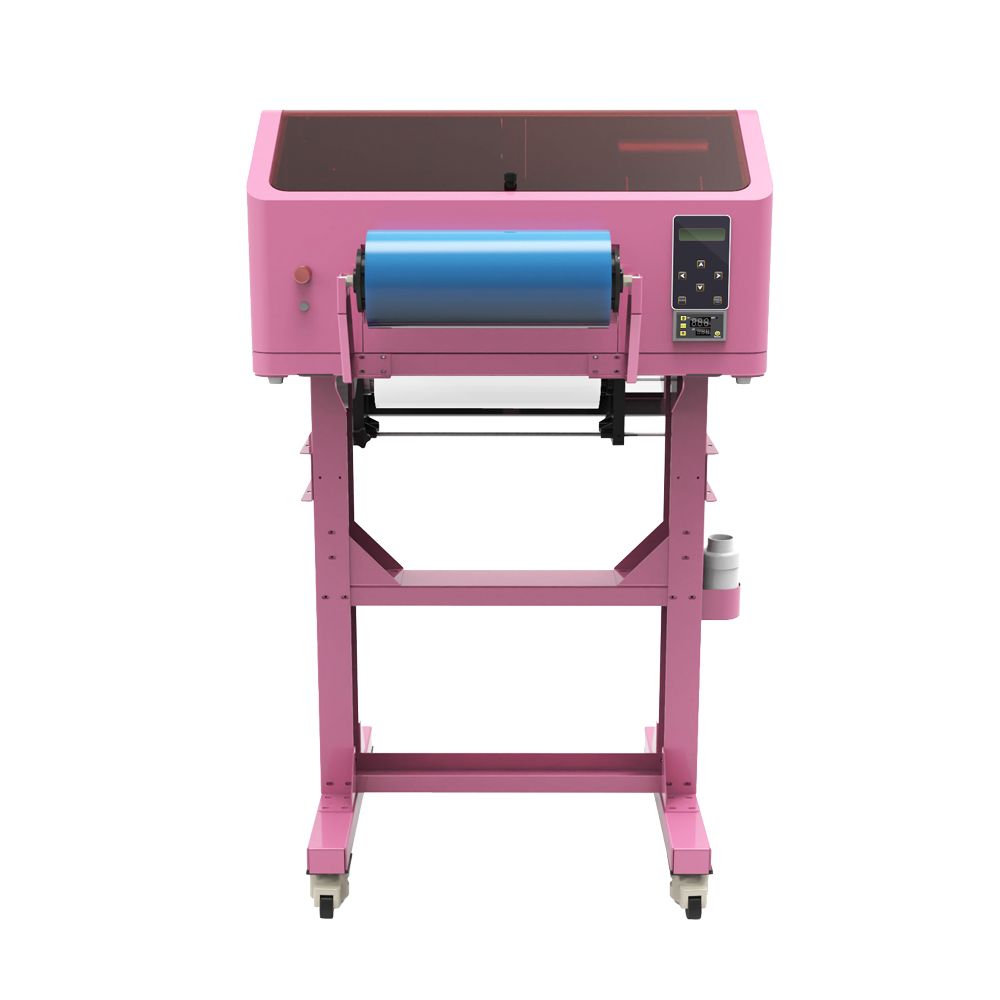
พิมพ์สติ๊กเกอร์นูนสีสดใสด้วย **CMYK + สีขาว + วานิช** ได้ในรอบเดียว ไม่มีแป้ง ไม่มีเตาอบ ลอกและติดบนสิ่งของที่เรียบหรือโค้งได้ภายในไม่กี่นาที
Couldn't find a suitable guide? Get Free Technical Support Now!
เพียงแค่ให้รายละเอียดเล็กน้อยและเราจะช่วยให้คุณได้รับใบเสนอราคาด่วน!
เครื่องพิมพ์ Erasmart
เครื่องพิมพ์ UV
เครื่องพิมพ์ DTF
เครื่องพิมพ์ DTG
เครื่องกดความร้อน
เครื่องพิมพ์โฆษณา
เครื่องมือเครื่องพิมพ์
เตาอบ DTF
กดร้อน
เครื่องแกะสลัก
การถ่ายเทความร้อนของแก้ว
เครื่องเคลือบ
สิ้นเปลือง
หมึกพิมพ์
เคสโทรศัพท์มือถือ
ผลิตภัณฑ์แก้ว
ทำความสะอาดของเหลว
ผ้าฝ้าย
ติดต่อเรา
whatsapp: +8618566233796
WeChat: +8618566233796
มือถือ: +8618566233796
เว็บ:www.erasmart.com
ร้านค้า:www.erasmartmall.com
วอทส์แอพหาเรา
ดาวน์ลง
ปล่อยให้คุณส่งอีเมลและส่ง URL ดาวน์โหลดไปที่อีเมล
ขอใบเสนอราคา
เพียงแค่ให้รายละเอียดเล็กน้อยและเราจะช่วยให้คุณได้รับใบเสนอราคาด่วน!