
DTF กับ DTG กับการพิมพ์สกรีนกับ HTV
ไม่มีวิธีการตกแต่งเสื้อผ้าใดที่จะชนะทุกงาน ตัวเลือกที่เหมาะสมขึ้นอยู่กับปริมาณการสั่งซื้อ ประเภทของผ้า ความซับซ้อนของอาร์ตเวิร์ค ภาระในการตั้งค่า ความเร็วในการดำเนินการ และวิธีที่ธุรกิจของคุณสร้างรายได้จริง คู่มือนี้จะเปรียบเทียบ DTF, DTG, การพิมพ์สกรีน และ HTV จากมุมมองการผลิตจริง เพื่อให้คุณสามารถเลือกวิธีการที่เหมาะกับคำสั่งซื้อ แทนที่จะบังคับทุกคำสั่งซื้อให้อยู่ในขั้นตอนการทำงานเดียวกัน
หน้านี้ช่วยคุณตัดสินใจ
เมื่อ DTF เป็นตัวเลือกที่ใช้งานได้จริงที่สุด
เมื่อวิธีอื่นดีกว่าจริงๆ
วิธีการเลือกตามรูปแบบธุรกิจ
บนหน้านี้
ตอบด่วน
ตารางเปรียบเทียบ
DTF
ดีทีจี
การพิมพ์สกรีน
เอชทีวี
ดีที่สุดตามสถานการณ์
คำถามที่พบบ่อย
ตอบด่วน
วิธีใดที่จะชนะคำสั่งประเภทใด?
DTF มักจะเป็นคำตอบที่สมดุลที่สุดสำหรับการสั่งซื้อชิ้นเดียว งานสั่งทำระยะสั้น อาร์ตเวิร์คที่ใช้สี ขั้นตอนการทำงานแบบผสมผ้า เสื้อผ้าสีเข้ม และงานสั่งทำพิเศษที่ตอบสนองเร็ว DTG มักจะแข็งแกร่งที่สุดเมื่อธุรกิจเน้นผ้าฝ้าย และการวางตำแหน่งผลิตภัณฑ์ให้ความสำคัญกับการพิมพ์โดยตรง การพิมพ์สกรีนมักจะแข็งแกร่งขึ้นเมื่อมีปริมาณการสั่งซื้อสูงขึ้น และการออกแบบจะทำซ้ำมากพอที่จะปรับงานการตั้งค่าได้ โดยปกติแล้ว HTV จะแข็งแกร่งที่สุดสำหรับกราฟิก ชื่อ ตัวเลข และการปรับแต่งรูปทรงแบบเรียบง่าย
สมดุลที่สุด - DTF
ดีที่สุดเมื่อธุรกิจขึ้นอยู่กับปริมาณขั้นต่ำที่ต่ำ ผ้าผสม และการจัดการคำสั่งซื้อที่ยืดหยุ่น
เน้นผ้าฝ้าย - DTG
ดีที่สุดเมื่อทิศทางผลิตภัณฑ์เน้นผ้าฝ้ายเป็นหลักและการพิมพ์เสื้อผ้าโดยตรงคือเป้าหมายหลัก
งานซ้ำจำนวนมาก - การพิมพ์สกรีน
ดีที่สุดเมื่อการตั้งค่าสามารถกระจายไปยังคำสั่งซื้อซ้ำที่มีขนาดใหญ่กว่าและปริมาณที่คงที่มีความสำคัญมากกว่าความยืดหยุ่น
การปรับเปลี่ยนในแบบของคุณอย่างง่าย - HTV
ดีที่สุดเมื่อการออกแบบเรียบง่าย สะอาด และตัด กำจัดวัชพืช และทาได้ง่าย
DTF
มีความสมดุลมากที่สุดสำหรับขั้นตอนการตัดเย็บเสื้อผ้าสมัยใหม่
• แข็งแกร่งสำหรับขั้นต่ำที่ต่ำและการวิ่งระยะสั้น
• ใช้งานได้จริงกับคำสั่งซื้อผ้าผสม
• เหมาะสำหรับงานสั่งทำพิเศษที่ตอบสนองรวดเร็ว
เมื่อ DTF มักจะสมเหตุสมผลที่สุด
DTF มักเป็นตัวเลือกที่สมดุลที่สุดเมื่อธุรกิจต้องจัดการกับคำสั่งซื้อชิ้นเดียว การเปลี่ยนแปลงการออกแบบบ่อยครั้ง งานศิลปะที่ใช้สีทั้งชุด เสื้อผ้าสีเข้ม ชื่อและหมายเลขชุดกีฬา และขั้นตอนการสั่งซื้อผ้าผสม แทนที่จะพิมพ์ลงบนเสื้อโดยตรง DTF จะสร้างภาพบนแผ่นฟิล์มแล้วถ่ายโอนในภายหลัง ซึ่งช่วยให้ขั้นตอนการทำงานมีความยืดหยุ่นมากขึ้นในการใช้งานเชิงพาณิชย์ในชีวิตประจำวัน
นี่คือเหตุผลที่ DTF มีความแข็งแกร่งเป็นพิเศษสำหรับผู้ขายอีคอมเมิร์ซ สตูดิโอปรับแต่งสินค้าในท้องถิ่น แบรนด์เสื้อผ้าสตาร์ทอัพ และทีมผู้ผลิตที่ต้องตอบรับงานประเภทต่างๆ มากมายโดยไม่มีอุปสรรคในการตั้งค่าที่หนักหน่วง
โดยปกติแล้ว DTF จะดีที่สุดเมื่อใด
คำสั่งซื้อมีขนาดเล็กหรือผสม
โดยปกติแล้ว DTF จะจัดการกับการดำเนินการครั้งเดียวและการรันระยะสั้นโดยมีภาระการตั้งค่าน้อยกว่า
ส่วนผสมของผ้ามีความกว้าง
กระบวนการทำงานแบบผสมฝ้าย / โพลีเอสเตอร์ / ผสมถือเป็นหนึ่งในข้อได้เปรียบทางการค้าที่แข็งแกร่งที่สุดของ DTF
งานศิลปะมีสีสันมากมาย
DTF มีความแข็งแกร่งมากเมื่อการออกแบบมีการไล่ระดับสี รายละเอียด หรือความซับซ้อนของสี
ดีทีจี
เหมาะสำหรับขั้นตอนการทำงานที่เน้นผ้าฝ้ายโดยตรง
• รายละเอียดที่ชัดเจนเกี่ยวกับเสื้อผ้าที่เหมาะสม
• มักจะแข็งแกร่งที่สุดสำหรับผลิตภัณฑ์ที่เน้นฝ้าย
• ไวต่อกระบวนการมากขึ้นสำหรับเสื้อผ้าสีเข้มและโพลีเอสเตอร์
เมื่อ DTG มักจะมีเหตุผลมากกว่านี้
DTG มักจะแข็งแกร่งที่สุดเมื่อธุรกิจมุ่งเน้นไปที่การพิมพ์เสื้อผ้าโดยตรง โดยเฉพาะอย่างยิ่งบนผลิตภัณฑ์ที่ทำจากผ้าฝ้ายซึ่งแบรนด์ให้ความสำคัญกับการนำเสนอแบบพิมพ์โดยตรง อาจเป็นตัวเลือกที่ยอดเยี่ยมสำหรับการตกแต่งเสื้อผ้าสไตล์ร้านค้าปลีกเมื่อขั้นตอนการทำงานและตัวเลือกเสื้อผ้าเข้ากันดี
แต่ DTG มักจะไวต่อกระบวนการมากกว่าเมื่อเสื้อผ้าสีเข้ม หมึกสีขาว และงานที่เกี่ยวข้องกับโพลีเอสเตอร์เข้าสู่ขั้นตอนการทำงาน นั่นคือสิ่งที่ธุรกิจที่มีลำดับผสมจำนวนมากเริ่มรู้สึกขัดแย้งและเริ่มมอง DTF อย่างจริงจังมากขึ้นแทน
โดยปกติ DTG จะดีที่สุดเมื่อใด
โปรแกรมตัดเย็บเสื้อผ้านำโดยฝ้าย
โดยทั่วไป DTG จะแข็งแกร่งที่สุดเมื่อขั้นตอนการทำงานมุ่งเน้นไปที่เสื้อผ้าที่ทำจากเส้นใยธรรมชาติที่เหมาะสมมากกว่า
การพิมพ์เสื้อผ้าโดยตรงคือเรื่องราวของผลิตภัณฑ์
บางแบรนด์ชอบขั้นตอนการทำงานที่ติดบนเสื้อโดยตรงและสร้างตำแหน่งผลิตภัณฑ์ให้อยู่รอบๆ
ทางร้านสามารถจัดการวินัยพรีทรีตได้
DTG รู้สึกสบายใจน้อยลงเมื่อคำสั่งซื้อต่างๆ กดดันให้เข้าสู่สถานการณ์ที่ต้องใช้กระบวนการหนักมากขึ้น
การพิมพ์สกรีน
ดีที่สุดสำหรับการทำซ้ำปริมาณและการรันที่มีประสิทธิภาพในการตั้งค่า
• แข็งแกร่งเมื่อคำสั่งซื้อซ้ำเพียงพอ
• การตั้งค่าจะคุ้มค่าในวงกว้าง
• คำสั่งซื้อขนาดเล็กมักมีน้ำหนักในการตั้งค่ามากเกินไป
เมื่อการพิมพ์สกรีนมักจะชนะ
การพิมพ์สกรีนมักจะแข็งแกร่งขึ้นเมื่อการออกแบบทำซ้ำมากพอจนสามารถกระจายงานการตั้งค่าหน้าจอ การแยกสี การลงทะเบียน และการเตรียมการไปยังปริมาณที่มากขึ้นได้ ในสภาพแวดล้อมนั้น ภาระการตั้งค่าจะปรับได้ง่ายขึ้น และเวิร์กโฟลว์จะมีประสิทธิภาพมาก
แต่ตรรกะการตั้งค่าเดียวกันนั้นคือสิ่งที่ทำให้การพิมพ์สกรีนสะดวกสบายน้อยลงสำหรับงานชิ้นเดียว งานระยะสั้น หรือการเปลี่ยนแปลงอาร์ตเวิร์คบ่อยครั้ง หากการผสมผสานคำสั่งซื้อมีความผันแปรสูง ขั้นตอนการทำงาน DTF สมัยใหม่มักจะรู้สึกว่าใช้งานได้จริงในเชิงพาณิชย์มากกว่ามาก
การพิมพ์สกรีนมักจะดีที่สุดเมื่อ
คำสั่งซื้อมีขนาดใหญ่และสามารถทำซ้ำได้
ยิ่งดำเนินการซ้ำมากเท่าใด การปรับงานการตั้งค่าก็จะยิ่งง่ายขึ้นเท่านั้น
การออกแบบจะถูกนำมาใช้ซ้ำ
โปรแกรมทำซ้ำทำให้ขั้นตอนการทำงานของหน้าจอแข็งแกร่งขึ้นในเชิงพาณิชย์
ร้านค้าถูกสร้างขึ้นโดยคำนึงถึงประสิทธิภาพด้านปริมาณ
การพิมพ์สกรีนมักจะโดดเด่นเมื่อมีการดำเนินการเพื่อการผลิตซ้ำ
เอชทีวี
เหมาะที่สุดสำหรับรูปร่าง ชื่อ และตัวเลขอย่างง่าย
• แข็งแกร่งเพื่อการปรับแต่งส่วนบุคคลที่เรียบง่าย
• การตัดและกำจัดวัชพืชเป็นส่วนหนึ่งของงาน
• ความซับซ้อนทำให้แรงงานเพิ่มขึ้นอย่างรวดเร็ว
เมื่อ HTV มักจะสมเหตุสมผลมากกว่า
HTV มักจะแข็งแกร่งที่สุดเมื่อการออกแบบที่เรียบง่าย สะอาด รวมถึงตัดและกำจัดวัชพืชได้ง่าย นั่นทำให้ใช้งานได้จริงกับชื่อผู้เล่น หมายเลขเสื้อ โลโก้ธรรมดา และงานปรับแต่งส่วนตัวที่ตรงไปตรงมา ซึ่งตรรกะของรูปทรงยังคงทำงานได้อย่างมีประสิทธิภาพ
แต่เมื่องานศิลปะมีหลายสี เป็นสไตล์ภาพถ่าย หรือมีรายละเอียดมาก แรงงาน HTV ก็เพิ่มขึ้นอย่างรวดเร็ว เนื่องจากการตัดและกำจัดวัชพืชกลายเป็นปัญหาคอขวดอย่างแท้จริง นี่เป็นหนึ่งในเหตุผลหลักที่ธุรกิจจำนวนมากเติบโตเร็วกว่า HTV และย้ายไปยัง DTF เพื่อความยืดหยุ่นทางการค้าที่กว้างขึ้น
โดยปกติ HTV จะดีที่สุดเมื่อใด
การออกแบบที่เรียบง่ายและเป็นมิตรกับการตัดเย็บ
ตัวอักษรและรูปทรงที่เรียบง่ายคือสิ่งที่ HTV มักจะรู้สึกว่ามีประสิทธิภาพมากที่สุด
การสั่งซื้อเป็นชื่อ-หมายเลขสไตล์ส่วนบุคคล
นี่ยังคงเป็นหนึ่งในกรณีการใช้งานเชิงพาณิชย์ที่เป็นธรรมชาติที่สุดของ HTV
การแบ่งชั้นสามารถจัดการได้
เนื่องจากงานศิลปะมีความซับซ้อนมากขึ้น การแบ่งชั้นและการกำจัดวัชพืชอาจไม่มีประสิทธิภาพอย่างรวดเร็ว
ตารางเปรียบเทียบ
สรุป DTF กับ DTG กับการพิมพ์สกรีนกับ HTV
| จุดเปรียบเทียบ | DTF | ดีทีจี | การพิมพ์สกรีน | เอชทีวี |
|---|---|---|---|---|
| พอดีที่สุด | ขั้นต่ำต่ำ วิ่งระยะสั้น ผ้าผสม เสื้อผ้าสีเข้ม งานศิลปะสีเต็มรูปแบบ | กระบวนการตัดเย็บเสื้อผ้าโดยตรงที่เน้นผ้าฝ้าย เครื่องแต่งกายที่มีรายละเอียดมากมาย | คำสั่งซื้อซ้ำจำนวนมากพร้อมการตั้งค่าที่กระจายไปตามปริมาณ | โลโก้ ชื่อ ตัวเลข แบบเรียบง่าย ปรับแต่งรูปทรงได้ |
| ตรรกะปริมาณขั้นต่ำ | แข็งแกร่งทั้งการผลิตครั้งเดียวและระยะสั้น | ดีสำหรับการวิ่งระยะสั้น แต่ข้อกำหนดด้านเสื้อผ้าและการปรับสภาพก่อนเป็นสิ่งสำคัญ | แข็งแกร่งขึ้นเมื่อมีปริมาณมากพอที่จะปรับการตั้งค่าได้ | ใช้งานได้เพียงครั้งเดียว แต่แรงงานมีขนาดไม่ดีตามความซับซ้อน |
| ความยืดหยุ่นของเนื้อผ้า | โดยทั่วไปจะมีความยืดหยุ่นมากที่สุดทั้งกับผ้าฝ้าย โพลีเอสเตอร์ และผ้าผสม | มักจะแข็งแรงที่สุดกับผ้าฝ้ายและมีปริมาณเส้นใยธรรมชาติสูงกว่า | ขึ้นอยู่กับระบบหมึกและวิธีการผลิต | ศักยภาพของวัสดุพิมพ์ในวงกว้าง แต่แรงงานในการตัด/กำจัดวัชพืชยังคงเป็นส่วนหนึ่งของงาน |
| ความซับซ้อนของงานศิลปะ | จัดการสี การไล่ระดับสี และรายละเอียดได้ดี | รายละเอียดที่ชัดเจนเกี่ยวกับเสื้อผ้าที่เหมาะสม | งานสีเต็มและหลายสีต้องมีการแยกและการตั้งค่าเพิ่มเติม | รูปทรงเรียบง่ายมีความแข็งแกร่ง ความซับซ้อนทำให้แรงงานเพิ่มขึ้นอย่างรวดเร็ว |
| ภาระการตั้งค่า | ไม่มีตะแกรง แต่ฟิล์ม แป้ง และการบ่มยังคงมีความสำคัญ | ขั้นตอนการพิมพ์โดยตรง แต่การปรับสภาพล่วงหน้าสามารถเพิ่มน้ำหนักกระบวนการได้ | ภาระการตั้งค่าสูงสุดในสี่ประการ | การตัดและกำจัดวัชพืชเป็นส่วนหนึ่งของทุกงาน |
| บุคลิกภาพทางธุรกิจ | รวดเร็ว ยืดหยุ่น สั่งผสม ตามความต้องการ | ลายพิมพ์ตรงสไตล์ขายปลีก นำผ้าฝ้าย | การผลิตซ้ำ ประสิทธิภาพเชิงปริมาตร | การปรับแต่งที่เรียบง่ายและงานสไตล์ชื่อหมายเลข |
ดีที่สุดตามสถานการณ์
วิธีใดที่เหมาะกับสถานการณ์ทางธุรกิจใด
อีคอมเมิร์ซตอบสนองอย่างรวดเร็ว
DTF มักจะเหมาะสมที่สุดเนื่องจากมีคำสั่งซื้อผสม ขั้นต่ำต่ำ สีเต็ม และเปลี่ยนแปลงอย่างรวดเร็ว
โปรแกรมเสื้อยืดผ้าฝ้ายพรีเมี่ยม
DTG อาจรู้สึกเป็นธรรมชาติมากขึ้นเมื่อแนวคิดผลิตภัณฑ์ทั้งหมดยังคงเน้นไปที่ผ้าฝ้าย และการพิมพ์เสื้อผ้าโดยตรงคือประเด็นหลัก
กิจกรรมจำนวนมากหรือการสั่งซื้อแบรนด์
การพิมพ์สกรีนมักจะแข็งแกร่งขึ้นเมื่อการออกแบบทำซ้ำมากพอที่จะปรับการตั้งค่าในปริมาณที่มากขึ้น
ชื่อและหมายเลข
HTV ยังคงสมเหตุสมผลเมื่องานนั้นเรียบง่าย ทำซ้ำได้ และมีรูปทรงสำหรับตรรกะการตัดไวนิล
EraSmart View
เหตุใดธุรกิจเครื่องแต่งกายสั่งตัดสมัยใหม่จำนวนมากจึงยังคงมุ่งสู่ DTF
สำหรับร้านค้าสมัยใหม่หลายๆ แห่ง ปัญหาที่แท้จริงไม่ใช่ว่า “วิธีไหนดังที่สุด” ปัญหาที่แท้จริงคือวิธีใดที่ตอบว่าใช่สำหรับงานที่ทำกำไรได้หลากหลายที่สุด โดยปกติแล้ว DTF จะมีความน่าสนใจเนื่องจากสามารถจัดการกับปริมาณขั้นต่ำที่ต่ำ ผ้าผสม เสื้อผ้าสีเข้ม และการหมุนเวียนงานศิลปะอย่างรวดเร็ว โดยมีข้อจำกัดทางการค้าน้อยกว่าขั้นตอนการทำงานแบบเก่า
นั่นไม่ได้หมายความว่า DTF จะเข้ามาแทนที่กระบวนการอื่นๆ ทั้งหมด หมายความว่า DTF มักจะกลายเป็นศูนย์กลางที่เป็นประโยชน์มากที่สุดของธุรกิจระยะสั้น ตามความต้องการ และการปรับแต่งที่ทันสมัย
DTF มักจะกลายเป็นคำตอบที่ดีกว่าเมื่อคุณต้องการ
อิสระเนื้อผ้าที่กว้างขึ้น
ความสบายแบบผ้าฝ้ายเพียงอย่างเดียวจะไม่เพียงพอหากการสั่งผสมขยายออกไปเป็นโพลีเอสเตอร์และแบบผสม
แรงเสียดทานในการตั้งค่าต่ำลง
ธุรกิจที่ตอบสนองอย่างรวดเร็วสมัยใหม่มักจะให้ความสำคัญกับความยืดหยุ่นมากกว่าประสิทธิภาพในการทำซ้ำอย่างเดียวที่เข้มงวด
ความมั่นใจในการยอมรับคำสั่งซื้อมากขึ้น
ความเหมาะสมทางการค้าที่กว้างขึ้นมักจะหมายถึงงานที่ทำกำไรได้มากขึ้นสามารถยอมรับได้โดยไม่ลังเล
คำแนะนำที่เกี่ยวข้อง
ดำเนินการต่อตามเส้นทางการอ่าน EraSmart DTF
เจาะลึกถึงตรรกะทางธุรกิจเบื้องหลังว่าทำไม DTF จึงมักเป็นตัวเลือกสมัยใหม่ที่ใช้งานได้จริงที่สุด
หาก DTF เป็นวิธีที่ถูกต้อง ขั้นตอนต่อไปคือการเลือกระดับเครื่องจักรที่ถูกต้อง
ดูว่า DTF ทำงานอย่างไรตั้งแต่การออกแบบไปจนถึงฟิล์ม ผง การบ่ม การอัด และ QC ขั้นสุดท้าย
ทดสอบด้านความสามารถในการทำกำไรหลังจากที่คุณตัดสินใจว่า DTF เหมาะกับรูปแบบธุรกิจของคุณ
คำถามที่พบบ่อย
-
1. ไหนดีกว่าสำหรับธุรกิจขนาดเล็ก: DTF หรือ DTG
สำหรับธุรกิจขนาดเล็กจำนวนมาก DTF มักเป็นคำตอบที่ยืดหยุ่นมากกว่า เนื่องจากสามารถจัดการกับผ้าผสม เสื้อผ้าสีเข้ม และการวิ่งระยะสั้นได้สบายกว่า DTG ยังคงแข็งแกร่งเมื่อขั้นตอนการทำงานเน้นผ้าฝ้ายมากขึ้นและการพิมพ์เสื้อผ้าโดยตรงเป็นตรรกะหลักของผลิตภัณฑ์
-
2. การพิมพ์สกรีนดีกว่า DTF หรือไม่?
ไม่โดยอัตโนมัติ การพิมพ์สกรีนมักจะแข็งแกร่งกว่าสำหรับการสั่งซื้อซ้ำจำนวนมาก ในขณะที่ DTF มักจะแข็งแกร่งกว่าสำหรับขั้นต่ำที่ต่ำ การตอบสนองที่รวดเร็ว และการปรับแต่งตามลำดับแบบผสม
-
3. HTV ถูกกว่า DTF หรือไม่?
HTV อาจรู้สึกง่ายขึ้นสำหรับงานพื้นฐาน แต่เมื่องานศิลปะมีรายละเอียดมากขึ้นหรือมีหลายสี ค่าแรงในการตัดและกำจัดวัชพืชก็อาจกลายเป็นต้นทุนที่แท้จริงได้ นั่นคือจุดที่ DTF มักจะมีประสิทธิภาพในเชิงพาณิชย์มากขึ้น
-
4. เหตุใดร้านค้าสมัยใหม่หลายแห่งจึงเปรียบเทียบ DTF กับทั้งสามวิธี?
เนื่องจาก DTF มักจะอยู่ตรงกลางของตลาดเสื้อผ้าสั่งทำสมัยใหม่: มีความยืดหยุ่นมากกว่าการพิมพ์สกรีนสำหรับการพิมพ์ระยะสั้น กว้างกว่า DTG สำหรับผ้าผสม และต้องใช้แรงงานน้อยกว่า HTV สำหรับงานศิลปะที่ซับซ้อนเต็มสี
ซีรี่ส์เครื่องพิมพ์ EraSmart
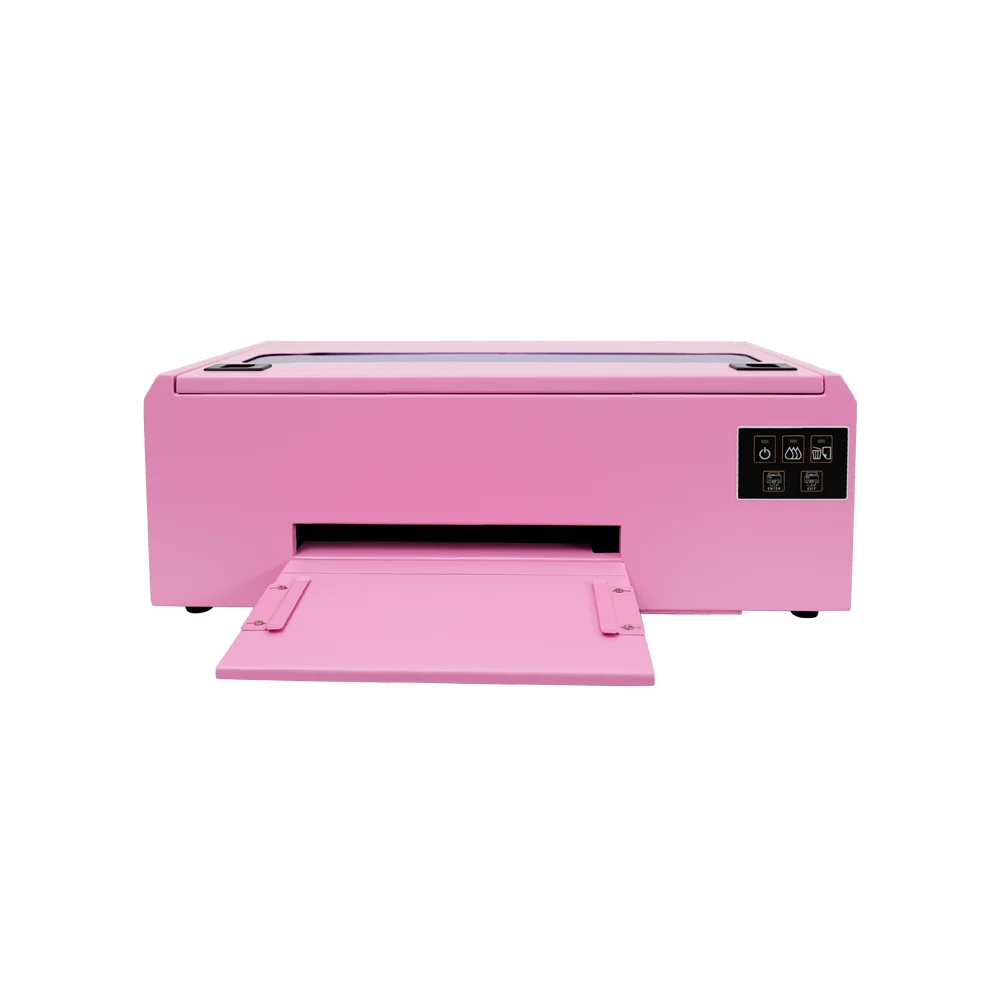
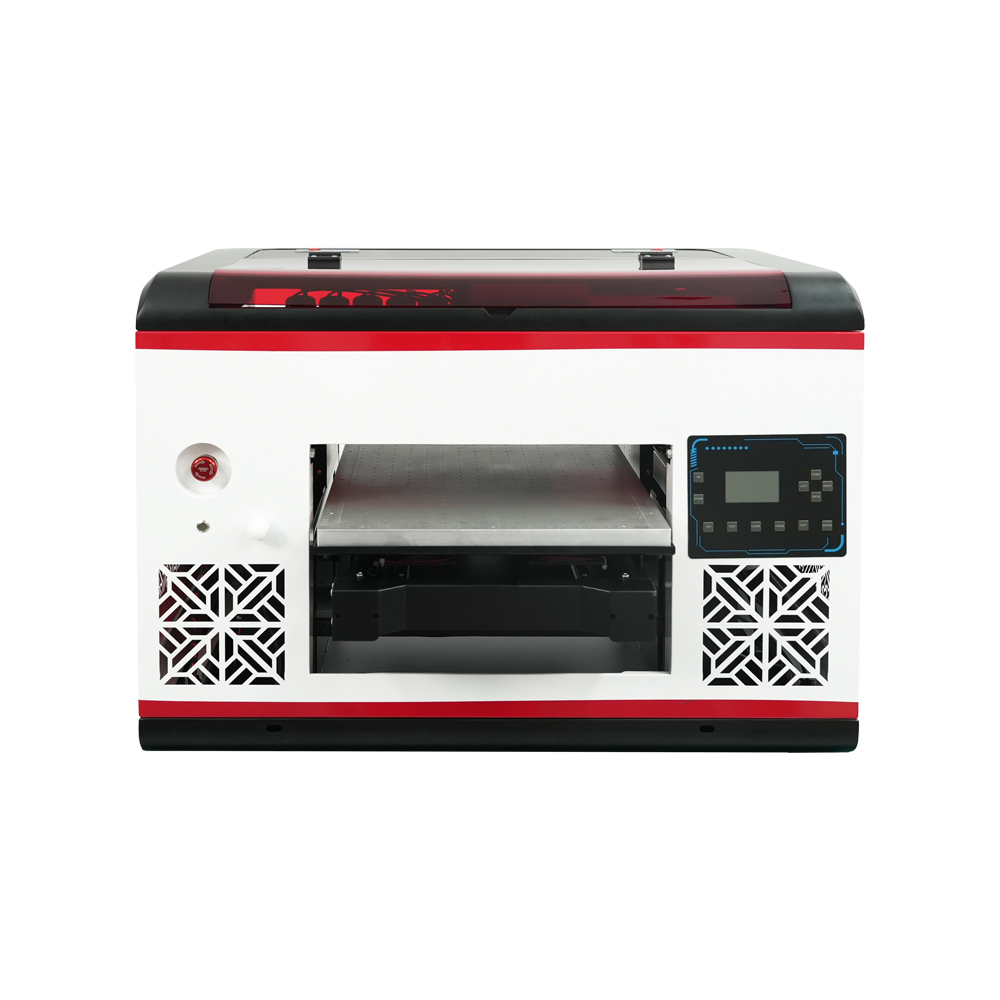
High-quality UV Printers for metal, acrylic, glass, wood & more. Instant curing, vivid 1440dpi prints, versatile for diverse materials.
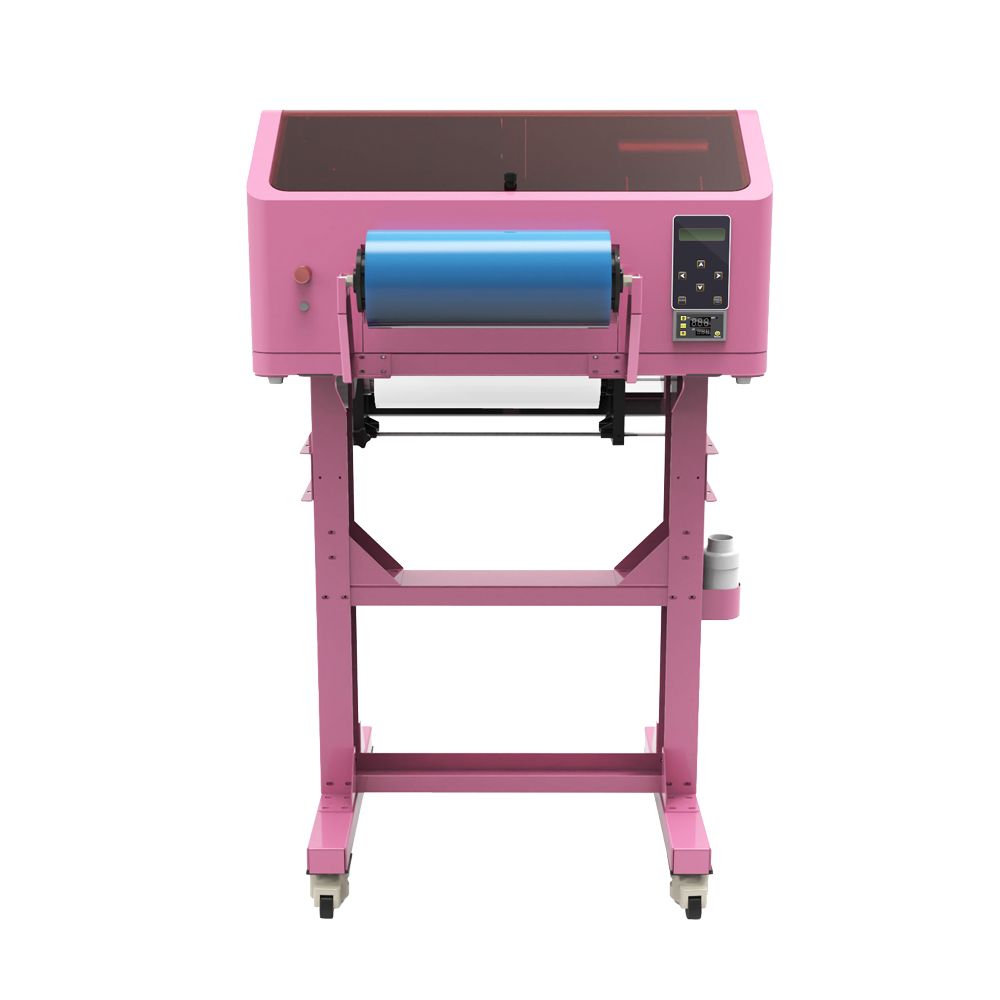
พิมพ์สติ๊กเกอร์นูนสีสดใสด้วย **CMYK + สีขาว + วานิช** ได้ในรอบเดียว ไม่มีแป้ง ไม่มีเตาอบ ลอกและติดบนสิ่งของที่เรียบหรือโค้งได้ภายในไม่กี่นาที
ไม่พบคำแนะนำที่เหมาะสมใช่ไหม รับการสนับสนุนด้านเทคนิคฟรีทันที!
เพียงแค่ให้รายละเอียดเล็กน้อยและเราจะช่วยให้คุณได้รับใบเสนอราคาด่วน!
เครื่องพิมพ์ Erasmart
เครื่องพิมพ์ UV
เครื่องพิมพ์ DTF
เครื่องพิมพ์ DTG
เครื่องกดความร้อน
เครื่องพิมพ์โฆษณา
เครื่องมือเครื่องพิมพ์
เตาอบ DTF
กดร้อน
เครื่องแกะสลัก
การถ่ายเทความร้อนของแก้ว
เครื่องเคลือบ
สิ้นเปลือง
หมึกพิมพ์
เคสโทรศัพท์มือถือ
ผลิตภัณฑ์แก้ว
ทำความสะอาดของเหลว
ผ้าฝ้าย
ติดต่อเรา
whatsapp: +8618566233796
WeChat: +8618566233796
มือถือ: +8618566233796
เว็บ:www.erasmart.com
ร้านค้า:www.erasmartmall.com
วอทส์แอพหาเรา
ขอใบเสนอราคา
เพียงแค่ให้รายละเอียดเล็กน้อยและเราจะช่วยให้คุณได้รับใบเสนอราคาด่วน!
ดาวน์ลง
ปล่อยให้คุณส่งอีเมลและส่ง URL ดาวน์โหลดไปที่อีเมล