
How to Choose a DTF Printer
The right DTF printer is not simply the lowest-price machine. A better decision starts with your business type, order volume, product mix, workflow expectations, and growth plan. This guide explains how to evaluate the right setup and also shows recommended EraSmart models for different business stages and production goals.
This page helps you decide
Which machine tier fits your business
Which printhead level makes sense
Which EraSmart models to shortlist
On this page
Recommended Models
Start with Your Business
Choose by Output Level
Printhead Choice
Machine Structure
ระบบหมึกขาว
Workflow Equipment
Final Checklist
Recommended EraSmart DTF Models by Business Need
For DIY & Personal Studio
Entry-Level Compact Setup
• Small batch customization
• Design testing
• Low entry burden
Best for DIY Hobbyists & Personal Studios
If your goal is to start small, test the workflow, and handle personal customization or light commercial use, the most practical choice is a compact setup with manageable cost and simple daily operation.
This type of machine works well for creators, first-time buyers, and personal studios that need a reliable entry point without jumping into larger A3 or A1 production equipment too early.
For Small Studios & Startups
Flexible A3 Entry Commercial Setup
• Local custom orders
• Small-batch apparel
• Startup-friendly workflow
Best for Small Studios, New Brands, and Startup Shops
If you already have a business idea, take local custom orders, or run a small studio that needs more flexibility than A4 entry machines, moving into the A3 range usually creates a more practical commercial workflow.
These models are better suited to startup brands, studio operators, and early-stage shops that want stronger output range without moving directly into higher-output industrial equipment.
Recommended models
- เครื่องพิมพ์ DTF — L1800 เดี่ยว
- เครื่องพิมพ์ DTF A3L (1390)
- A3 (1390) เครื่องพิมพ์ DTF
- เครื่องพิมพ์ DTF A3 (L1800)
For E-commerce & Designers
Detail, Color, and Fast Design Rotation
• Design-rich graphics
• Frequent new drops
• Premium visual presentation
Best for E-commerce Entrepreneurs and Designer Studios
When your business depends on frequent design changes, color-rich artwork, detailed images, and faster online product testing, it makes sense to choose models that offer stronger image presentation and smoother commercial flexibility.
This group is a strong fit for online sellers, designer-led brands, creative teams, and shops where visual presentation and new design launches are central to the business model.
Recommended models
- เครื่องพิมพ์ DTF A3 (L1800)
- เครื่องพิมพ์ A3 MAX DTF — DX7 ตัวเดียว
- เครื่องพิมพ์ A3 Maxl DTF
For Small Businesses
Steady Daily Commercial Production
• Daily orders
• Better production rhythm
• More stable commercial output
Best for Small Apparel Businesses and Steady Daily Production
Once your business moves beyond occasional orders and starts to depend on steadier daily output, it becomes more important to choose machines that support smoother workflow, stronger consistency, and a better production rhythm.
This level is usually where buyers should stop thinking only about entry price and start thinking more seriously about output stability, workflow efficiency, and long-term operating practicality.
Recommended models
- เครื่องพิมพ์ G6 A3 DTF — ซิงเกิล 1390
- เครื่องพิมพ์ A3 MAX DTF — XP600 ตัวเดียว
- เครื่องพิมพ์ A3 Pro DTF
For Automation
Higher Throughput & Workflow Upgrade
• Faster workflow
• Lower manual burden
• Better production continuity
Best for Shops Upgrading Toward More Automated Workflow
If your business is moving beyond basic manual production and wants a smoother, more production-ready process, it makes sense to consider models that support stronger workflow integration and higher throughput expectations.
This direction is especially relevant for shops that already have steady orders and want to reduce production friction, improve repeatability, and prepare for larger daily operating volumes.
Recommended models
- เครื่องพิมพ์ A3 MAX XP600 DTF พร้อมเครื่องเขย่าผง
- เครื่องพิมพ์ A3 Pro DTF
- เครื่องพิมพ์ DTF A1 (I1600)
For Large-Scale Production
Wide Format Industrial Direction
• Higher output goal
• Wider printing width
• Industrial production rhythm
Best for Large-Scale Manufacturing and Higher Output Teams
When your business needs wider print width, stronger output ceiling, and a more serious industrial production direction, the A1 series becomes the right category to evaluate. This level is better suited to businesses where output continuity and lower interruption cost are important operational priorities.
Choose the printhead tier based on how aggressive your production target is and how much value you place on stronger productivity.
Recommended models
- เครื่องพิมพ์ DTF A1 (XP600)
- เครื่องพิมพ์ DTF A1 (I1600)
- เครื่องพิมพ์ DTF A1 (i3200)
Step 1
Start with Your Business Model, Not the Machine Price
A DTF printer should match the way your business actually works. The right setup for a hobby user or compact studio is not the same as the right setup for a growing apparel shop or a large producer. Before comparing hardware, define your order type, expected print volume, product mix, labor plan, and growth direction.
DIY / Entry Users
Need a compact setup, low entry burden, simple operation, and controllable learning cost.
Studios & Startups
Need flexibility, broader application range, and room to serve more order types without over-investing too early.
Apparel Shops & E-commerce
Need stable daily performance, fast design changes, and a workflow that supports sellable commercial output.
Larger Producers
Need stronger throughput, lower interruption cost, and a setup that can carry real production schedules.
Step 2
Choose a DTF Printer by Real Output Level
The right machine size and tier depend on how many sellable jobs you plan to run, how frequently you change artwork, and how costly downtime would be for your business. Entry-level machines can work well for testing and lighter commercial use. Better commercial tiers become more valuable when real orders are already flowing and the machine must perform every day.
Think in three practical levels
Entry Level
For learning, hobby users, samples, and early business validation.
Balanced Commercial
For daily business, better output consistency, and more practical growth value.
ผลผลิตที่สูงขึ้น
For organized production environments with stronger volume and less tolerance for interruptions.
| Business Stage | What You Need Most | Better Buying Direction |
|---|---|---|
| DIY / Testing Stage | Easy entry, low burden, compact operation | A4 DTF Printer / A4L DTF Printer |
| Small Studio / Startup | Flexibility, better image quality, broader use | Single L1800 / A3L(1390) / A3(1390) / A3(L1800) |
| Small Business / Apparel Shop | Stable daily routine, stronger efficiency, smoother output | A3 MAX Single XP600 / G6 A3 Single 1390 / A3 Pro |
| Larger Production | Wider production, higher throughput, lower interruption cost | A1(XP600) / A1(I1600) / A1(I3200) |
Step 3
Choose the Right Printhead Tier
Printhead choice affects output level, long-term stability expectation, and the kind of business the machine can realistically support. A stronger printhead only creates value when the rest of the machine and workflow are also strong enough.
Entry Tier - XP600
Suitable for buyers who want a lower entry barrier and a practical starting point for lighter commercial use.
• Better for startup and early-stage workflows
• Lower entry burden
• Less ideal for more demanding higher-output plans
Balanced Tier - I1600
A stronger fit for businesses that need more stable commercial production and a more serious daily operating rhythm.
• Good for growing order flow
• Better suited to commercial stability goals
• Strong step-up option for more serious production
Higher Output - I3200
Better for larger production environments where throughput, stronger productivity, and lower interruption cost matter more.
• Best suited to higher-output production goals
• Requires stronger total machine system quality
• More appropriate when downtime becomes expensive
Step 4
Check the Machine Structure, Not Just the Head Name
In real production, frame rigidity, carriage movement, film handling, and suction performance are part of what makes a DTF printer feel stable. A machine with the right printhead but weak mechanics can still create frustrating output problems and unnecessary service risk.
Machine body stability
A stronger frame helps support smoother movement and more consistent production behavior.
Film feeding and suction
Stable film handling reduces lifting, wrinkling, and head strike risk during printing.
Board and system stability
Control system quality influences workflow smoothness, repeatability, and long-term use experience.
Step 5
Do Not Ignore the White Ink System
White ink handling is one of the biggest real-world factors in DTF printing. A machine may look attractive on paper, but weak circulation, poor agitation, or incomplete maintenance logic can create clogs, unstable output, and downtime that quickly outweigh a low purchase price.
Circulation
White ink should keep moving through the system to reduce sediment-related risk.
Agitation
A good agitation system helps keep the white ink more uniform and print-ready.
Maintenance routine
Daily care, idle storage, and shutdown habits matter just as much as the machine hardware.
Step 6
Buy the Workflow, Not Only the Printer
A DTF setup includes more than the printer body. You also need to think about powder handling, drying, heat pressing, RIP workflow, operator habits, and how automated you want production to be. The right bundled workflow often creates more value than a cheaper incomplete setup.
Powder shaker and dryer
More important as output grows and you need smoother, more repeatable curing flow.
RIP and color management
Practical software support affects layout efficiency, white layer logic, and color stability.
Heat press and finishing
The final transfer result depends on the complete finishing workflow, not only the printed film.
Final Step
A Simple EraSmart Buying Checklist
Before making a final decision, make sure the machine fits your business in five practical ways:
1. It matches your current order volume
Not too small for real business, and not overbuilt far beyond your current needs.
2. The printhead tier fits your production goal
Choose the head that matches your real commercial stage, not only the lowest entry quote.
3. The machine body and film handling are reliable
Good mechanics help protect print quality, alignment, and head safety.
4. The white ink system is production-ready
Circulation, agitation, and maintenance logic should support daily operation.
5. The supplier supports the full workflow
A stronger buying decision includes consumable guidance, workflow support, and after-sales help.
คำถามที่พบบ่อย
-
1. Should I buy the cheapest DTF printer first?
Only if your goal is basic testing and you clearly accept the trade-offs. If you already have real orders, stability often matters more than the lowest entry price.
-
2. Is printhead choice the most important factor?
It is one of the most important factors, but it should be judged together with structure, film handling, white ink design, and workflow support.
-
3. Do I need a powder shaker and dryer immediately?
That depends on your output level and labor plan. As production becomes more serious, workflow equipment becomes much more valuable for consistency and efficiency.
-
4. How do I know which EraSmart model fits me?
Start with your business type, order volume, desired automation level, and how costly downtime would be for your business.
ซีรี่ส์เครื่องพิมพ์ EraSmart
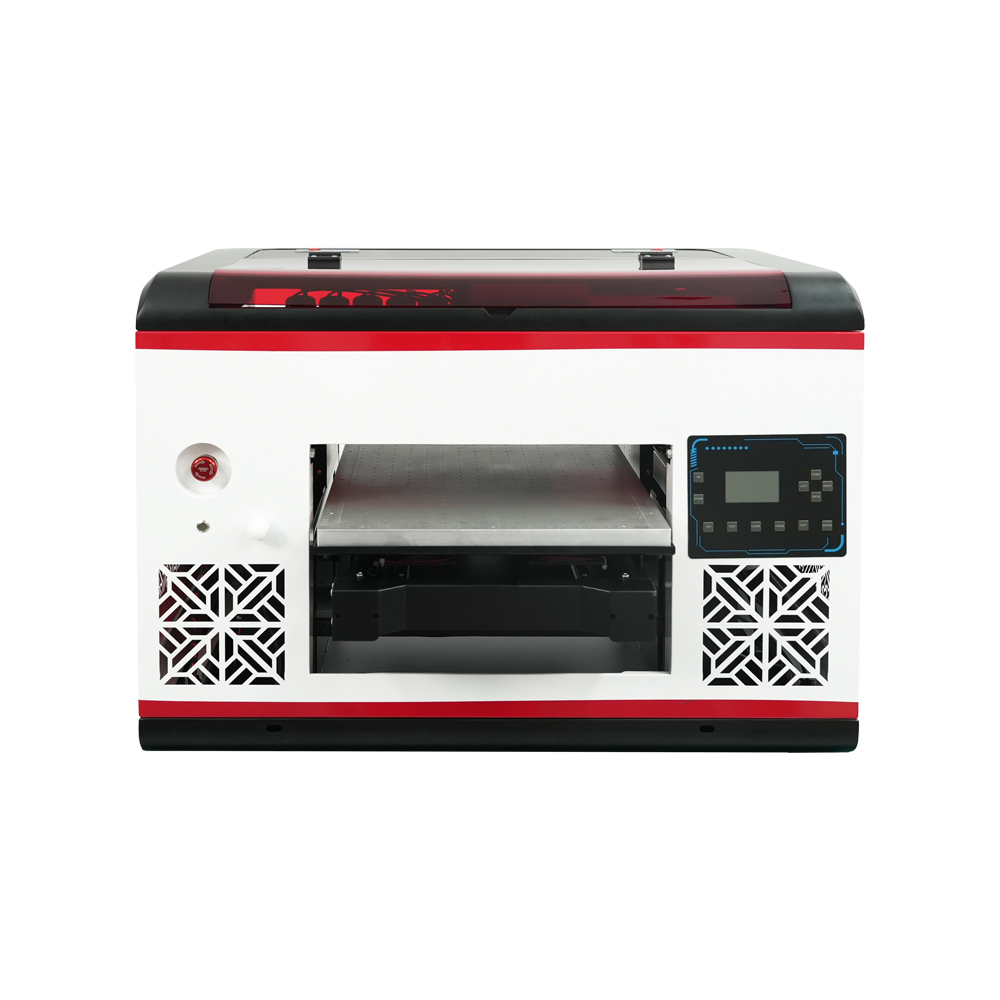
High-quality UV Printers for metal, acrylic, glass, wood & more. Instant curing, vivid 1440dpi prints, versatile for diverse materials.
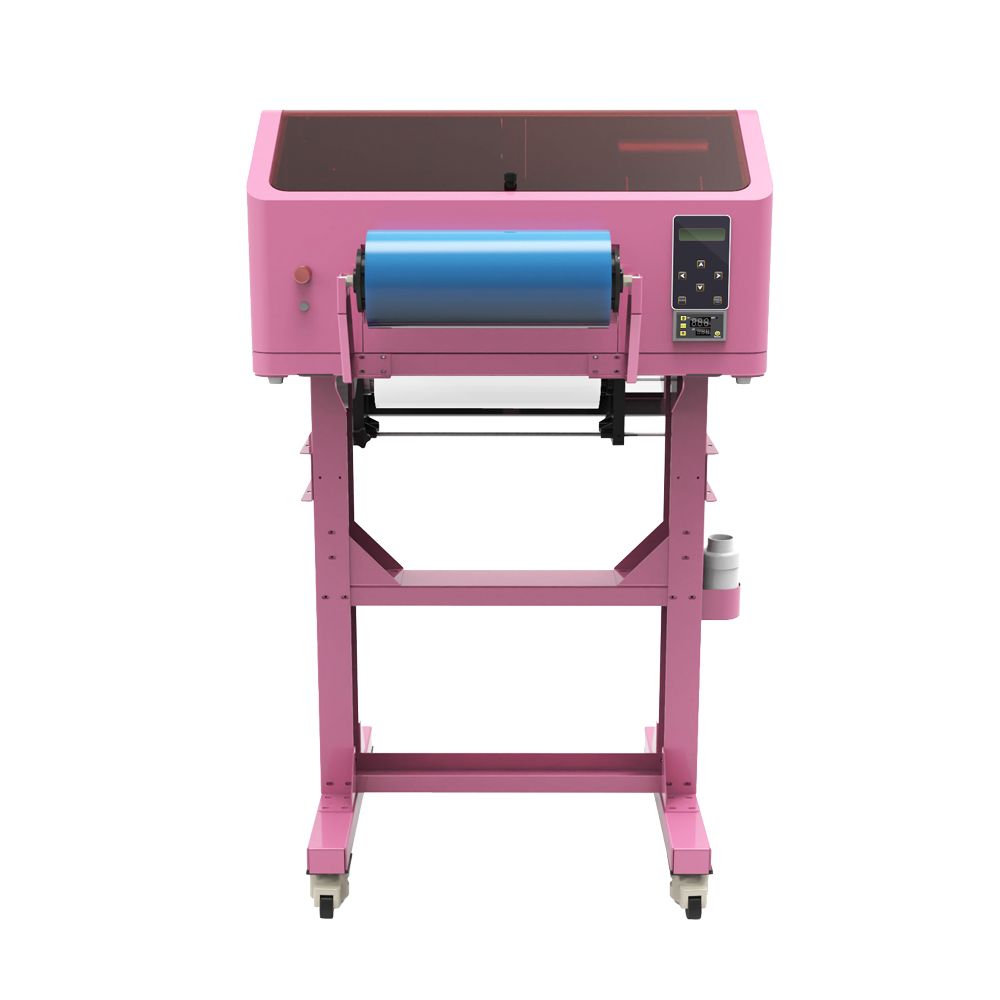
พิมพ์สติ๊กเกอร์นูนสีสดใสด้วย **CMYK + สีขาว + วานิช** ได้ในรอบเดียว ไม่มีแป้ง ไม่มีเตาอบ ลอกและติดบนสิ่งของที่เรียบหรือโค้งได้ภายในไม่กี่นาที
Couldn't find a suitable guide? Get Free Technical Support Now!
เพียงแค่ให้รายละเอียดเล็กน้อยและเราจะช่วยให้คุณได้รับใบเสนอราคาด่วน!
เครื่องพิมพ์ Erasmart
เครื่องพิมพ์ UV
เครื่องพิมพ์ DTF
เครื่องพิมพ์ DTG
เครื่องกดความร้อน
เครื่องพิมพ์โฆษณา
เครื่องมือเครื่องพิมพ์
เตาอบ DTF
กดร้อน
เครื่องแกะสลัก
การถ่ายเทความร้อนของแก้ว
เครื่องเคลือบ
สิ้นเปลือง
หมึกพิมพ์
เคสโทรศัพท์มือถือ
ผลิตภัณฑ์แก้ว
ทำความสะอาดของเหลว
ผ้าฝ้าย
ติดต่อเรา
whatsapp: +8618566233796
WeChat: +8618566233796
มือถือ: +8618566233796
เว็บ:www.erasmart.com
ร้านค้า:www.erasmartmall.com
วอทส์แอพหาเรา
ขอใบเสนอราคา
เพียงแค่ให้รายละเอียดเล็กน้อยและเราจะช่วยให้คุณได้รับใบเสนอราคาด่วน!
ดาวน์ลง
ปล่อยให้คุณส่งอีเมลและส่ง URL ดาวน์โหลดไปที่อีเมล