
เครื่องพิมพ์ UV สามารถพิมพ์บนอะไรได้บ้าง? คู่มือวัสดุที่ใช้งานได้จริงสำหรับการใช้งานจริง
ข้อดีที่ใหญ่ที่สุดประการหนึ่งของการพิมพ์ด้วย UV คือความยืดหยุ่นของวัสดุ เครื่องพิมพ์ UV สามารถทำงานกับผลิตภัณฑ์แข็งและกึ่งแข็งได้หลายชนิด แต่ไม่ใช่ว่าวัสดุทุกชนิดจะมีพฤติกรรมเหมือนกัน สภาพพื้นผิว การเคลือบ ความเรียบ การยึดเกาะ ความต้องการหมึกสีขาว และการตั้งค่าการบ่ม ล้วนส่งผลต่อผลลัพธ์สุดท้าย คู่มือนี้ช่วยให้ผู้ซื้อและผู้ปฏิบัติงานเข้าใจว่าวัสดุชนิดใดเหมาะสมและสิ่งที่ควรตรวจสอบก่อนการผลิต
ปัจจัยวัสดุหลัก
สภาพพื้นผิว
การยึดเกาะ
หมึกขาว
ประเภทการสมัคร
ตรวจสอบประเภทพื้นผิว
พื้นผิวแข็ง กึ่งแข็ง เคลือบ เรียบ หรือพื้นผิวล้วนมีพฤติกรรมแตกต่างกัน
ตรวจสอบความต้องการหมึกขาว
วัสดุโปร่งใสหรือสีเข้มมักต้องใช้ฐานด้านล่างสีขาวเพื่อให้สีเข้ม
ตรวจสอบความเสี่ยงต่อการยึดเกาะ
วัสดุบางชนิดจำเป็นต้องทำความสะอาด ทดสอบ หรือควบคุมกระบวนการเพิ่มเติมก่อนการผลิต
ตรวจสอบความพอดีของแอปพลิเคชัน
ผลิตภัณฑ์บางชนิดเหมาะกว่าสำหรับการพิมพ์แบบ Flatbed โดยตรงด้วย UV ในขณะที่ผลิตภัณฑ์อื่นๆ เหมาะกับ UV DTF มากกว่า
ข้อมูลเบื้องต้นเกี่ยวกับวัสดุ
เครื่องพิมพ์ UV สามารถพิมพ์บนวัสดุหลายประเภท แต่ไม่ใช่ว่าวัสดุทั้งหมดจะง่ายเท่ากัน
การพิมพ์ยูวีมักได้รับการส่งเสริมให้เป็นเทคโนโลยีที่สามารถพิมพ์ได้เกือบทุกอย่าง ในทางปฏิบัติ ข้อความนั้นจำเป็นต้องมีบริบท เครื่องพิมพ์ UV สามารถทำงานกับวัสดุแข็งและกึ่งแข็งได้หลากหลาย แต่ผลลัพธ์การผลิตที่แท้จริงขึ้นอยู่กับว่าหมึกเกาะติดกับพื้นผิวได้ดีแค่ไหน วัตถุเรียบแค่ไหน ต้องใช้หมึกสีขาวหรือไม่ และผลิตภัณฑ์นั้นเหมาะสมกว่ากับการพิมพ์โดยตรงหรือเวิร์กโฟลว์สติ๊กเกอร์ลอกโอนหรือไม่
ผู้ซื้อไม่ควรเพียงแต่ถามว่าสามารถพิมพ์วัสดุได้หรือไม่ พวกเขาควรถามด้วยว่าผลงานพิมพ์มีความเสถียร ทนทาน ทำซ้ำได้ และใช้งานได้จริงในเชิงพาณิชย์หรือไม่ วัสดุที่ใช้กับตัวอย่างเดียวอาจยังคงสร้างปัญหาในการผลิตในแต่ละวัน หากพื้นผิวไม่สอดคล้องกัน โค้งงอ มีฝุ่น มันมัน หรือจัดตำแหน่งยาก
ตารางหลัก
ตารางความเข้ากันได้ของวัสดุเครื่องพิมพ์ UV
ใช้ตารางนี้เป็นข้อมูลอ้างอิงในทางปฏิบัติเมื่อเปรียบเทียบวัสดุการพิมพ์ UV ทั่วไป
| วัสดุ | ความเหมาะสม | ความต้องการหมึกสีขาว | ความเสี่ยงหลัก | ผลิตภัณฑ์ทั่วไป | คำแนะนำ |
|---|---|---|---|---|---|
| อะคริลิก | ยอดเยี่ยม | มักใช้กับอะคริลิกใสหรือสี | พื้นผิวมีรอยขีดข่วน รอยนิ้วมือ สีโปร่งใสอ่อนลง | ป้าย แผง รางวัล ชิ้นส่วนจัดแสดง | หนึ่งในวัสดุพื้นเรียบยูวีที่ดีที่สุด |
| เคสโทรศัพท์ | ยอดเยี่ยม | ขึ้นอยู่กับสีเคสและการออกแบบ | ความแม่นยำของตำแหน่ง ขอบโค้ง การเคลือบผิว | เคสโทรศัพท์ และอุปกรณ์เสริมตามสั่ง | เหมาะมากกับจิ๊กที่เหมาะสม |
| กระจก | ดีหลังจากการทดสอบ | มักมีประโยชน์กับกระจกใส | การยึดเกาะและความสะอาดพื้นผิว | แผง ขวด ของขวัญ ของตกแต่ง | ทดสอบอย่างละเอียดก่อนการผลิตจำนวนมาก |
| โลหะ | ดีหลังจากการทดสอบ | ขึ้นอยู่กับการออกแบบและสีของพื้นผิว | น้ำมัน ออกซิเดชัน ความแตกต่างของการเคลือบ | ป้ายชื่อ ป้ายชื่อ แผ่นตกแต่ง | เหมาะสำหรับงานอุตสาหกรรมและของขวัญ |
| ไม้ | ดี | มักจะเป็นทางเลือก | พื้นผิวไม่สม่ำเสมอ ความพรุน ฝุ่น | งานฝีมือ แผ่นกระดาน ของตกแต่ง | ทำงานได้ดีบนพื้นผิวเรียบและมั่นคง |
| พลาสติก | แตกต่างกันไปตามประเภท | ขึ้นอยู่กับสีของผลิตภัณฑ์ | พลาสติกที่แตกต่างกันมีพฤติกรรมแตกต่างกันด้วยหมึก UV | เคส รายการส่งเสริมการขาย ชิ้นส่วนบรรจุภัณฑ์ | ทดสอบประเภทพลาสติกที่แน่นอนเสมอ |
| หนัง | ขึ้นอยู่กับแอปพลิเคชัน | มักจะเป็นทางเลือก | ชนิดเคลือบ ความยืดหยุ่น เนื้อพื้นผิว | กระเป๋าสตางค์ แผ่นแปะ สมุดโน้ต อุปกรณ์เสริม | ทดสอบการยึดเกาะและความยืดหยุ่นก่อน |
| เซรามิค | ดีหลังจากการทดสอบ | ขึ้นอยู่กับผลิตภัณฑ์และการออกแบบ | พื้นผิวเคลือบ ความโค้ง การยึดเกาะ | กระเบื้อง ของตกแต่ง แก้วน้ำ | มีความเสถียรมากขึ้นบนพื้นผิวเซรามิกที่เรียบกว่า |
โฟกัสวัสดุ
การพิมพ์ยูวีบนอะคริลิก
อะคริลิกเป็นหนึ่งในวัสดุที่เหมาะสมที่สุดสำหรับการพิมพ์ด้วยรังสียูวี มีการใช้กันอย่างแพร่หลายในป้าย การสร้างแบรนด์ ผลิตภัณฑ์จัดแสดง รางวัล แผงตกแต่ง และสินค้าขายปลีก อะคริลิกใสมีประโยชน์เป็นพิเศษจากหมึกสีขาว เนื่องจากสีที่พิมพ์โดยตรงบนวัสดุโปร่งใสอาจดูไม่ชัดเจนหากไม่มีฐานด้านล่างที่มั่นคง
ทำไมมันถึงทำงานได้ดี
อะคริลิกมีลักษณะแบน มั่นคง และใช้กันอย่างแพร่หลายในการผลิตผลิตภัณฑ์ตามสั่ง
เคล็ดลับการพิมพ์คีย์
ทำความสะอาดพื้นผิวอย่างระมัดระวัง และใช้หมึกสีขาวเมื่อพิมพ์บนอะคริลิกใสหรือสี
การใช้งานทั่วไป
ป้าย รางวัล แผงตกแต่ง แผงแสดงผล และของขวัญอะคริลิก
โฟกัสวัสดุ
การพิมพ์ยูวีบนเคสโทรศัพท์
เคสโทรศัพท์เป็นหนึ่งในผลิตภัณฑ์การพิมพ์ด้วยรังสียูวีที่ใช้กันทั่วไปมากที่สุดสำหรับธุรกิจขนาดเล็ก เหมาะอย่างยิ่งกับเครื่องพิมพ์ UV ตั้งโต๊ะเนื่องจากมีขนาดกะทัดรัด ทำซ้ำได้ และขายง่ายเป็นผลิตภัณฑ์เฉพาะบุคคล ความท้าทายหลักไม่ได้อยู่ที่ว่าเคสโทรศัพท์สามารถพิมพ์ได้หรือไม่ แต่อยู่ที่ว่าสามารถวางตำแหน่งได้อย่างแม่นยำและผลิตด้วยความเร็วสม่ำเสมอหรือไม่
การวางตำแหน่ง
ใช้จิ๊กหรือเทมเพลตเพื่อการจัดวางที่แม่นยำ
พื้นผิวเคส
การเคลือบและการตกแต่งที่แตกต่างกันอาจส่งผลต่อการยึดเกาะ
รูปร่างขอบ
ขอบโค้งสามารถลดความสม่ำเสมอในการพิมพ์บริเวณมุมได้
โฟกัสวัสดุ
การพิมพ์ยูวีบนกระจก
แก้วสามารถสร้างผลลัพธ์การพิมพ์ด้วย UV ที่สวยงาม โดยเฉพาะสำหรับแผงตกแต่ง ผลิตภัณฑ์ของขวัญ และการใช้งานเพื่อสร้างแบรนด์ อย่างไรก็ตาม แก้วควรถือเป็นวัสดุที่ต้องได้รับการทดสอบอย่างระมัดระวัง พื้นผิวกระจกที่เรียบสามารถสร้างความท้าทายในการยึดเกาะได้ หากพื้นผิวไม่ได้รับการทำความสะอาดอย่างทั่วถึง หรือหากการใช้งานต้องการความทนทานที่แข็งแกร่งกว่า
ทำไมแก้วถึงได้รับความนิยม
รองรับผลิตภัณฑ์แบบกำหนดเองที่ดูพรีเมียม พื้นผิวตกแต่ง และการพิมพ์ตราสินค้าบนวัสดุใส
ความเสี่ยงหลัก
การยึดเกาะและความสะอาดคือประเด็นสำคัญ ทดสอบสถานการณ์การใช้งานขั้นสุดท้ายก่อนการผลิตเป็นจำนวนมากเสมอ
โฟกัสวัสดุ
การพิมพ์ยูวีบนโลหะ
โลหะใช้สำหรับป้ายชื่ออุตสาหกรรม ผลิตภัณฑ์ตกแต่ง ป้าย ป้าย และสินค้าสั่งทำพิเศษ การพิมพ์ยูวีสามารถทำงานได้ดีบนโลหะ แต่ต้องตรวจสอบสภาพของวัสดุอย่างระมัดระวัง พื้นผิวมัน ผิวเคลือบ หรือออกซิเดชันอาจลดความเสถียรหรือการยึดเกาะในการพิมพ์
| ด่านตรวจโลหะ | ทำไมมันถึงสำคัญ | เคล็ดลับการพิมพ์ |
|---|---|---|
| ความสะอาดพื้นผิว | น้ำมันหรือฝุ่นอาจส่งผลต่อการยึดเกาะ | ทำความสะอาดอย่างละเอียดก่อนพิมพ์ |
| ออกซิเดชัน | พื้นผิวโลหะบางชนิดเปลี่ยนแปลงไปตามกาลเวลา | ทดสอบผิวโลหะที่คุณจะใช้ |
| เคลือบเสร็จ | ประเภทการเคลือบส่งผลต่อการยึดเกาะของหมึก | ทำการทดสอบการยึดเกาะก่อนนำไปใช้ในเชิงพาณิชย์ |
โฟกัสวัสดุ
การพิมพ์ยูวีบนไม้
ไม้เป็นที่นิยมสำหรับทำโล่ งานฝีมือ ส่วนประกอบของบรรจุภัณฑ์ และของตกแต่ง ผลลัพธ์การพิมพ์ UV ที่ดีที่สุดบนไม้มักจะมาจากพื้นผิวที่เรียบ มั่นคง และไม่มีรูพรุนมากเกินไป พื้นผิวที่หยาบหรือความหนาไม่สม่ำเสมอสามารถลดความคมชัดและความสม่ำเสมอของภาพได้
กรณีที่ดีที่สุด
แผ่นไม้เรียบและแผงตกแต่งที่เตรียมไว้
ความเสี่ยงหลัก
พื้นผิวที่มีรูพรุนหรือมีฝุ่นอาจลดความคมและความมั่นคงขั้นสุดท้าย
เคล็ดลับการปฏิบัติ
รักษาพื้นผิวให้สะอาดและใช้ไม้ที่มีความหนาสม่ำเสมอเพื่อผลลัพธ์ที่ดีกว่า
โฟกัสวัสดุ
การพิมพ์ยูวีบนพลาสติก
พลาสติกไม่ใช่วัสดุชนิดเดียวจากมุมมองของการพิมพ์ พลาสติกแต่ละชนิดสามารถทำปฏิกิริยากับหมึก UV และการบ่มที่แตกต่างกันมาก นั่นคือเหตุผลที่ควรทดสอบพลาสติกโดยใช้ประเภทผลิตภัณฑ์ที่แน่นอนที่คุณวางแผนจะขายเสมอ
หมายเหตุผู้ซื้อที่สำคัญ
อย่าคิดว่าผลิตภัณฑ์พลาสติกทั้งหมดจะมีพฤติกรรมเหมือนกัน กล่องพลาสติก สินค้าส่งเสริมการขาย และชิ้นส่วนบรรจุภัณฑ์แบบขึ้นรูปอาจต้องมีการตั้งค่าหรือการเตรียมการพิมพ์ที่แตกต่างกัน
โฟกัสวัสดุ
การพิมพ์ยูวีบนหนัง
หนังและหนังสังเคราะห์สามารถใช้กับเครื่องประดับ ป้าย สมุดบันทึก กระเป๋าสตางค์ และผลิตภัณฑ์ที่คล้ายกันได้ ความท้าทายหลักคือพื้นผิวหนังแตกต่างกันไปตามการเคลือบ พื้นผิว และความยืดหยุ่น ผลลัพธ์ที่ดูดีในตัวอย่างเดียวไม่ได้รับประกันการผลิตที่มีเสถียรภาพสำหรับผลิตภัณฑ์เครื่องหนังต่างๆ
สิ่งที่ต้องทดสอบ
การยึดเกาะ ความยืดหยุ่นหลังการพิมพ์ และผลกระทบของพื้นผิวต่อความคมชัดของภาพ
กรณีการใช้งานที่ดีที่สุด
ชิ้นส่วนที่เรียบหรือมีพื้นผิวเล็กน้อย โดยที่พื้นที่พิมพ์ไม่โค้งงอมากระหว่างการใช้งาน
โฟกัสวัสดุ
การพิมพ์ยูวีบนพื้นผิวเซรามิกและพื้นผิวตกแต่งที่คล้ายกัน
เซรามิกอาจเป็นวัสดุที่มีประโยชน์สำหรับกระเบื้อง ของตกแต่ง และผลิตภัณฑ์เฉพาะบุคคลบางประเภท เช่นเดียวกับกระจก ปัญหาหลักไม่ได้อยู่ที่ว่าเครื่องพิมพ์สามารถวางหมึกบนพื้นผิวได้หรือไม่ แต่อยู่ที่ว่าผลงานพิมพ์จะมีเสถียรภาพและเหมาะสมกับการใช้งานที่ต้องการหรือไม่
คำแนะนำการปฏิบัติ
พื้นผิวเซรามิกที่เรียบจะถือได้ง่ายกว่าพื้นผิวโค้ง หากผลิตภัณฑ์มีความโค้งมาก UV DTF อาจคุ้มค่าที่จะพิจารณาแทนการพิมพ์แบบแท่นโดยตรง
ทางเลือกแอปพลิเคชัน
เมื่อวัสดุดีกว่าสำหรับการพิมพ์แบบ UV Flatbed และเมื่อใดดีกว่าสำหรับ UV DTF
วัสดุบางชนิดนั้นง่ายสำหรับการพิมพ์แบบ Flatbed ด้วย UV โดยตรง เนื่องจากมีความเรียบและจัดตำแหน่งได้ง่าย ในทางเทคนิคแล้ว ส่วนอื่นๆ สามารถพิมพ์ได้แต่ยากต่อการจัดการเนื่องจากวัตถุโค้ง ไม่สม่ำเสมอ หรือไม่มั่นคงบนแพลตฟอร์ม ในกรณีดังกล่าว UV DTF อาจสร้างขั้นตอนการทำงานที่เป็นประโยชน์มากขึ้น
| วัสดุ/ประเภทสินค้า | แฟลตเบดยูวีโดยตรง | ยูวี ดีทีเอฟ | ทางเลือกที่ดีกว่า |
|---|---|---|---|
| แผงอะครีลิคแบน | เหมาะมาก | มักจะไม่จำเป็น | ยูวีแฟลตเบด |
| เคสโทรศัพท์ | เหมาะมากกับการรองรับจิ๊ก | เป็นไปได้แต่ไม่ค่อยปกติ | ยูวีแฟลตเบด |
| ถ้วยและขวด | ยากที่จะวางตำแหน่งโดยตรง | กรณีการใช้งานที่แข็งแกร่ง | ยูวี ดีทีเอฟ |
| รายการส่งเสริมการขายที่ผิดปกติ | ขึ้นอยู่กับรูปร่าง | มักจะมีความยืดหยุ่นมากขึ้น | แล้วแต่กรณี |
| พื้นผิวแข็งโค้ง | มักจะยาก | มักจะใช้งานได้จริงมากกว่า | ยูวี ดีทีเอฟ |
รายการตรวจสอบวัสดุ
คำถามที่ต้องถามก่อนพิมพ์วัสดุใหม่
| คำถาม | ทำไมมันถึงสำคัญ | ตัวอย่างทั่วไป |
|---|---|---|
| พื้นผิวเรียบเพียงพอหรือไม่? | พื้นผิวที่ไม่เรียบจะลดความคมและความมั่นคง | ไม้หยาบหรือชิ้นตกแต่งโค้ง |
| พื้นผิวสะอาดและมั่นคงหรือไม่? | ฝุ่น น้ำมัน และสารตกค้างส่งผลต่อการยึดเกาะ | แผ่นโลหะ แผงกระจก สินค้าพลาสติกเคลือบ |
| ฉันต้องการหมึกสีขาวหรือไม่? | วัสดุโปร่งใสหรือสีเข้มมักต้องการส่วนรองรับด้านล่าง | อะคริลิกใส แก้ว ผลิตภัณฑ์สีเข้ม |
| ผลิตภัณฑ์จำเป็นต้องเคลือบเงาหรือไม่? | วานิชช่วยเพิ่มความเงางามและเอฟเฟกต์การตกแต่ง | ป้ายพรีเมี่ยม ของที่ระลึก ของตกแต่งแบรนด์ |
| การพิมพ์โดยตรงใช้งานได้จริงหรือไม่? | ผลิตภัณฑ์บางอย่างดีกว่าสำหรับขั้นตอนการถ่ายโอน | ขวด ถ้วย วัตถุแข็งที่ไม่ธรรมดา |
ข้อผิดพลาดทั่วไป
ข้อผิดพลาดด้านวัสดุที่ควรหลีกเลี่ยงในการพิมพ์ยูวี
สมมติว่าพลาสติกทั้งหมดเหมือนกัน
ผลิตภัณฑ์พลาสติกที่แตกต่างกันสามารถตอบสนองต่อหมึก UV และการบ่มที่แตกต่างกันมาก
ละเว้นการเตรียมพื้นผิว
ฝุ่น น้ำมัน และรอยนิ้วมือสามารถทำลายคุณภาพการพิมพ์ขั้นสุดท้ายและการยึดเกาะได้
ข้ามหมึกสีขาวบนวัสดุโปร่งใส
สีอาจดูจางหรือผิดเพี้ยนบนอะคริลิกใสหรือกระจกที่ไม่มีฐานด้านล่างเป็นสีขาว
การใช้ UV Flatbed สำหรับผลิตภัณฑ์โค้งที่จัดตำแหน่งยาก
สินค้าบางรายการได้รับการจัดการได้ดีกว่าผ่านการถ่ายโอน UV DTF มากกว่าการพิมพ์แบบแท่นโดยตรง
โฟกัสวัสดุ
ใช้รายการตรวจสอบเพื่อจำกัดรุ่น EraSmart ให้แคบลง
เมื่อคุณกำหนดลำดับความสำคัญของรายการตรวจสอบแล้ว คุณสามารถเปรียบเทียบแบบจำลองได้อย่างมีประสิทธิภาพมากขึ้น
เหมาะสำหรับผลิตภัณฑ์ขนาดเล็ก การสร้างตัวอย่าง การทดสอบผลิตภัณฑ์ของขวัญใหม่ และพื้นที่ทำงานขนาดกะทัดรัด
ตัวเลือกที่ใช้งานได้จริงสำหรับเคสโทรศัพท์ ผลิตภัณฑ์อะคริลิกขนาดกะทัดรัด อุปกรณ์เสริม และขั้นตอนการให้ของขวัญเฉพาะบุคคล
มีประโยชน์สำหรับผู้ใช้ที่ต้องการพื้นที่การพิมพ์เพิ่มขึ้น ความยืดหยุ่นของผลิตภัณฑ์มากขึ้น และความสามารถในการผลิตชุดย่อยที่กว้างขึ้น
ดีกว่าสำหรับแผงขนาดใหญ่ ป้าย บอร์ด และทีมผู้ผลิตที่ต้องการพื้นที่ทำงานเพิ่มเติมบนแพลตฟอร์ม
คำถามที่พบบ่อย
-
1. เครื่องพิมพ์ UV สามารถพิมพ์บนวัสดุอะไรได้บ้าง?
เครื่องพิมพ์ UV สามารถทำงานกับวัสดุแข็งและกึ่งแข็งหลายประเภท เช่น อะคริลิค แก้ว โลหะ ไม้ พลาสติก หนัง เซรามิก และเคสโทรศัพท์ ขึ้นอยู่กับสภาพพื้นผิวและความต้องการใช้งาน
-
2. เครื่องพิมพ์ UV สามารถพิมพ์บนอะคริลิกได้หรือไม่?
ใช่. อะคริลิกเป็นหนึ่งในวัสดุที่ดีที่สุดสำหรับการพิมพ์ยูวี โดยเฉพาะป้าย ผลิตภัณฑ์จัดแสดง รางวัล และแผงตกแต่ง
-
3. เครื่องพิมพ์ UV สามารถพิมพ์บนกระจกได้หรือไม่?
ได้ แต่ควรทดสอบกระจกอย่างระมัดระวัง เนื่องจากการยึดเกาะและความสะอาดของพื้นผิวเป็นปัจจัยสำคัญ
-
4. การพิมพ์ด้วย UV ใช้ได้กับโลหะหรือไม่?
ใช่ โดยเฉพาะอย่างยิ่งสำหรับแท็ก แผ่น และการใช้งานตกแต่ง แต่ควรตรวจสอบสภาพน้ำมันบนพื้นผิว ออกซิเดชัน และการเคลือบ
-
5. วัสดุโปร่งใสต้องใช้หมึกสีขาวหรือไม่?
ในหลายกรณีใช่ หมึกสีขาวช่วยให้สีดูเข้มขึ้นและแม่นยำยิ่งขึ้นบนอะคริลิกใสและกระจก
-
6. พลาสติกทุกชนิดง่ายต่อการพิมพ์ด้วย UV หรือไม่?
ไม่ ผลิตภัณฑ์พลาสติกที่แตกต่างกันอาจมีพฤติกรรมแตกต่างกัน ดังนั้นคุณควรทดสอบประเภทพลาสติกเฉพาะที่คุณวางแผนจะใช้เสมอ
-
7. เมื่อใดที่ UV DTF ดีกว่าการพิมพ์แบบ Flatbed โดยตรงด้วย UV
UV DTF มักจะดีกว่าสำหรับถ้วย ขวด วัตถุแข็งที่ไม่ปกติ และพื้นผิวโค้งที่ยากต่อการพิมพ์บนพื้นเรียบโดยตรง
-
8. อะไรคือข้อผิดพลาดด้านวัสดุที่ใหญ่ที่สุดในการพิมพ์ด้วย UV?
ข้อผิดพลาดที่ใหญ่ที่สุดประการหนึ่งคือการสันนิษฐานว่าผลตัวอย่างหมายความว่าวัสดุพร้อมสำหรับการผลิตเชิงพาณิชย์อย่างมีเสถียรภาพโดยไม่ต้องทำการทดสอบซ้ำ
ซีรี่ส์เครื่องพิมพ์ EraSmart
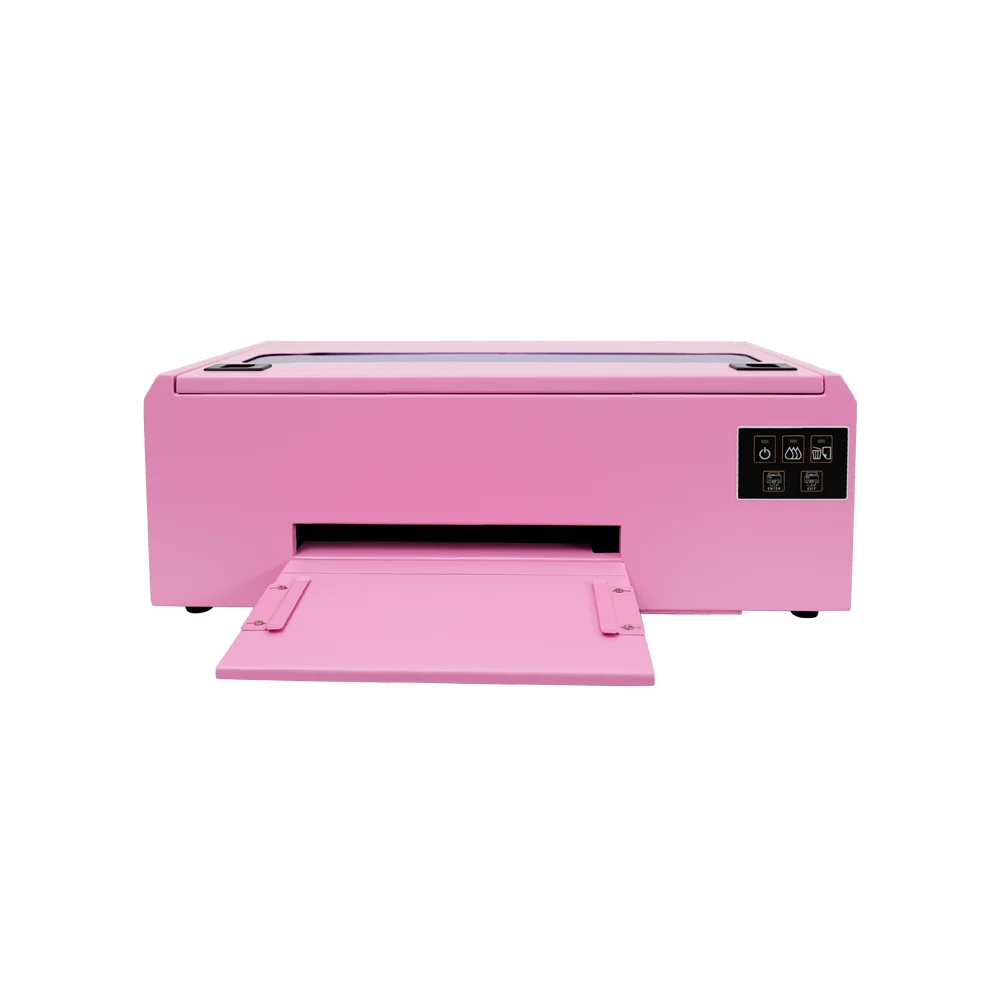
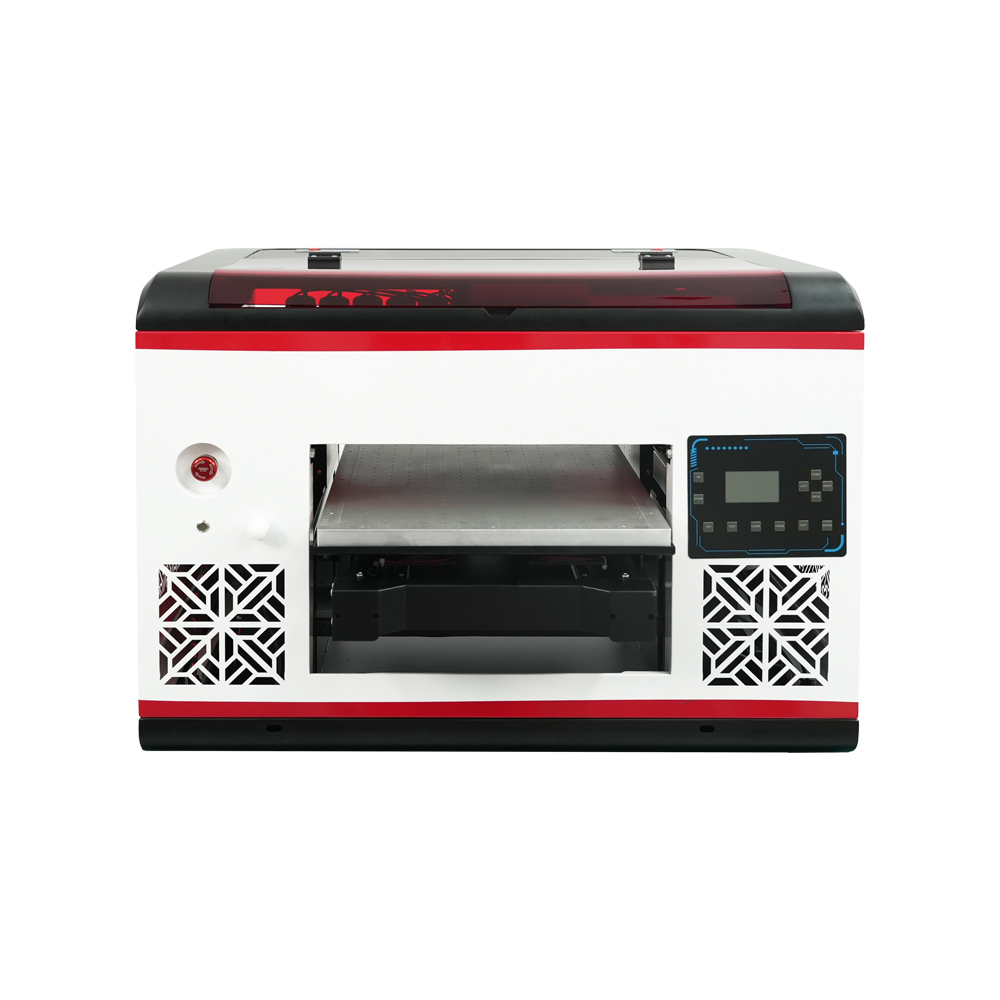
High-quality UV Printers for metal, acrylic, glass, wood & more. Instant curing, vivid 1440dpi prints, versatile for diverse materials.
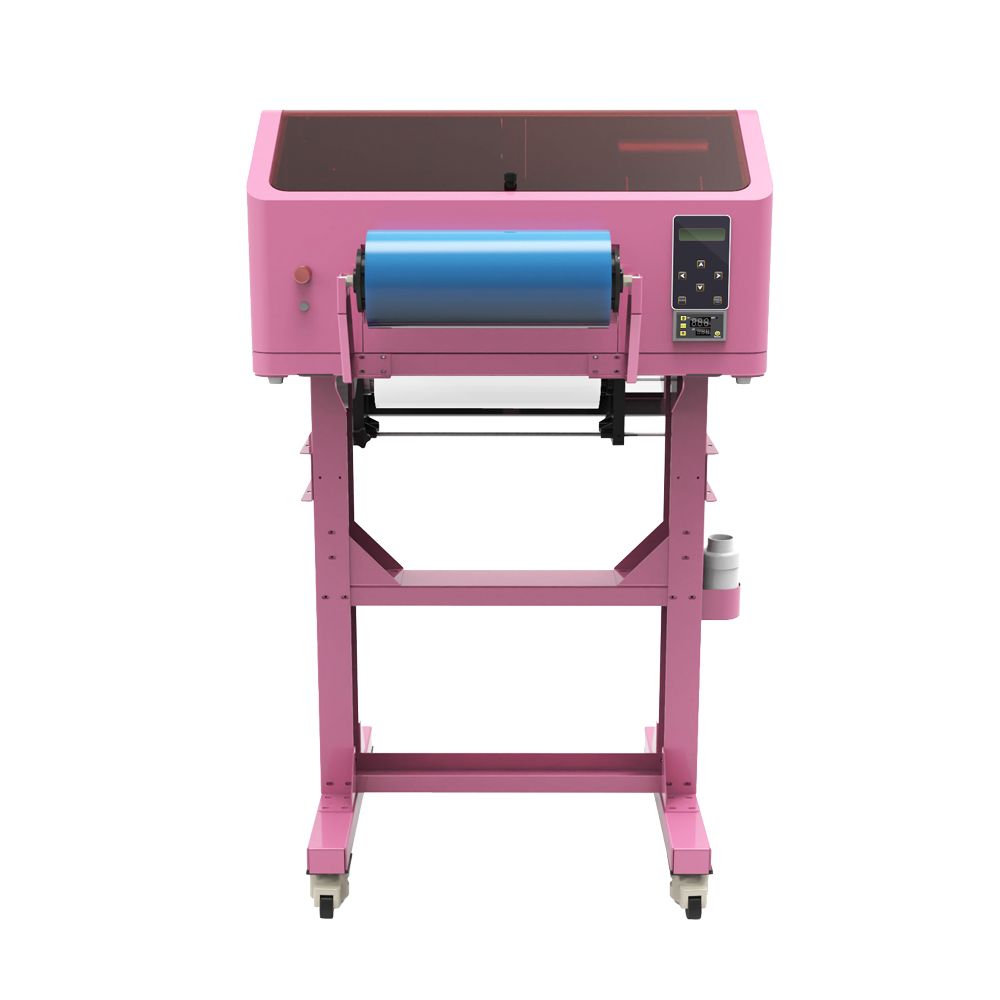
พิมพ์สติ๊กเกอร์นูนสีสดใสด้วย **CMYK + สีขาว + วานิช** ได้ในรอบเดียว ไม่มีแป้ง ไม่มีเตาอบ ลอกและติดบนสิ่งของที่เรียบหรือโค้งได้ภายในไม่กี่นาที
ไม่พบคำแนะนำที่เหมาะสมใช่ไหม รับการสนับสนุนด้านเทคนิคฟรีทันที!
เพียงแค่ให้รายละเอียดเล็กน้อยและเราจะช่วยให้คุณได้รับใบเสนอราคาด่วน!
เครื่องพิมพ์ Erasmart
เครื่องพิมพ์ UV
เครื่องพิมพ์ DTF
เครื่องพิมพ์ DTG
เครื่องกดความร้อน
เครื่องพิมพ์โฆษณา
เครื่องมือเครื่องพิมพ์
เตาอบ DTF
กดร้อน
เครื่องแกะสลัก
การถ่ายเทความร้อนของแก้ว
เครื่องเคลือบ
สิ้นเปลือง
หมึกพิมพ์
เคสโทรศัพท์มือถือ
ผลิตภัณฑ์แก้ว
ทำความสะอาดของเหลว
ผ้าฝ้าย
ติดต่อเรา
whatsapp: +8618566233796
WeChat: +8618566233796
มือถือ: +8618566233796
เว็บ:www.erasmart.com
ร้านค้า:www.erasmartmall.com
วอทส์แอพหาเรา
ขอใบเสนอราคา
เพียงแค่ให้รายละเอียดเล็กน้อยและเราจะช่วยให้คุณได้รับใบเสนอราคาด่วน!
ดาวน์ลง
ปล่อยให้คุณส่งอีเมลและส่ง URL ดาวน์โหลดไปที่อีเมล
ต้องการราคาเครื่องพิมพ์ใช่ไหม?
บอกความต้องการการพิมพ์ของคุณให้เราทราบ ทีมงานของเราจะตอบกลับภายใน 24 ชั่วโมง