Kích thước nhỏ nhà sản xuất máy in phun phẳng

UV DTF vs Textile DTF vs UV Flatbed: Differences, Best Use Cases, Costs, and Which Printing System Fits Your Business
February 27, 2026 Blog
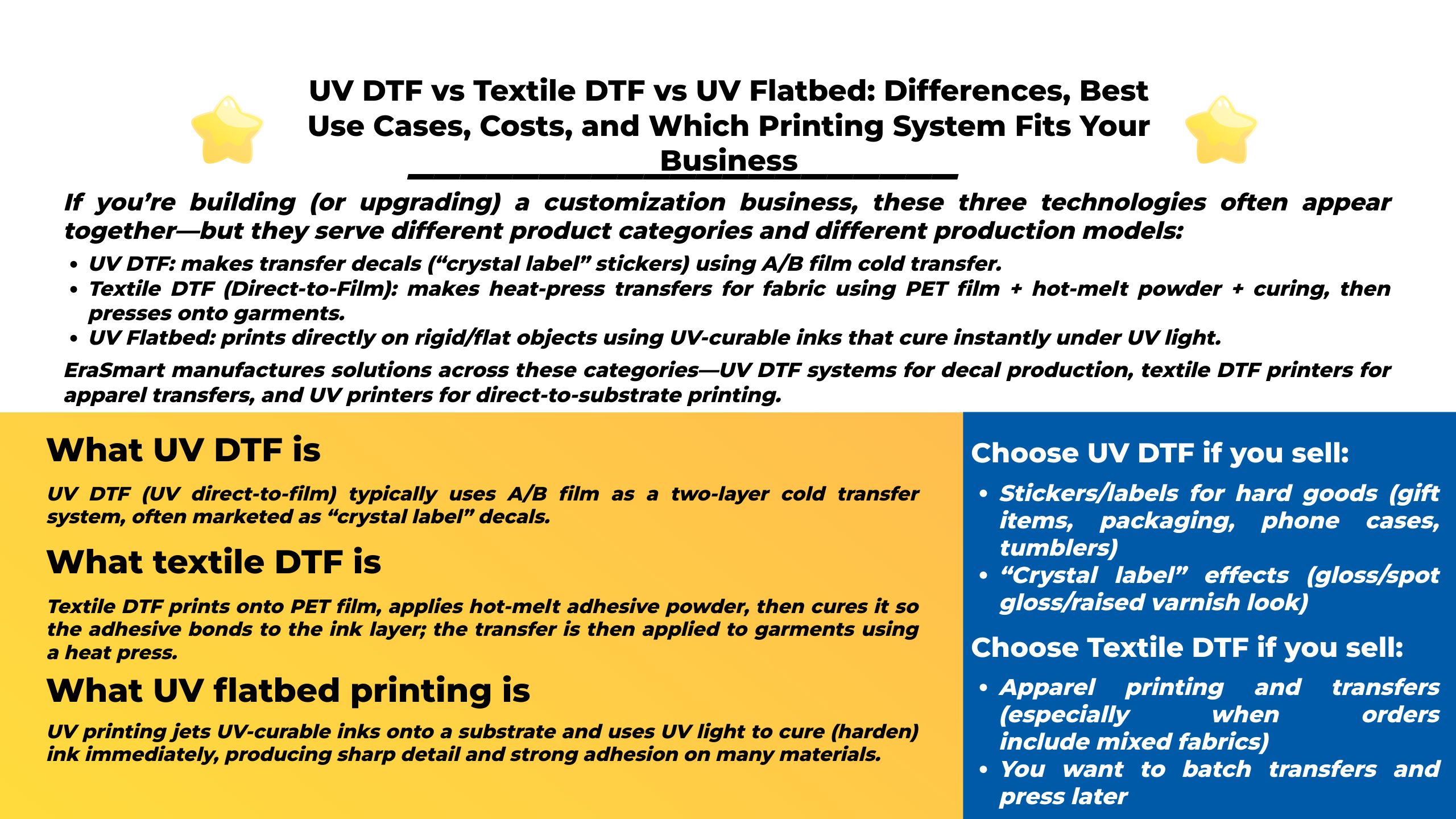
If you’re building (or upgrading) a customization business, these three technologies often appear together—but they serve different product categories Và different production models:
UV DTF: makes transfer decals (“crystal label” stickers) sử dụng A/B film cold transfer.
Textile DTF (Direct-to-Film): makes heat-press transfers for fabric sử dụng PET film + hot-melt powder + curing, then presses onto garments.
UV phẳng: prints directly on rigid/flat objects sử dụng Mực UV có thể chữa được that cure instantly under UV light.
EraSmart manufactures solutions across these categories—UV DTF systems for decal production, textile DTF printers for apparel transfers, and UV printers for direct-to-substrate printing.
Quick Comparison Table
| Loại | UV DTF (A/B Film Decals) | Textile DTF (PET Film + Powder) | UV Flatbed (Direct UV Printing) |
|---|---|---|---|
| Primary output | Transfer decals / “crystal label” stickers | Heat-press transfers for garments | Direct print on rigid/flat items ( |
| Core workflow | Print on Film A → laminate Film B → apply/peel | Print on PET film → powder → cure → heat press | Jet UV ink on substrate → UV light cures instantly |
| Best products | Tumblers/phone cases/packaging labels/hard goods decals | T-shirts/hoodies/workwear/transfers on fabric | Signs, acrylic/wood/PVC panels, flat products, industrial marking |
| Needs heat press? | Typically no (cold transfer) | Yes (heat press transfer) | No (UV cures ink instantly) |
| Vật tư tiêu hao | A/B film, UV inks | PET film, hot-melt powder, DTF inks | UV inks, substrates (optional primers depending on material) |
| Strength | Fast decal production + premium label finish | Broad fabric coverage + scalable apparel workflow | True direct printing on rigid items; sharp detail and adhesion |
| Limitation | Not meant for textiles | Not for hard-goods decals without other methods | Curved/irregular items often need jigs/fixtures |
1) UV DTF: Best for Stickers, Labels, and Hard-Goods Decals
What UV DTF is
UV DTF (UV direct-to-film) typically uses Phim A/B as a two-layer cold transfer system, often marketed as “crystal label” decals.
Standard AB workflow
In trên Phim A
Cán mỏng với Phim B
Apply to the product surface, burnish, then peel
This is why UV DTF excels for branded stickers on hard goods: you mass-produce decals, then apply them to many SKUs without building fixtures for each product shape.
What it’s best for
- “Crystal label” stickers and premium decals for tumblers, mugs (outer surface), bottles, phone cases, gift boxes, acrylic, glass, coated metal, etc.
EraSmart UV DTF option
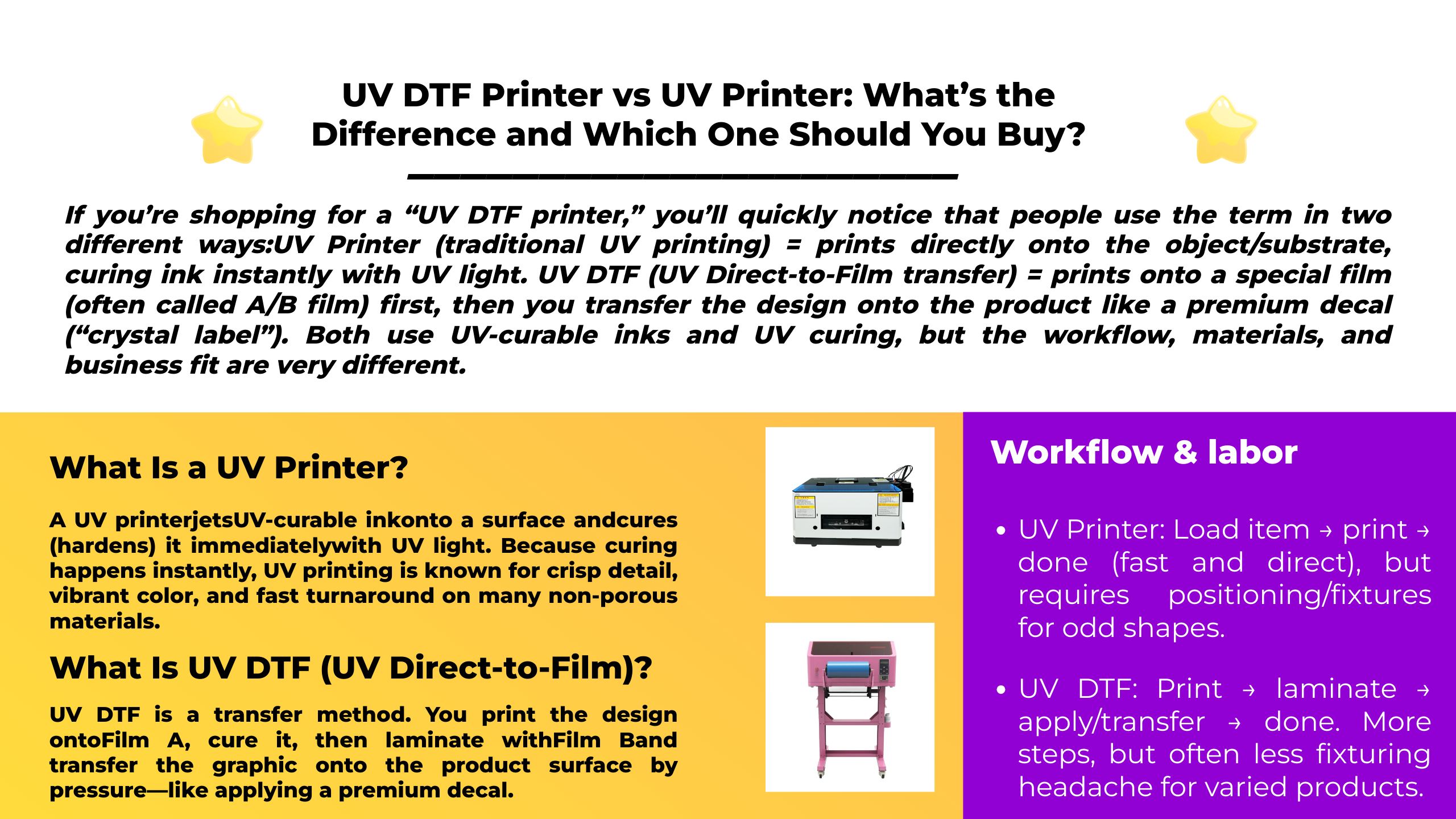
EraSmart’s UV DTF offering highlights an A3 (350mm) UV DTF printer designed for decals/labels with CMYK + Trắng + Sơn bóng, “powderless A/B film,” and “no oven, no heat press,” plus up to 1440 dpi.
Business advantage: UV DTF is often the fastest path to launch a profitable sticker/decal product line for gifting, customization, and packaging.
Model nổi bật — Máy in DTF UV A3
Sản xuất UV DTF cấp chuyên nghiệp cho đề can, nhãn và giấy bọc cốc. Dấu chân nhỏ gọn, đầu ra ổn định và quy trình truyền lạnh dễ dàng.
- Chiều rộng in lên tới 350 mm (A3)
- CMYK + Trắng + Sơn bóng trong một lượt; hiệu ứng đốm bóng
- Lên đến 1440 dpi cho văn bản vi mô và chi tiết sắc nét
- Không bột Phim A/B; không có lò nướng, không có máy ép nhiệt
- Quy trình làm việc của máy cán nguội tích hợp
Thông số kỹ thuật chính
| Tham số | Giá trị |
|---|---|
| Chiều rộng phương tiện tối đa | A3 / 350 mm |
| Kênh | CMYK + Trắng + Sơn bóng |
| Nghị quyết | Lên tới 1440 dpi |
| Quy trình làm việc | Phim A/B UV DTF · Cán nguội |
| Sử dụng tốt nhất | Nhãn dán, nhãn, giấy bọc cốc, vỏ đựng đồ dùng |
| XÉ | Riin / EraRip / Photoprint (hỗ trợ ICC) |
2) Textile DTF: Best for Apparel Transfers and Mixed Fabric Jobs
What textile DTF is
Textile DTF prints onto Phim thú cưng, áp dụng bột kết dính nóng chảy, then cures it so the adhesive bonds to the ink layer; the transfer is then applied to garments using a heat press.
Many step-by-step guides describe the same essentials: film printing → powder → curing → press transfer.
What it’s best for
- T-shirts, hoodies, uniforms, sportswear, and mixed fabrics (cotton/poly/blends), especially when you want a scalable transfer workflow.
EraSmart textile DTF options
EraSmart offers a Máy in DTF lineup (from A3 class machines to wider formats), and also publishes DTF guidance that describes printing to Phim chuyển thú cưng then transferring via heat press.
Business advantage: Textile DTF is the most flexible “one workflow for many garment types” approach when your revenue is primarily apparel.
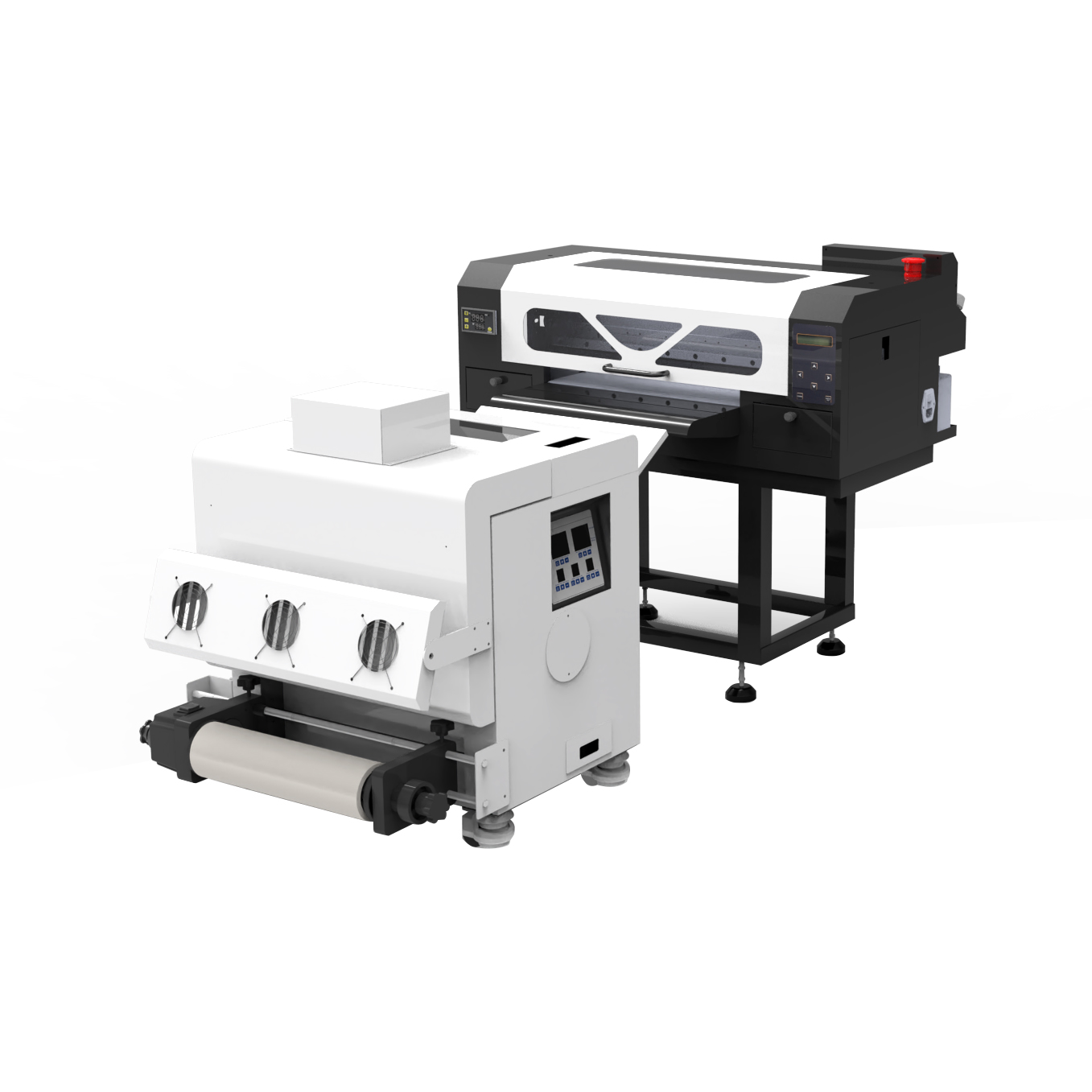
Một giải pháp sẵn sàng sản xuất được thiết kế cho các cửa hàng cần thông lượng cao hơn và quy trình làm việc tự động hơn.
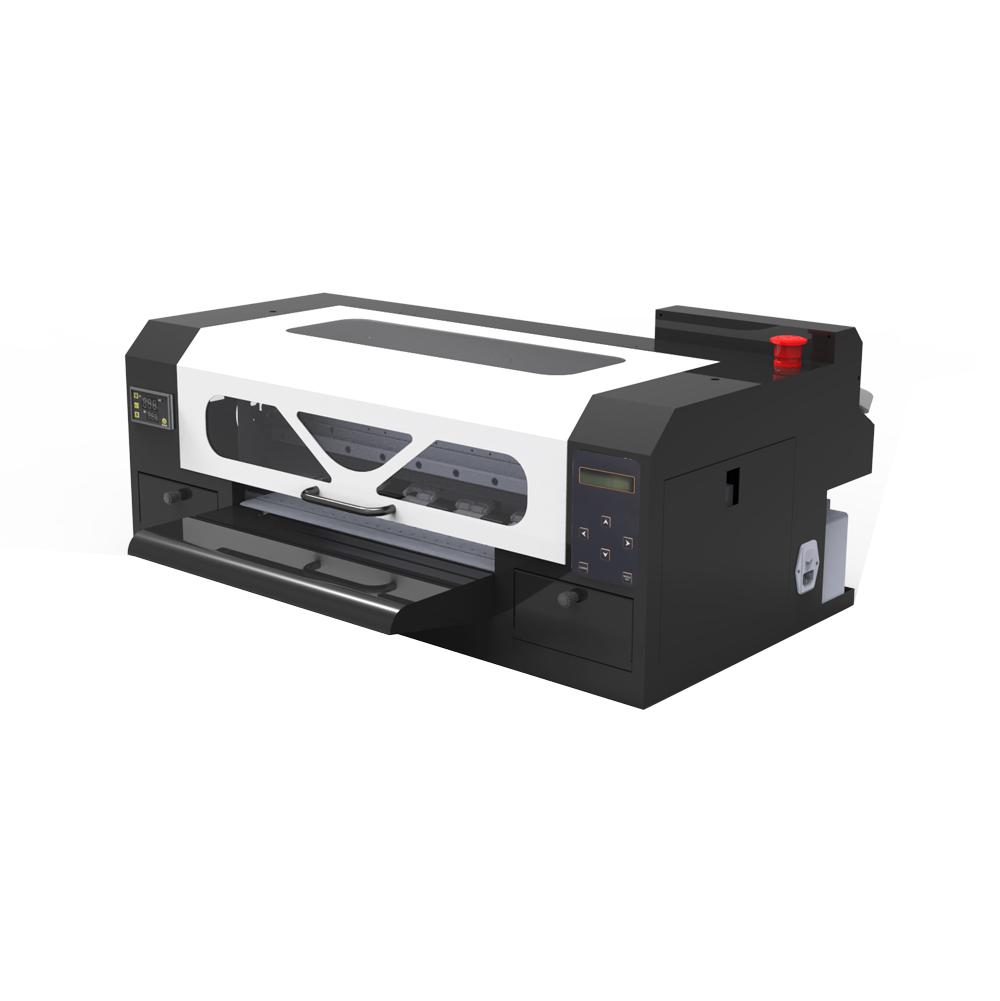
Hiệu suất cân bằng cho các cửa hàng in cần tốc độ + đầu ra ổn định trong phạm vi khổ giấy A3.
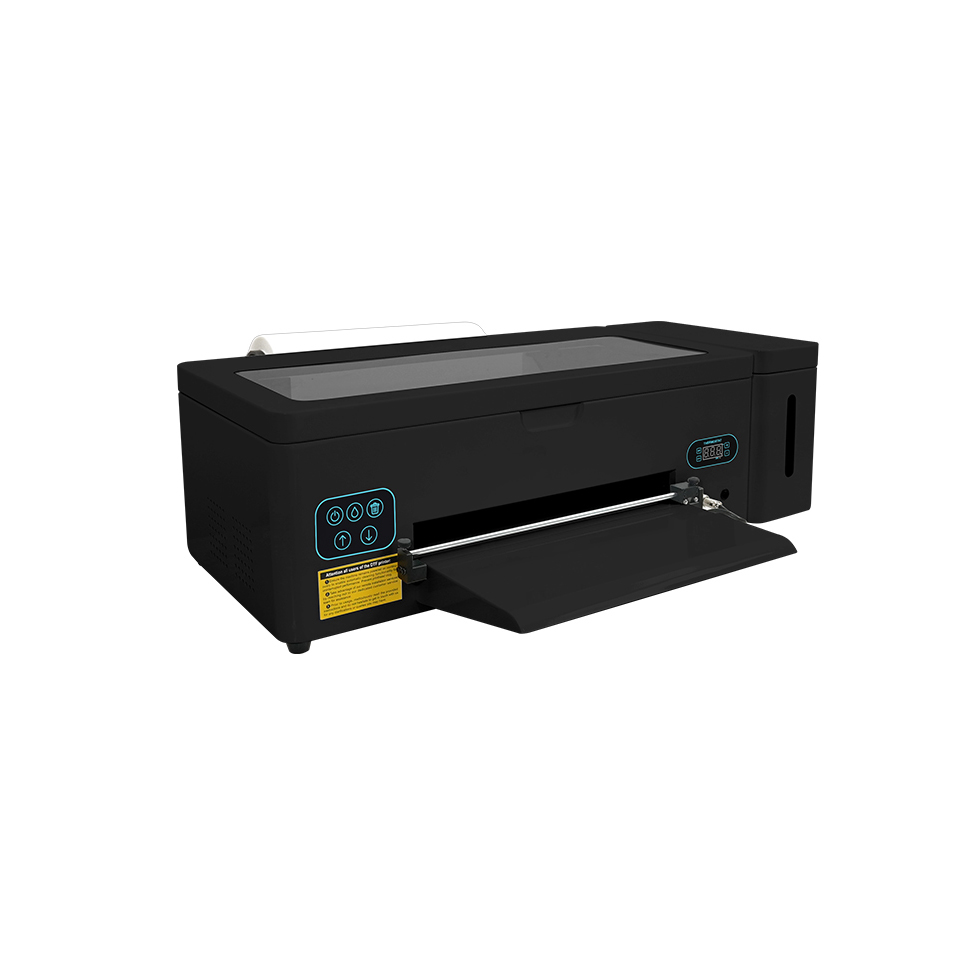
Một sự lựa chọn thiết thực cho các công ty khởi nghiệp và studio nhỏ muốn có đầu ra đáng tin cậy mà không cần đầu tư quá mức.
3) UV Flatbed: Best for Direct Printing on Rigid, Flat Items
What UV flatbed printing is
UV printing jets Mực UV có thể chữa được onto a substrate and uses UV light to cure (harden) ink immediately, producing sharp detail and strong adhesion on many materials.
UV flatbed printers are typically used for direct printing on rigid, flat items such as signage panels, boards, and flat product surfaces.
What it’s best for
- bảng hiệu, acrylic panels, wood boards, PVC sheets, branded plates, product prototypes, and flat items where you want the print directly on the object (not as a transfer).
EraSmart UV printer options
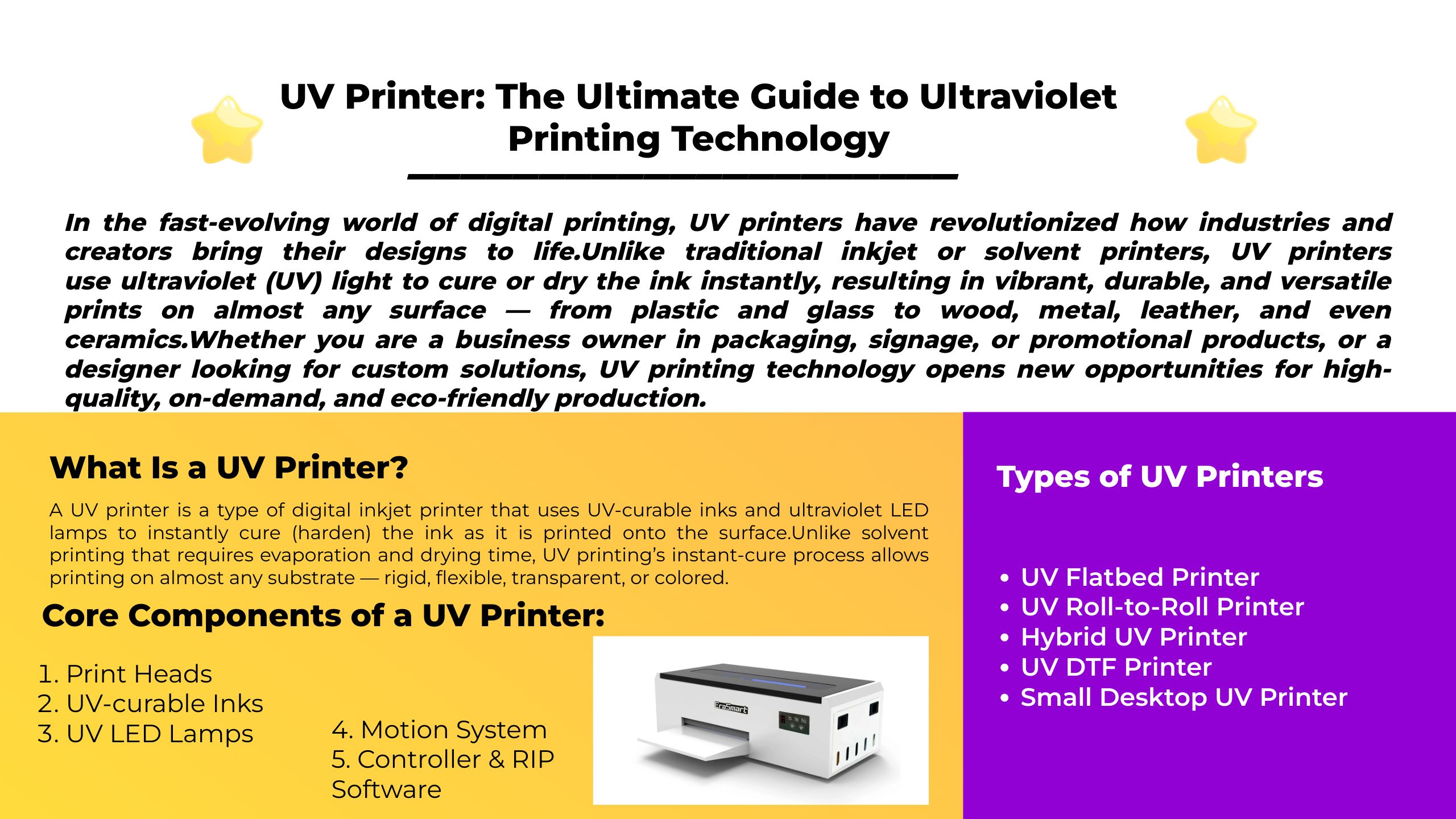
EraSmart lists máy in tia cực tím products and positioning for materials such as metal, acrylic, ceramic, wood, PVC, TPU, and more (model-dependent), which aligns with typical UV flatbed use cases.
Business advantage: UV flatbed printing is ideal when your business sells rigid goods and you want a direct, production-style workflow.
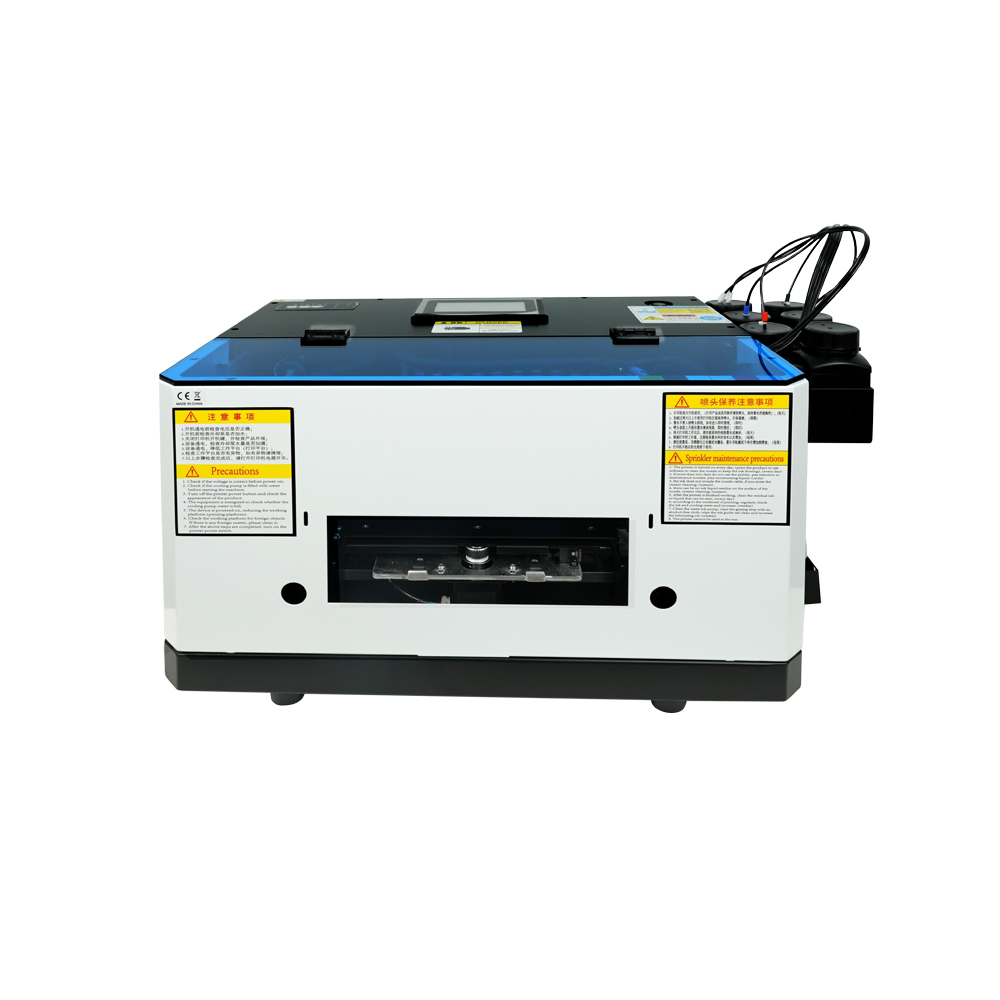
Model cấp thấp nhỏ gọn với đầu in L800, lý tưởng cho các vật phẩm nhỏ và dự án theo sở thích (kích thước in 120*210mm).
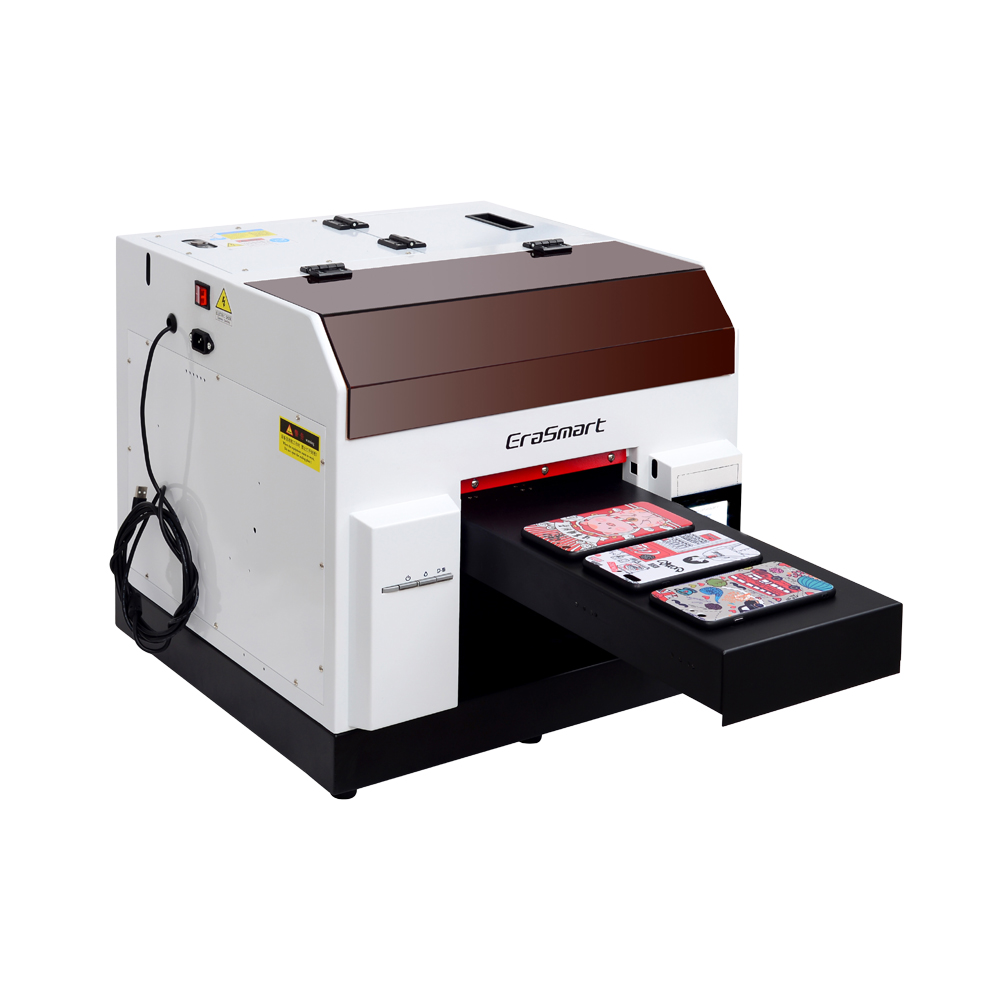
Đầu in L800 với kích thước in 210*290mm, hoàn hảo cho các doanh nghiệp nhỏ và quà tặng cá nhân hóa (chiều cao in 0-130mm).
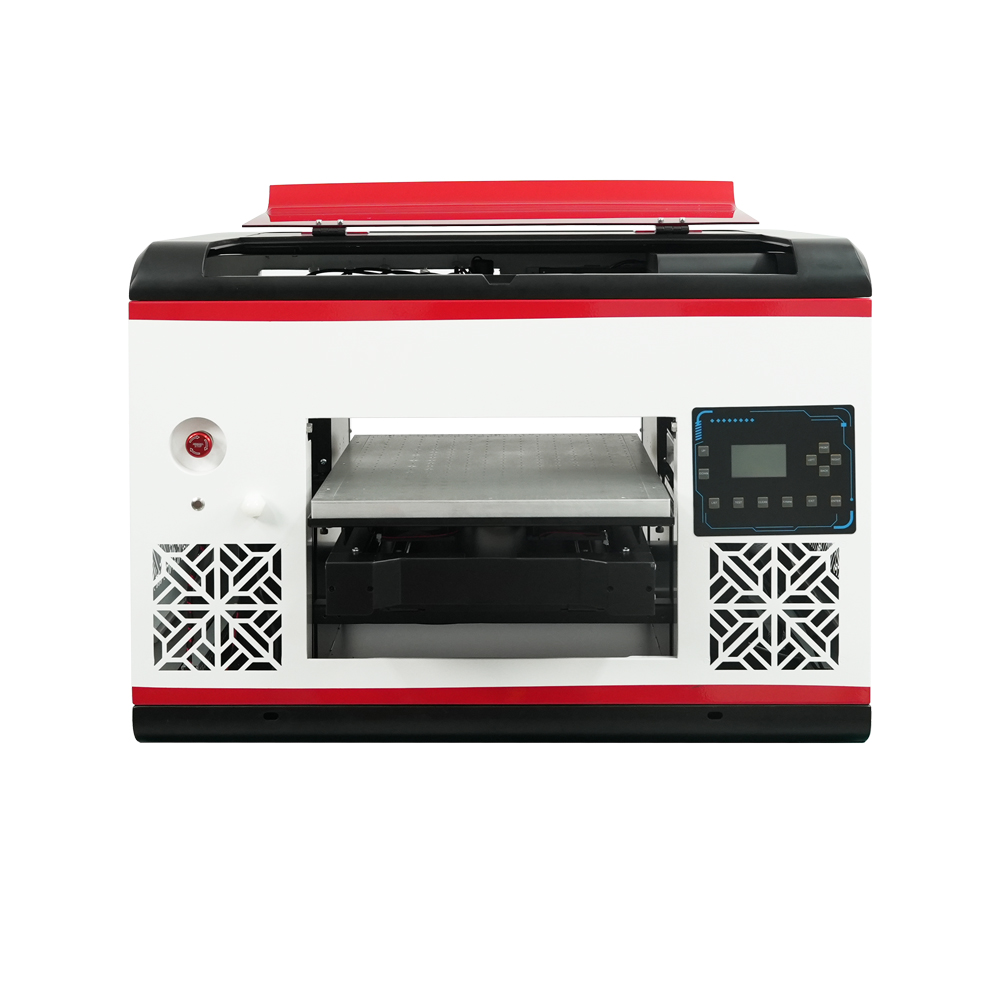
Đầu in DX7 với kích thước in 350*450mm, bệ hút và CMYK+WW+VV để sản xuất số lượng lớn.
How to Choose the Right System by Business Model
Choose UV DTF if you sell:
Stickers/labels for hard goods (gift items, packaging, phone cases, tumblers)
“Crystal label” effects (gloss/spot gloss/raised varnish look)
Choose Textile DTF if you sell:
Apparel printing and transfers (especially when orders include mixed fabrics)
You want to batch transfers and press later
Choose UV Flatbed if you sell:
Signage, panels, and products that can be placed flat on a bed
Industrial-style direct print on rigid items
Operations and Cost Drivers That Matter in Real Production
Labor & throughput
UV DTF: fast decal production; labor shifts to lamination/cutting/application (often efficient across many SKUs).
Textile DTF: additional steps (powder + cure + press), but very scalable with a shaker/oven and standardized pressing.
UV Flatbed: fewer steps per print (place item → print), but odd shapes can increase setup time via fixtures/jigs.
Consumables and repeatability
UV DTF repeatability is strongly tied to film pairing (A/B), lamination quality, and surface prep.
Textile DTF repeatability depends on powder coverage, curing, and consistent press parameters.
UV Flatbed success depends on substrate compatibility and proper curing, since UV ink cures instantly on the surface.
Common Misconceptions
“UV DTF is for T-shirts.”
UV DTF is primarily used for hard-surface transfers; textile DTF is the standard transfer method for garments.“UV flatbed can replace UV DTF.”
UV flatbed prints directly onto the item; UV DTF produces decals that can be applied later. They can complement each other rather than replace each other.“Textile DTF doesn’t need curing.”
DTF guides consistently emphasize a curing step that melts/bonds the powder before pressing.
Câu hỏi thường gặp
Is UV DTF the best choice for stickers?
Vì hard-surface decals and “crystal label” style stickers using AB film cold transfer, UV DTF is often the most direct workflow.
Is Textile DTF better than DTG for most small apparel shops?
Many shops choose textile DTF when they need broad fabric compatibility and a transfer workflow, since it prints to film and presses onto garments.
What makes UV flatbed printing special?
UV flatbed printing cures ink instantly with UV light, which helps produce sharp detail and enables printing on many rigid substrates.
Phần kết luận
Many profitable shops expand in phases:
Start with UV DTF to launch stickers/labels and monetize hard goods quickly (packaging + gifts).
Add Textile DTF when apparel orders become steady (merch, uniforms, local teams).
Add UV phẳng when you move into signage/panels or direct rigid printing jobs.
EraSmart supports all three categories (UV DTF, DTF, UV printers) and positions itself as a manufacturer of small flatbed and transfer printing systems.
Có thể bạn cũng thích
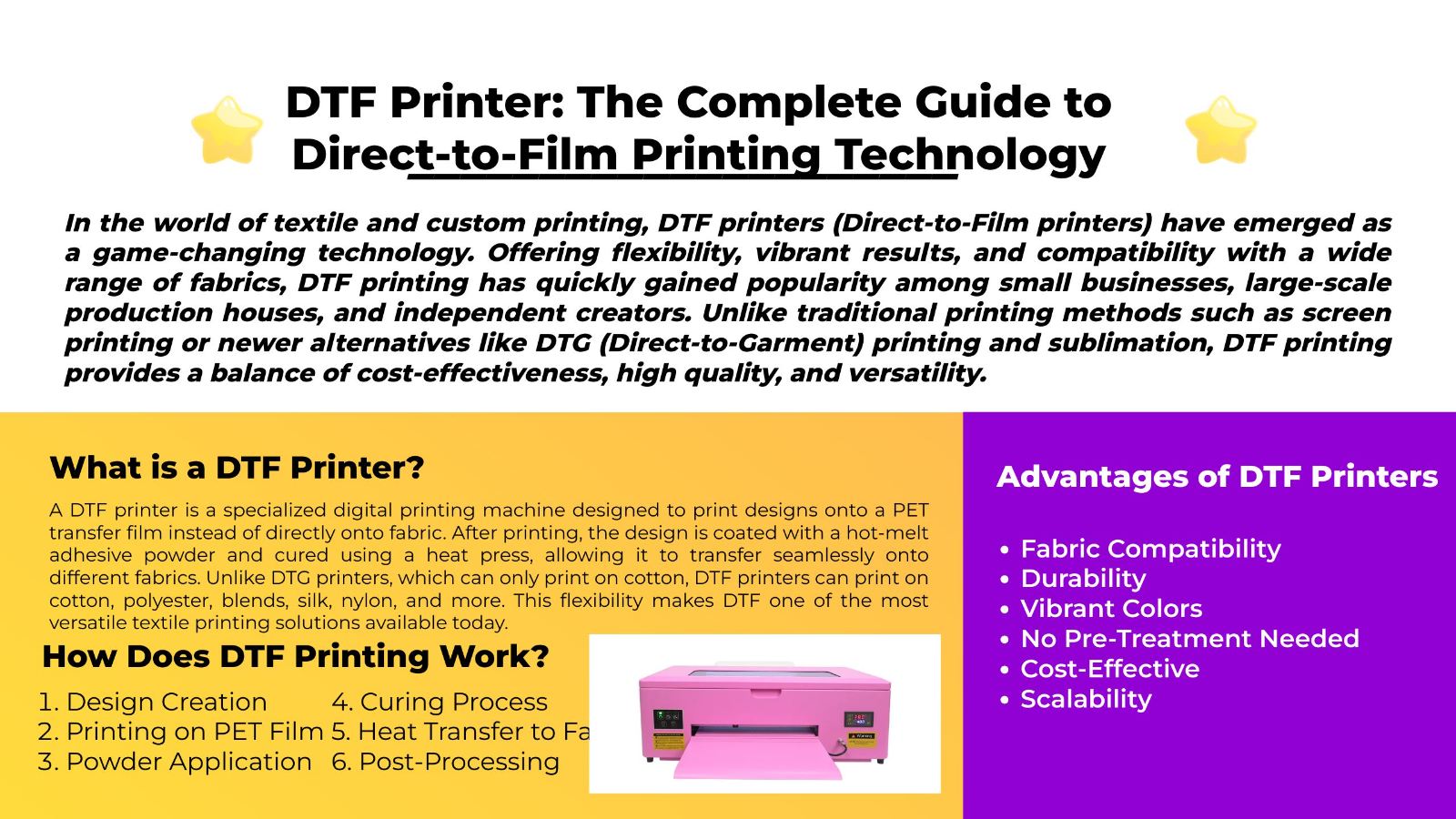
Máy in Erasmart
Máy in UV
Máy in DTF
Máy in DTG
Máy ép nhiệt
Máy in quảng cáo
Công cụ máy in
Lò nướng DTF
Báo chí nóng
Máy chạm khắc
Truyền nhiệt cốc
Máy làm cán
Vật tư tiêu hao
In mực in
Vỏ điện thoại di động
Sản phẩm thủy tinh
Làm sạch chất lỏng
Gạc bông
Liên hệ với chúng tôi
WhatsApp, +8618566233796
WeChat, +8618566233796
Di động +8618566233796
Web :www.erasmart.com
Cửa hàng:www.erasmartmall.com
Bản quyền 2020 © Erasmart. | SITEMAP
WhatsApp chúng tôi
Yêu cầu báo giá
Chỉ cần cung cấp một vài chi tiết và chúng tôi sẽ giúp bạn nhận được báo giá nhanh!