
- Casa
- Sobre nosotros
- productos
- Solicitud
- conocimiento
- Descripción general del producto
- Descripción general del producto DTF
- Descripción general del producto DTG
- Descripción general del producto UV
- Descripción general del producto UV-DTF
- Descripción general del producto de la prensa de calor
- Descripción general del producto del horno
- Descripción general del producto de la agitador de polvo
- Guía de operación
- Apoyo técnico
- Caso de manejo de mal funcionamiento
- Descripción general del producto
- Noticias
- Apoyo
Cómo elegir una impresora UV para sus productos, presupuesto y modelo de negocio
La impresora UV adecuada no es simplemente la máquina más grande, más rápida o más cara. Una buena elección comienza con el tipo de producto, el tamaño de impresión, la superficie del material, el requisito de tinta blanca, el efecto del barniz, el volumen de pedido diario, la capacidad de mantenimiento y el retorno de la inversión esperado.
Marco de selección
Paso 1
Paso 2
Paso 3
Paso 4
Solicitud primero
Elija según las carcasas del teléfono, acrílico, vidrio, metal, madera, regalos, letreros o calcomanías.
El tamaño importa
Las máquinas A5, A4, A3 y A2 atienden a diferentes escalas de producción y tamaños de productos.
Configuración de tinta
CMYK, tinta blanca y barniz determinan qué efectos y materiales puedes manejar.
Estabilidad a largo plazo
El mantenimiento, la protección del cabezal de impresión, el software RIP, los repuestos y el soporte afectan el retorno de la inversión real.
Comience aquí
No elija una impresora UV sólo por el precio
Muchos compradores comparan las impresoras UV sólo por el precio, el tamaño de impresión o el nombre del cabezal de impresión. Esto es arriesgado porque el rendimiento de la impresión UV depende del sistema completo: estructura de la máquina, precisión de la plataforma, configuración de la tinta, circulación de tinta blanca, control de curado, software RIP, mantenimiento del cabezal de impresión, compatibilidad de materiales y soporte posventa.
Una impresora UV pequeña puede resultar rentable si se adapta a su categoría de producto y modelo de pedido. Una máquina más grande también puede volverse ineficiente si sus productos son demasiado pequeños, su flujo de trabajo no está estandarizado o su rutina de mantenimiento es deficiente. La mejor impresora UV es aquella que se adapta a su escenario de producción real.
Regla de selección simple
Elija la impresora después de definir sus productos, materiales, rango de tamaño, efectos de impresión, volumen de pedido diario, nivel de habilidad del operador y beneficio esperado por artículo.
Partido rápido
Selección de impresoras UV por tipo de negocio
| Objetivo empresarial | Productos típicos | Dirección recomendada de la impresora | Características clave para comprobar |
|---|---|---|---|
| Tienda de productos personalizados para principiantes | Pequeños obsequios, etiquetas, muestras, complementos. | Impresora UV de escritorio A5 o A4 | Tamaño compacto, fácil operación, tinta blanca estable, mantenimiento sencillo |
| Negocio de impresión de fundas para teléfonos. | Fundas, fundas y accesorios para teléfonos. | Impresora UV A4 o impresora UV exclusiva para fundas de teléfonos | Posicionamiento de la plantilla, precisión de repetición, consistencia del color, flujo de trabajo rápido |
| Estudio de señalización y exhibición en acrílico. | Letreros acrílicos, premios, paneles, carteles publicitarios. | Impresora plana UV A3 o A2 | Tinta blanca, barniz, mayor área de impresión, buena planitud de plataforma |
| Proveedor de regalos promocionales | Etiquetas de metal, regalos de madera, artículos de plástico, accesorios de cuero. | Impresora UV A3 con rango de altura flexible | Compatibilidad de materiales, altura ajustable, soporte de fijación, control de curado |
| Vendedor de pegatinas y envoltorios para tazas. | Calcomanías UV DTF, envoltorios para tazas, etiquetas de cristal | Impresora UV DTF, no cama plana UV estándar | Flujo de trabajo de película A/B, laminador, durabilidad de la calcomanía, resultado de la transferencia |
Paso 1
Comience con los productos que desea vender
La primera pregunta no es "¿Qué impresora UV es mejor?" La primera pregunta es "¿Qué productos quiero producir repetidamente?" Las impresoras UV se pueden utilizar para muchos productos, pero cada tipo de producto tiene diferentes requisitos de tamaño, fijación, preparación del material, tinta blanca, barniz, curado y flujo de trabajo.
Pequeños Productos Personalizados
Productos como llaveros, pequeñas piezas acrílicas, insignias, etiquetas con nombres y pequeños obsequios normalmente no necesitan una máquina grande. Una impresora UV de escritorio estable puede resultar más práctica.
Fundas y accesorios para teléfonos
La producción de fundas para teléfonos necesita un posicionamiento preciso, un flujo de trabajo repetible y una configuración de plantilla eficiente. Una impresora UV compacta con un posicionamiento estable puede ser mejor que una máquina de gran tamaño.
Acrílico, Letreros y Paneles
Los productos acrílicos suelen requerir tinta blanca y, a veces, barniz. Las piezas más grandes pueden necesitar una impresora plana UV A3 o A2 con una plataforma estable y un control de altura preciso.
Objetos curvos o irregulares
Si sus productos principales son tazas, botellas, vasos o superficies irregulares, la impresión UV DTF puede ser más adecuada que la impresión UV directa de cama plana.
Paso 2
Elija el tamaño de impresión correcto
El tamaño de impresión afecta la gama de productos, el espacio de trabajo, la velocidad de producción, el costo y la escalabilidad futura. Más grande no siempre es mejor. Si sus productos son pequeños y repetibles, una máquina compacta puede ser más fácil de operar y más eficiente. Si sus productos incluyen paneles acrílicos más grandes, letreros o varios productos por lote, una máquina A3 o A2 puede ser más adecuada.
| Tamaño de la impresora | Mejor para | Ventajas | Limitaciones |
|---|---|---|---|
| Impresora UV A5 | Pequeños obsequios, muestras, accesorios compactos. | Requiere poco espacio, acceso más sencillo, adecuado para probar ideas de productos | Área de impresión y capacidad de lotes limitadas |
| Impresora UV A4 | Fundas para móviles, regalos personalizados, pequeños carteles, accesorios. | Tamaño equilibrado para pequeñas empresas y producción de escritorio | Puede que no quepa en letreros o paneles más grandes |
| Impresora UV A3 | Paneles acrílicos, regalos más grandes, impresión por lotes, pedidos comerciales. | Cobertura de productos más flexible y mayor potencial de producción | Requiere más espacio de trabajo y mayor presupuesto |
| Impresora UV A2 | Paneles más grandes, señalización, productos personalizados más grandes. | Mejor para trabajos de mayor formato y equipos de producción en crecimiento | Mayor coste de la máquina y flujo de trabajo más exigente |
Paso 3
Verifique la altura del material, la planitud y los requisitos de fijación
Las impresoras UV no sólo tienen un ancho y un largo de impresión. También tienen una altura máxima de objeto imprimible. Esto es importante si imprime carcasas de teléfonos, cajas, placas, piezas acrílicas gruesas, tableros de madera o artículos promocionales irregulares.
Altura del objeto
Verifique la altura máxima de impresión y si la máquina admite un ajuste de altura automático o conveniente.
Planitud de la superficie
La impresión UV funciona mejor cuando la superficie de impresión es estable y plana. Las superficies irregulares pueden provocar bordes borrosos o una deposición de tinta inconsistente.
Plantillas y posicionamiento
Los productos repetidos, como las fundas de los teléfonos, a menudo necesitan plantillas de posicionamiento para mejorar la velocidad, la consistencia y la eficiencia de los lotes.
Paso 4
Elija CMYK, tinta blanca y barniz según sus materiales
La configuración de la tinta de la impresora UV determina qué materiales y efectos visuales puede producir. Para una impresión en color sencilla sobre materiales blancos o de colores claros, CMYK puede ser suficiente. Para materiales transparentes, oscuros o de colores, suele ser necesaria tinta blanca. Para productos premium, el barniz puede agregar brillo, textura o efectos elevados.
| Opción de tinta | Qué hace | Cuando lo necesitas | Consejo de compra |
|---|---|---|---|
| CMYK | Imprime gráficos, imágenes, logotipos y texto a todo color. | La mayoría de los trabajos de impresión UV | Verifique la estabilidad del color, el perfil RIP y el modo de paso |
| tinta blanca | Crea una base para materiales oscuros o transparentes. | Acrílico, vidrio, productos oscuros, sustratos coloreados. | Verifique la circulación, agitación y proceso de mantenimiento de la tinta blanca. |
| Barniz | Agrega brillo, recubrimiento puntual, textura y efectos elevados. | Regalos premium, rótulos, productos decorativos, personalización de alto valor. | Confirme el control de capa y la configuración de curado en el software RIP |
Paso 5
Comprender las expectativas de producción y cabezales de impresión
El cabezal de impresión afecta la resolución, la velocidad, el costo de mantenimiento y la confiabilidad a largo plazo. Sin embargo, el modelo del cabezal de impresión por sí solo no determina el resultado final de la impresión. También son importantes la estructura de la máquina, el sistema de tinta, la forma de onda, la configuración del RIP, la estabilidad de la plataforma y el flujo de trabajo del operador.
Dirección XP600
Las impresoras UV basadas en XP600 son comunes para sistemas de cama plana UV pequeños y medianos. A menudo se eligen por su personalización flexible, menores costos de entrada y necesidades prácticas de producción.
Dirección DX7
Las máquinas basadas en DX7 pueden ubicarse para usuarios que se preocupan por una calidad estable y ciertas configuraciones de impresión. Compare la estructura real de la máquina y el soporte del proveedor, no solo el nombre del cabezal de impresión.
Sistema de un solo cabezal
Un sistema de un solo cabezal puede ser más fácil para usuarios principiantes y talleres pequeños, especialmente cuando el volumen de producción es moderado y la gama de productos está enfocada.
Sistema de doble cabezal
Un sistema de doble cabezal puede mejorar la flexibilidad o la eficiencia de la producción, pero también requiere una configuración, un mantenimiento y una disciplina del operador más cuidadosos.
Paso 6
Verifique el software RIP, el control de capas y el flujo de trabajo de archivos
El software RIP es importante porque la impresión UV a menudo implica múltiples capas. Por ejemplo, el acrílico transparente puede requerir tinta blanca debajo del color, mientras que los obsequios premium pueden requerir color más barniz. Una configuración de RIP deficiente puede provocar cambios de color, colocación incorrecta de la tinta blanca, efectos de barniz débiles o baja eficiencia de producción.
| Característica del software | Por qué es importante | Qué confirmar |
|---|---|---|
| Control de capa de tinta blanca | Necesario para sustratos transparentes, oscuros y coloreados. | ¿Puede el software generar o gestionar capas de tinta blanca? |
| Control de capa de barniz | Necesario para brillo, barniz puntual y efectos elevados. | ¿Puede el usuario controlar el área del barniz y el espesor de la capa? |
| ICC y configuración de color | Afecta la producción de color repetible y la coincidencia de materiales. | ¿Se proporcionan perfiles o configuraciones recomendadas? |
| Modo de pase y velocidad | Equilibra la calidad de impresión y la eficiencia de producción | ¿Se pueden elegir modos para salida borrador, estándar y de alta calidad? |
Paso 7
Evalúe el mantenimiento antes de comprar
Las impresoras UV necesitan un mantenimiento regular. La tinta blanca contiene pigmentos más pesados, por lo que la circulación de la tinta blanca, la agitación, la comprobación de los inyectores y el taponado adecuado son especialmente importantes. Una impresora con un diseño de mantenimiento deficiente puede costar más en tiempo de inactividad de lo que ahorra en precio de compra.
| Área de Mantenimiento | Por qué es importante | Pregunta para hacer |
|---|---|---|
| Circulación de tinta blanca | Ayuda a reducir los sedimentos y la inestabilidad de la tinta blanca. | ¿La impresora admite circulación o agitación de tinta blanca? |
| Estación de tapado | Protege el cabezal de impresión cuando la máquina está inactiva | ¿Qué tan bien sella el cabezal de impresión? |
| Limpieza de boquillas | Evita bandas, líneas faltantes y resultados inestables | ¿Cuál es el proceso de limpieza diaria? |
| Protección inactiva prolongada | Importante cuando la impresora no se utiliza todos los días | ¿Qué deben hacer los usuarios antes de que la impresora quede inactiva? |
Paso 8
Calcular el costo real y el retorno de la inversión
El costo de la impresora UV es mayor que el precio de la máquina. Una decisión de compra seria debe incluir el costo de la tinta, el costo del producto en blanco, la mano de obra, el mantenimiento, las impresiones fallidas, las piezas de repuesto, el software, el embalaje y el precio de venta. Una impresora de menor costo no siempre es más barata si genera más desperdicio, tiempo de inactividad o resultados inconsistentes.
Beneficio del producto
Calcule su precio de venta menos el costo del blanco, el costo de la tinta, la mano de obra, el embalaje y las tarifas de plataforma.
Capacidad diaria
Calcule cuántos productos terminados puede producir por día, no solo qué tan rápido puede moverse la impresora.
Período de recuperación
Compare el costo de la máquina con la ganancia neta mensual para estimar cuánto tiempo lleva recuperar la inversión.
Ruta del modelo EraSmart
¿Qué impresora UV EraSmart debería considerar?
La siguiente ruta del modelo ayuda a los compradores a comparar las opciones de impresoras UV EraSmart por dirección comercial. El mejor modelo debe confirmarse según el tamaño del producto, el material de destino, la configuración de tinta y el volumen de pedido esperado.
Adecuado para productos personalizados de pequeño formato, muestras, obsequios compactos y usuarios que desean comenzar con la impresión UV ocupando un espacio más pequeño.
Una opción práctica para fundas de teléfonos, accesorios, pequeños productos acrílicos, regalos personalizados y producción para pequeñas empresas.
Una opción más sólida para los usuarios que necesitan una plataforma más grande, más cobertura de productos y una producción de lotes pequeños más flexible.
Adecuado para letreros, paneles, tableros personalizados y equipos de producción más grandes que necesitan un área de impresión más amplia y una mayor escalabilidad.
Diseñado para la personalización de fundas de teléfonos y la producción rápida de productos personalizados con una ruta de aplicación más enfocada.
Mejor para pegatinas UV DTF, etiquetas de cristal, envoltorios para tazas, botellas y calcomanías de transferencia a superficies duras.
Lista de verificación
Preguntas que debe hacerse antes de comprar una impresora UV
Antes de comprar, haga preguntas prácticas que conecten la máquina con sus necesidades de producción reales.
| Categoría | Pregunta | Por qué es importante |
|---|---|---|
| Solicitud | ¿Puede esta impresora manejar mis productos principales repetidamente? | Una máquina debe adaptarse a su producción real, no sólo a fotografías de muestra. |
| Área de impresión | ¿Cuál es el tamaño máximo para imprimir? | Determina si sus productos se ajustan a la plataforma. |
| Altura del objeto | ¿Cuál es la altura máxima imprimible? | Importante para objetos gruesos, estuches, cajas, placas y regalos. |
| Sistema de tinta | ¿Admite CMYK, tinta blanca y barniz? | Afecta la gama de materiales y los efectos de impresión premium. |
| Mantenimiento | ¿Cómo se mantiene la tinta blanca? | La estabilidad de la tinta blanca es fundamental para un uso prolongado. |
| Software | ¿Puede el software RIP controlar las capas blancas y de barniz? | El control de capas determina la calidad de la producción y el flujo de trabajo. |
| Apoyo | ¿Hay capacitación, repuestos y soporte para la resolución de problemas disponibles? | El soporte reduce el tiempo de inactividad después de la compra. |
Preguntas frecuentes
-
1. ¿Qué tamaño de impresora UV debo comprar primero?
Si sus productos son pequeños, como fundas para teléfonos, accesorios, etiquetas y pequeños obsequios, una impresora UV de escritorio compacta o A4 puede ser suficiente. Si imprime paneles acrílicos, letreros o productos por lotes más grandes, considere A3 o A2.
-
2. ¿Necesito tinta blanca en una impresora UV?
Sí, si desea imprimir sobre materiales oscuros, de colores o transparentes. La tinta blanca funciona como base y ayuda a que los colores parezcan más brillantes y precisos.
-
3. ¿Necesito barniz?
El barniz es útil para efectos premium como brillo, recubrimiento puntual, textura elevada y acabados decorativos. No es necesario para todos los productos, pero puede aumentar el valor del producto.
-
4. ¿Una impresora UV de escritorio es buena para las pequeñas empresas?
Sí. Una impresora UV de escritorio puede ser una opción práctica para regalos personalizados, fundas para teléfonos, productos acrílicos, artículos promocionales y pedidos personalizados en línea, especialmente cuando el espacio y el presupuesto son limitados.
-
5. ¿Debo elegir UV de cama plana o UV DTF?
Elija cama plana UV si desea imprimir directamente sobre objetos. Elija UV DTF si desea realizar calcomanías de transferencia para tazas, botellas, pegatinas, objetos irregulares y superficies difíciles de colocar.
-
6. ¿Cuál es el problema de mantenimiento de la impresora UV más importante?
La estabilidad de la tinta blanca y la protección de los inyectores son muy importantes. Los compradores deben comprobar la circulación de la tinta blanca, el diseño de la estación de taponado, el flujo de trabajo de limpieza de las boquillas y la protección contra inactividad prolongada.
-
7. ¿Cómo sé si una impresora UV es rentable?
Calcule el costo del producto en blanco, el costo de la tinta, la mano de obra, el precio de venta, la capacidad diaria, la tasa de impresión fallida y el costo de la máquina. Luego calcule las ganancias mensuales y el período de recuperación.
-
8. ¿Qué debo preguntarle a un proveedor de impresoras UV antes de comprar?
Pregunte sobre el tamaño de impresión, la altura del objeto, el sistema de tinta blanca, la compatibilidad con barniz, el software RIP, la configuración ICC, el proceso de mantenimiento, los repuestos, la capacitación y el soporte para sus materiales de destino.
Serie de impresoras EraSmart
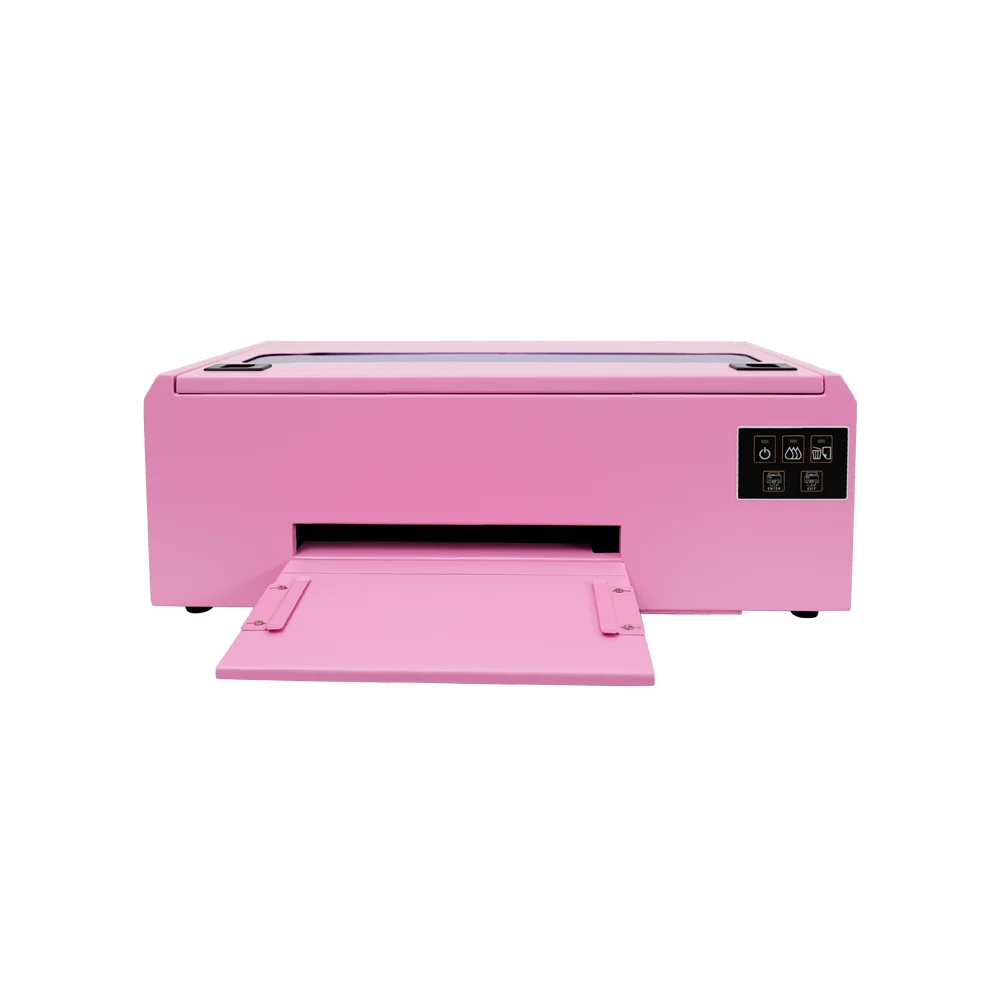
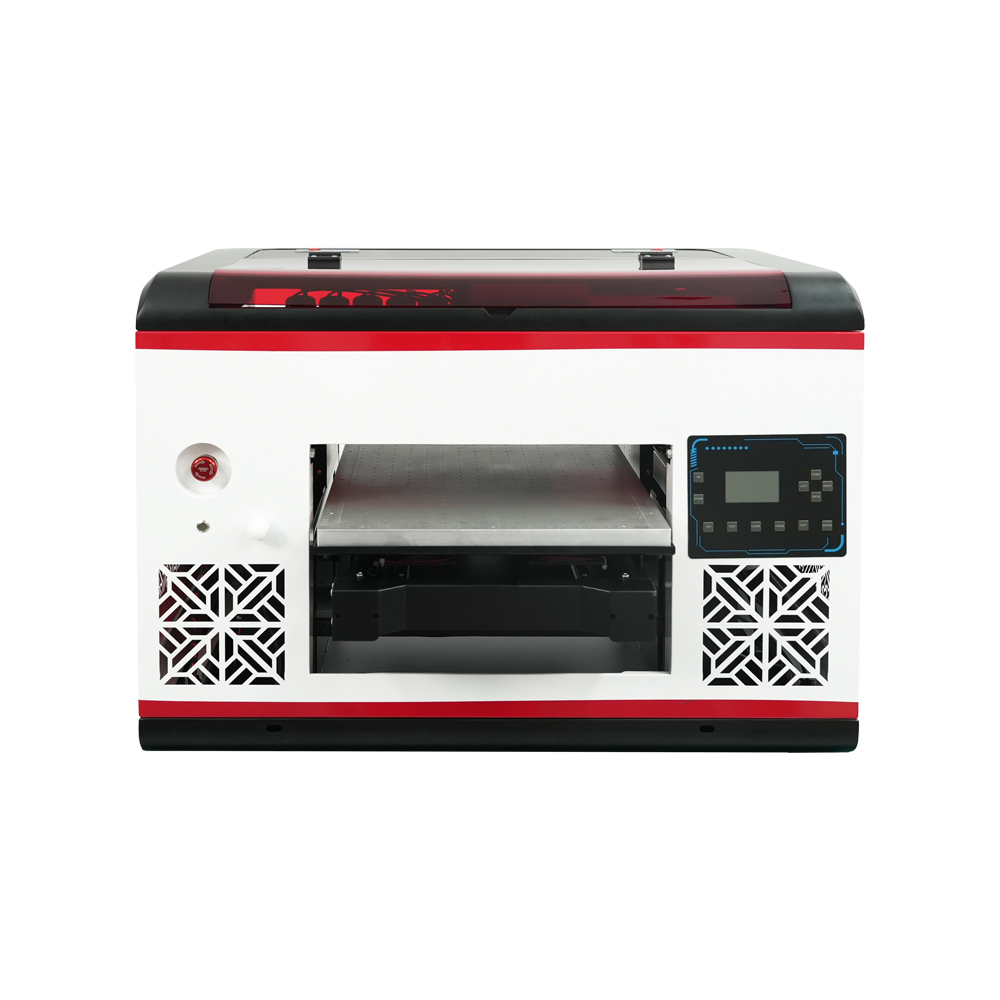
High-quality UV Printers for metal, acrylic, glass, wood & more. Instant curing, vivid 1440dpi prints, versatile for diverse materials.
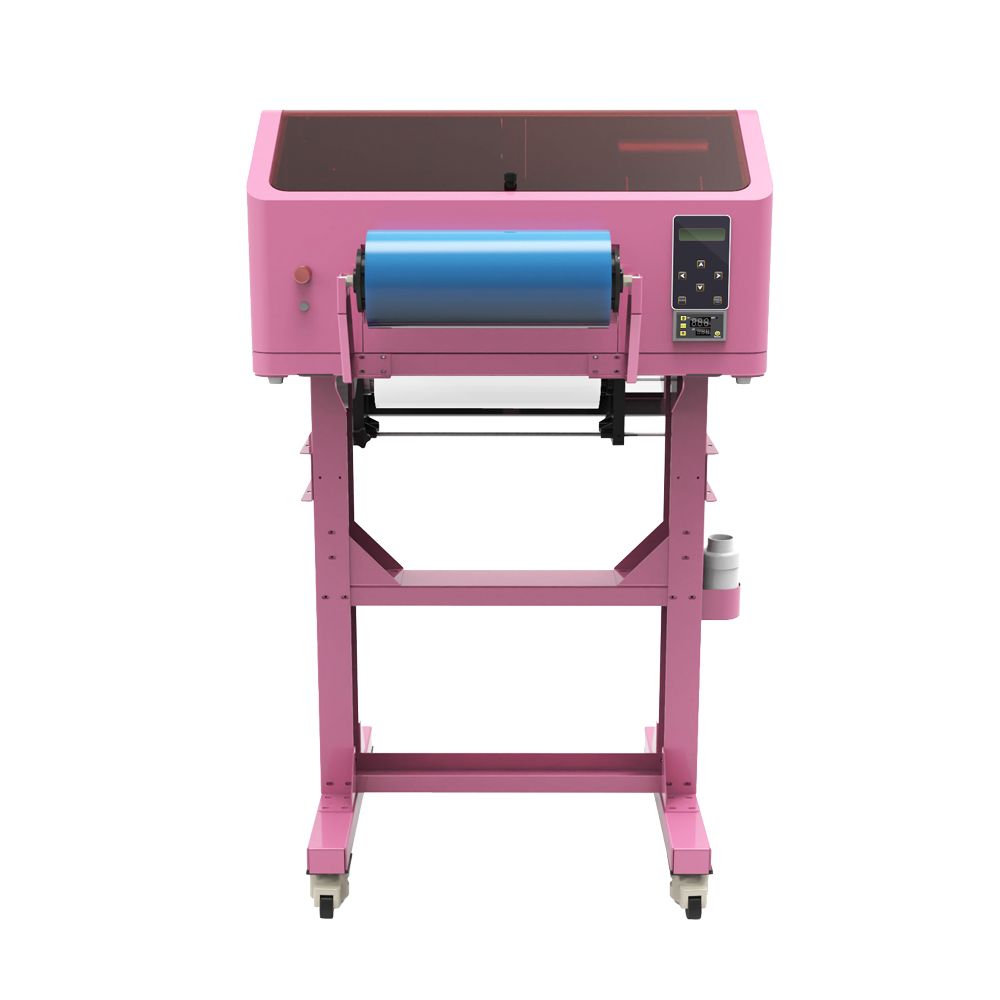
Imprima calcomanías vívidas y en relieve con **CMYK + Blanco + Barniz** en una sola pasada. Sin polvo. Sin horno. Despegue y pegue sobre artículos planos o curvos en minutos.
¿No pudiste encontrar una guía adecuada? ¡Obtenga soporte técnico gratuito ahora!
¡Solo proporcione algunos detalles y lo ayudaremos a obtener cotizaciones rápidas!
Impresora EraSmart
impresora uv
Impresora DTF
Impresora DTG
Máquina de prensa de calor
Impresora publicitaria
Herramientas de impresora
Horno DTF
Revista de actualidad
Máquina de tallado
Taza de transferencia de calor
Maquina laminadora
Consumibles
Tinta de impresión
Estuche para celular
Producto de vidrio
Líquido de limpieza
Bastoncillo de algodón
Contáctenos
WhatsApp: +8618566233796
WeChat: +8618566233796
Móvil: +8618566233796
Web:www.erasmart.com
Comercio:www.erasmartmall.com
envíanos whatsapp
Solicitar una cotización
¡Solo proporcione algunos detalles y lo ayudaremos a obtener cotizaciones rápidas!
abajo
Deje su correo electrónico y envíe la URL de descarga al correo electrónico.
¿Necesita precio de impresora?
Cuéntanos tus necesidades de impresión. Nuestro equipo responderá dentro de las 24 horas.