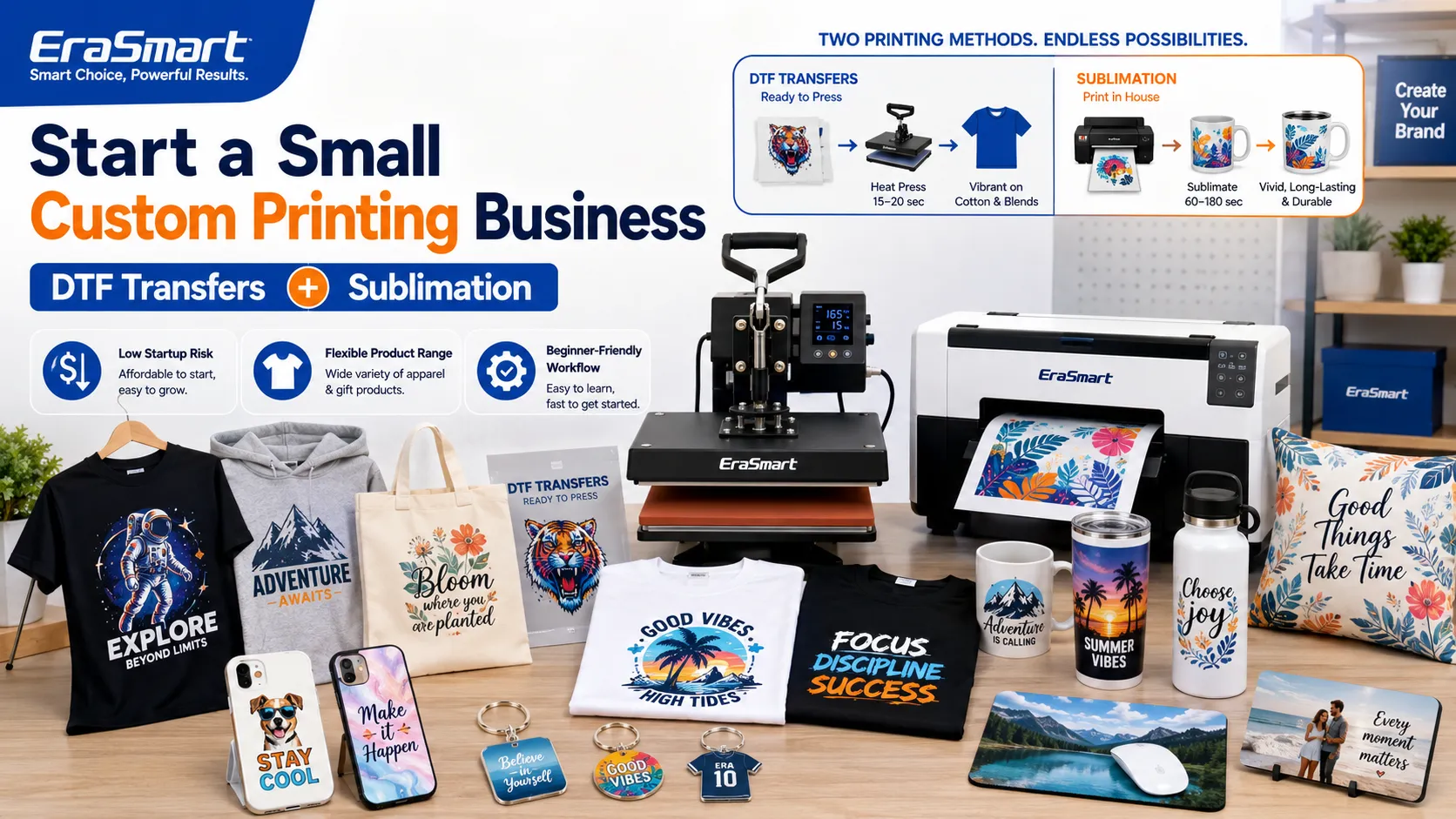
Starting a small custom printing business does not always mean buying every machine on day one. For many beginners, a smarter path is to start with a flexible, low-risk production model: order ready-to-press DTF transfers from a supplier, focus on heat pressing and fulfillment, and use sublimation printing for mugs, mousepads, polyester apparel, photo gifts, and other personalized products.
This model is especially suitable for home studios, small workshops, Etsy sellers, local gift businesses, school merchandise suppliers, event apparel makers, and entrepreneurs who want to test the custom printing market before investing in a complete DTF printing system.
Instead of handling white ink maintenance, powder application, curing, RIP software, and printhead cleaning from the beginning, you can outsource the DTF transfer printing process and focus on what brings revenue fastest: product design, customer service, heat pressing, packaging, and sales.
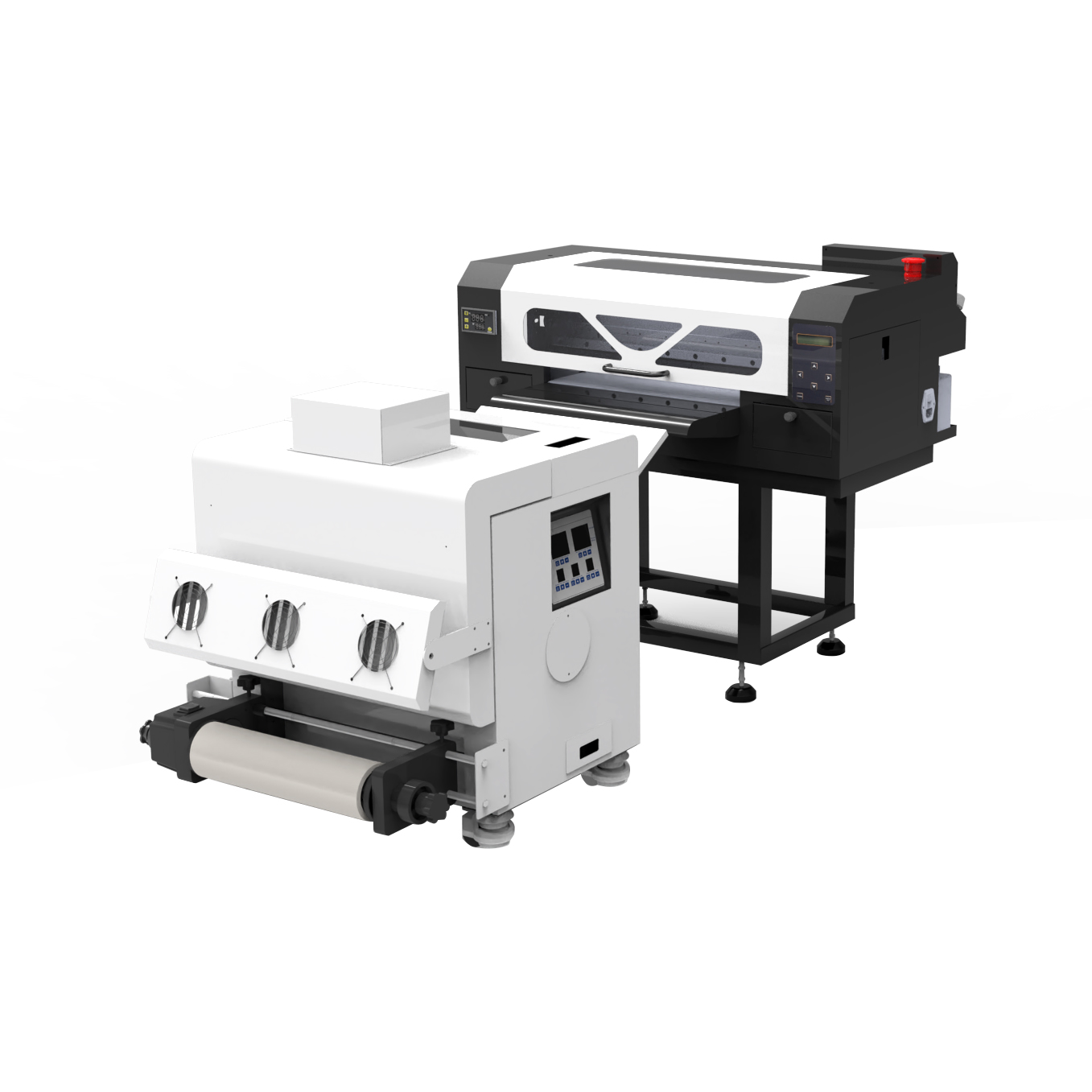
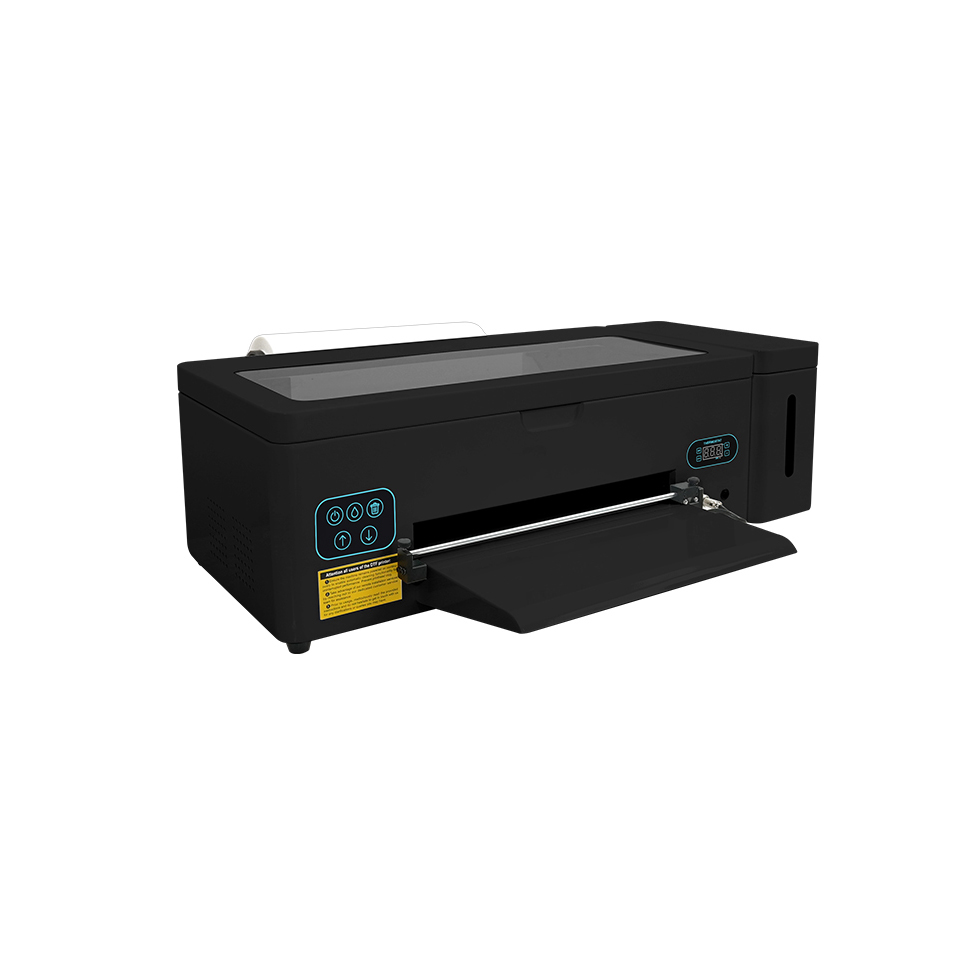
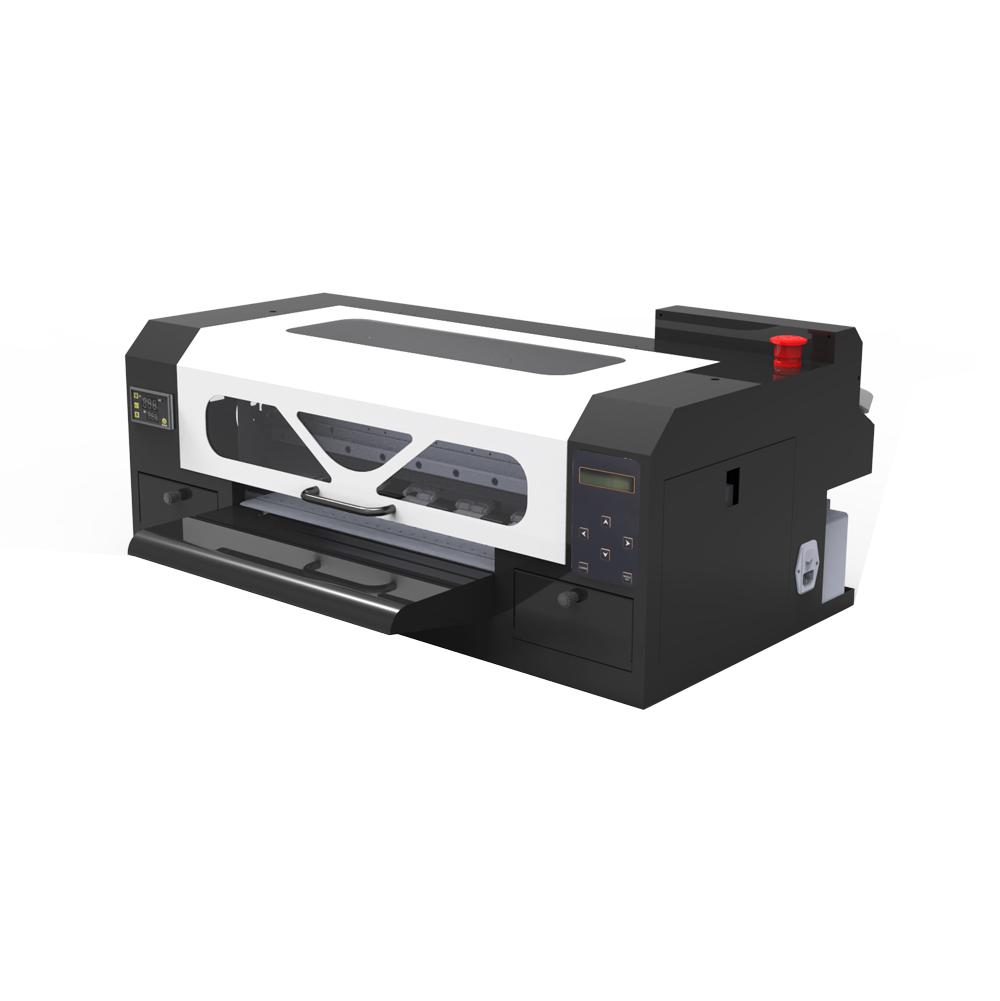
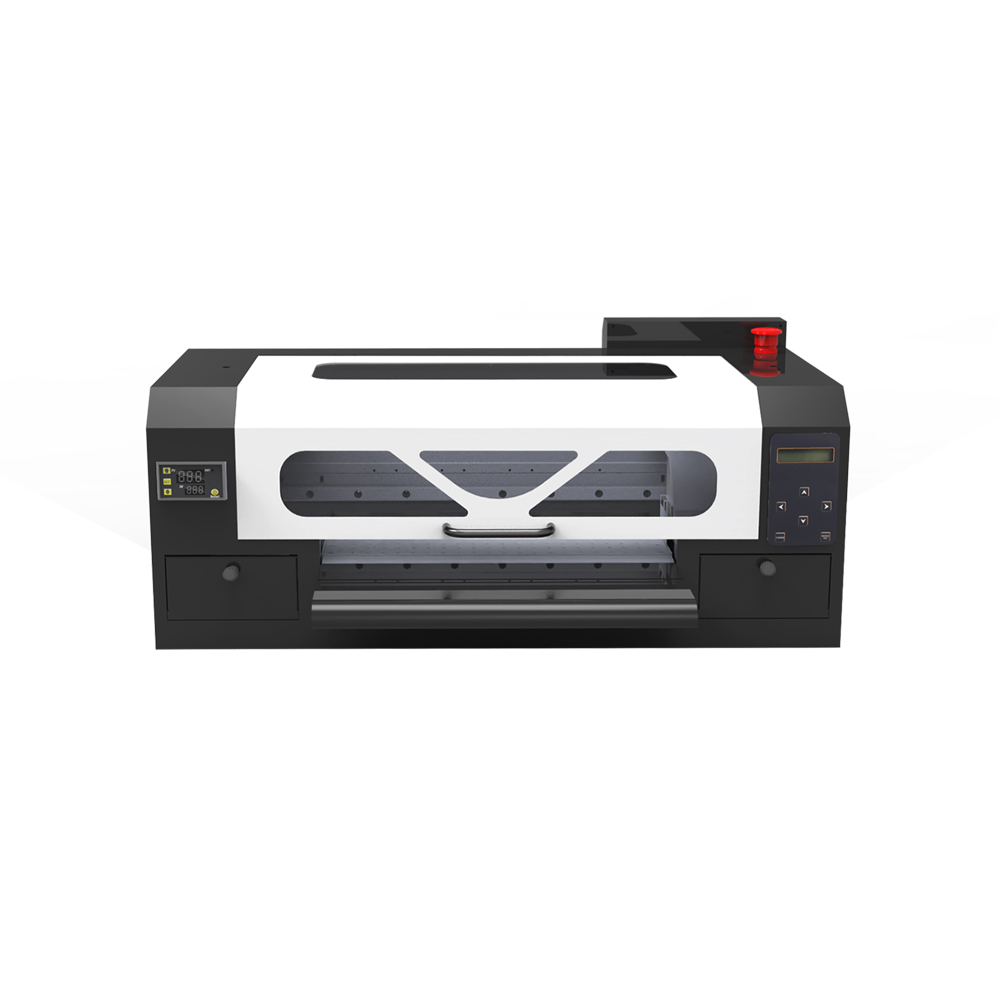
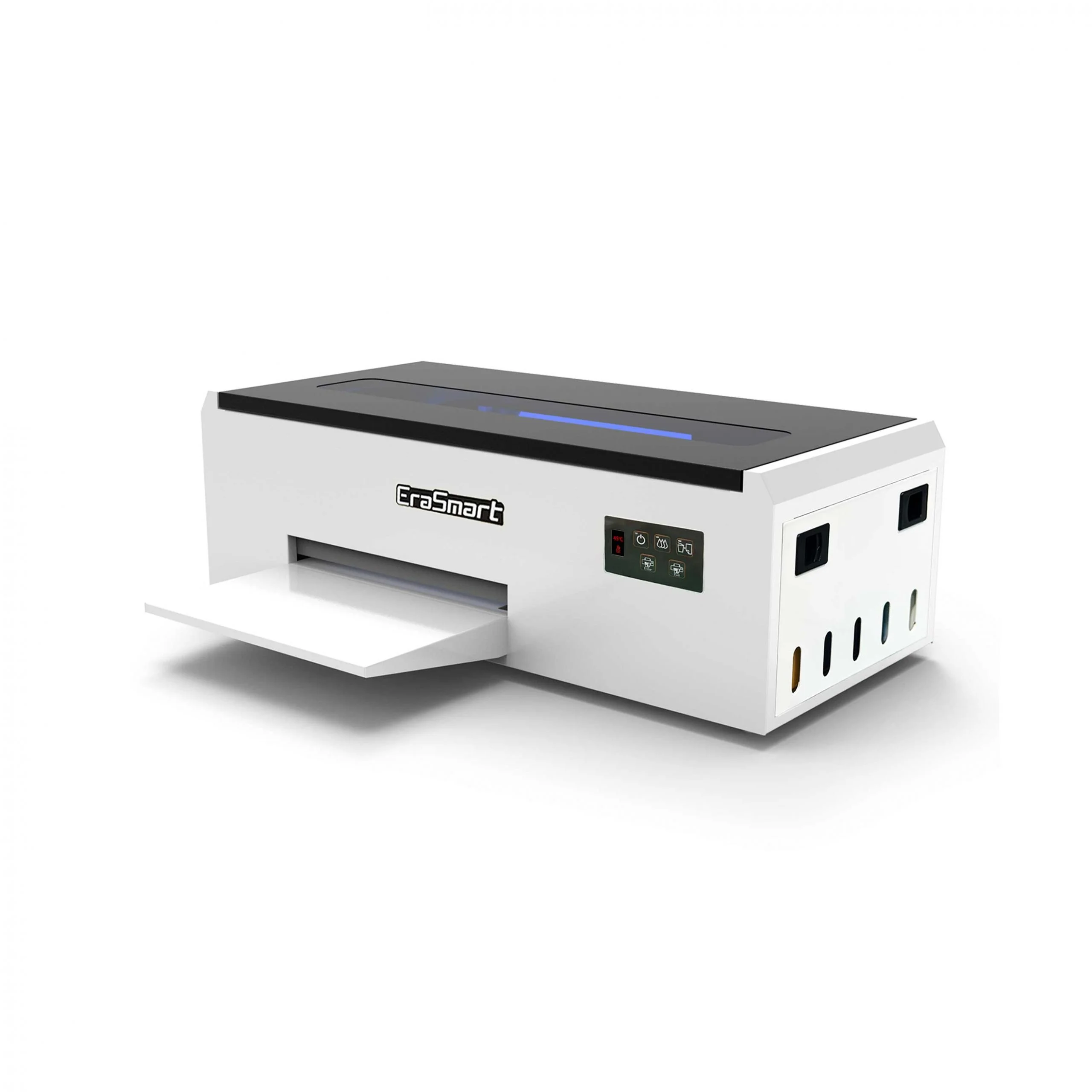
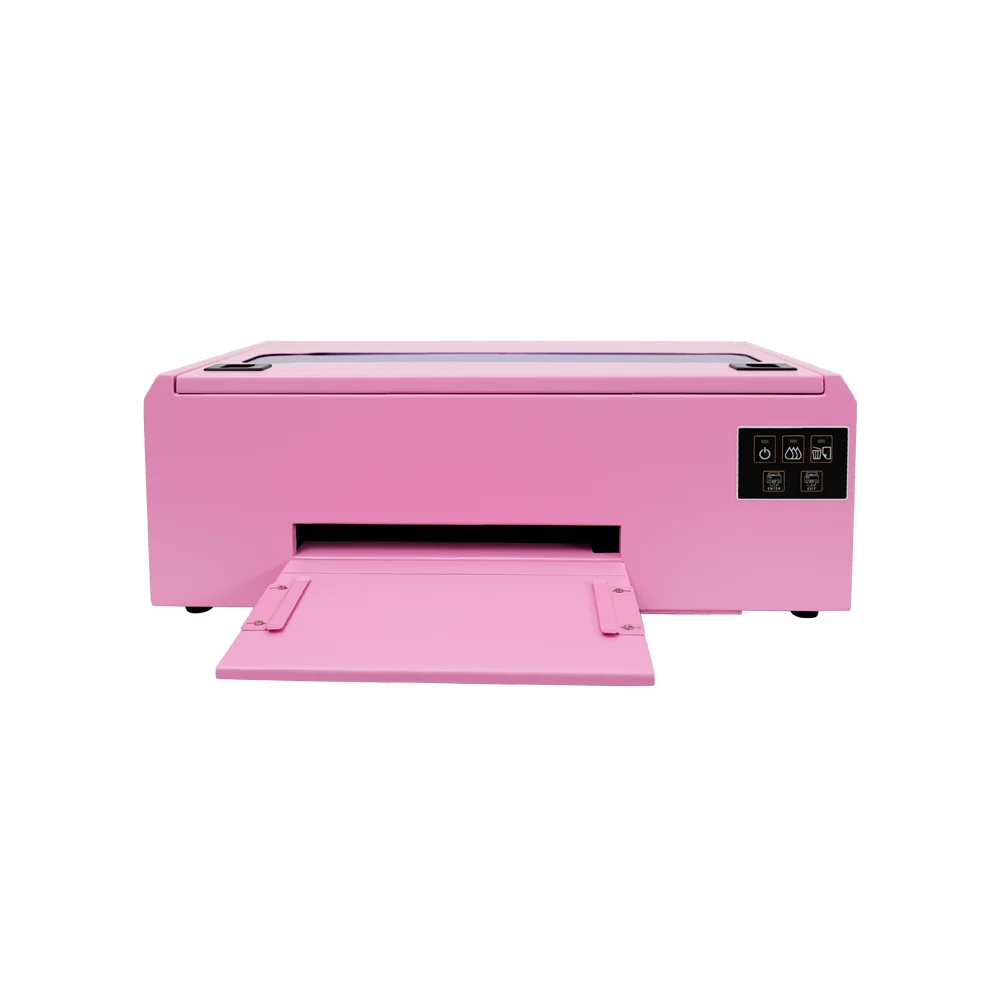
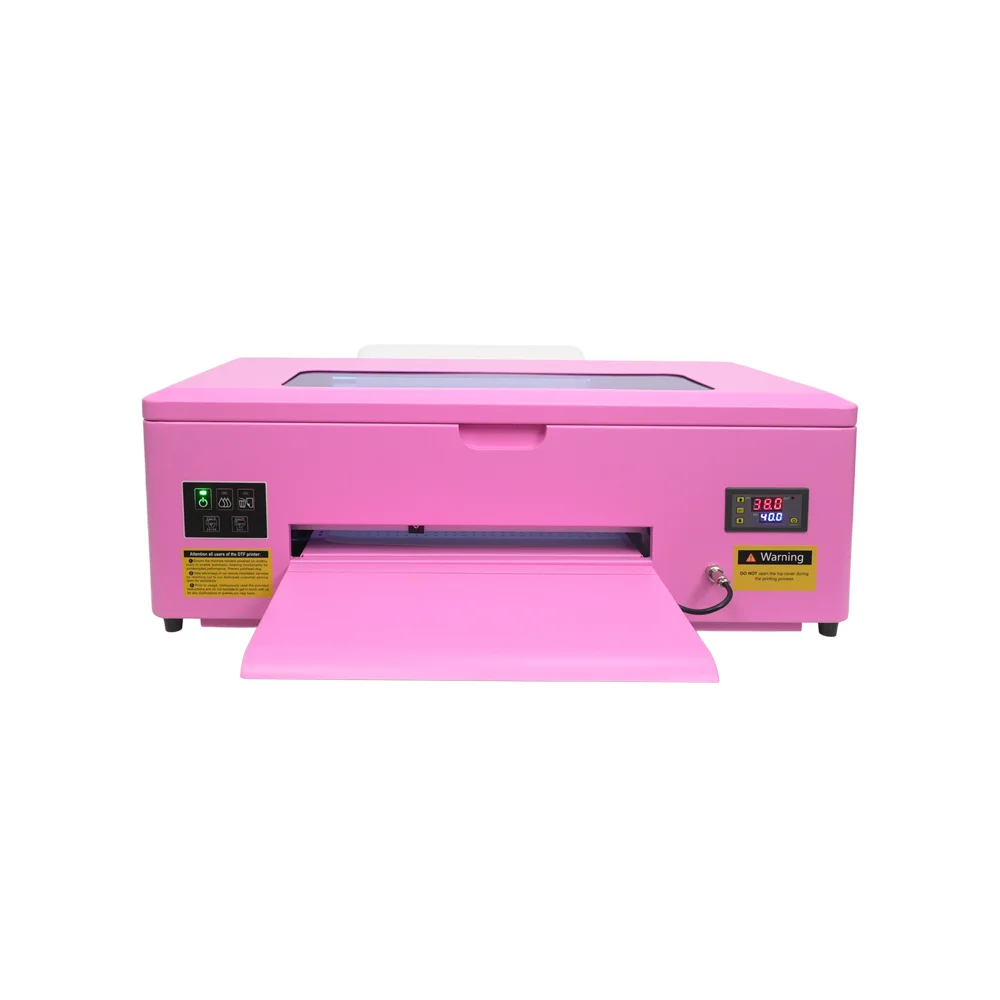
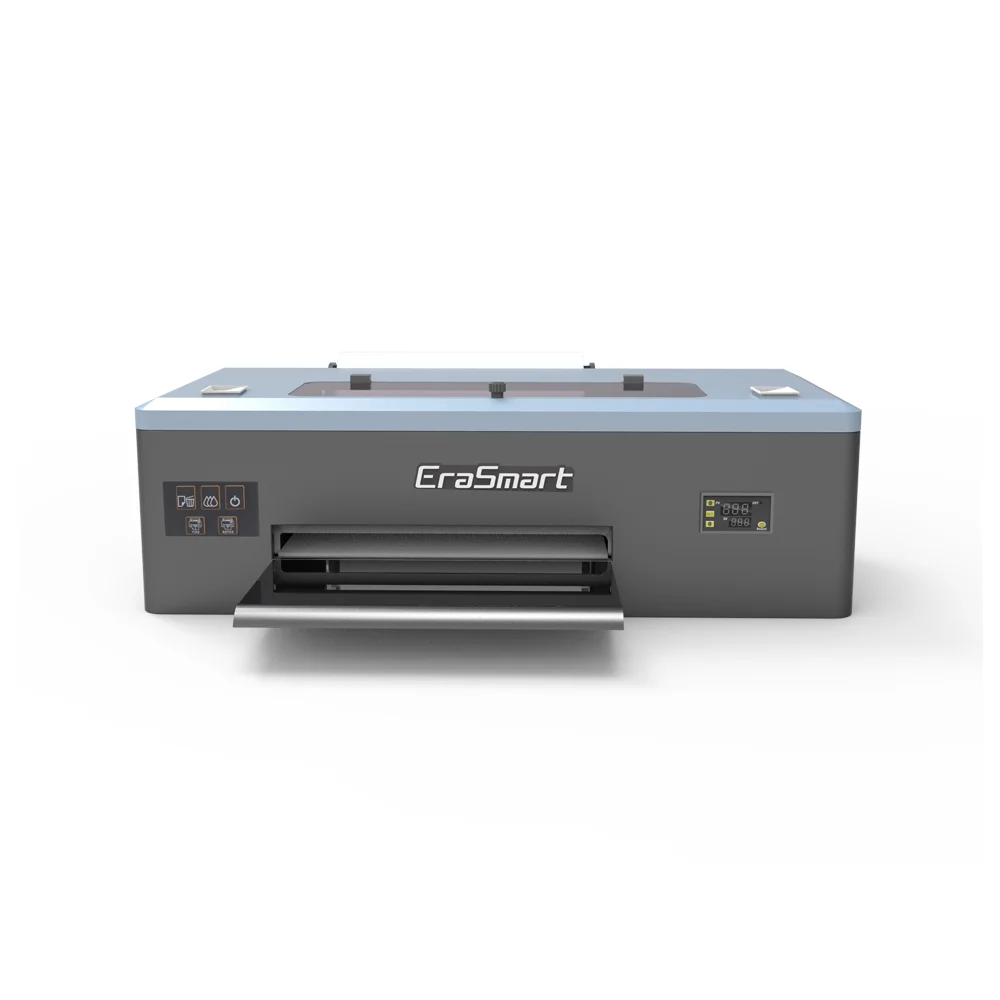
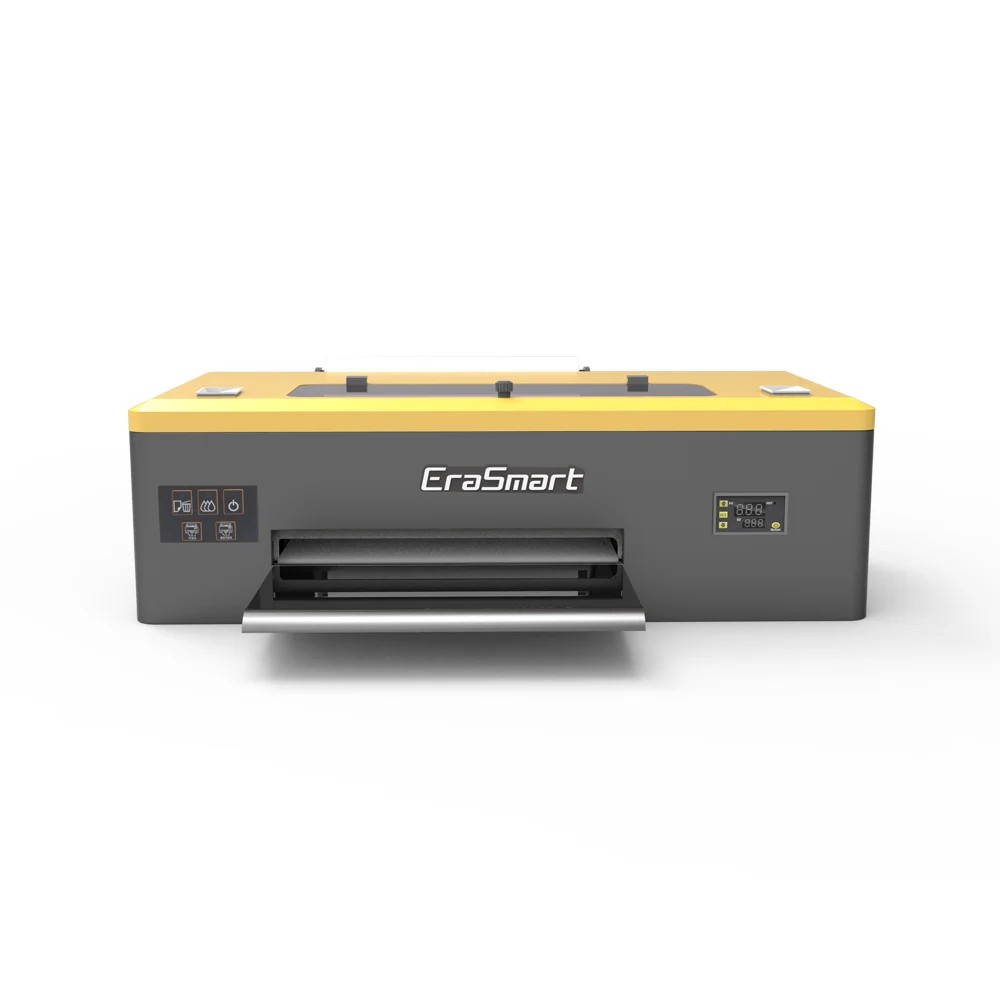
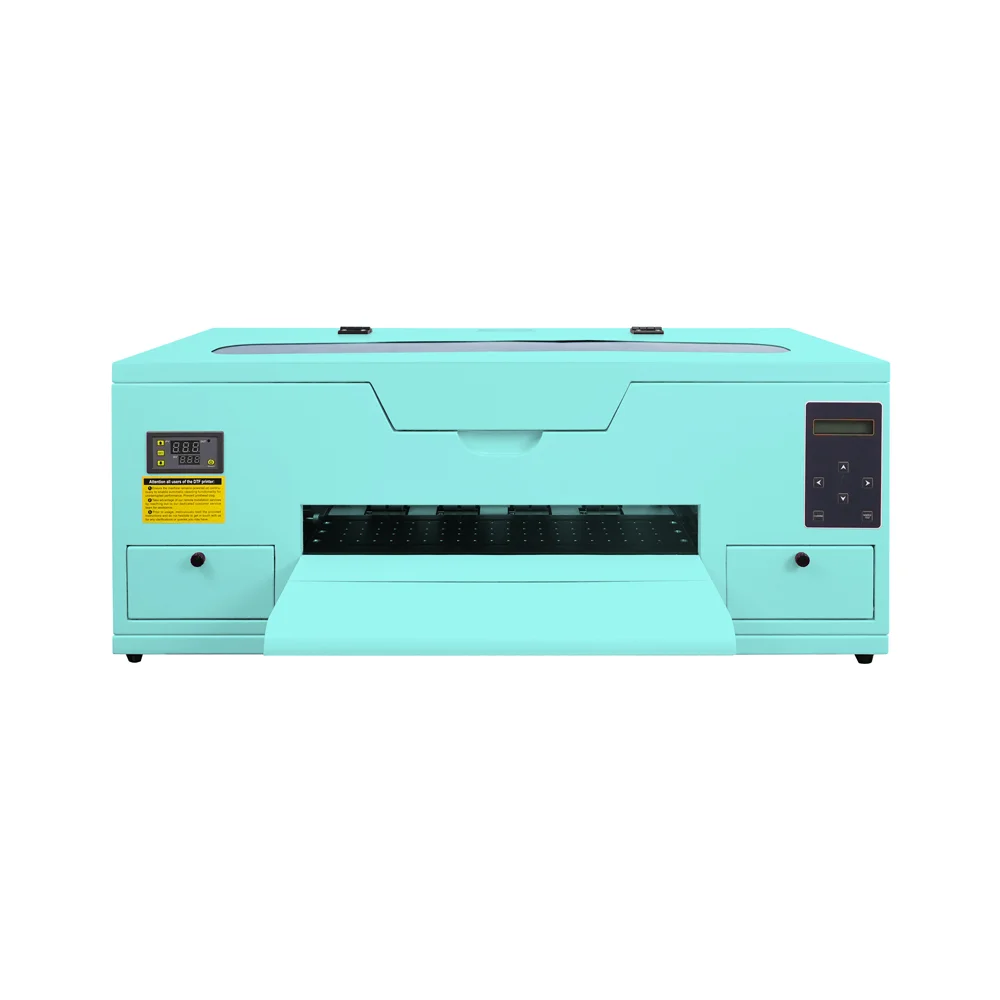
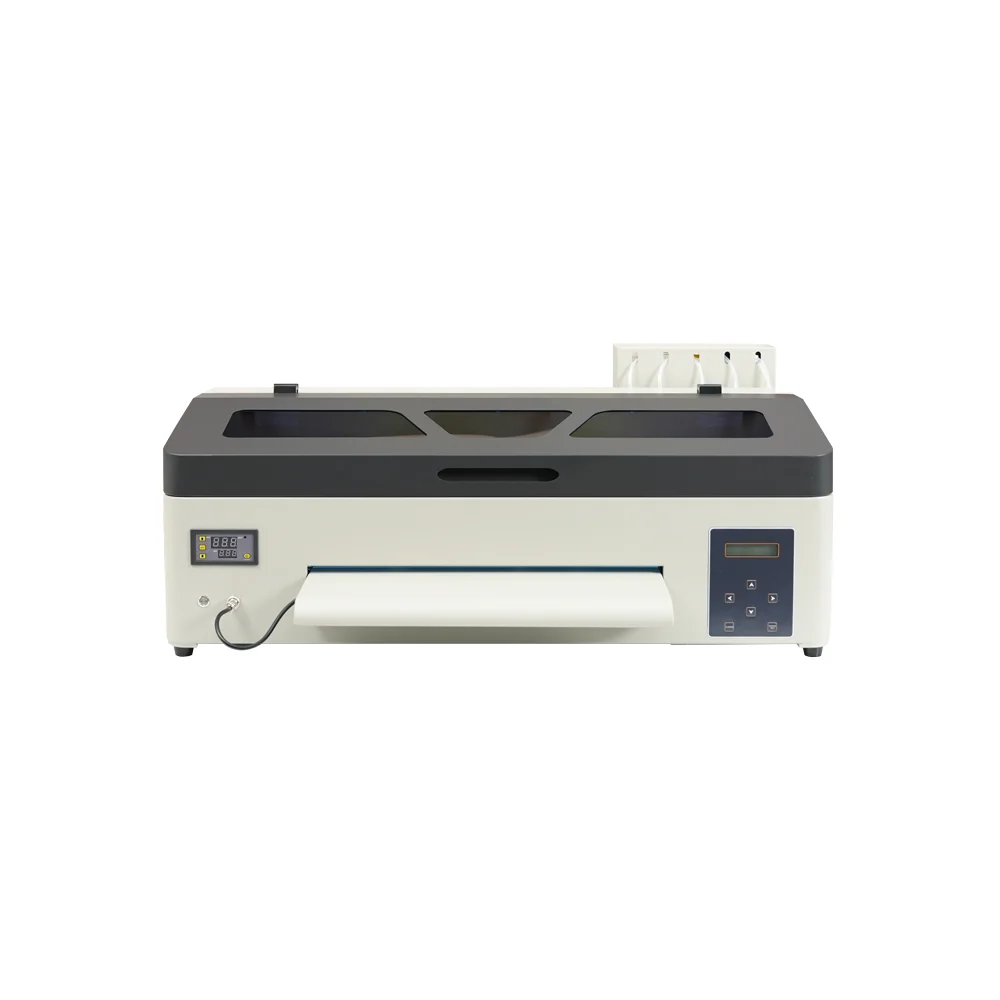
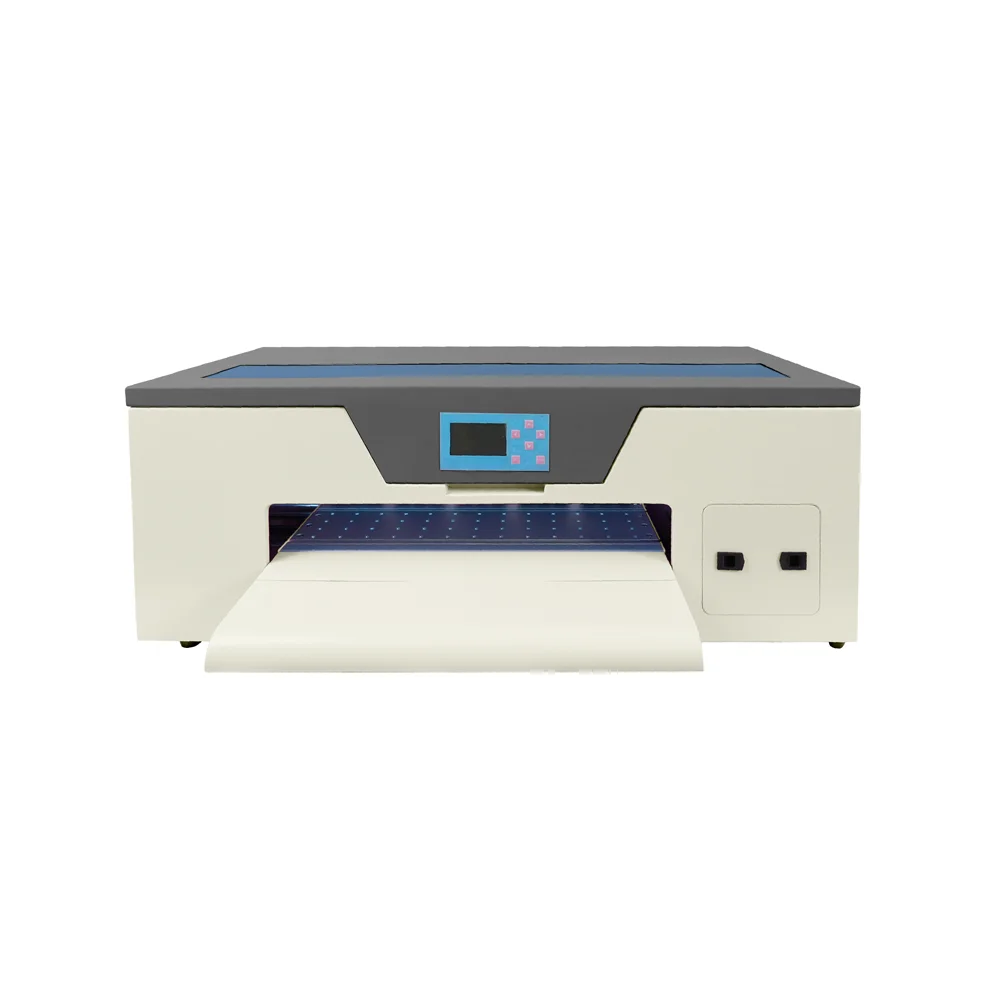
In this guide, we will explain what equipment and consumables you need to start a small custom printing studio with DTF transfers and sublimation, what you should buy first, what can wait, and when it makes sense to upgrade to your own DTFプリンター。
A common mistake many new custom printing businesses make is buying too much equipment before they have stable orders. DTF printing, sublimation printing, UV printing, screen printing, and DTG printing can all be profitable, but each process has its own learning curve, material requirements, and maintenance needs.
For a startup studio, your first goal should not be owning the largest machine. Your first goal should be proving that customers are willing to buy your products.
Starting with ready-to-press DTF transfers and sublimation allows you to test multiple product categories without building a full production line immediately.
With this model, you can offer:
DTF transfers are ideal for apparel and fabric items, while sublimation is excellent for polyester-based and coated products. If you are still comparing both processes, you can read EraSmart’s detailed guide on DTF printing vs sublimation printing to understand their differences in materials, hand feel, durability, and business use.
Before buying equipment, you need to understand the role of each printing method in your studio.
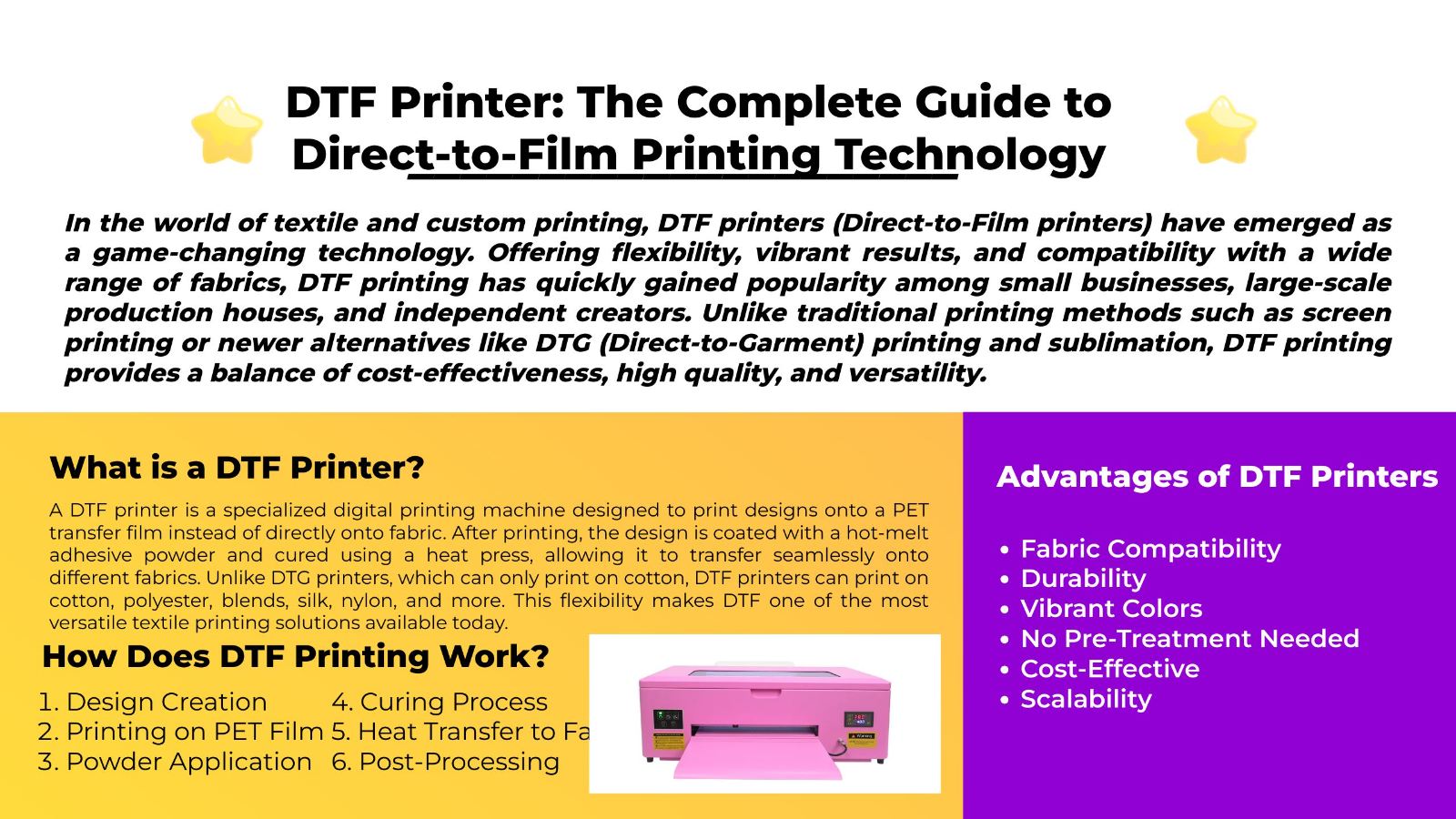
DTF stands for Direct to Film. In a full DTF production workflow, the design is printed onto PET transfer film using DTF ink, covered with hot-melt adhesive powder, cured, and then transferred to fabric with a heat press.
However, in your startup stage, you do not need to own a DTF printer immediately. You can order ready-to-press DTF transfers from a transfer supplier. These transfers arrive already printed and powdered. Your job is to cut the transfer, position it on the garment, heat press it, peel the film, and finish with a second press if required.
This approach is beginner-friendly because you avoid the most difficult parts of DTF production:
You can focus on customer orders, product presentation, and consistent heat pressing.
This is especially useful if you want to start a T-shirt business but are not ready to manage your own DTF printing machine. EraSmart has also published a guide on how to start a T-shirt business with DTF printing, which can help you understand the broader business direction.
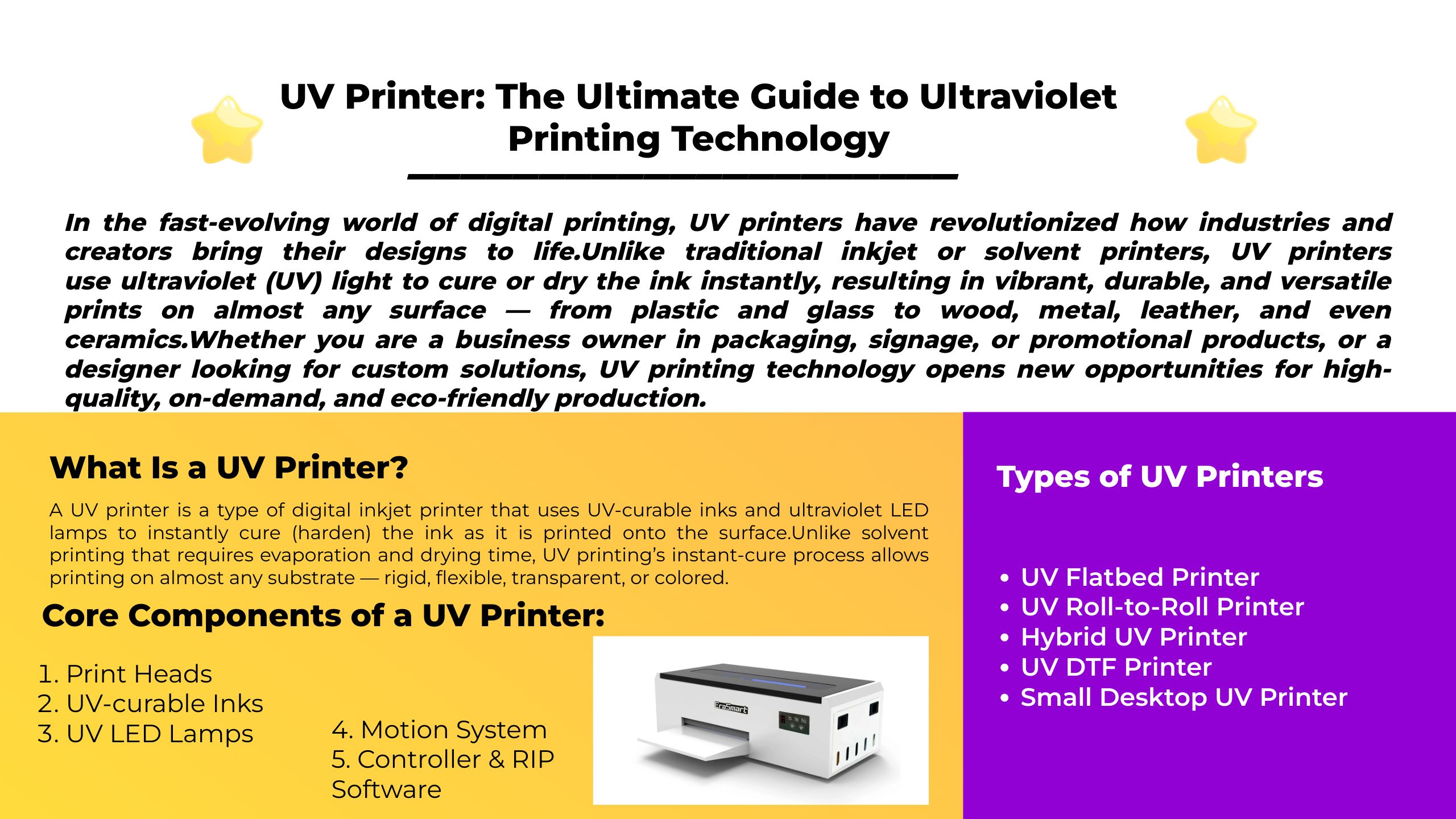
Sublimation printing uses special sublimation ink and transfer paper. The printed image is transferred by heat onto polyester fabric or polymer-coated products. Under heat, the sublimation dye turns into gas and bonds with the surface.
Unlike outsourced DTF transfers, sublimation is usually easy to start in-house because an entry-level sublimation setup is relatively simple. You need a sublimation printer, sublimation ink, sublimation paper, heat press equipment, and sublimation blanks.
Sublimation is best for:
The limitation is that sublimation does not work well on cotton or dark garments unless special coatings or transfer materials are used. That is why combining DTF transfers with sublimation is a practical business model. DTF handles cotton and dark apparel, while sublimation expands your product range into gifts and coated items.
A small custom printing studio should not start with too many random products. It is better to build a clear product menu around high-demand, easy-to-produce items.
DTF transfers are excellent for garment decoration. You can sell:
DTF works on cotton, polyester, blends, and dark fabrics, which makes it more flexible than sublimation for apparel.
Sublimation is better for gift items, coated products, and polyester goods. You can sell:
If you want more product inspiration, you can also explore EraSmart’s guide on creative printing projects for small business。
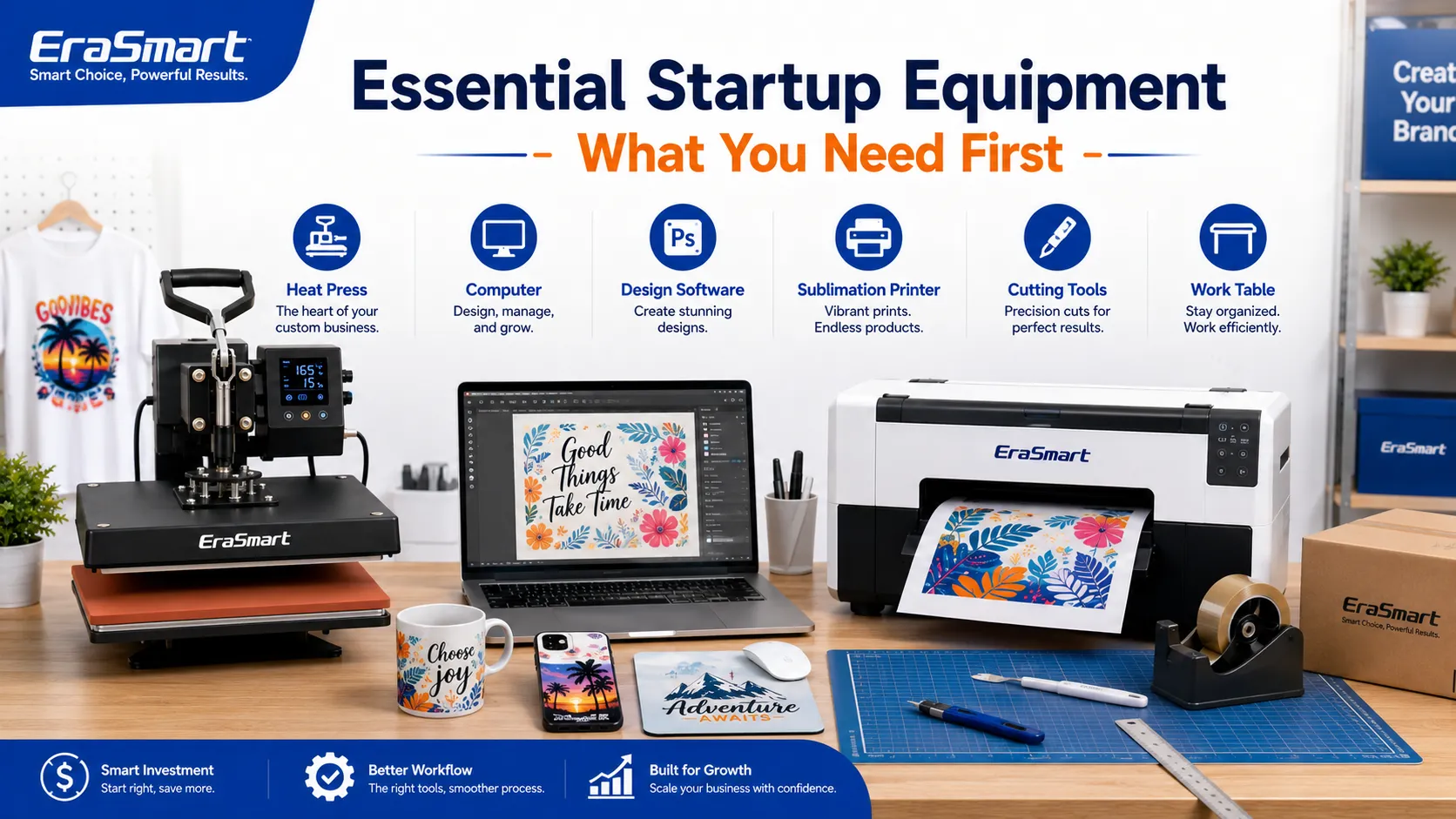
Below is a practical startup checklist for a studio that offers both ready-to-press DTF transfers and sublimation printing.
A heat press is the most important machine in this business model. It is used for both DTF transfers and many sublimation products.
For most beginners, a 15 x 15 inch or 16 x 20 inch heat press is a practical starting size. A smaller press may work for simple shirts, but it can limit you when handling larger designs, hoodies, tote bags, or oversized apparel prints.
When choosing a heat press, pay attention to:
A low-quality heat press can cause poor transfer results, including peeling, uneven color, weak adhesion, scorch marks, and inconsistent pressure.
You need a computer for design, file preparation, order management, printing control, and customer communication.
Basic requirements include:
You do not need a high-end workstation at the beginning, but you do need a reliable computer that can handle image files and design software smoothly.
Your design software depends on your skill level and customer type.
Common options include:
Good design is one of the biggest profit drivers in custom printing. Customers are not only paying for printing; they are paying for personalization, layout, design correction, and convenience.
For sublimation products, you need a sublimation printer. Beginners often start with A4 or A3 size.
A4 is enough for mugs, small gifts, and small apparel graphics. A3 gives you more flexibility for larger prints, mousepads, shirts, pillow covers, and multiple small designs on one sheet.
When choosing a sublimation printer, consider:
If you plan to print larger apparel graphics or multiple product designs in one run, A3 is usually more practical than A4.
You will need cutting tools to trim DTF transfers and sublimation paper.
Recommended tools include:
Clean cutting improves product appearance and reduces wasted material.
Your work table should be stable, heat-resistant, and large enough for layout, alignment, folding, and packaging.
A good setup may include:
Even in a small studio, workflow matters. A messy workspace slows production and increases mistakes.
Since you are not buying a DTF printer at the beginning, your DTF consumables are simpler.
You need:
The quality of your finished product depends heavily on the quality of the transfer. When choosing a supplier, check:
If you later decide to bring DTF printing in-house, you can learn more about the complete production process in EraSmart’s DTF printer complete guide。
If you are only ordering ready-to-press transfers, you may not need to buy blank PET film immediately. But it is still useful to understand film quality because it affects peeling behavior, surface finish, and transfer stability.
EraSmart also provides information about ペット転送フィルム for users who want to understand the DTF material system more deeply.
For sublimation, you will need both printing supplies and sublimation blanks.
You need:
Common sublimation blanks include:
The most important rule is simple: sublimation works best on white or light-colored polyester and polymer-coated products. If a product is not made for sublimation, the image may look faded, blurry, or unstable after pressing.
Many beginners focus only on machines and forget packaging. But packaging affects customer perception and repeat orders.
You should prepare:
For local orders, clean packaging can make your small studio look more professional. For online orders, protective packaging helps reduce damage and refund risk.
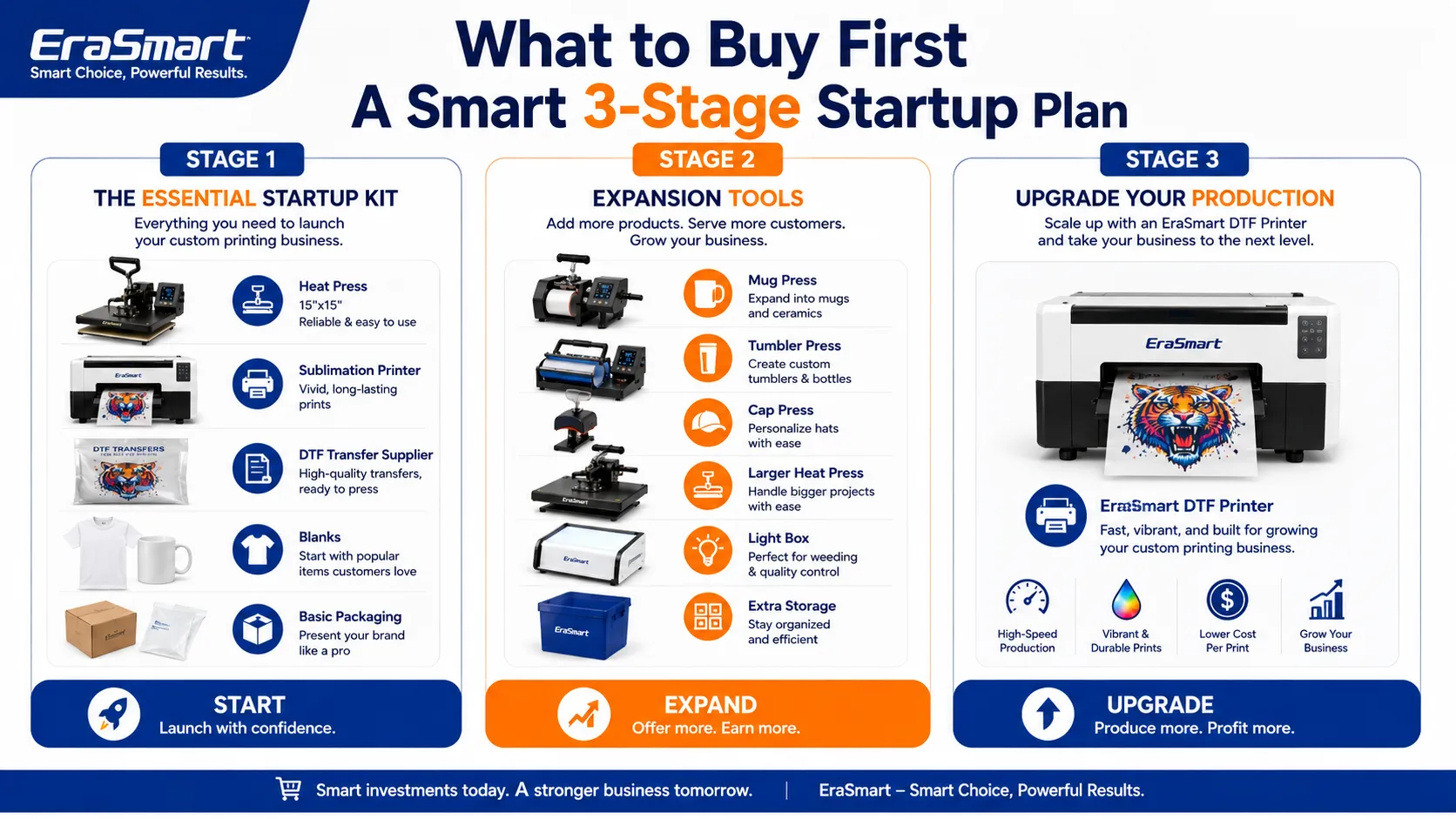
A small studio should not buy everything at once. A staged purchasing plan helps you control risk.
This is the minimum practical setup to start accepting orders.
At this stage, your focus should be testing product demand, building sample photos, learning heat press settings, and collecting customer feedback.
Once you have steady orders, you can improve efficiency and expand your product range.
A mug press or tumbler press is useful if cup orders become popular. A cap press is only necessary if customers frequently request hats. A larger heat press is helpful when you start producing hoodies, oversized designs, sports jerseys, or batch orders.
Do not buy these tools just because they look attractive. Buy them when they solve a real production problem.
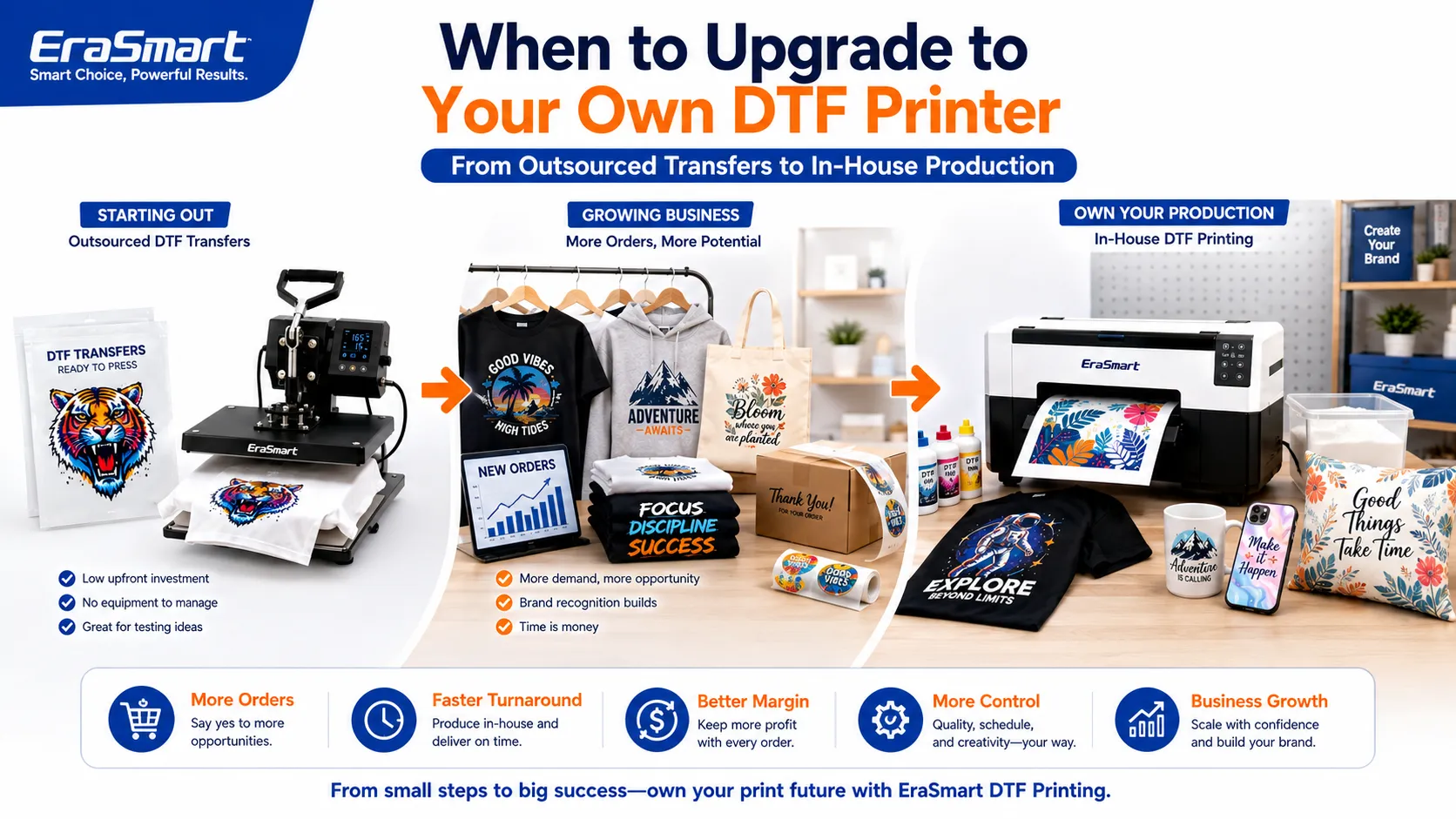
You should consider buying your own DTF printer when DTF transfer orders become consistent enough to justify the investment.
Signs that you may be ready include:
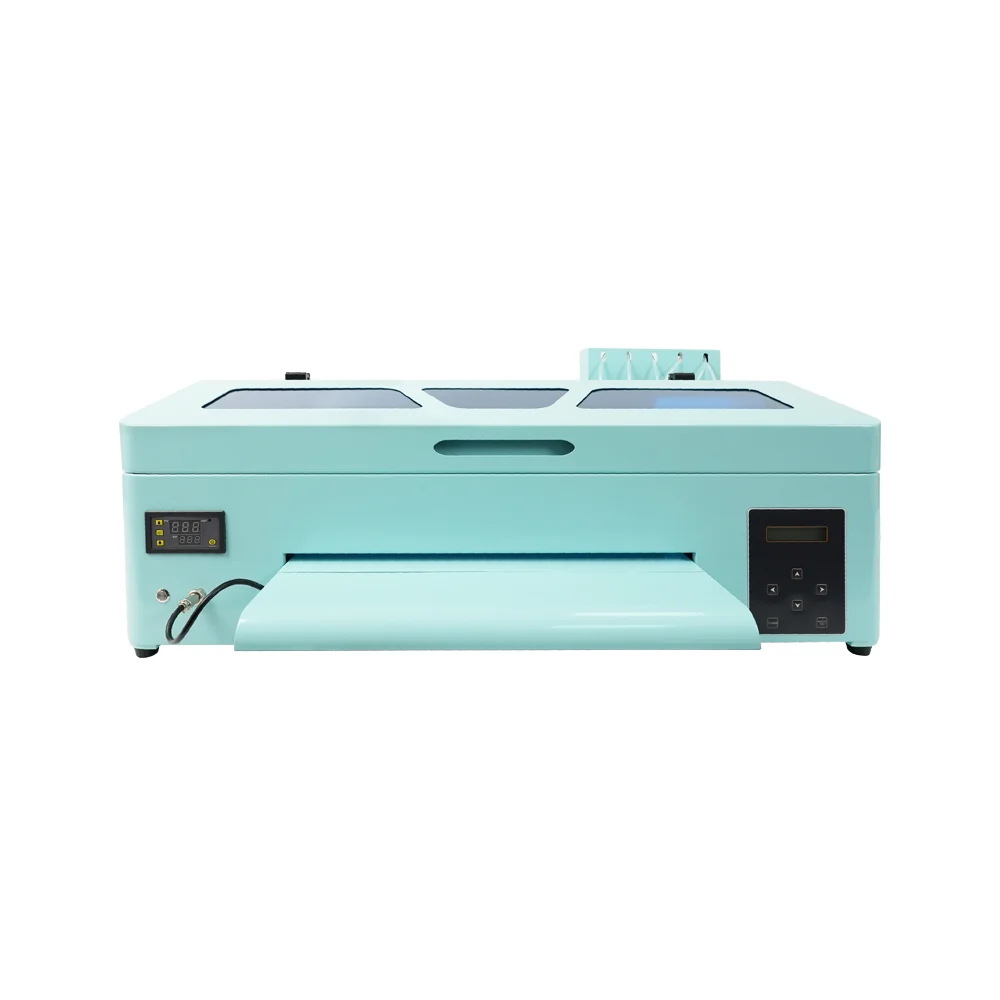
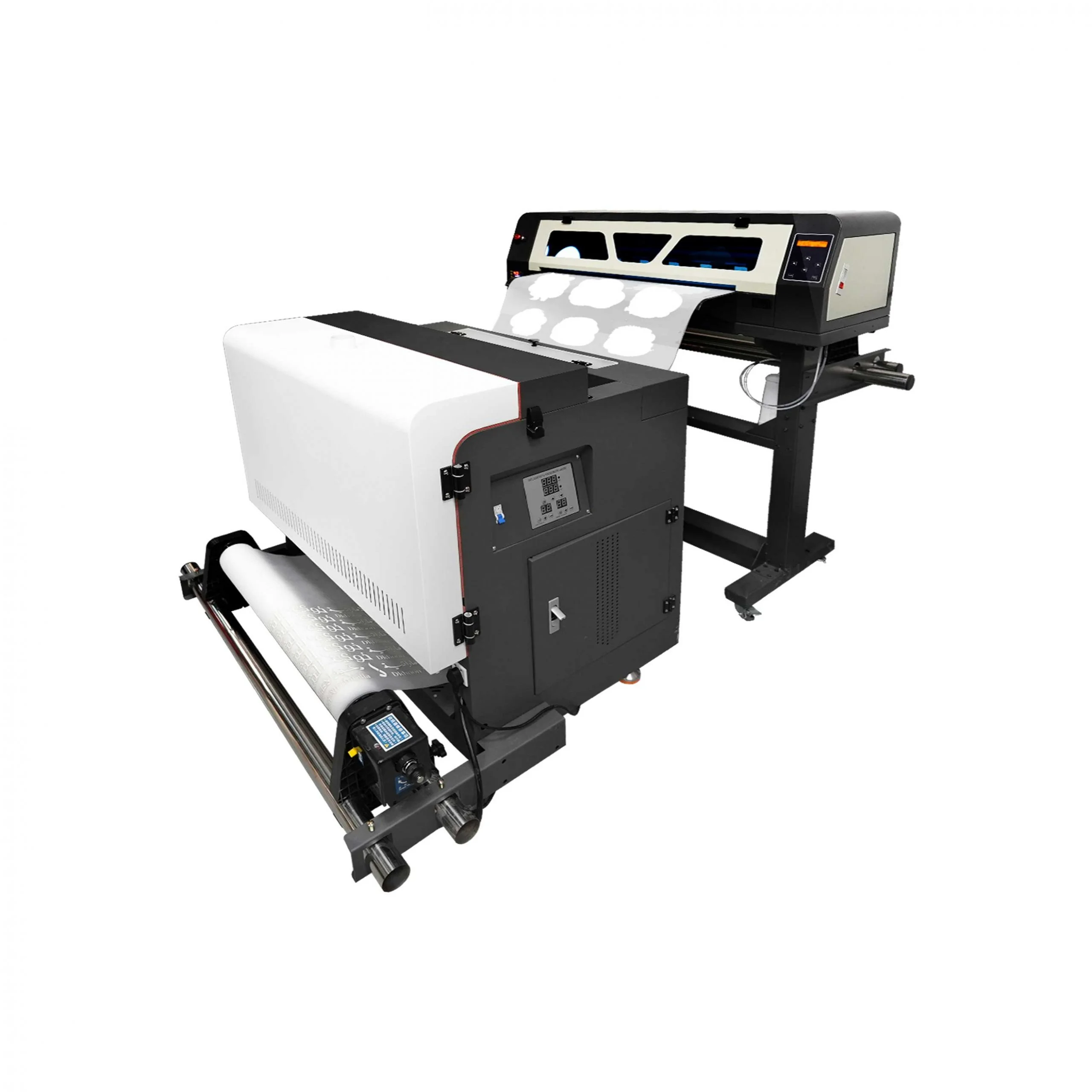
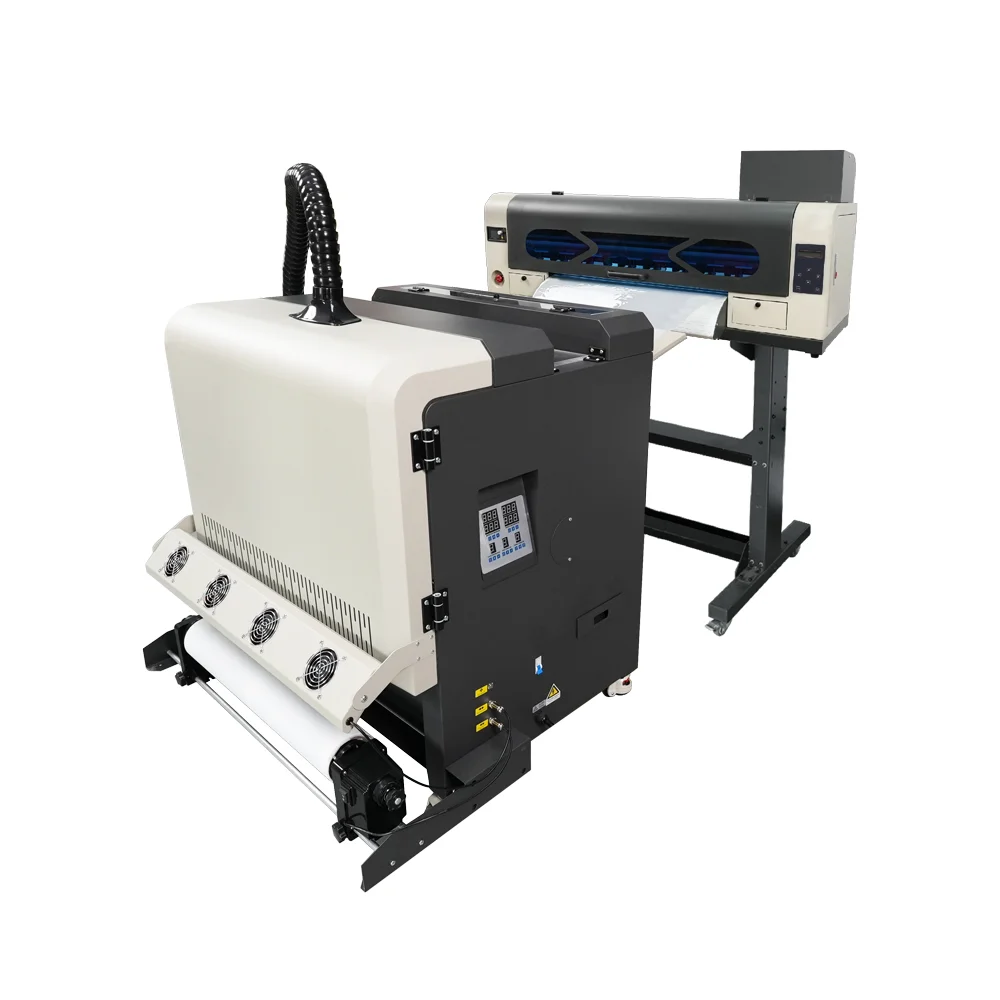
At this stage, owning your own DTF printer can help you improve margin, shorten delivery time, and control print quality. For small studios, compact machines such as the EraSmart A3 Pro DTF Printer can be a practical upgrade path before moving into larger production systems.
If you are comparing models for a small shop, EraSmart’s DTF printer for small business page can help you understand different machine options and business scenarios.
A clear workflow helps reduce mistakes and improve delivery speed.
Both workflows require testing. Never assume one temperature works for every blank or transfer. Different fabrics, coatings, papers, and suppliers may require different settings.
Color quality is one of the biggest differences between an amateur product and a professional product.
For DTF transfers, your transfer supplier controls the print quality, but you still control pressing quality. Wrong temperature, pressure, or peel timing can affect color, texture, adhesion, and durability.
For sublimation, you control more variables:
If your sublimation colors look dull, red becomes orange, black becomes brown, or photos lose detail, the issue may come from color management or heat press settings. EraSmart’s guide on how to print the correct colors can help you understand common color problems and how to reduce them.
Image resolution also matters. Low-resolution artwork can look blurry or pixelated after printing. If you are not sure what image quality is suitable for printing, read EraSmart’s article on the best DPI for printing。
The best way to think about DTF and sublimation is not “which one is better?” but “which one is better for this product?”
A combined studio gives you more selling flexibility. If a customer wants dark cotton shirts, you use DTF transfers. If the same customer wants matching mugs, mousepads, and keychains, you use sublimation. This allows you to increase order value without relying on one printing process only.
Pricing should include more than the blank product and transfer cost. Many beginners underprice because they forget design time, failed tests, packaging, electricity, platform fees, and customer communication.
When pricing your products, consider:
For example, a custom T-shirt is not just “shirt + transfer.” It also includes design preparation, customer approval, alignment, pressing, quality check, folding, packaging, and customer service.
A good strategy is to create standard product packages, such as:
Bundles can increase order value and make your studio look more professional.
It is tempting to buy a DTF printer, mug press, cap press, tumbler press, cutting machine, UV printer, and large heat press all at once. But without stable orders, this can create pressure and waste money.
Start with the equipment that produces revenue immediately.
A cheap or unstable heat press can ruin good transfers and good blanks. Uneven pressure and temperature can cause peeling, fading, and customer complaints.
Always test new blanks, new transfer suppliers, and new sublimation products before selling them. A product may look good after pressing but fail after washing or daily use.
Poor artwork produces poor results. Ask customers for high-quality files whenever possible, and charge extra for artwork cleaning or redesign.
A small studio should start with a focused product menu. Too many product types create inventory problems and slow production.
Customers need to know how to wash printed garments or use sublimation products correctly. Include care cards with every order.
If you do not track costs, you may be busy but not profitable. Record material cost, labor time, waste, and profit for each product type.
Ordering ready-to-press DTF transfers is a smart way to start, but it may not be the best long-term solution for every studio.
You should consider upgrading when you have enough demand and want more control.
A beginner may start without a DTF printer, build a customer base, and later upgrade to an EraSmart DTF system when order volume becomes stable. This is a practical path because the machine investment is supported by real demand instead of guesswork.
Here is a simple roadmap for a small custom printing studio:
Start with DTF shirts, sublimation mugs, mousepads, and tote bags. Create sample photos, test pressing settings, and build a small product catalog.
Sell through social media, local groups, small business networks, schools, events, Etsy, Shopify, WooCommerce, or local marketplaces.
Track which products sell fastest and which ones create the best profit. Do not expand too quickly. Focus on what customers actually buy.
Add better tools, more blanks, improved packaging, and product photography. If cup orders are strong, add a mug or tumbler press. If apparel orders grow, consider a larger heat press.
When DTF transfer volume becomes consistent, calculate whether buying your own DTF printer can improve profit, speed, and flexibility. At that point, you can compare compact and production-level DTF systems from EraSmart based on your order size, workspace, and growth plan.
Starting a small custom printing business does not require buying a full production line on day one. A practical beginner strategy is to combine ready-to-press DTF transfers with sublimation printing.
DTF transfers allow you to sell cotton, dark apparel, hoodies, tote bags, and custom clothing without immediately managing a DTF printer. Sublimation helps you add mugs, mousepads, phone cases, photo panels, and personalized gifts to your product catalog.
The key is to buy equipment in stages. Start with a reliable heat press, a sublimation printer, essential consumables, a few proven blanks, and a good DTF transfer supplier. Then expand only when real orders prove demand.
When your DTF apparel orders become stable and you want more control over cost, speed, and print quality, upgrading to your own EraSmart DTF プリンター can become the next step in building a more complete custom printing business.
Whether you are starting from a home studio or planning a small commercial workshop, EraSmart can help you choose the right DTF printing solution for your business stage, product type, and production goals.
より高いスループットとより自動化されたワークフローを必要とするショップ向けに設計された、すぐに生産可能なソリューションです。
Yes. You can start by ordering ready-to-press DTF transfers from a supplier and applying them with a heat press. This lets you test the market before investing in your own DTF printer.
The heat press is the most important machine because it is used for both DTF transfers and many sublimation products. A reliable heat press helps ensure better adhesion, color, and durability.
Sublimation and DTF are used for different products. Sublimation is best for white polyester and coated blanks such as mugs, mousepads, and photo panels. DTF is better for cotton, dark garments, hoodies, and many fabric products.
Start with a heat press, sublimation printer, sublimation ink, sublimation paper, ready-to-press DTF transfer supplier, blank shirts, mugs, mousepads, heat-resistant tape, protective paper, cutting tools, and basic packaging supplies.
You should consider buying your own DTF printer when DTF orders become consistent, transfer outsourcing costs reduce your profit, customers need faster turnaround, and you are ready to manage printer maintenance.
Yes. A flat heat press can be used for DTF transfers and many sublimation products such as shirts, mousepads, pillow covers, and flat blanks. For mugs and tumblers, you may need a mug press, tumbler press, or sublimation oven.
The easiest products to start with are custom T-shirts, tote bags, mugs, mousepads, keychains, and pillow covers. These products are popular, easy to display, and suitable for small-batch personalized orders.
Yes. This model is suitable for home-based startups because you can start with limited equipment and outsource DTF transfer printing. However, you still need good ventilation, safe heat press operation, organized storage, and a clean workspace.
DTFオーブン
ホットプレス
カービングマシン
マグ熱伝達
ラミネートマシン
印刷インク
携帯電話ケース
ガラス製品
液体の洗浄
綿棒
WhatsApp:+8618566233796
WeChat:+8618566233796
モバイル:+8618566233796
ウェブ:www.erasmart.com
店:www.erasmartmall.com
いくつかの詳細を提供するだけで、簡単な見積もりを手に入れるのに役立ちます!
印刷のニーズをお聞かせください。私たちのチームが 24 時間以内に返信いたします。