Producător de imprimantă cu jet de cerneală cu dimensiuni mici

Imprimantă UV DTF vs imprimantă UV: care este diferența și pe care ar trebui să cumpărați?
6 ianuarie 2026 Blog
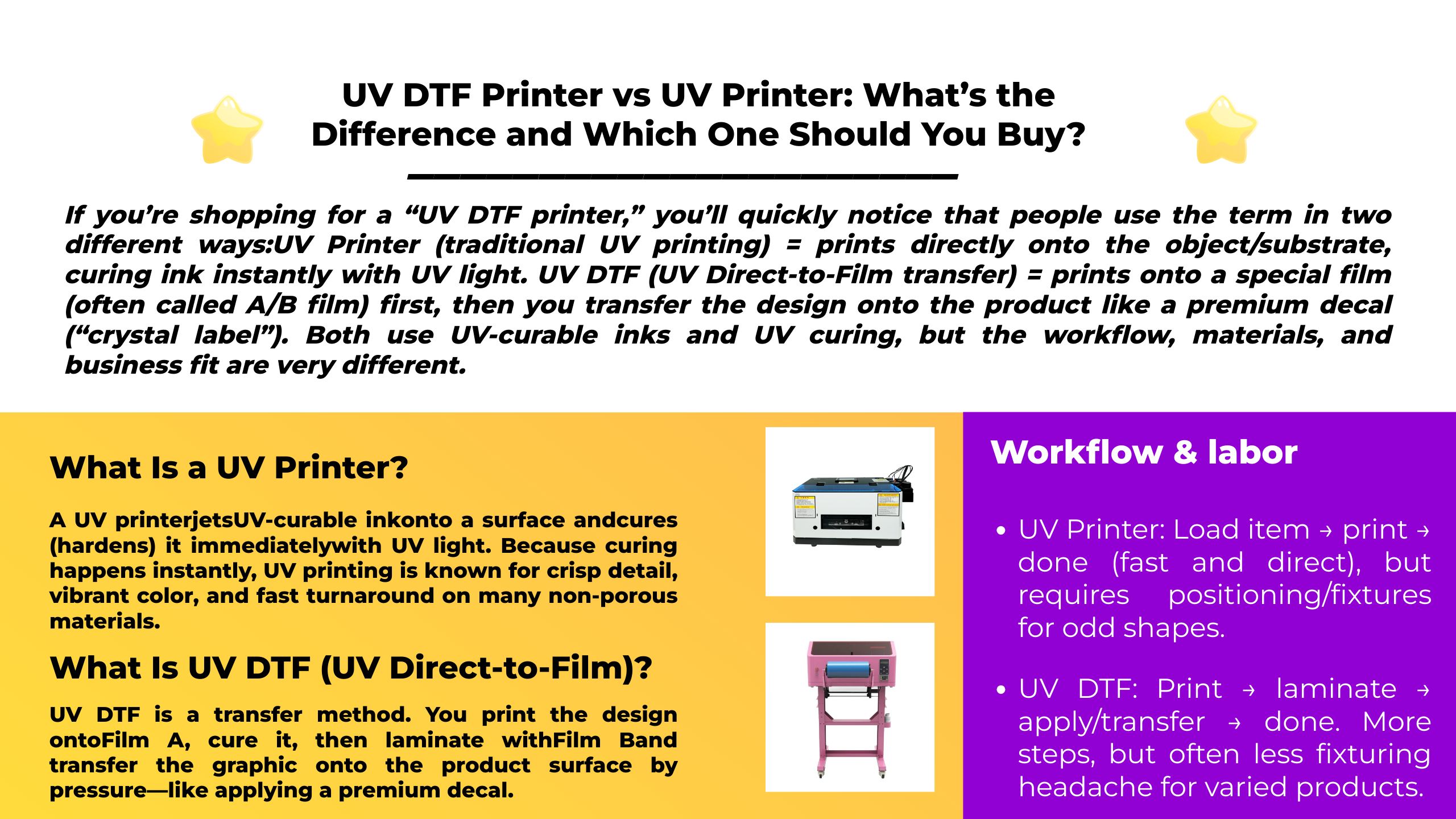
Dacă cumpărați o „imprimantă UV DTF”, veți observa rapid că oamenii folosesc termenul în două moduri diferite:
Imprimantă UV (imprimare UV tradițională) = imprimeuri direct pe obiect/substrat, întărind cerneala instantaneu cu lumină UV.
UV DTF (transfer UV direct pe film) = imprimeuri pe un film special (deseori numit Film A/B) mai întâi, apoi transferați designul pe produs ca pe un decal premium („etichetă de cristal”).
Ambele folosesc cerneluri cu întărire UV și întărire UV, dar fluxul de lucru, materialele și potrivirea afacerii sunt foarte diferite.
Comparație rapidă
| Categorie | UV DTF (Transfer de film) | Imprimantă UV (direct la obiect) |
|---|---|---|
| „Unde tipăriți?” | Pe Filmul A, apoi laminate cu Filmul B și transfer | Direct pe produs/substrat |
| Cel mai bun pentru | Multe obiecte mici, forme mixte, personalizare rapidă, decalcomanii „etichetă cristal”. | Panouri plate, semnalizare, suporturi rigide, tiraje de producție, imprimare direct la obiect |
| Echipament suplimentar | De obicei a laminator (sau unitate integrată) | Adesea nici unul dincolo de imprimantă; rotativ/fixare pentru cilindri (dacă este necesar) |
| Priviți și simțiți | Estetică „etichetă” în relief/lucioasă | Aspect „imprimat”; poate fi mată/lucioasă/textură în funcție de setul de cerneală |
| Produse comune | Pahare (sub formă de autocolante), huse pentru telefoane, cutii cadou, articole promoționale | Plăci din acril/lemn/PVC, semne, panouri de control, prototipuri de ambalare |
Ce este a Imprimantă UV?
O Imprimanta UV jeturi Cerneală tratabilă cu UV pe o suprafață și îl vindecă (întăreşte) imediat cu lumină UV. Deoarece întărirea are loc instantaneu, imprimarea UV este cunoscută pentru detalii clare, culori vibrante și răspuns rapid pe multe materiale neporoase.
Tipuri comune de imprimante UV
- Plată UV: printuri pe foi rigide și obiecte așezate pe o masă/pat plat.
- UV roll-to-roll: printuri pe suporturi flexibile (filme, bannere etc.).
- Plată + accesoriu rotativ: poate imprima pe articole cilindrice precum sticle și căni, în funcție de configurație.
Cel mai bine când: puteți plasa sau fixa fizic elementul pe imprimantă și doriți designul tipărit direct pe ea.
Mai multe despre imprimanta UV: Imprimantă UV: Ghidul final pentru tehnologia de imprimare ultravioletă
Ce este UV DTF (UV Direct-to-Film)?
UV DTF este o metodă de transfer. Imprimați designul pe Filmul A, vindeca-l, atunci laminat cu Filmul B și transferați graficul pe suprafața produsului prin presiune, cum ar fi aplicarea unui decal premium.
Acesta este motivul pentru care UV DTF este adesea descris ca „etichetă de cristal” producție: nu este imprimare directă pe obiect; sale imprimarea unei grafice transferabile care poate fi aplicat la multe produse.
Flux de lucru tipic UV DTF (film AB)
- Imprimați designul Filmul A (cerneală UV + întărire UV)
- Laminat cu Filmul B
- Curățați/transferați pe articolul final
- Finalizați prin îndepărtarea stratului purtător
Cel mai bine când: vindeți o mulțime de produse personalizate mici, doriți transferuri „asemănătoare unui autocolant” sau aveți nevoie de o metodă care funcționează în mai multe SKU-uri fără a construi dispozitive complexe.
Imprimantă UV Erasmart și imprimantă UV DTF
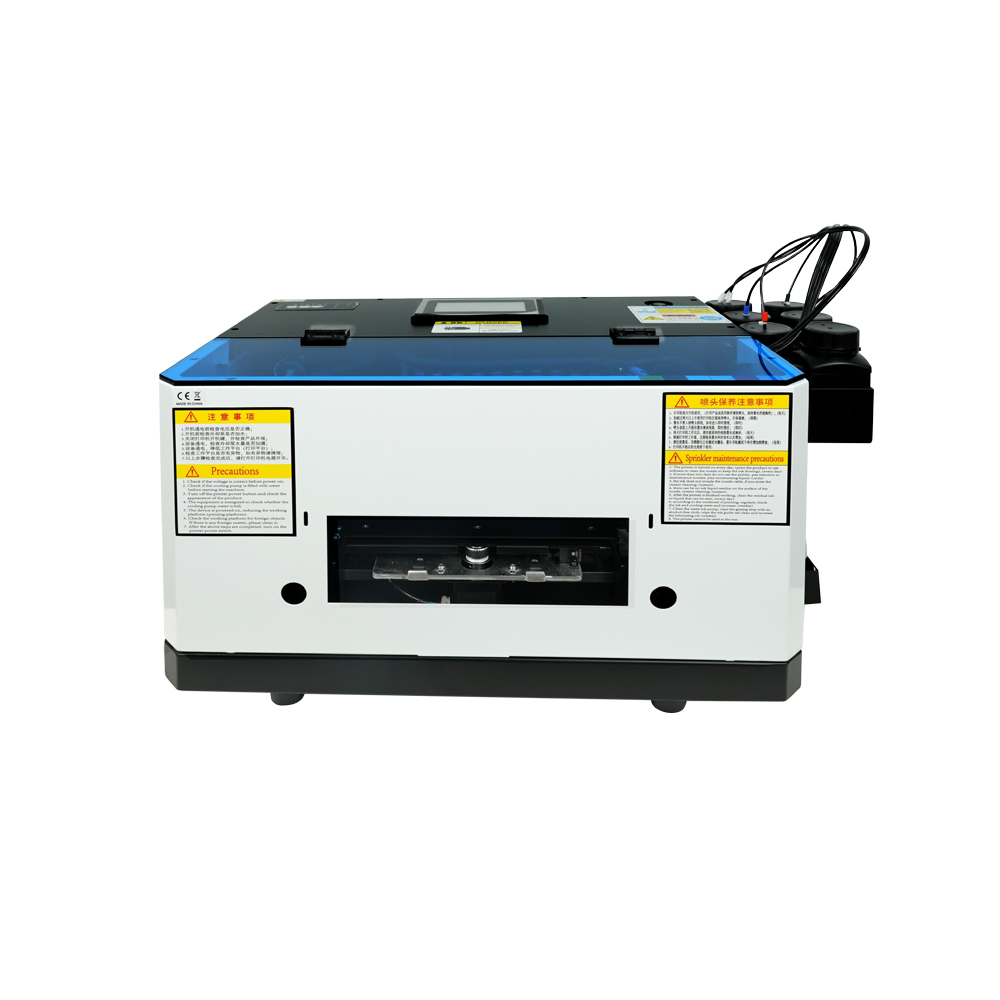
Model de intrare compact cu cap de imprimare L800, ideal pentru articole mici și proiecte de hobby (dimensiunea de imprimare de 120*210mm).
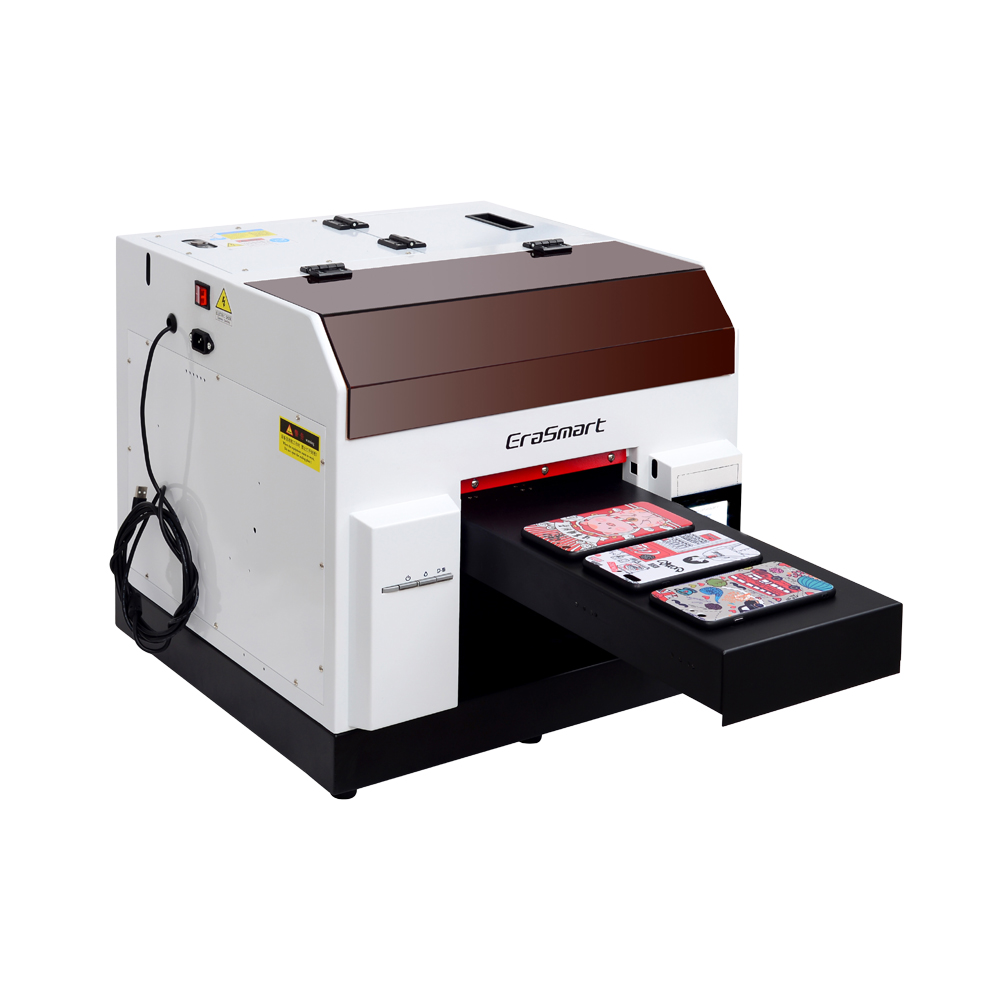
Cap de imprimare L800 cu dimensiunea de tipărire de 210*290mm, perfectă pentru întreprinderile mici și cadouri personalizate (înălțime de imprimare 0-130mm).
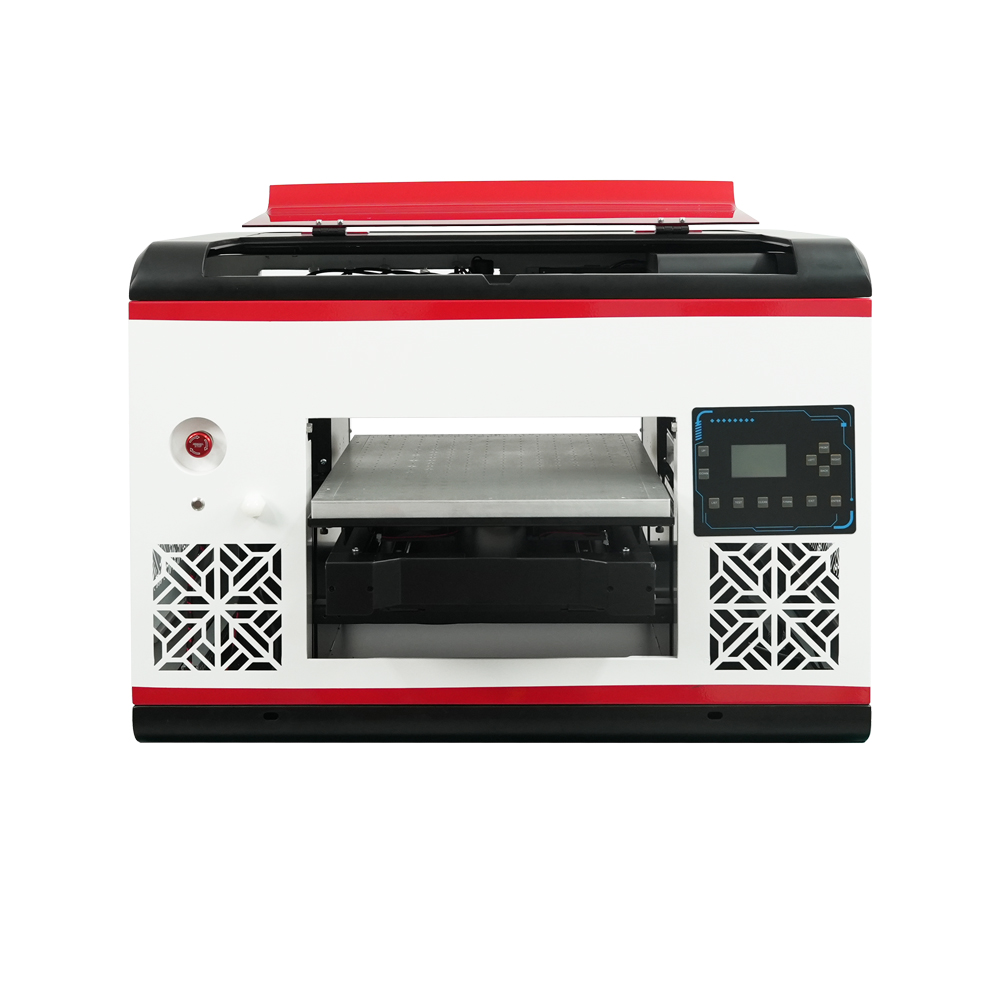
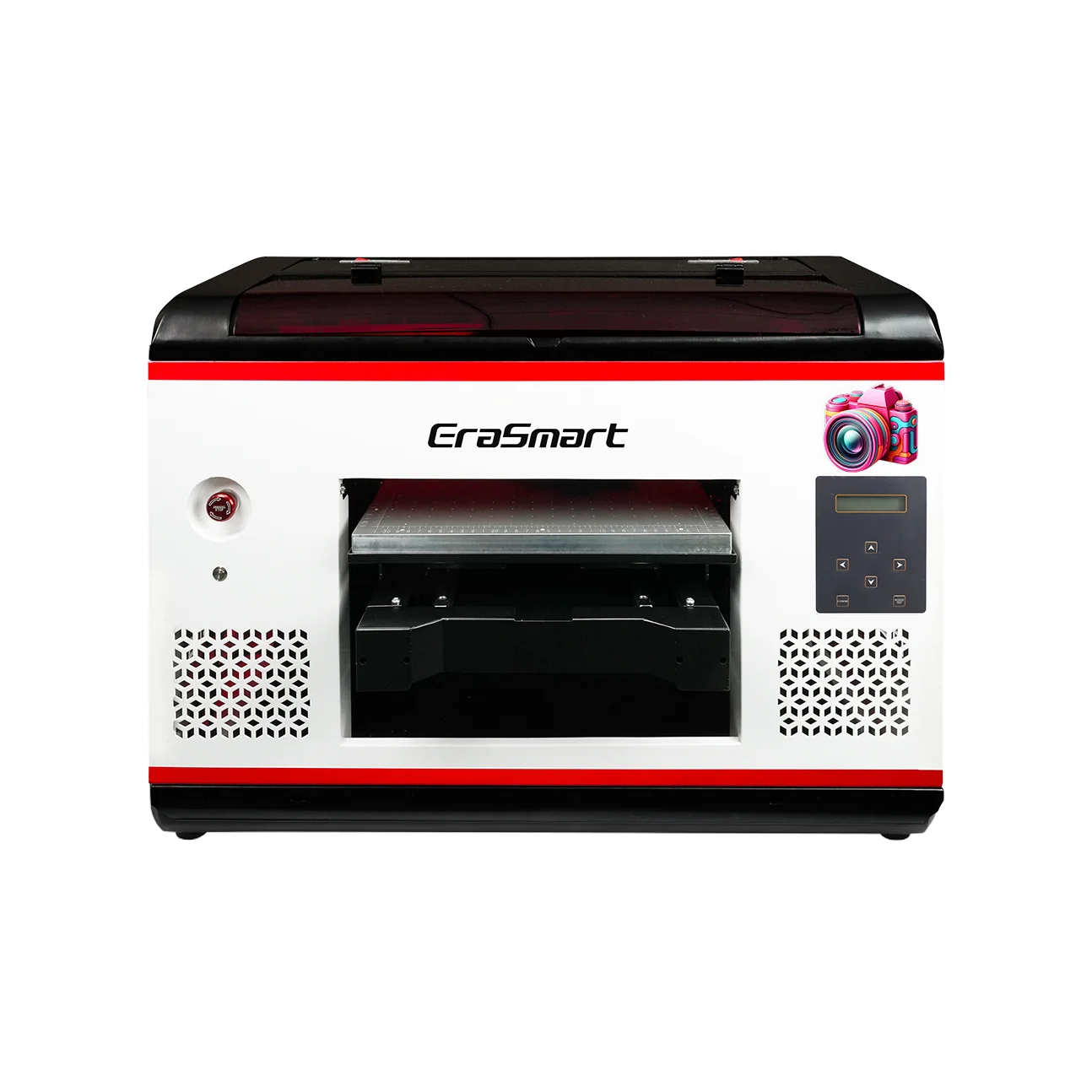
Cap de imprimare DX7 cu dimensiune de imprimare de 350*450mm, platformă de aspirație și CMYK+WW+VV pentru producție cu volum mare.
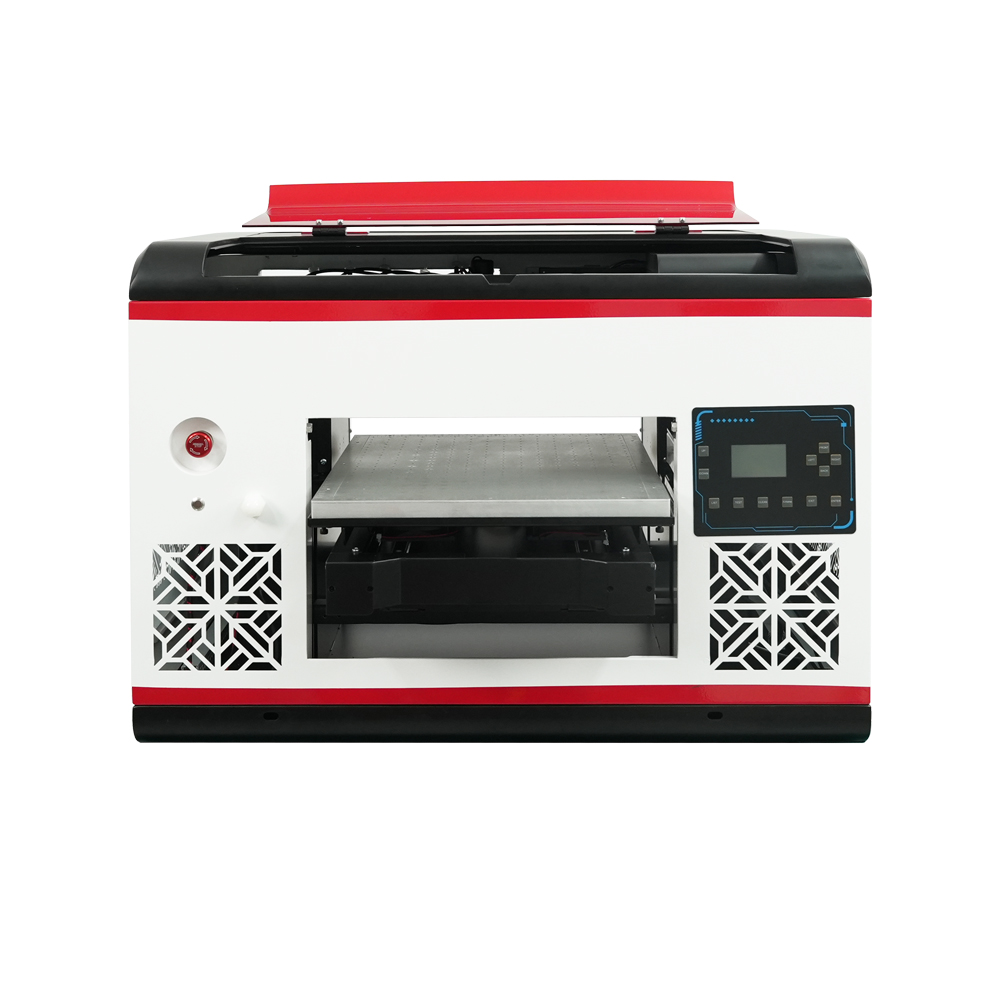
Cap de imprimare XP600 cu dimensiune de imprimare de 350*450mm, viteză de 5㎡/h, ideală pentru producție medie până la mare.
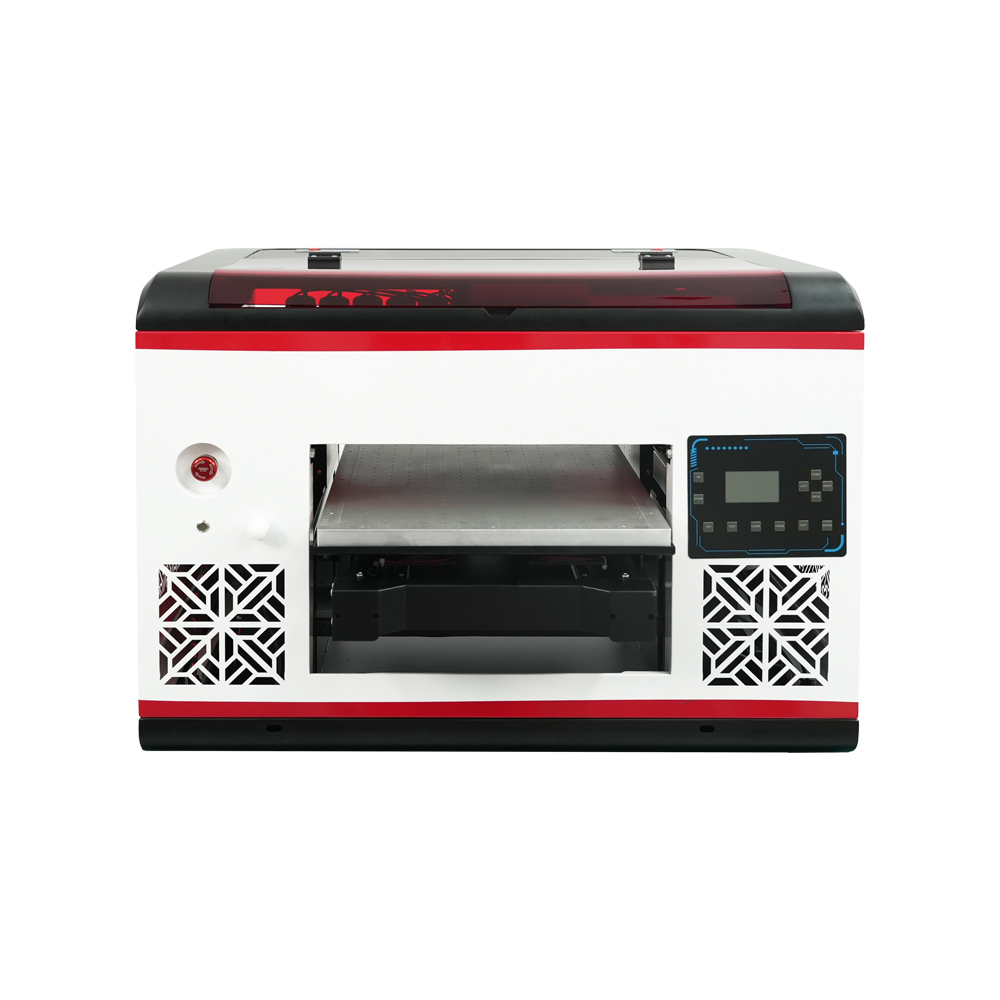
Capete de imprimare Dual XP600 cu viteză 5,5㎡/h, CMYK+WW+VVVVVV pentru o gamă de culori îmbunătățite și productivitate.
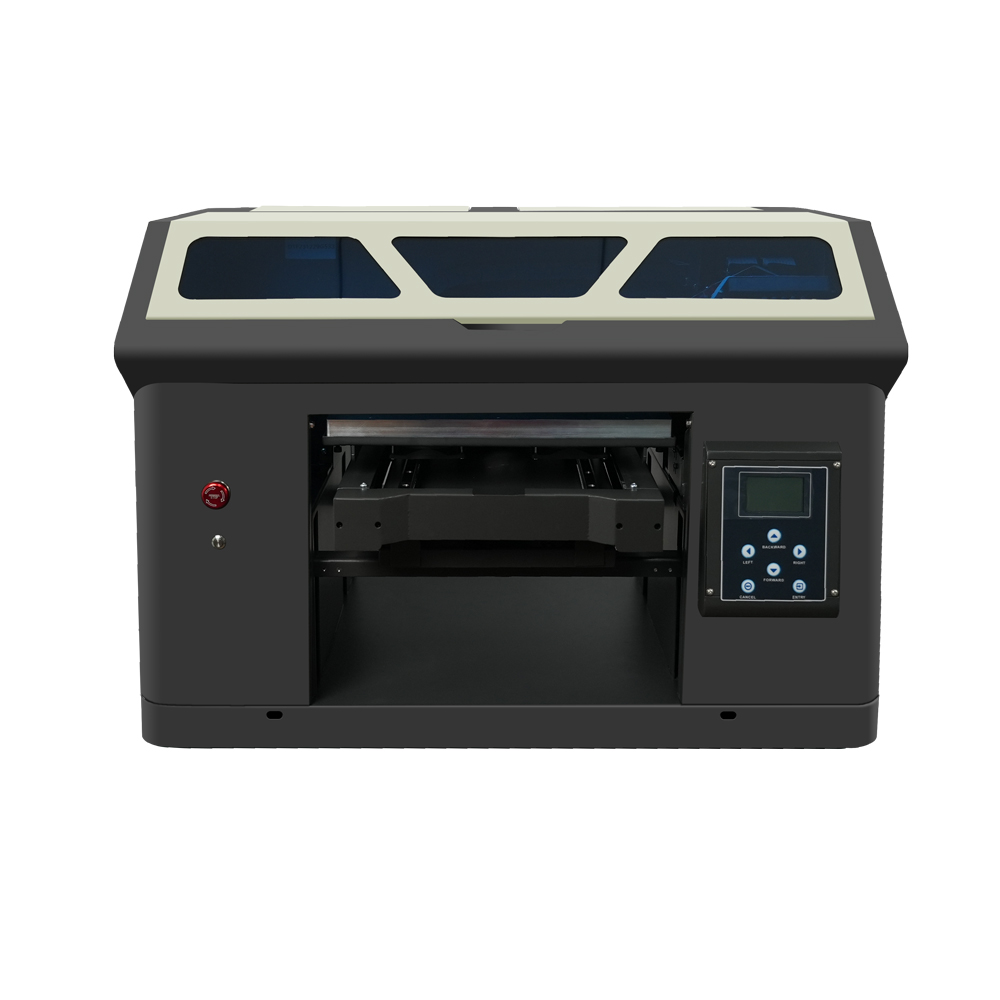
Capete de imprimare Dual XP600 cu dimensiune de imprimare de 350*450mm, concepute pentru producție continuă de calitate industrială.
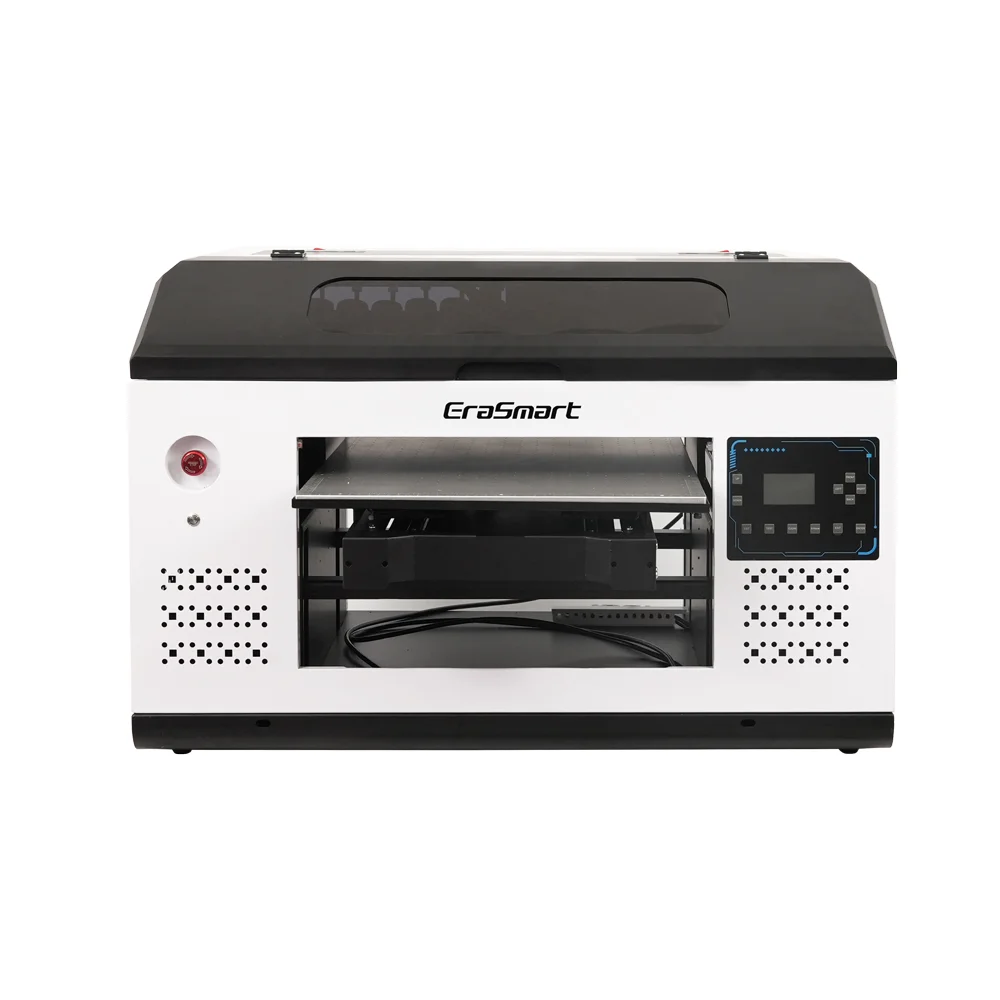
Imprimantă de format mare 420*600mm cu capete dual XP600, perfectă pentru semnalizare, panouri și materiale mari.
Capele dual XP600 cu laminare automată, specializată pentru imprimarea filmului UV DTF (lățime de până la 350 mm).
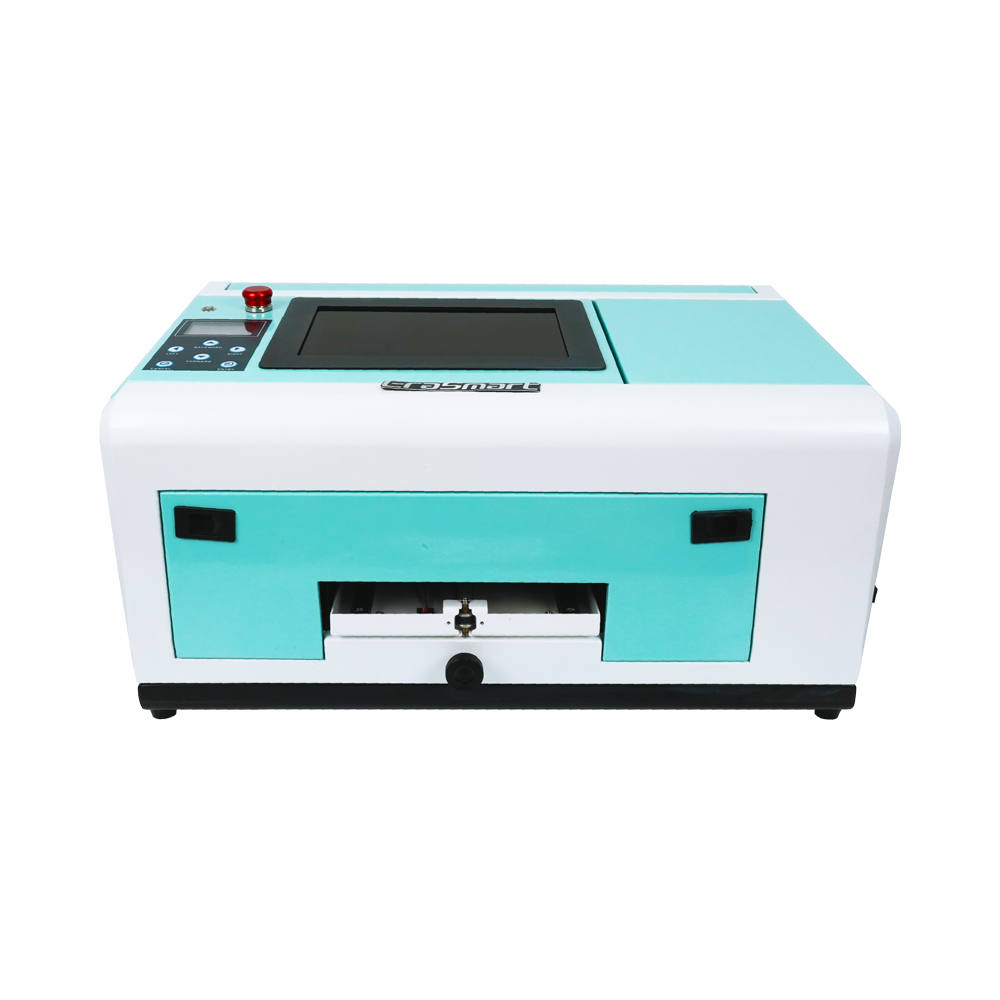
Specializat pentru carcase de telefon (TPV/PVC/lemn/metal), cu ecran de 10 inci și înălțime reglabilă de 0-10 mm.
Cele mai mari diferențe care vă afectează afacerea
1) Fluxul de lucru și forța de muncă
- Imprimanta UV: Încărcare element → imprimare → terminat (rapid și direct), dar necesită poziționare/fixare pentru forme ciudate.
- UV DTF: Imprimare → laminat → aplica/transfer → gata. Mai mulți pași, dar adesea mai puțină durere de cap pentru produse variate.
La pachet practic:
Dacă faceți personalizare cu amestecuri mari, cu tiraje mici (multe tipuri de articole pe zi), UV DTF poate fi mai ușor de utilizat în mod constant.
2) La ce produse excelează fiecare metodă „în mod natural”.
UV DTF excelează la:
- Pahare și sticle personalizate (ca transfer de decal)
- Huse pentru telefoane, mici articole cadou, produse promotionale
- Etichete de marcă pentru ambalaje, cutii și accesorii
Imprimanta UV excelează la:
- Panouri acrilice, panouri PVC, panouri din lemn
- Plăcuțe industriale, panouri de control, prototipuri
- Foi rigide mai mari și lucrări de producție plate
3) Finisaj, textura și percepția clientului
- UV DTF produce de obicei a finisaj asemănător etichetei pe care clienții îl asociază cu brandingul premium (luciu, margini în relief, aspect „cristal”).
- Imprimarea directă UV arată ca și cum este imprimat pe suprafatași puteți alege seturi de cerneală/lac/opțiuni de textură în funcție de imprimantă și de fluxul de lucru.
4) Durabilitate în viața reală
Durabilitatea depinde de sistemul de cerneală, compatibilitatea substratului și pregătirea suprafeței, dar în general:
- Imprimare UV (directă): Poate fi foarte durabil atunci când cerneala aderă bine la substrat și este utilizat procesul corect.
- UV DTF: Durabilitatea se comportă ca a decal/etichetă de înaltă performanță—excelent pentru multe cazuri de utilizare, dar abraziunea, substanțele chimice dure și căldura extremă pot reduce durata de viață în funcție de film/adeziv și de suprafață.
Regula generală:
Dacă produsul va fi răzuit puternic, curățat chimic sau expus la condiții extreme, testați-vă exact materialul + cerneala + procesul înainte de a promite „permanent”.
Cost și echipamente: de ce aveți nevoie de fapt
Configurație tipică UV DTF
- Capacitate de imprimare UV (unitate UV DTF dedicată sau imprimantă UV configurată pentru DTF)
- Film AB (Filmul A + Filmul B)
- Adesea a laminator (unele sisteme integrează acest lucru)
Configurare tipică a imprimantei UV
- Imprimantă UV plată / roll-to-roll / hibridă UV
- Fixare pentru produse repetate (opțional, dar recomandat)
- Accesoriu rotativ pentru sticle/cilindri (opțional, în funcție de model)
Factori de cost (nu doar prețul de achiziție):
- Deșeuri consumabile (resturi de folie/laminare în UV DTF)
- Timp de fixare și greșeli de imprimare (UV direct pe obiecte ciudate)
- Întreținere: verificări duze, cicluri de curățare, controlul mediului
Pe care ar trebui să-l alegi?
Alege UV DTF daca tu:
- Vinde cadouri personalizate și articole promoționale (multe SKU-uri)
- Aveți nevoie de o cale mai ușoară pentru forme mixte fără dispozitive complexe
- Doriți să vindeți sau să aplicați transferuri premium în stil „etichetă de cristal”.
Alegeți o Imprimantă UV daca tu:
- Imprimați în principal pe materiale rigide plate (semnalizare, panouri, panouri)
- Doriți producție directă la obiect, cu mai puțini pași
- Au forme de produs repetabile sau pot construi accesorii pentru eficiență
Alege ambele dacă construiți un magazin complet de personalizare:
- Imprimanta UV pentru panouri/semnale + UV DTF pentru marfuri mici/etichete
Această pereche acoperă cel mai larg set de comenzi profitabile.
Greșeli frecvente (și cum să le eviți)
Greșeli UV DTF
- Omiterea curățării suprafețelor → ridicarea marginilor, bule
- Laminare slabă → riduri, argintări, transferuri inconsistente
- Ne așteptăm la o aderență perfectă pe suprafețe cu textura profundă
Greșeli de imprimantă UV
- Imprimare pe suporturi incompatibile fără preparare/grundări
- Fără strategie de fixare → poziționare lentă, rată mai mare de deșeuri
- Ignorarea limitelor de înălțime/degajare a obiectelor groase (risc de lovire cu capul)
Întrebări frecvente
1) O imprimantă UV DTF este doar o imprimantă UV?
Nu tocmai. UV DTF este a transferul fluxului de lucru. Multe sisteme UV DTF folosesc tehnologia de imprimare UV, dar cheia este imprimare pe film și transfer, adesea cu laminare.
2) Am nevoie de un laminator pentru UV DTF?
În majoritatea fluxurilor de lucru AB-film, da (cu excepția cazului în care cumpărați o unitate integrată all-in-one).
3) O imprimantă UV poate imprima pe pahare?
Adesea, da, dacă imprimanta acceptă un atașament rotativ sau o fixare adecvată, dar depinde de model și de configurare.
4) Ce înseamnă AB film?
Filmul AB se referă în general la Filmul A (strat de imprimare) și Filmul B (strat de laminare/transfer) utilizat pentru a crea decalcomanii UV DTF transferabile.
5) Este imprimarea UV „sigură” pentru a rula într-un magazin mic?
Poate fi, dacă urmați îndrumările SDS, EIP și ventilație. Îndrumările de siguranță evidențiază în mod obișnuit riscurile de expunere a pielii/ochilor și problemele de sensibilizare cu materialele și cernelurile UV.
Concluzie
- Imprimantă UV = cel mai bine când vrei imprimare directă pe panouri plate sau obiecte prietenoase cu dispozitivele de fixare, cu un flux de lucru simplificat.
- UV DTF = cel mai bine când vrei autocolante de transfer („etichete de cristal”) care se aplică în multe produse și forme cu o complexitate mai mică de fixare.
Poate fi tu ca și tu
Imprimantă Erasmart
imprimantă UV
Imprimantă DTF
Imprimantă DTG
Mașină de presă de căldură
Imprimantă publicitară
Instrumente pentru imprimantă
Cuptor DTF
Presă fierbinte
Mașină de sculptură
Transfer de căldură cu cană
Mașină de laminare
Consumabile
Cerneală tipografică
Carcasă pentru telefonul mobil
Produs de sticlă
Curățarea lichidului
Tampon de bumbac
Contactaţi-ne
WhatsApp : +8618566233796
WeChat : +8618566233796
Mobile : +8618566233796
Web:www.erasmart.com
Magazin:www.erasmartmall.com
Copyright 2020 © Erasmart. | Sitemap
WhatsApp-ne
Solicitați o ofertă
Oferiți doar câteva detalii și vă vom ajuta să obțineți citate rapide!