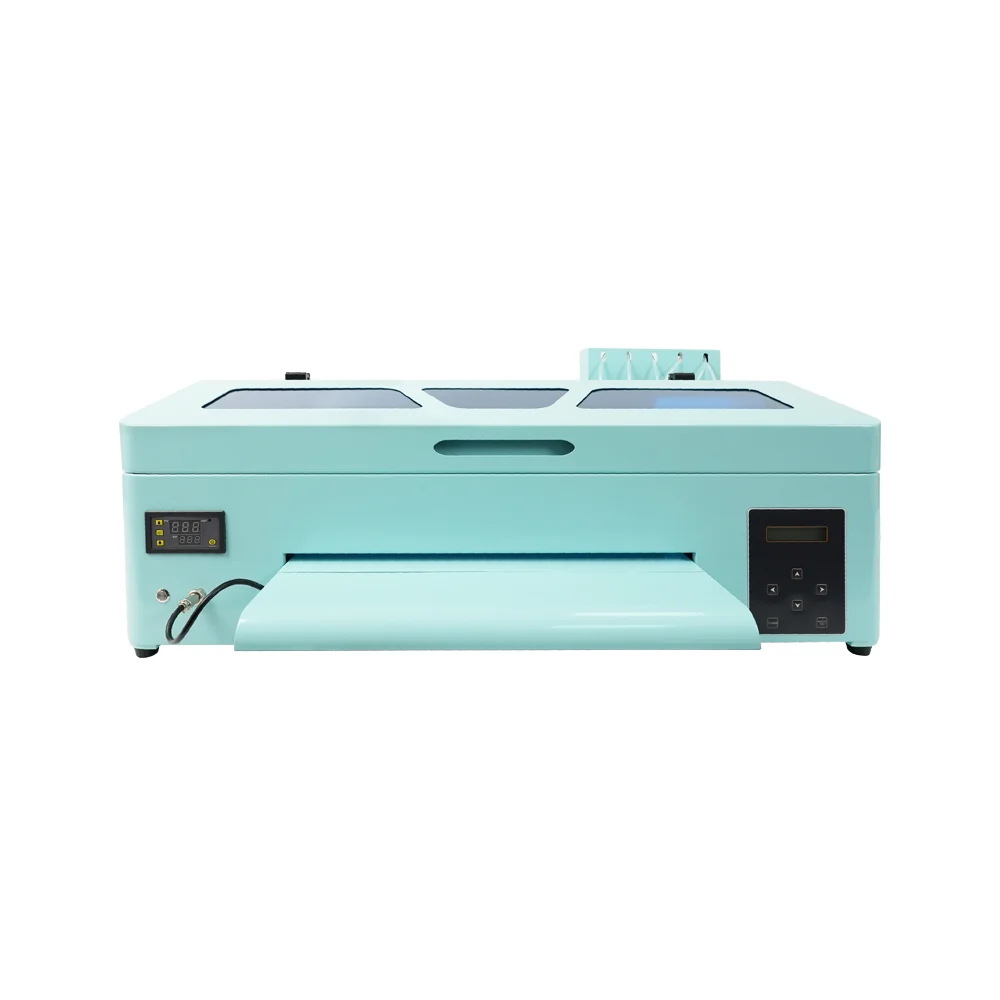
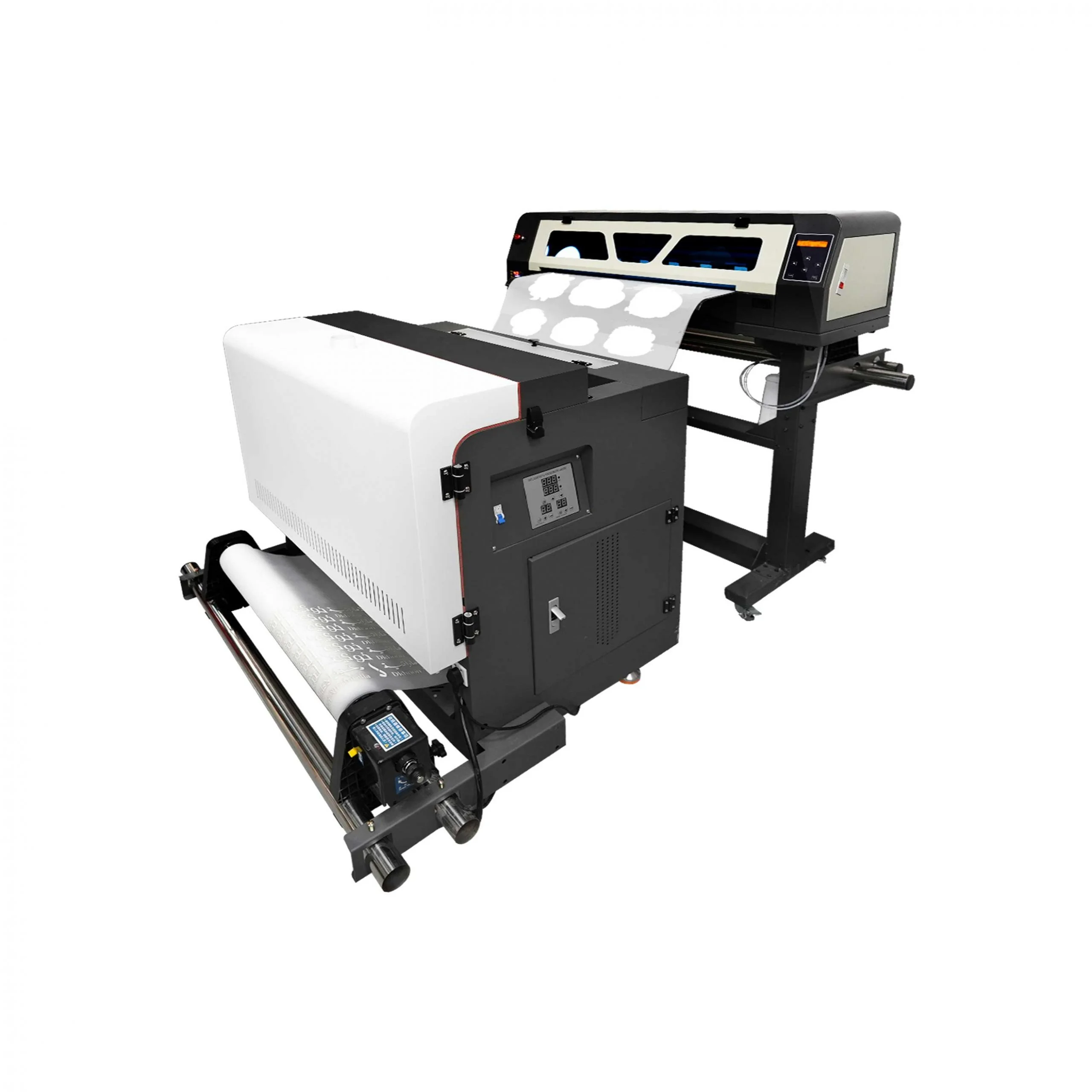
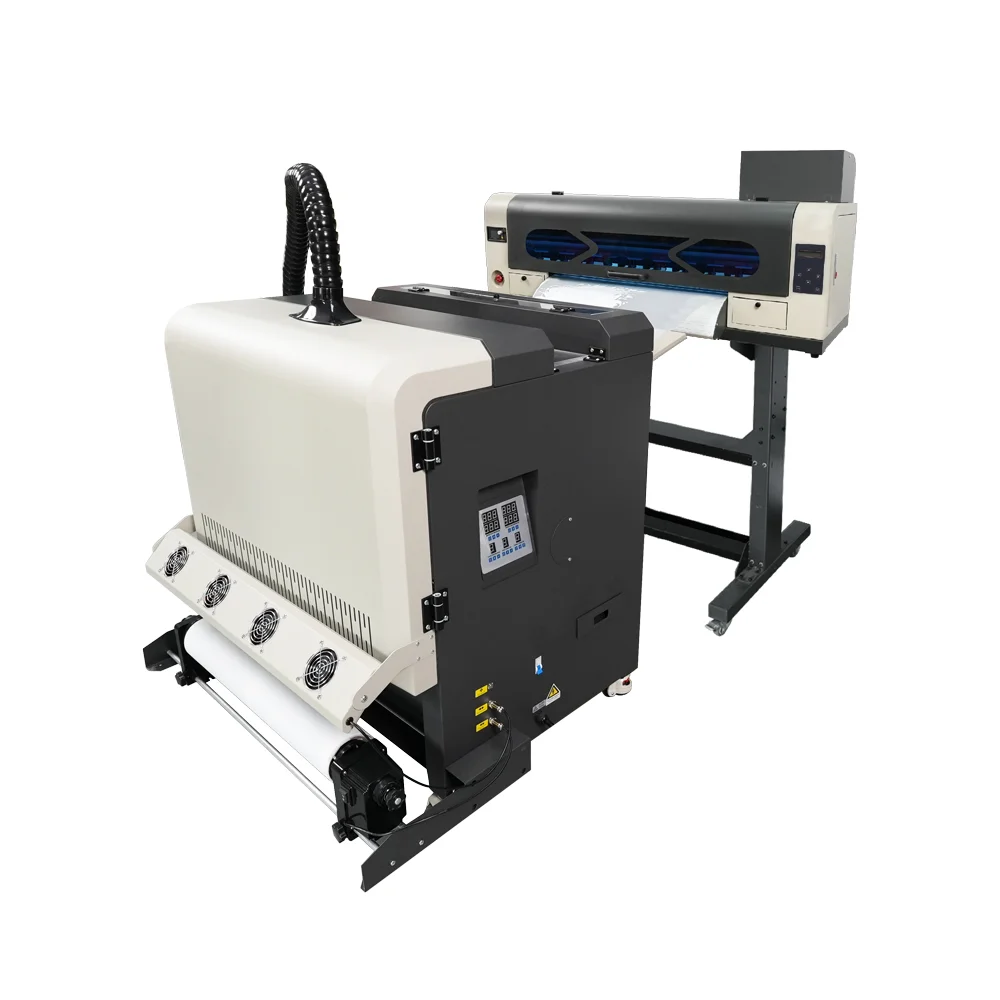
DTF printing has become one of the most practical printing methods for modern custom apparel businesses. It is especially useful for shops that need to handle small batches, full-color designs, dark garments, mixed fabrics, fast turnaround orders, and personalized products.
However, DTF printing is not a perfect solution for every business. Like any production method, it has clear advantages and limitations. The real question is not simply “Is DTF printing good?” A better question is: Does DTF printing match your order size, fabric type, artwork style, workflow, maintenance ability, and growth plan?
For many startups and small apparel businesses, DTF is attractive because it lowers setup barriers compared with screen printing and offers more fabric flexibility than some other decoration methods. At the same time, DTF requires proper white ink maintenance, stable powder curing, good heat press control, and consistent consumable quality.
If you are still comparing different apparel decoration methods, EraSmart’s guide on DTF กับ DTG กับการพิมพ์สกรีนกับ HTV is a useful starting point. It explains how DTF compares with other common T-shirt printing methods in terms of order size, fabric compatibility, print feel, cost, and business use.
This article explains the real pros and cons of DTF printing from a business and production perspective, helping you decide whether DTF is the right choice for your custom apparel business.
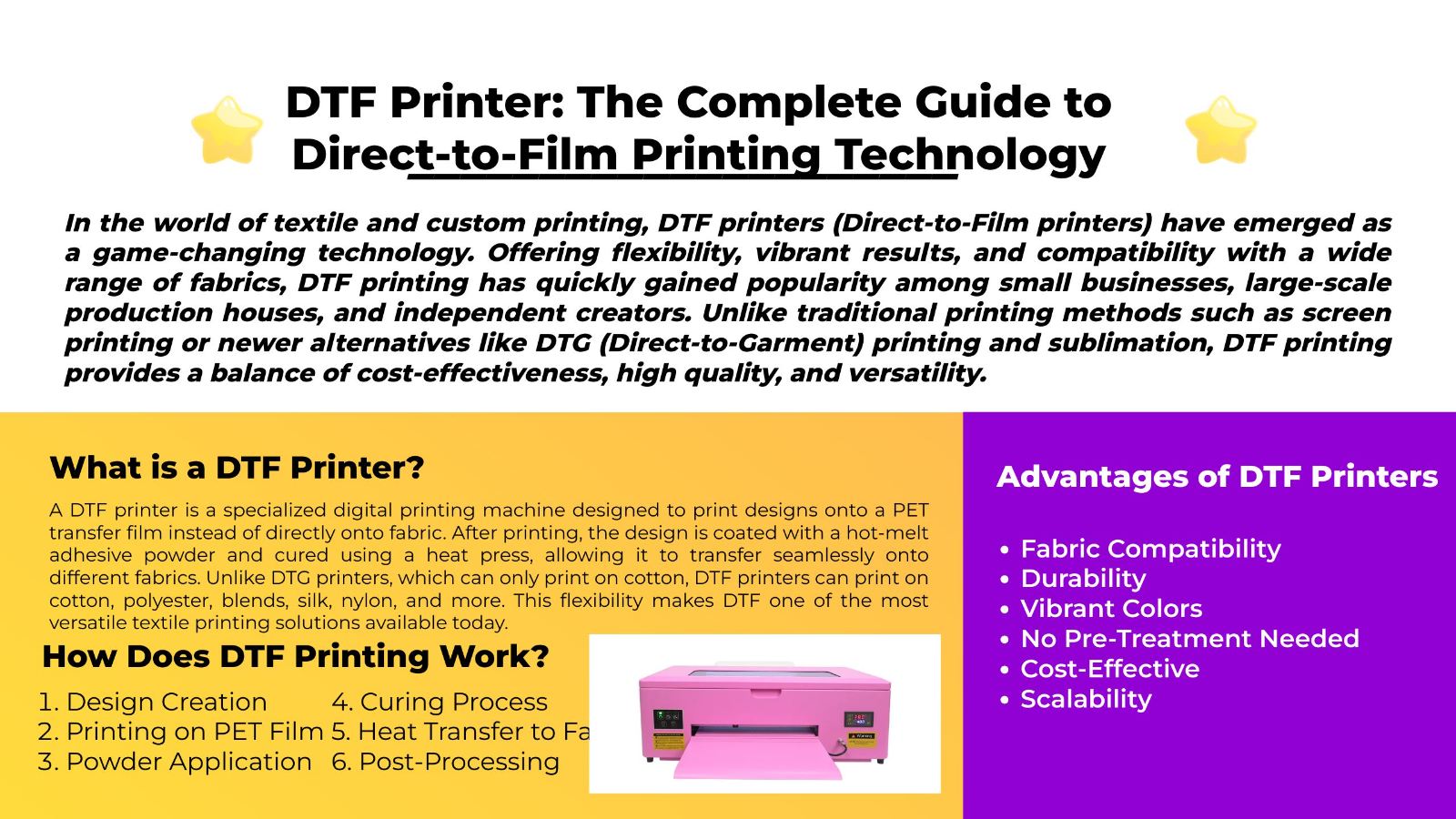
DTF stands for ตรงไปที่ภาพยนตร์. It is a textile printing process where the design is printed onto PET transfer film first, then hot-melt adhesive powder is applied, cured, and transferred onto the garment with a heat press.
A typical DTF workflow includes:
Prepare the artwork
Print the design onto PET transfer film
ใช้ผงกาวร้อนละลาย
บ่มผง
กดความร้อนลงบนเสื้อผ้า
Peel the film
Finish press if needed
For a more detailed step-by-step explanation, see EraSmart’s ขั้นตอนการผลิต DTF, which explains the full process from artwork preparation to film printing, powdering, curing, heat pressing, and final quality control.
Unlike DTG printing, DTF does not require fabric pretreatment in most standard workflows. Unlike screen printing, DTF does not require a separate screen for each color. This makes DTF especially useful for custom designs, short runs, full-color graphics, and mixed product orders.
| Pros of DTF Printing | Cons of DTF Printing |
|---|---|
| Works on many fabric types | White ink requires regular maintenance |
| Suitable for cotton, polyester, blends, denim, nylon, leather-like materials and more | Printhead clogging can happen if maintenance is ignored |
| Works on light and dark garments | Large solid prints may feel heavier than some other methods |
| Great for full-color artwork and gradients | Breathability may be lower on large print areas |
| No screen setup required | Color matching still requires testing |
| Good for small batches and one-off orders | Poor curing or pressing can reduce durability |
| Lower setup barrier than screen printing | Consumable compatibility matters |
| Useful for online stores and print-on-demand | Requires printer, film, ink, powder, curing and heat press workflow |
| Can reduce finished-garment inventory pressure | Not always the lowest-cost method for very large repeat orders |
| Easy to expand into shirts, hoodies, tote bags and more | Operator training is still important |

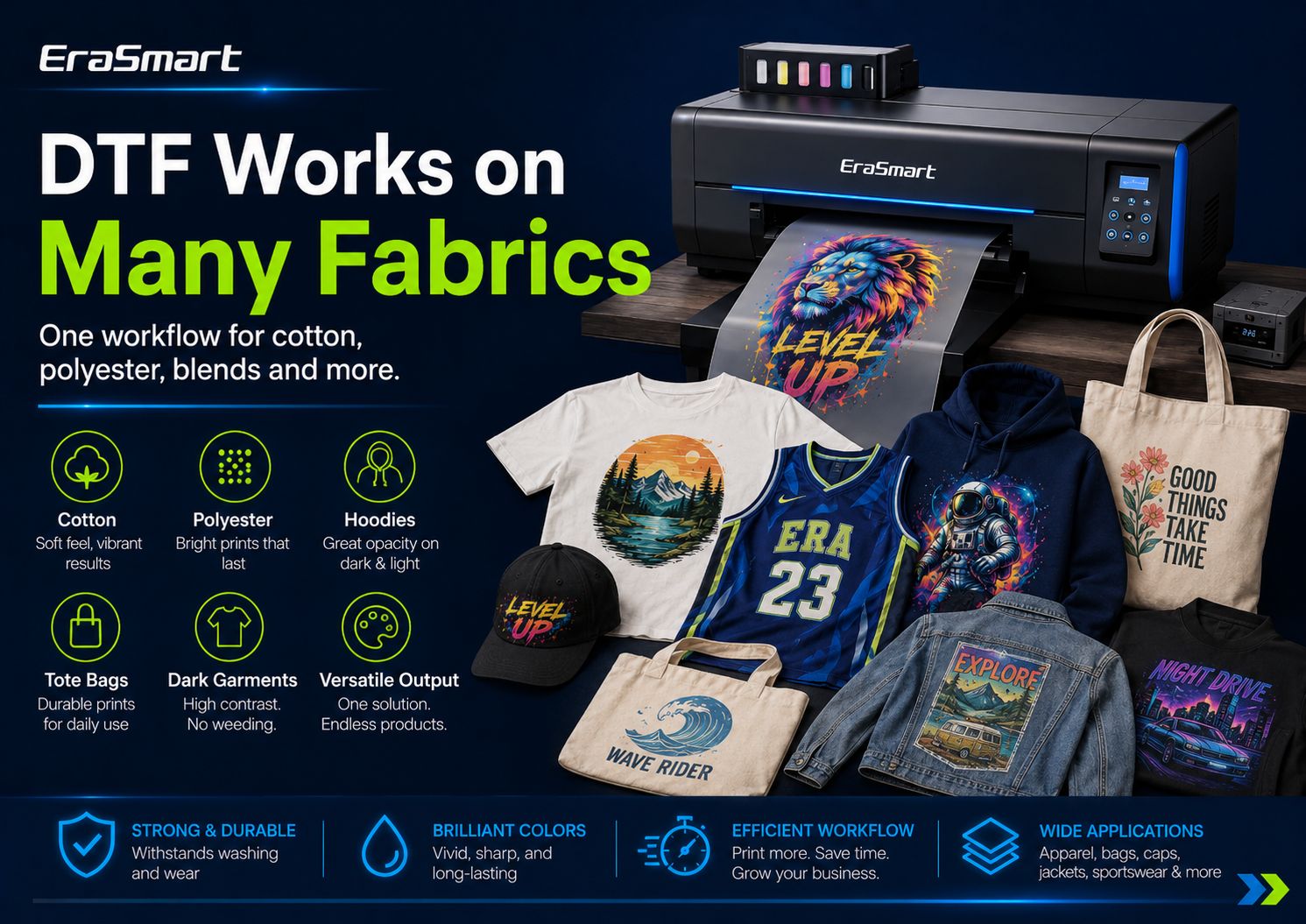
One of the biggest advantages of DTF printing is fabric flexibility. DTF can be used on cotton, polyester, blends, denim, nylon, canvas, leather-like materials, and many dark-colored garments. This is important for apparel businesses that do not want to limit customers to only one fabric type.
For example, a custom apparel shop may need to print on:
cotton T-shirts
polyester sportswear
เสื้อฮู้ด
tote bags
caps
denim jackets
canvas bags
workwear
เครื่องแบบ
เสื้อผ้าสีเข้ม
With DTF, a shop can use one workflow for many different product types. This makes it easier to accept mixed orders and serve different customer groups without switching between multiple printing systems.
If you are unsure which machine size or configuration is suitable for your product range, EraSmart’s วิธีเลือกเครื่องพิมพ์ DTF can help you compare print width, printhead configuration, production demand, and upgrade path.
Business value: DTF allows small businesses to accept more types of customer orders without needing a separate printing method for every material.

DTF printing is highly suitable for small-batch production. Because there is no screen setup and no color-by-color stencil preparation, you can produce one design, ten designs, or multiple different customer orders in one workflow.
This makes DTF a good choice for:
one-off custom shirts
personalized names and numbers
small business merch
school event shirts
family reunion shirts
influencer merch
ลดลงตามฤดูกาล
local brand launches
Etsy and Shopify stores
print-on-demand production
Screen printing becomes more efficient when the order quantity is large and the same design is repeated many times. But for small custom jobs, DTF is often easier to manage because the setup process is much simpler.
Before choosing a machine, it is helpful to review EraSmart’s รายการตรวจสอบการซื้อเครื่องพิมพ์ DTF, which explains how to evaluate printer width, printhead type, white ink system, workflow, support, maintenance, and future growth.
Business value: DTF helps small businesses serve low-MOQ customers more profitably.

DTF is a digital printing process, so it is suitable for complex artwork. It can reproduce full-color designs, gradients, shadows, detailed illustrations, photo-style graphics, and complex logos without requiring a separate setup for each color.
This is useful for modern apparel designs such as:
colorful fashion graphics
anime-style artwork
pet portraits
festival shirts
streetwear designs
sports mascots
photo merch
detailed brand illustrations
gradient-heavy artwork
seasonal T-shirt designs
For businesses that sell many different designs, DTF gives more creative freedom than traditional low-color workflows. It is especially useful when customers want bright, detailed, and personalized graphics.
Business value: DTF allows businesses to sell more visually complex designs without increasing setup difficulty for every extra color.
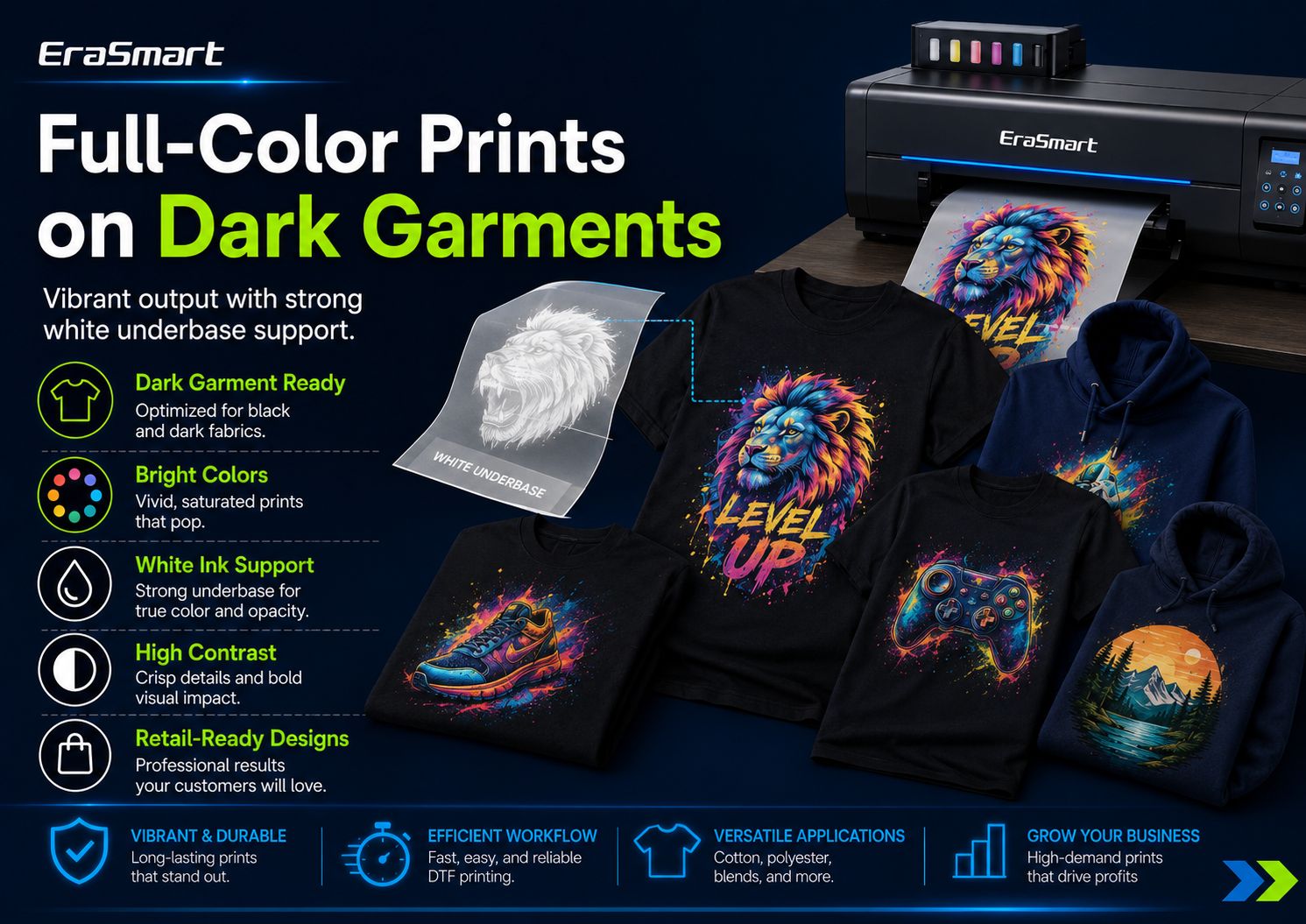
Dark shirts and hoodies are popular in the apparel market, but they can be challenging for some printing methods. DTF uses white ink as an underbase, helping colors appear clearly on black, navy, red, green, and other dark fabrics.
This makes DTF useful for:
black T-shirts
dark hoodies
ชุดกีฬา
streetwear
fashion drops
team apparel
event shirts
workwear
branded uniforms
For many apparel businesses, dark garment printing is not optional. Customers often prefer black shirts, dark hoodies, and bold streetwear-style garments. DTF gives shops a practical way to produce colorful designs on dark fabric.
Business value: DTF helps businesses confidently sell dark-garment products without limiting artwork color.
In many standard DTF workflows, the garment does not need pretreatment before printing. The design is printed onto film first, then transferred by heat and pressure.
This can simplify production compared with methods that require pretreatment steps. It also helps reduce equipment complexity, preparation time, and operator mistakes.
A simplified workflow is especially valuable for:
ผู้เริ่มต้น
home studios
small shops
online apparel sellers
local custom print businesses
businesses with limited staff
A stable workflow matters as much as the printer itself. EraSmart’s ขั้นตอนการผลิต DTF explains how to control each step so the final transfer is more consistent and reliable.
Business value: Fewer preparation steps can make production easier to learn, repeat, and scale.
DTF printing can support faster turnaround for custom jobs because the setup is digital and flexible. A shop can group multiple designs into one print run, prepare transfers in advance, and press them as orders come in.
This is useful for:
rush orders
event merch
local business orders
sports team apparel
limited product drops
online custom orders
ของขวัญส่วนตัว
If the business has stable artwork templates and a controlled workflow, DTF can help reduce delays caused by setup changes.
For shops that want to improve consistency and reduce manual powdering time, EraSmart’s DTF Powder Shaker and Dryer Guide explains when an automated powdering and drying workflow becomes worth considering.
Business value: DTF supports fast response to small, mixed, and personalized orders.
DTF transfers can be produced and stored before being pressed onto garments. This gives businesses more flexibility in inventory planning.
Instead of stocking many finished shirts in different colors and sizes, a business can store transfers and apply them to blank garments when orders arrive. This is useful when the shop wants to offer many design options without holding too much finished inventory.
For example, a business can stock:
blank shirts in popular sizes
DTF transfers for multiple designs
seasonal transfer designs
logo transfers
event transfers
team name and number transfers
This is especially useful for online stores and print-on-demand businesses that need flexibility without overstocking finished products.
Business value: DTF helps businesses reduce finished-garment inventory risk and respond faster to customer demand.
DTF is not limited to one type of apparel business. It can support several business models, including:
custom T-shirt shops
online merch stores
Etsy apparel sellers
Shopify clothing brands
local print shops
school and event suppliers
sportswear personalization
corporate uniform customization
print-on-demand businesses
DTF transfer-selling businesses
This is one of the reasons DTF has become popular among small and growing apparel businesses. It is not only a printing method; it is a flexible production system.
For businesses ready to compare equipment options, EraSmart’s เครื่องพิมพ์ DTF category includes compact A4 models, A3 startup systems, A3 MAX production options, powder-shaker workflows, and wider-format DTF solutions for different growth stages.
Business value: DTF gives business owners more ways to sell: finished garments, transfers, custom orders, seasonal drops, and small-batch brand products.

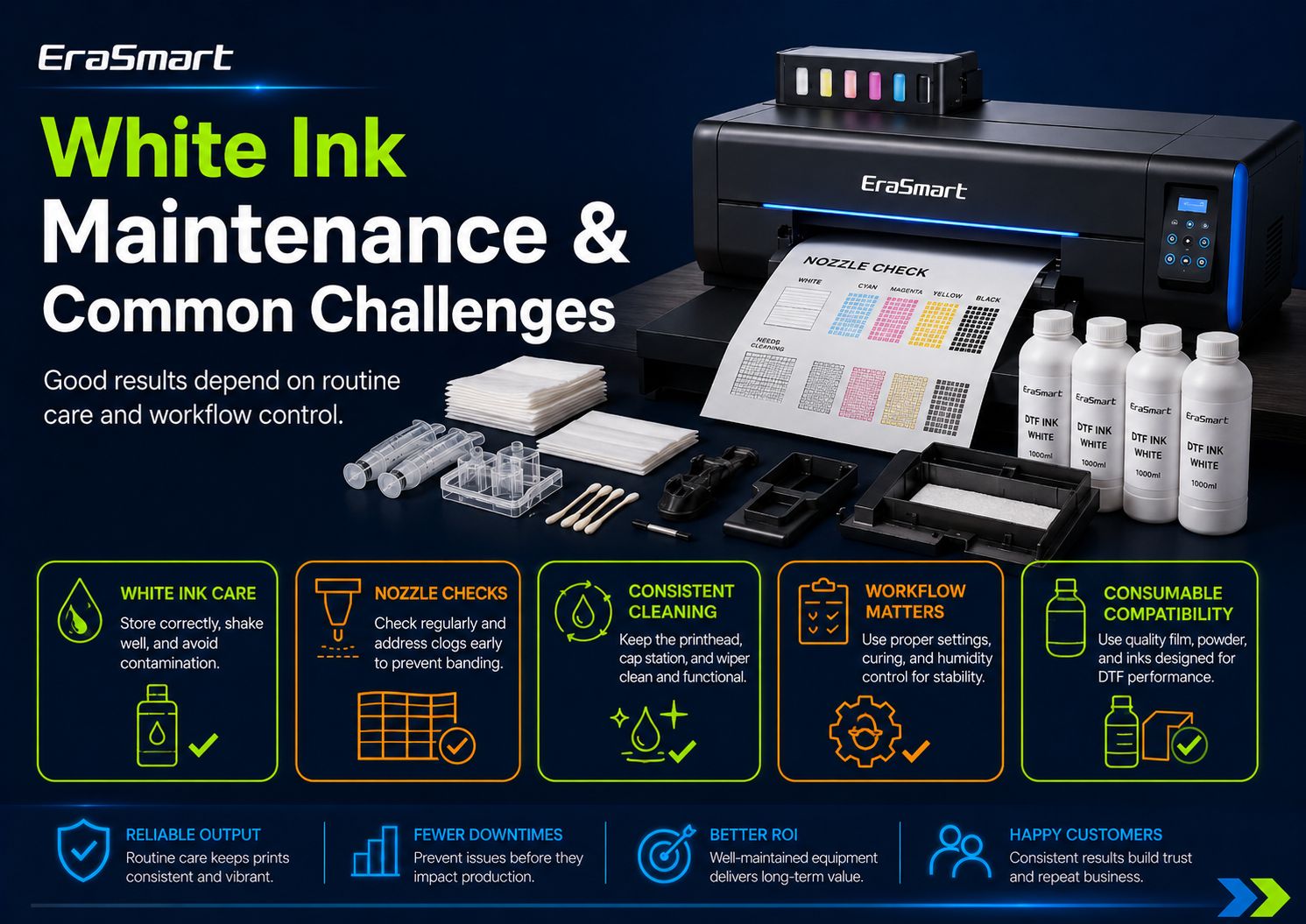
White ink is one of the most important parts of DTF printing, especially for dark garments. But white ink is also more maintenance-sensitive than CMYK ink because it contains heavier pigment particles.
If the printer is not used regularly or if white ink circulation is poor, problems can appear:
sedimentation
nozzle clogging
weak white layer
uneven opacity
poor color brightness
banding
unstable output
A good DTF printer should support white ink circulation, stable ink flow, and regular maintenance routines. Operators also need to perform nozzle checks, cleaning, and correct shutdown procedures.
For more practical maintenance guidance, see EraSmart’s DTF Printer Maintenance Guide, which is useful for reducing clogging risk and maintaining stable daily output.
Business risk: Poor white ink management can directly affect print quality and production stability.
DTF printers are inkjet-based machines, so printhead condition is critical. If the printer is left unused for too long or maintenance is ignored, nozzles can clog. This can cause missing lines, color deviation, weak white ink, poor detail, or failed prints.
To reduce clogging risk, businesses should:
print regularly
perform nozzle checks
keep the printer clean
use compatible ink
follow shutdown procedures
control room temperature and humidity
avoid mixing unknown consumables
maintain the capping station and wiper system
A low-maintenance mindset does not work well with DTF. The machine needs routine care, especially when white ink is involved.
Business risk: Ignoring daily maintenance can lead to downtime, wasted materials, and unstable print quality.
DTF transfers sit on the fabric surface. For small logos, chest prints, sleeve prints, or medium-size graphics, the feel can be smooth and commercially acceptable. However, very large solid prints may feel heavier or less breathable than some other printing methods.
This is especially noticeable when designs have:
large solid color blocks
full-front coverage
thick white ink underbase
high ink density
heavy adhesive layer
poor artwork optimization
To improve feel, businesses should optimize artwork and avoid unnecessary full-solid areas when possible.
Business risk: If the customer expects a very soft and breathable print on a large design, DTF may not always be the best choice.
Because DTF creates a transfer layer, airflow through the printed area may be lower than untreated fabric. This does not matter much for small logos or moderate-size designs, but it can affect comfort on large chest prints or full-back graphics.
For everyday fashion shirts, sportswear, or summer garments, this should be considered during design planning.
To reduce the issue:
use smart artwork gaps
avoid oversized solid blocks
reduce unnecessary background fill
use breathable design shapes
test different garment types
choose appropriate transfer settings
Business risk: Large DTF prints can affect garment comfort if design and production are not controlled.
DTF can produce vivid colors, but color matching is not automatic. The final color depends on the artwork file, RIP software, ink, film, white layer, powder, curing, pressing, and garment color.
Possible problems include:
color deviation from screen to print
dull colors on certain fabrics
white underbase affecting final tone
inconsistent color between batches
artwork files not prepared correctly
low-resolution images causing poor detail
Professional shops should test color charts, use proper profiles, and educate customers that screen display and final print are not always identical.
Business risk: Without color control, customer expectations may not match the finished product.
DTF can be durable, but durability is not only about the printer. It depends on the complete workflow:
ink quality
film quality
adhesive powder quality
powder coverage
curing temperature
curing time
heat press pressure
heat press temperature
press time
peel method
garment compatibility
wash instructions
If powder is under-cured, pressure is uneven, or heat press settings are wrong, the transfer may crack, peel, or lose quality after washing.
For buyers who want to understand how ink, film, powder, and heat transfer materials work together, EraSmart’s คู่มือวัสดุสิ้นเปลือง DTF is a recommended supporting resource.
Business risk: DTF durability is strong only when the whole workflow is controlled correctly.
DTF printing uses several consumables together:
หมึก DTF
ฟิล์มถ่ายโอนสัตว์เลี้ยง
ผงกาวร้อนละลาย
cleaning solution
maintenance fluid
parchment or finishing sheet
garments
If these consumables are not compatible, print quality can become unstable. For example, poor film coating can affect ink absorption. Low-quality powder can affect adhesion. Wrong curing settings can affect durability.
This is why it is safer to use a matched consumable system instead of randomly mixing unknown inks, films, and powders.
Before building a production workflow, review EraSmart’s คู่มือวัสดุสิ้นเปลือง DTF to better understand film, ink, powder, and maintenance materials.
Business risk: Saving money on poor consumables can increase waste, reprints, and customer complaints.
DTF is excellent for small batches and mixed designs. But for very large repeat orders with simple artwork, screen printing may still be more cost-effective per unit after setup.
For example, if a customer needs 1,000 shirts with one simple logo, screen printing may offer lower unit cost and faster repeat production once screens are prepared.
DTF is better when the order has:
many colors
many designs
small quantities
การปรับเปลี่ยนในแบบของคุณ
เสื้อผ้าสีเข้ม
ผ้าผสม
fast turnaround
Screen printing is better when the order has:
one or few colors
high quantity
repeated design
simple artwork
long production run
If you are comparing DTF with screen printing, DTG, or HTV for different order types, read EraSmart’s DTF กับ DTG กับการพิมพ์สกรีนกับ HTV guide for a broader production-method comparison.
Business risk: DTF is flexible, but it is not always the lowest-cost method for every bulk order.
DTF printing becomes much more reliable when the workflow is managed professionally. The goal is not only to buy a printer, but to build a stable production system.
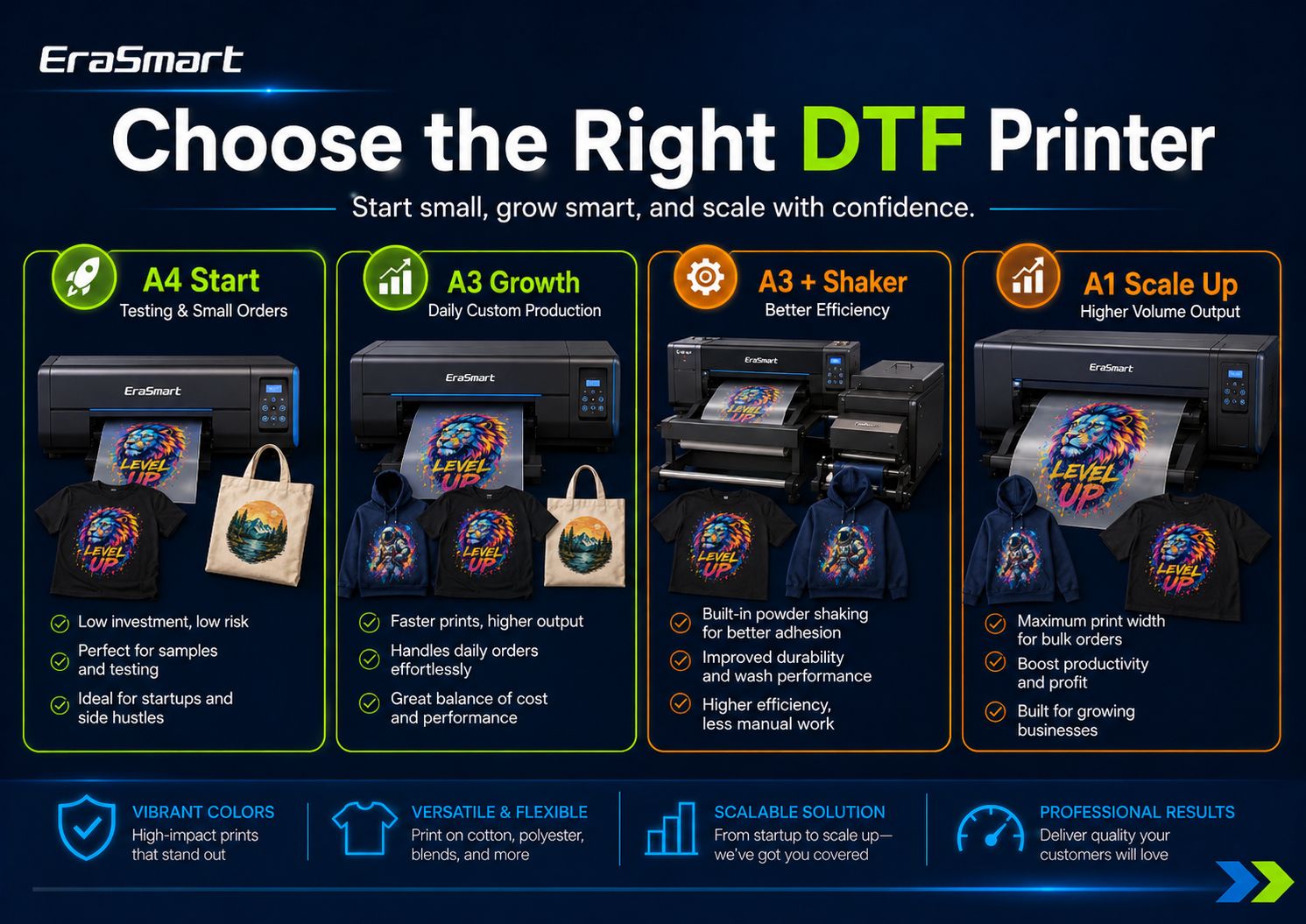
Do not choose a printer only by price. Choose based on your product type, daily volume, print width, printhead level, workspace, and future growth.
A basic path can look like this:
| เวทีธุรกิจ | Suitable Direction |
|---|---|
| Testing products | Compact A4 DTF printer |
| Small online shop | A4L / L1800 / A3 printer |
| Regular small-business production | A3 MAX XP600 |
| Growing daily output | A3 MAX with powder shaker |
| Transfer production or higher volume | A1 wide-format DTF printer |
To compare machine size, print width, printhead configuration, and upgrade path in more detail, start with EraSmart’s วิธีเลือกเครื่องพิมพ์ DTF และ รายการตรวจสอบการซื้อเครื่องพิมพ์ DTF-
White ink maintenance is one of the most important parts of DTF production. Use circulation, stirring, nozzle checks, and proper daily operation habits.
If your production is not daily, maintenance becomes even more important. Idle printers are more likely to develop ink-flow issues, especially in the white ink channel.
Many DTF problems come from poor pressing. Use consistent pressure, temperature, time, and peel method. Test before production.
A stable heat press process improves:
adhesion
wash durability
surface feel
edge stability
customer satisfaction
Ink, film, and powder should work together. Good consumables reduce waste and improve output stability.
If you are building a stable production system, review EraSmart’s คู่มือวัสดุสิ้นเปลือง DTF before mixing films, powders, and inks from different suppliers.
For better hand feel and breathability, avoid overly large solid blocks when possible. Use smarter design layouts and negative space.
Good DTF artwork is not only about visual design. It also affects garment comfort, ink usage, transfer feel, and customer satisfaction.
Before accepting customer orders on a new fabric, film, powder, or design style, test:
print quality
pressing result
stretch behavior
wash performance
hand feel
color accuracy
adhesion stability
Testing reduces returns and helps you set realistic customer expectations.
DTF is easier than some traditional methods, but it still needs correct operation. Training reduces mistakes, waste, and downtime.
For ongoing production stability, pair operator training with routine maintenance from EraSmart’s DTF Printer Maintenance Guide-
DTF printing is a strong choice for businesses that need:
small-batch production
one-off custom apparel
full-color artwork
dark garment printing
mixed fabric compatibility
fast turnaround
online store fulfillment
seasonal designs
personalized clothing
event shirts
hoodies and tote bags
print-on-demand workflow
low-MOQ custom orders
DTF is especially suitable for small businesses that want flexible production without high setup requirements.
If this matches your order structure, you can start comparing equipment options on EraSmart’s เครื่องพิมพ์ DTF category page.
DTF may not be the best first choice if your business mainly needs:
very large repeat orders with simple artwork
ultra-soft print feel on large solid designs
minimum maintenance operation
no daily printer care
exact color matching without testing
production without trained operators
the lowest possible cost per unit at massive volume
In these cases, another method such as screen printing may be better for some jobs, or DTF may need to be combined with other production methods.

For most new and growing apparel businesses, DTF is a practical starting point because it supports more order types with less setup complexity.
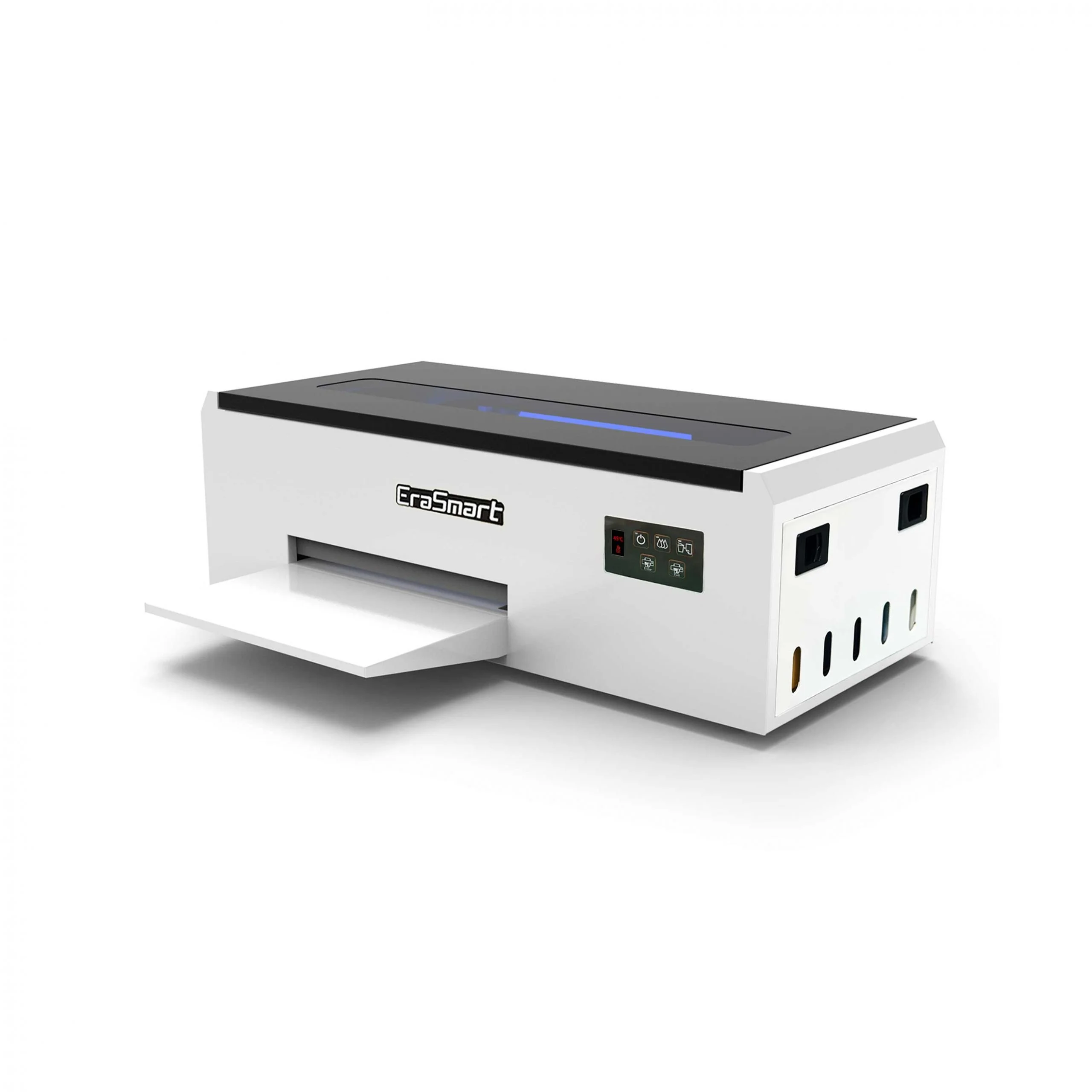
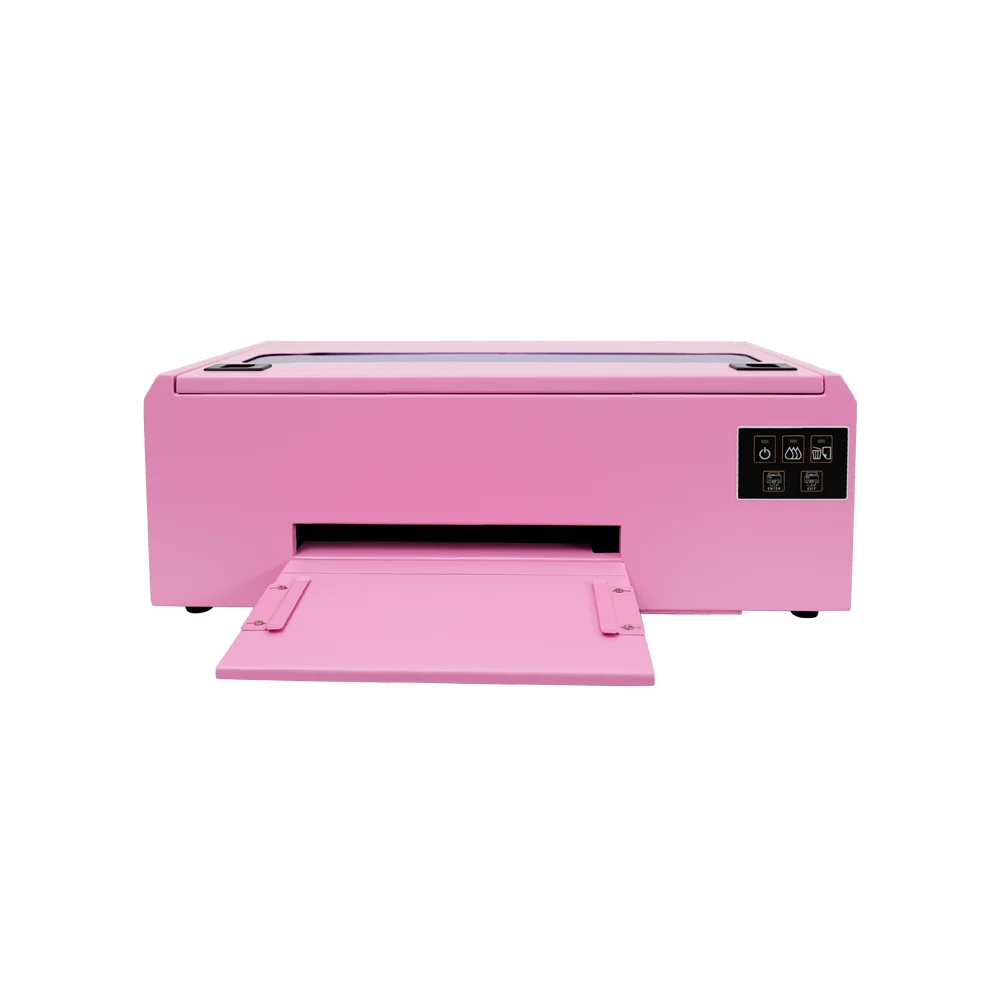
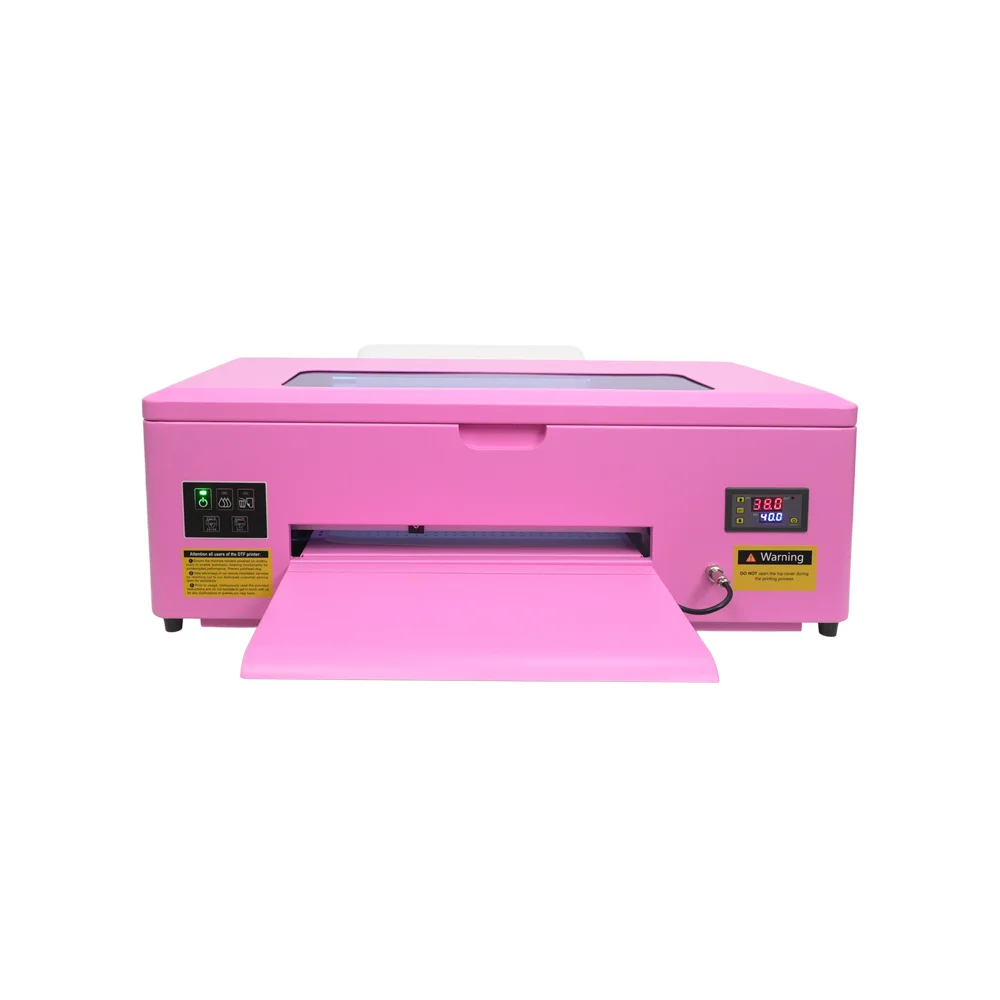
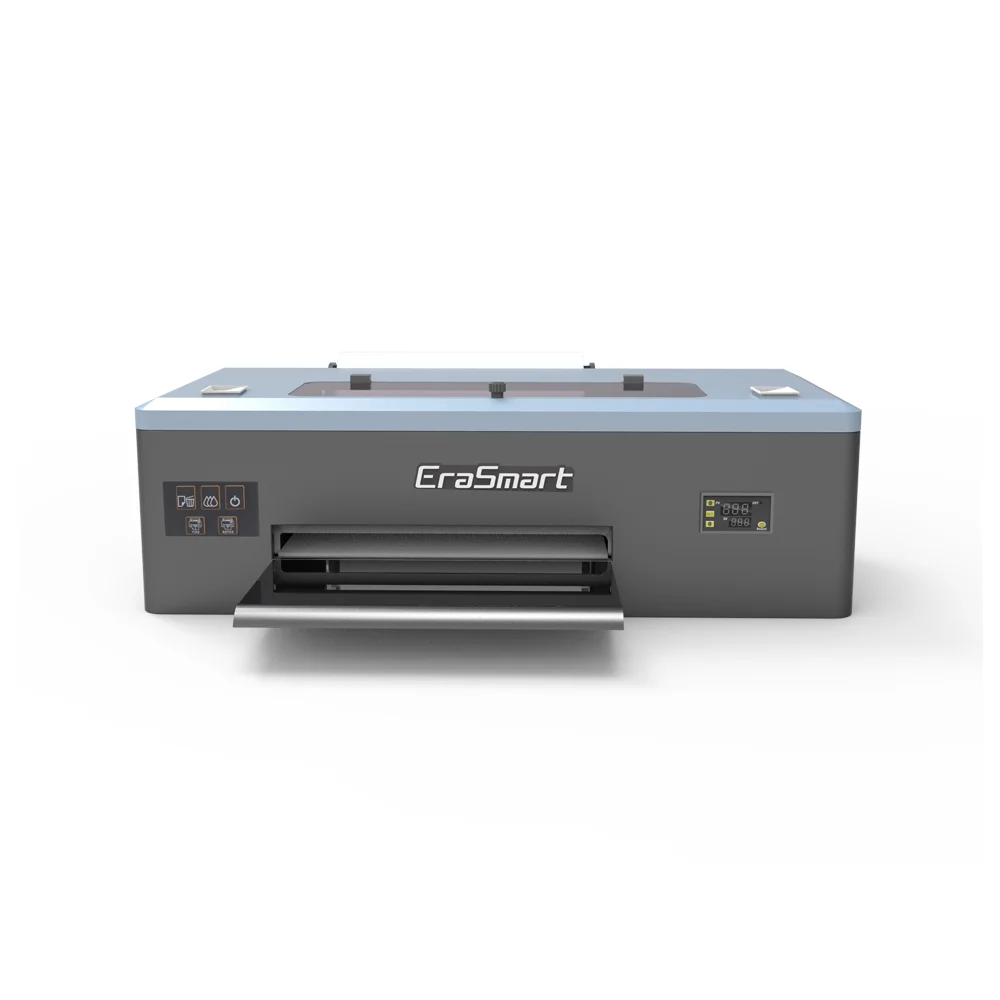
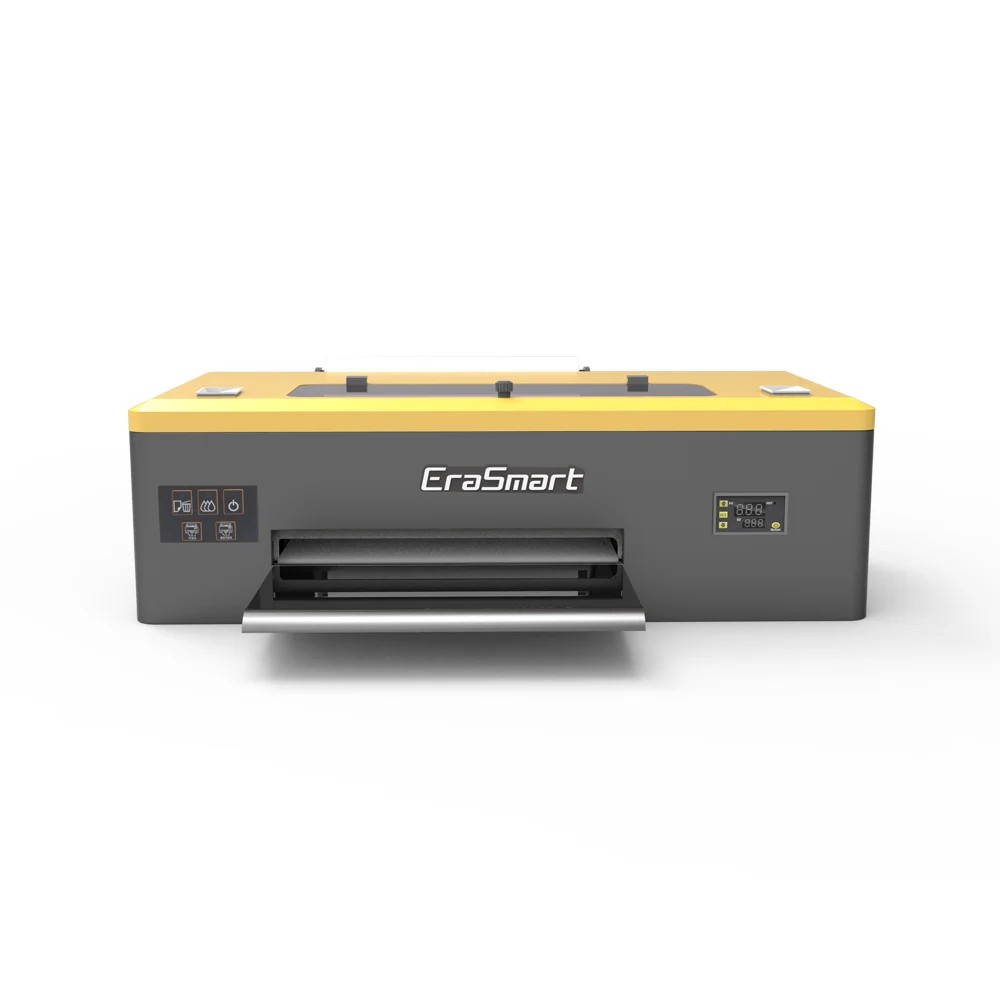
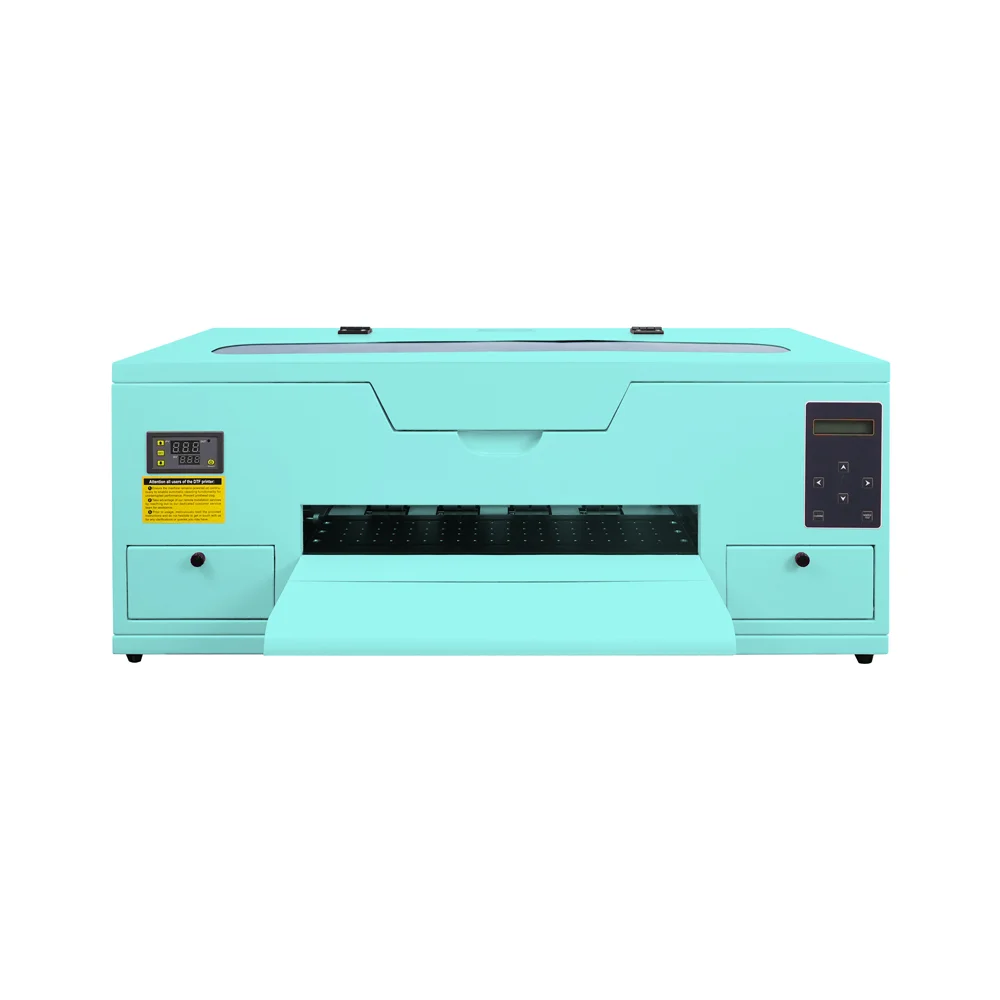
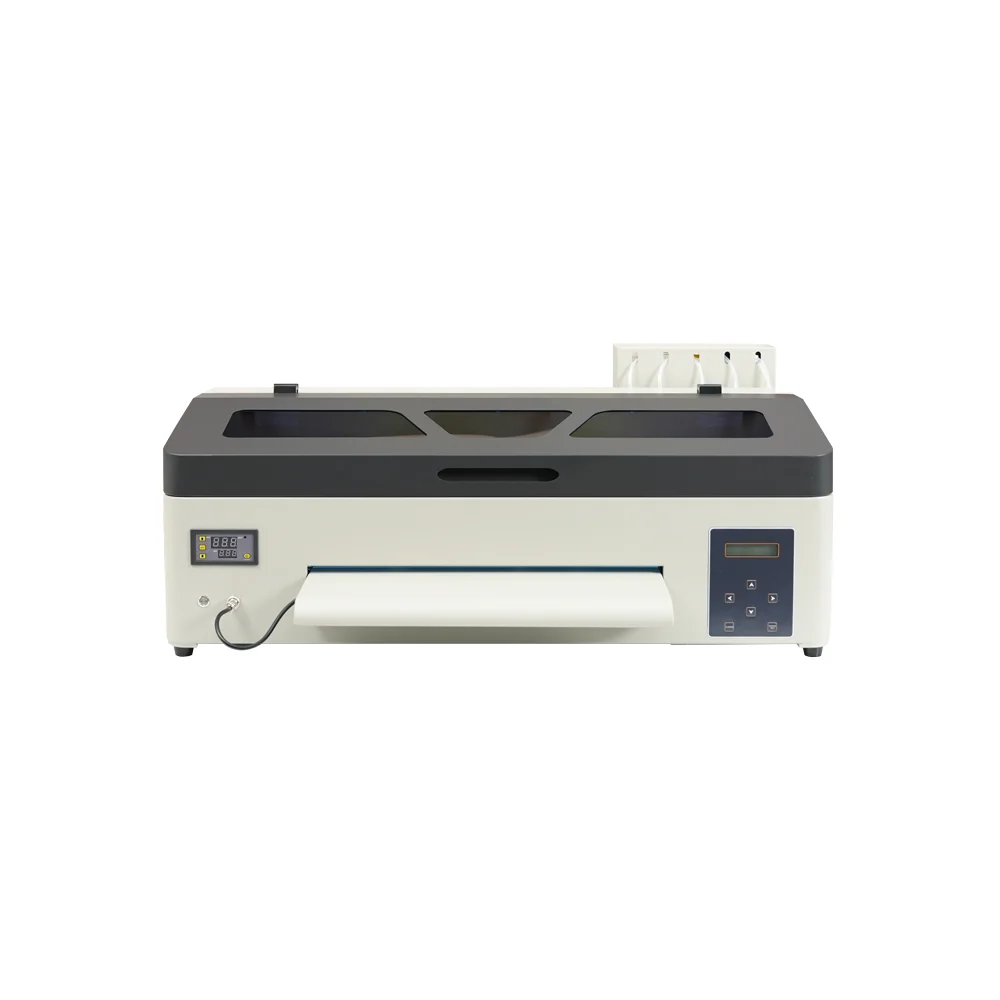
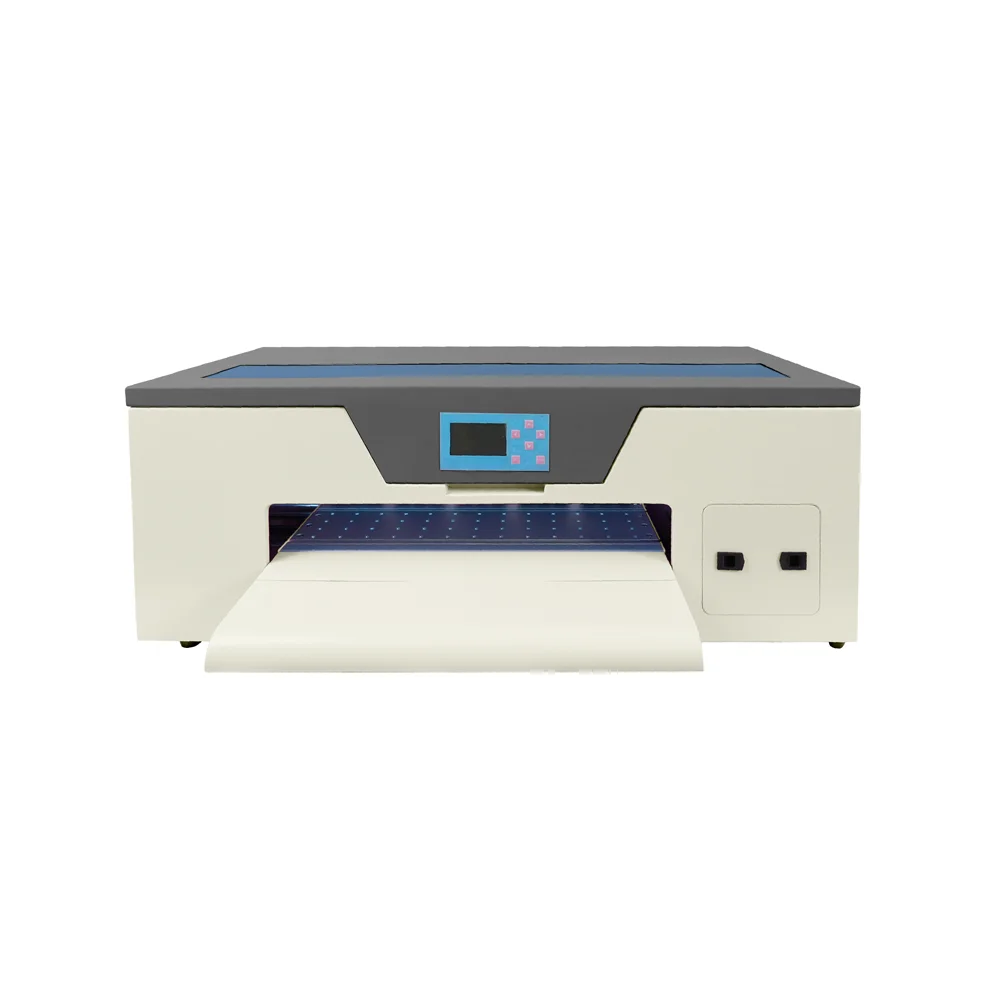
EraSmart จัดให้ เครื่องพิมพ์ DTF options for different production stages:
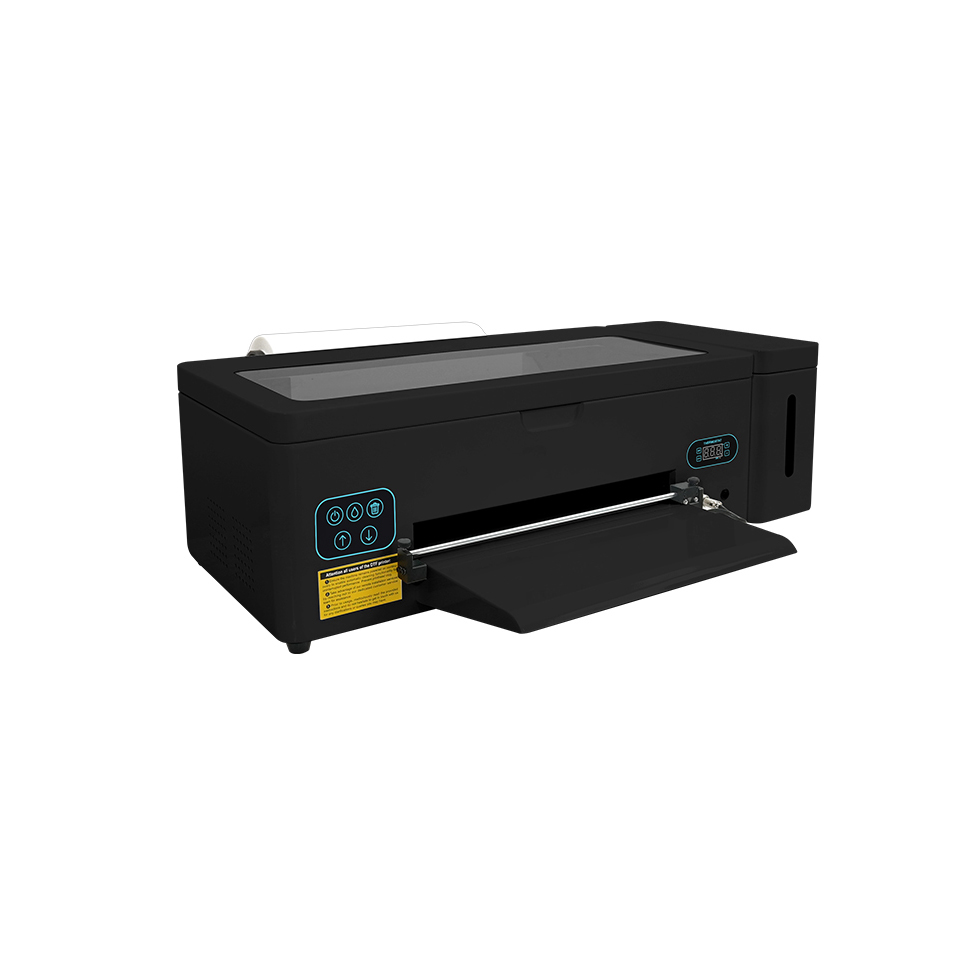
เครื่องพิมพ์ A4 DTF for startups and small-batch testing
เครื่องพิมพ์ A4L DTF for daily small-scale production
Single L1800 / A3 models for small studios and online shops
A3 MAX XP600 for growing custom apparel businesses
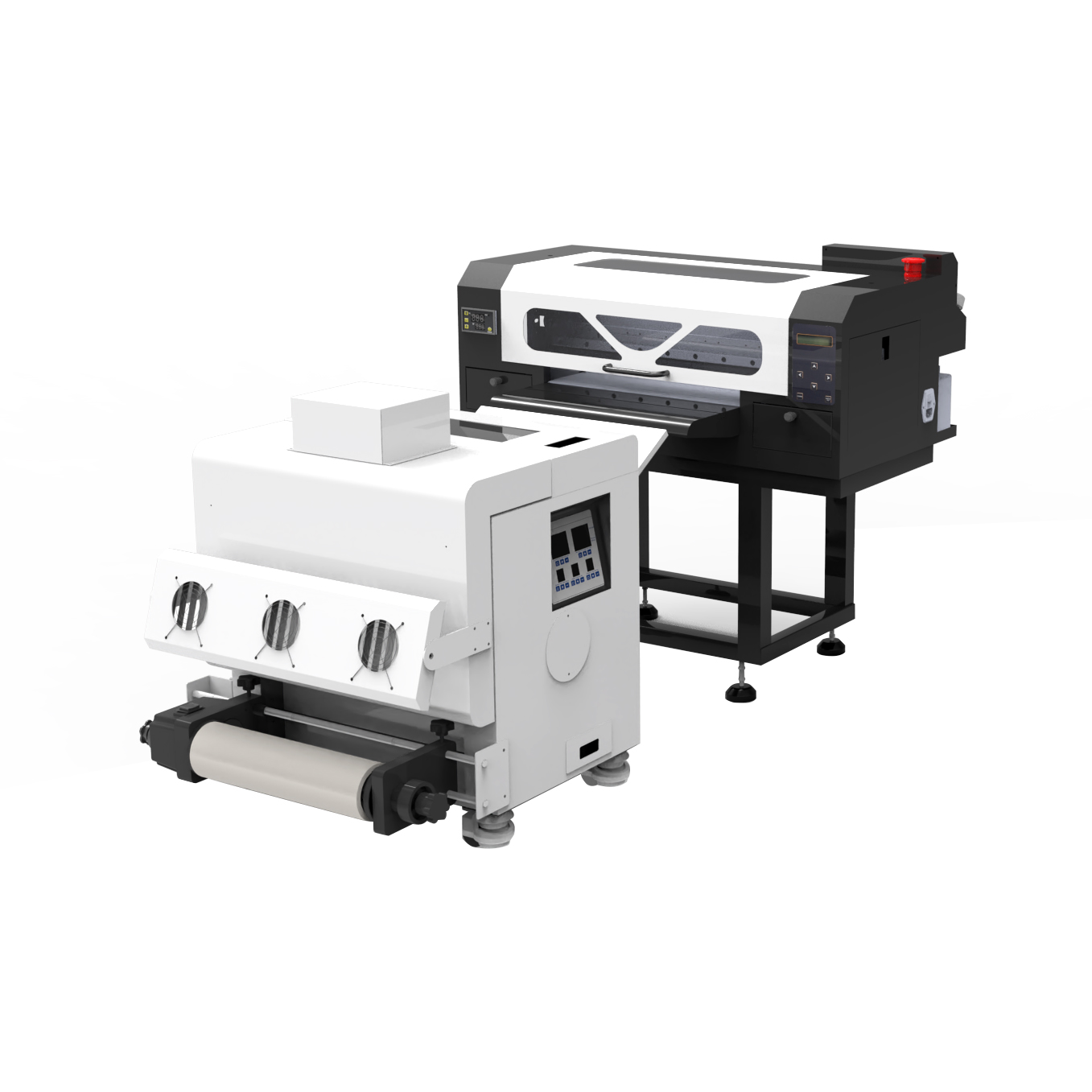
A3 MAX XP600 with Powder Shaker for higher workflow efficiency
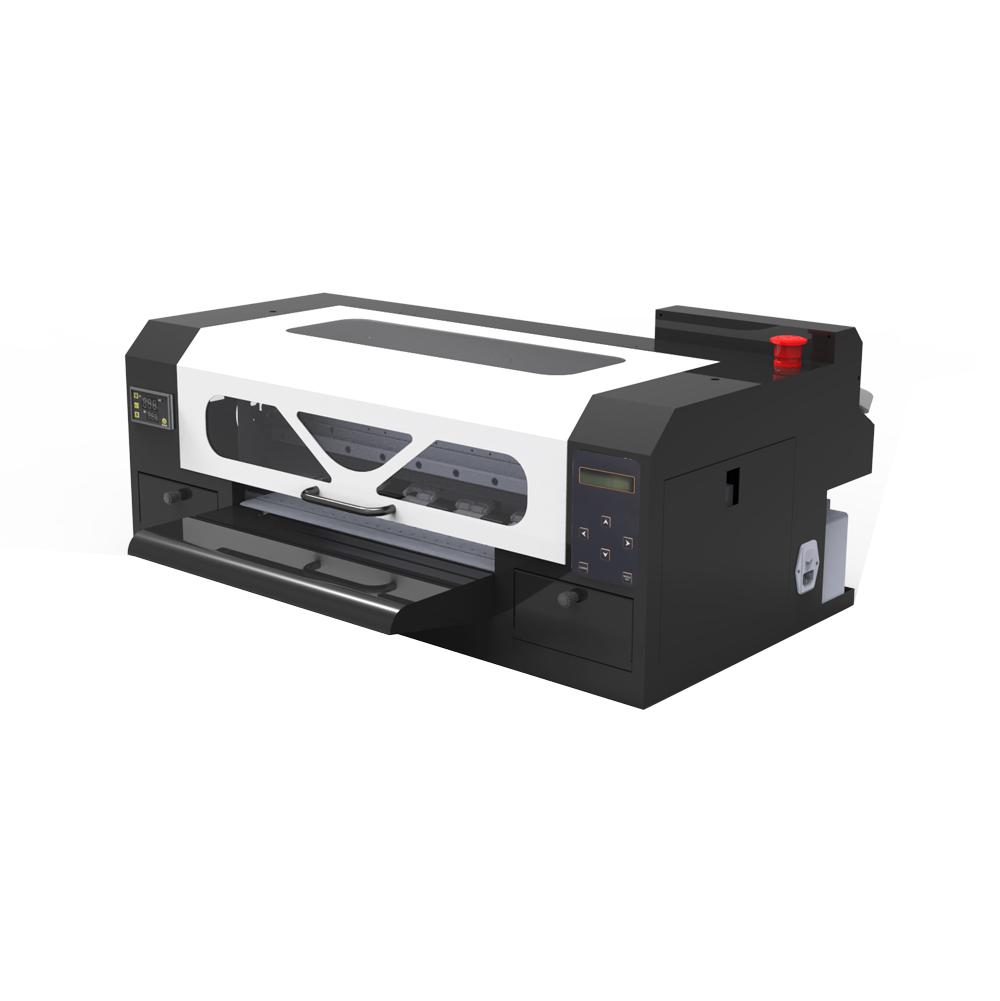
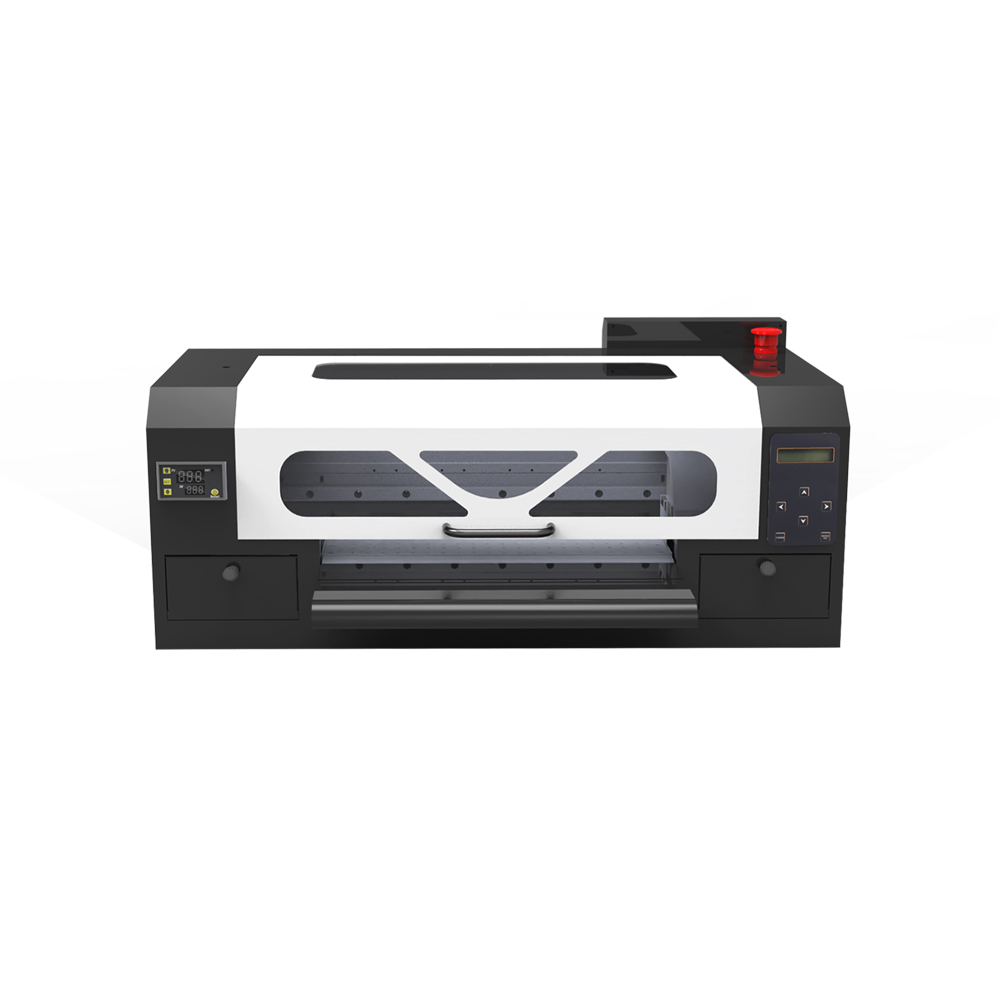
A1 DTF Printers for wider-format and higher-volume production
The best machine is not always the largest one. The right machine is the one that matches your current order volume while giving you a realistic upgrade path.
For buyers still at the comparison stage, EraSmart’s รายการตรวจสอบการซื้อเครื่องพิมพ์ DTF is a practical resource before making a purchase decision.
โซลูชันพร้อมการผลิตที่ออกแบบมาสำหรับร้านค้าที่ต้องการปริมาณงานที่สูงขึ้นและขั้นตอนการทำงานอัตโนมัติมากขึ้น
ตัวเลือกที่เป็นประโยชน์สำหรับสตาร์ทอัพและสตูดิโอขนาดเล็กที่ต้องการผลงานที่เชื่อถือได้โดยไม่ต้องลงทุนมากเกินไป
ประสิทธิภาพที่สมดุลสำหรับโรงพิมพ์ที่ต้องการความเร็ว + เอาต์พุตที่เสถียรในพื้นที่ขนาด A3
ออกแบบมาสำหรับผู้ใช้ที่ให้ความสำคัญกับรายละเอียด การไล่ระดับสีที่ราบรื่น และความรู้สึกในการพิมพ์ระดับพรีเมียม
รุ่น A3 ที่เชื่อถือได้สำหรับผลผลิตรายวันที่มั่นคง เป็นที่นิยมสำหรับขั้นตอนการผลิตในธุรกิจขนาดเล็ก
โมเดลระดับเริ่มต้นขนาดกะทัดรัดเหมาะสำหรับการเริ่มต้นและการผลิตแบทช์ขนาดเล็ก
ปรับปรุงโมเดล A4 พร้อมประสิทธิภาพหมึกที่ดีขึ้นสำหรับการผลิตขนาดเล็กทุกวัน
เครื่องพิมพ์รูปแบบ A3 พร้อมเมนบอร์ด R1390 ที่เชื่อถือได้สำหรับการผลิตขนาดกลาง
รุ่นมาตรฐาน A3 พร้อมถังหมึก 250 มล. สำหรับการทำงานประจำวันที่สอดคล้องกัน
L1800 Print Head Model นำเสนอการทำซ้ำสีที่เหนือกว่าสำหรับการออกแบบโดยละเอียด
ซีรีย์ A3 Max พร้อมหัวพิมพ์ XP600 เพื่อเพิ่มความเร็วและประสิทธิภาพ
รุ่น A3 ที่มีประสิทธิภาพสูงพร้อมหัวพิมพ์ DX7 สำหรับผลลัพธ์ระดับมืออาชีพ
รุ่น A3 ที่มีประสิทธิภาพสูงพร้อมหัวพิมพ์ XP600 เพื่อผลลัพธ์ระดับมืออาชีพ
Professional Dual Print Head A3 Printer สำหรับการผลิตปริมาณสูง
เครื่องพิมพ์รูปแบบกว้างอุตสาหกรรมพร้อมหัว XP600 คู่ (ความกว้าง 620 มม.)
รุ่นอุตสาหกรรมความเร็วสูงที่มีหัวคู่ I1600 (เอาท์พุท10㎡/h)
เครื่องพิมพ์อุตสาหกรรมพรีเมี่ยมพร้อมหัว I3200 คู่เพื่อผลผลิตสูงสุด
Yes, DTF printing is worth it for businesses that need flexibility, small-batch production, full-color designs, dark garment compatibility, and fast custom order handling.
Its main advantages are fabric versatility, low setup barrier, strong color performance, small-order flexibility, and business scalability.
Its main disadvantages are white ink maintenance, printhead care, possible heavier feel on large designs, color management needs, and workflow sensitivity.
For the best results, treat DTF as a complete production system: printer, ink, film, powder, curing, heat press, maintenance, artwork, and training all matter. EraSmart’s ขั้นตอนการผลิต DTF- คู่มือวัสดุสิ้นเปลือง DTF, และ DTF Printer Maintenance Guide can help you build a more stable workflow before scaling production.
When managed correctly, DTF printing can become one of the most practical and profitable workflows for modern custom apparel businesses.
Need help deciding whether DTF printing is right for your business? Share your target products, fabric types, design style, expected daily order volume, and budget range with EraSmart. Our team can help you choose the right เครื่องพิมพ์ DTF, consumables, powder shaker, heat press workflow, and upgrade path for your apparel business.
เครื่องพิมพ์ UV
เครื่องพิมพ์ DTF
เครื่องพิมพ์ DTG
เครื่องกดความร้อน
เครื่องพิมพ์โฆษณา
เตาอบ DTF
กดร้อน
เครื่องแกะสลัก
การถ่ายเทความร้อนของแก้ว
เครื่องเคลือบ
หมึกพิมพ์
เคสโทรศัพท์มือถือ
ผลิตภัณฑ์แก้ว
ทำความสะอาดของเหลว
ผ้าฝ้าย
whatsapp: +8618566233796
WeChat: +8618566233796
มือถือ: +8618566233796
เว็บ:www.erasmart.com
ร้านค้า:www.erasmartmall.com
วอทส์แอพหาเรา
เพียงแค่ให้รายละเอียดเล็กน้อยและเราจะช่วยให้คุณได้รับใบเสนอราคาด่วน!