
White Ink Clogging Guide
White ink clogging is one of the most common pressure points in DTF printing, but it is rarely a true surprise. In most cases, clogging develops through routine drift: weak daily habits, poor idle planning, unstable room conditions, or delayed response to early warning signs. This guide explains the full picture so you can prevent white ink issues earlier, troubleshoot more logically, and build a more stable DTF workflow over time.
This page helps you understand
Why white ink clogs
How to reduce clogging risk
What to do next
On this page
Why It Happens
Prevention Pillars
Daily Habits
Idle Storage
Environment
Warning Signs
Helpful Features
FAQ
Root Cause
Why White Ink Clogging Happens in DTF Printing
White ink is usually the most maintenance-sensitive part of the DTF system. It demands more active care than the color side of the workflow and responds poorly to neglect, long idle periods, and unstable operating conditions. That is why white ink clogging rarely appears out of nowhere. It usually builds gradually and becomes visible only after the system has already been drifting away from a healthy condition.
In practical terms, clogging risk rises when white ink is not managed daily, when the machine is allowed to sit without a clear downtime plan, when the room becomes harder to control, or when users stop basic maintenance while waiting for support or troubleshooting answers.
Sediment build-up
White ink should never be treated like a passive consumable that can be ignored for days.
Downtime drift
Even a planned production pause can become a clogging trigger if the printer is left carelessly.
Environment pressure
Poor room stability makes the whole white ink workflow harder to keep healthy.
Prevention Framework
The Four Main Pillars of White Ink Clogging Prevention
Daily routine
The strongest anti-clog strategy is still consistent day-to-day maintenance rather than occasional emergency cleaning.
Idle planning
Printers that will not be used for several days should be handled differently from normal end-of-day shutdowns.
Room stability
Humidity, dust, temperature swings, and general room discipline all affect maintenance pressure.
System discipline
Better consumable match, healthier routines, and earlier response to warnings all reduce white ink trouble later.
Daily Habits
Routine Beats Recovery
• Give white ink attention every day
• Verify the printer before production
• End the day intentionally
Daily Habits That Lower Clogging Risk
White ink clogging prevention begins with routine, not with rescue. Shops that handle white ink more deliberately every day usually spend less time fighting unstable output later. A strong daily routine keeps the machine near a healthy working condition instead of letting small drift accumulate for several days before anyone reacts.
The basic logic is simple: confirm the machine is ready before important output begins, do not neglect the white side of the system on quiet days, and do not leave the machine in a careless state at the end of a shift.
Daily priorities
Start with white ink awareness
White ink should be part of the opening routine, not an afterthought.
Verify before live production
A quick readiness check is cheaper than wasting a full batch of film or garments.
Respect shutdown
The safest end-of-day routine is one that makes tomorrow easier, not harder.
Idle Storage
Downtime Needs Its Own Logic
• Long non-use is not neutral
• Waiting for support does not pause white ink risk
• One week of non-use already matters
Why Downtime Is One of the Biggest White Ink Risk Periods
A printer that sits for several days without a clear plan often becomes harder to recover smoothly. White ink is especially sensitive here, which is why longer stops should never be treated like a normal overnight gap. The correct mindset is to prepare the printer intentionally, not to simply stop using it and assume that restart will be normal.
Another common mistake is stopping all maintenance while waiting for a technician or seller reply. That usually makes the physical problem worse, not better. Basic white ink care and reasonable downtime precautions should continue unless support has explicitly instructed otherwise.
Downtime priorities
Plan the stop before it begins
A known pause should change your maintenance mindset immediately.
Keep basic care going
Do not let silence from support become a reason to abandon the machine completely.
Restart carefully
A return from downtime should begin with verification, not urgent customer jobs.
Environment
A Better Room Makes White Ink Easier to Control
White ink clogging is not only a printer-side issue. The room has a major influence on how much maintenance pressure the machine faces. If the environment becomes too dry, too dusty, or too unstable, the printer is forced into a more difficult operating condition and white ink behavior becomes harder to keep predictable.
This is why environment control should be treated as part of the prevention system. A stable room supports more stable daily care, more stable idle storage, and less frustration during restart.
Keep humidity steadier
Large swings often make the whole white ink workflow more difficult to stabilize.
Reduce dust pressure
A dirty room quietly increases print and maintenance stress over time.
Avoid harsh temperature drift
A more stable room usually supports a more predictable daily routine.
Warning Signs
Early Signs That White Ink Trouble May Be Building
White output no longer feels normal
A small change in white behavior often matters more than users first assume.
The printer recovers less easily each day
Extra effort to get “back to normal” often means the workflow is already drifting.
Downtime causes larger changes than before
If short stops already affect behavior more strongly, risk is usually increasing.
You are normalizing repeated small issues
Repeated “minor” white problems are often the early stage of a bigger future interruption.
Helpful Features
Machine Features That Help Reduce White Ink Clogging Risk
Good operator habits matter first, but machine design can still make daily care easier. Features such as white ink circulation, stirring, timed cleaning, and better idle protection all aim to reduce stagnation pressure and keep white ink more active inside the system.
White ink circulation
Useful for keeping the white side of the workflow more active day to day.
White ink stirring
Supports more consistent white behavior when paired with proper routine discipline.
Timed cleaning support
Helps reduce maintenance drift when the printer remains in active service.
Safer idle design
A better resting condition lowers the chance that downtime becomes a bigger recovery problem.
Frequently Asked Questions
-
1. What is a white ink clogging guide supposed to help with?
A good guide should help you understand the full system: causes, prevention habits, downtime planning, warning signs, and where to go for the next deeper troubleshooting step.
-
2. Is white ink clogging mainly a machine problem?
Usually no. It is more often a workflow problem shaped by habits, idle handling, environment, and maintenance discipline.
-
3. Should I stop all maintenance while waiting for technical support?
No. Basic white ink care should continue unless support specifically tells you otherwise, because waiting without maintenance often makes the physical problem worse.
-
4. Why does downtime cause so many white ink issues?
Because long non-use increases stagnation risk. White ink should not be treated as if it can sit unattended without consequences.
EraSmart Printer Series
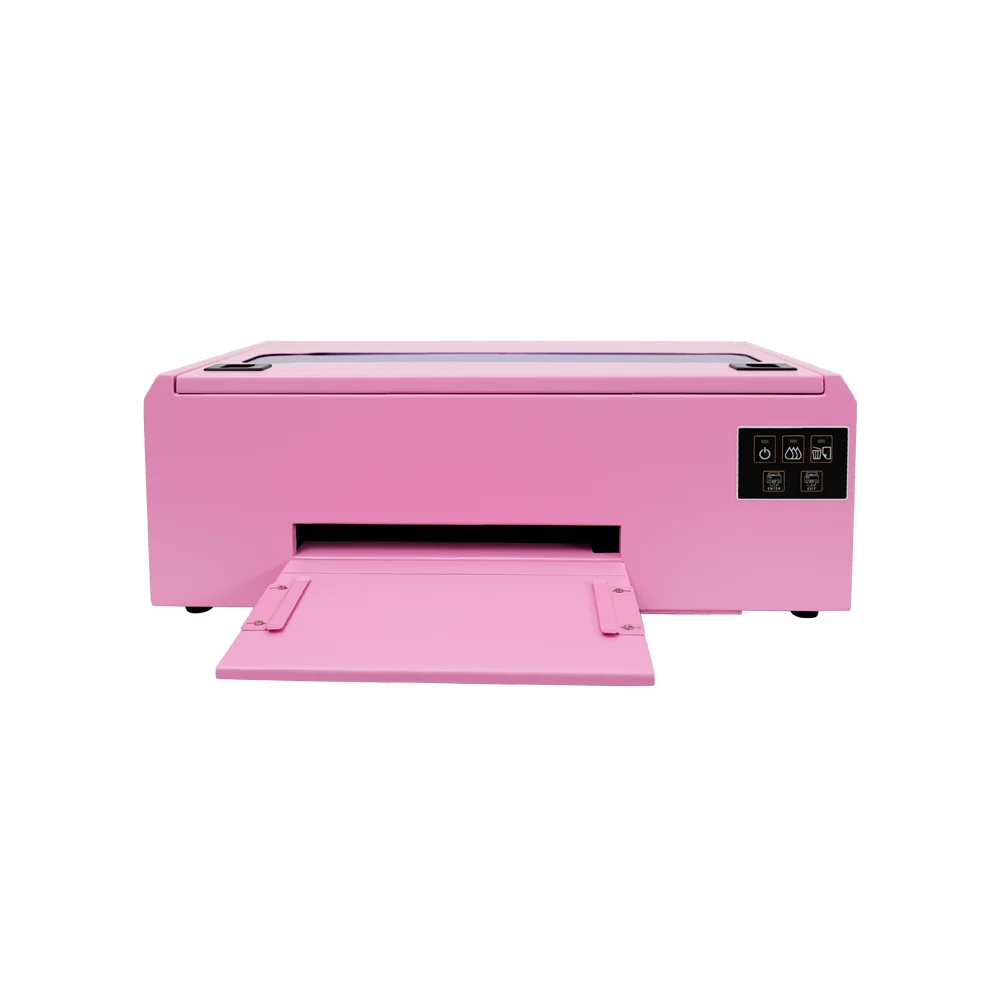
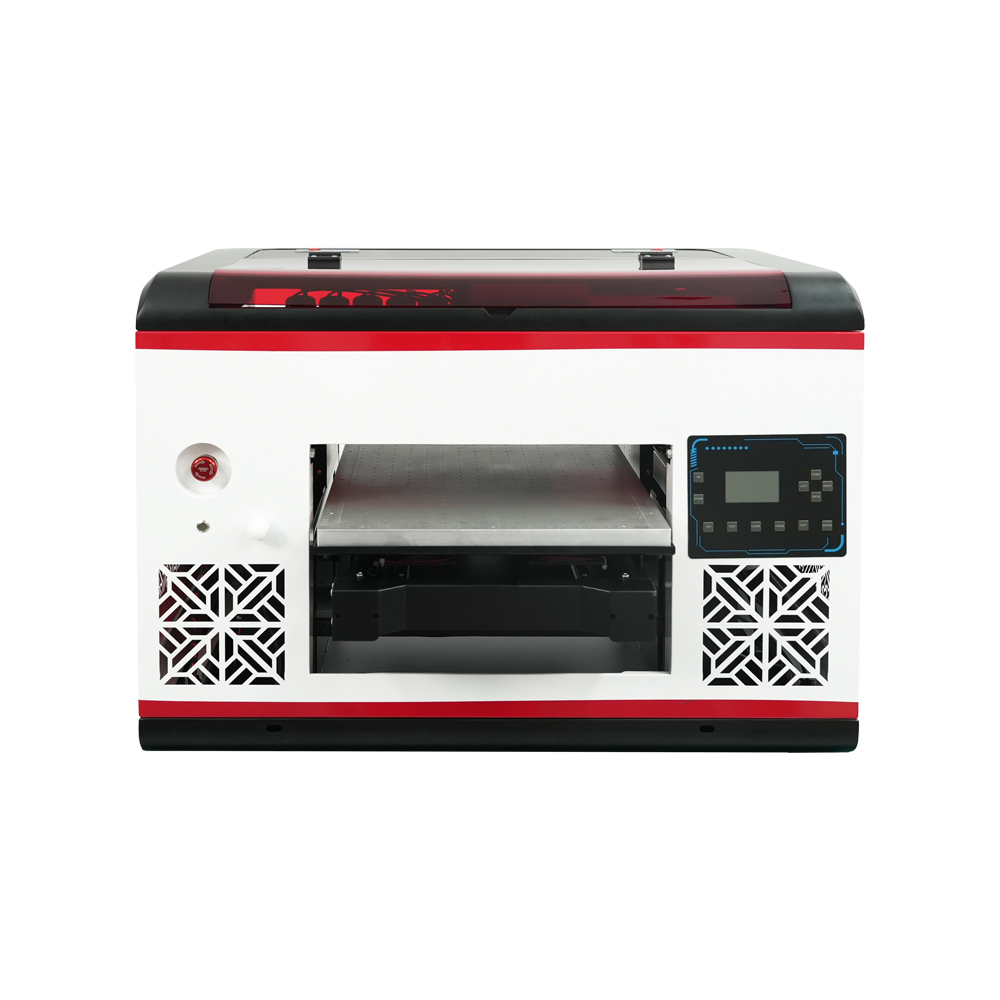
High-quality UV Printers for metal, acrylic, glass, wood & more. Instant curing, vivid 1440dpi prints, versatile for diverse materials.
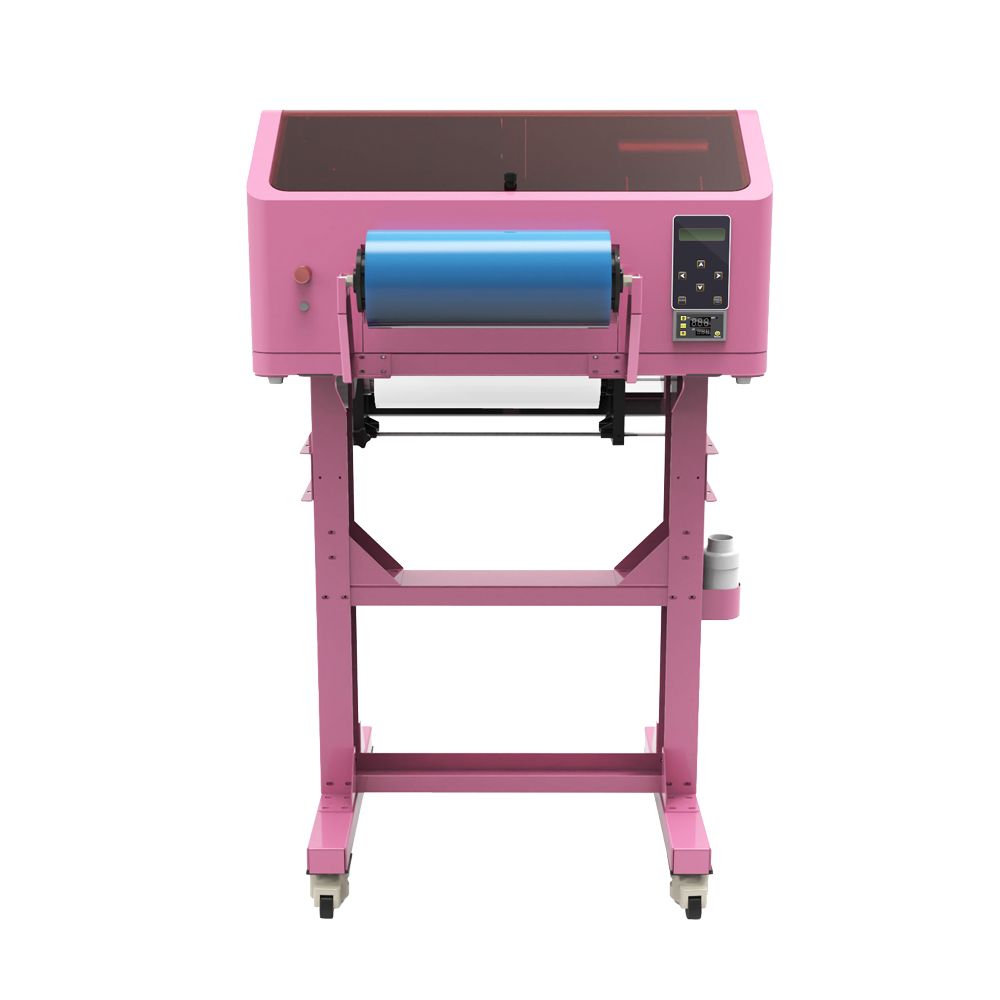
Print vivid, raised decals with **CMYK + White + Varnish** in one pass. No powder. No oven. Peel and stick on flat or curved items in minutes.
Couldn't find a suitable guide? Get Free Technical Support Now!
Just provide a few details and we will help you get quick quotes!
EraSmart Printer
uv printer
DTF printer
DTG printer
Heat press machine
Advertising printer
Printer tools
DTF oven
Hot Press
Carving machine
Mug heat transfer
Laminating machine
Consumables
Printing INK
Cellphone case
Glass product
Cleaning fluid
Cotton swab
Contact Us
WhatsApp:+8618566233796
WeChat: +8618566233796
Mobile: +8618566233796
Web:www.erasmart.com
Shop:www.erasmartmall.com
WhatsApp us
Downlond
Leave you email and send download url to email.
Need Printer Price?
Tell us your printing needs. Our team will reply within 24 hours.
Request A Quote
Just provide a few details and we will help you get quick quotes!