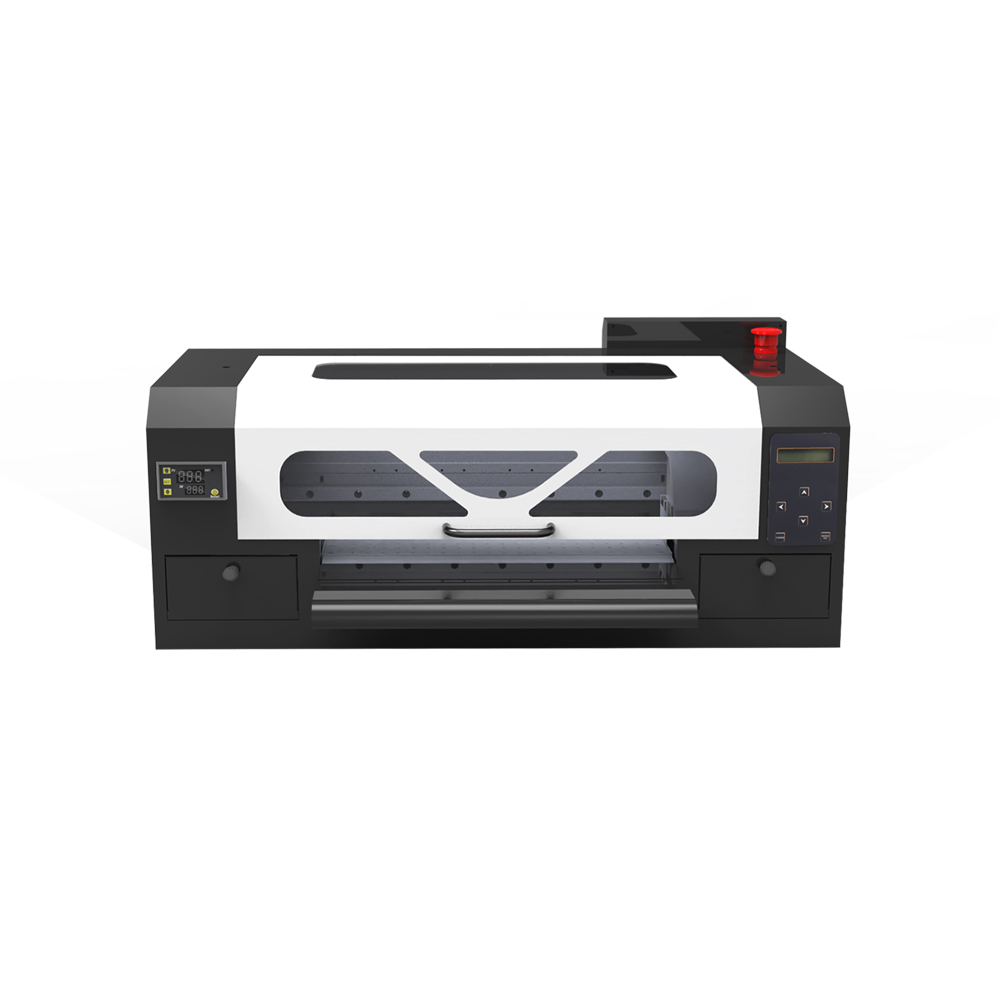
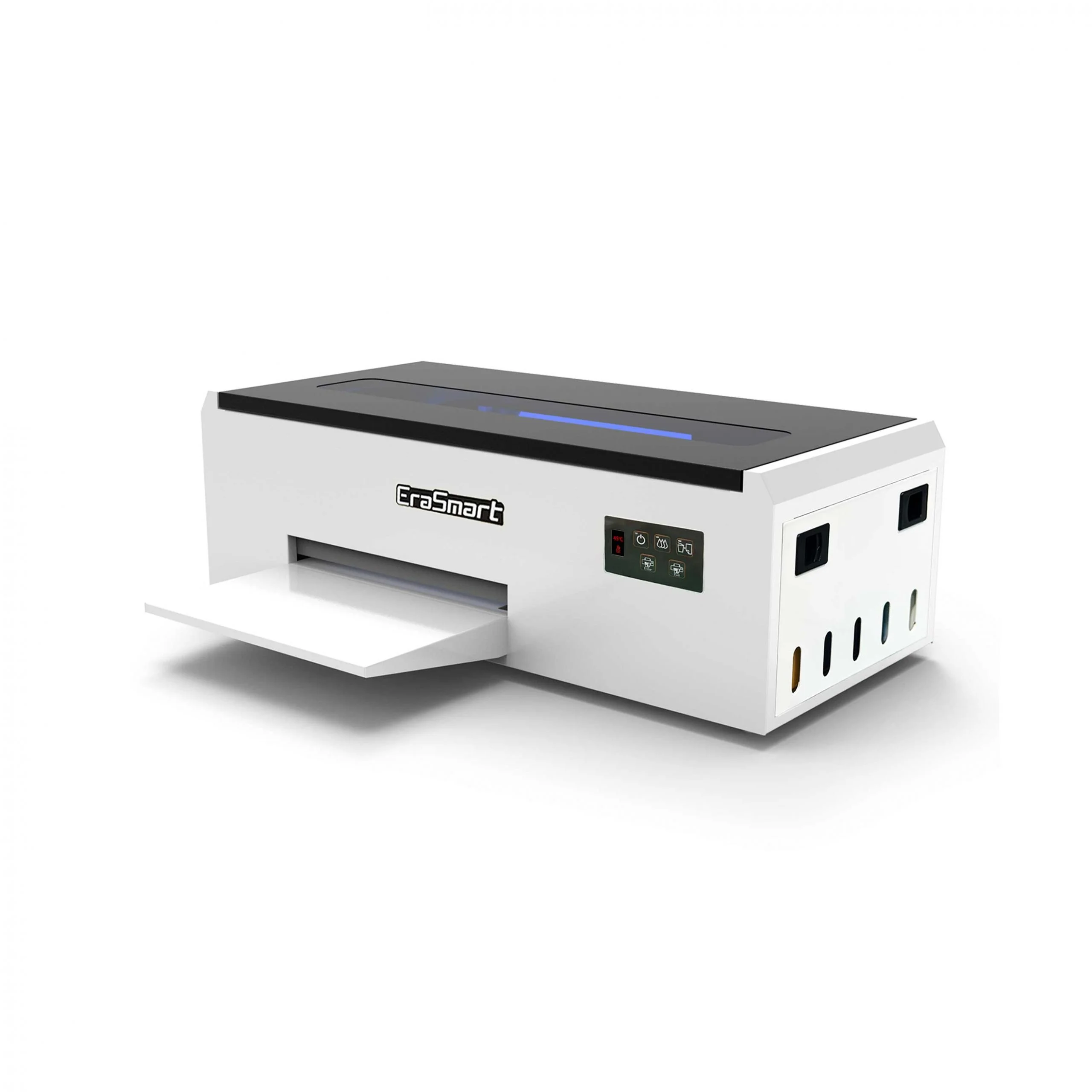
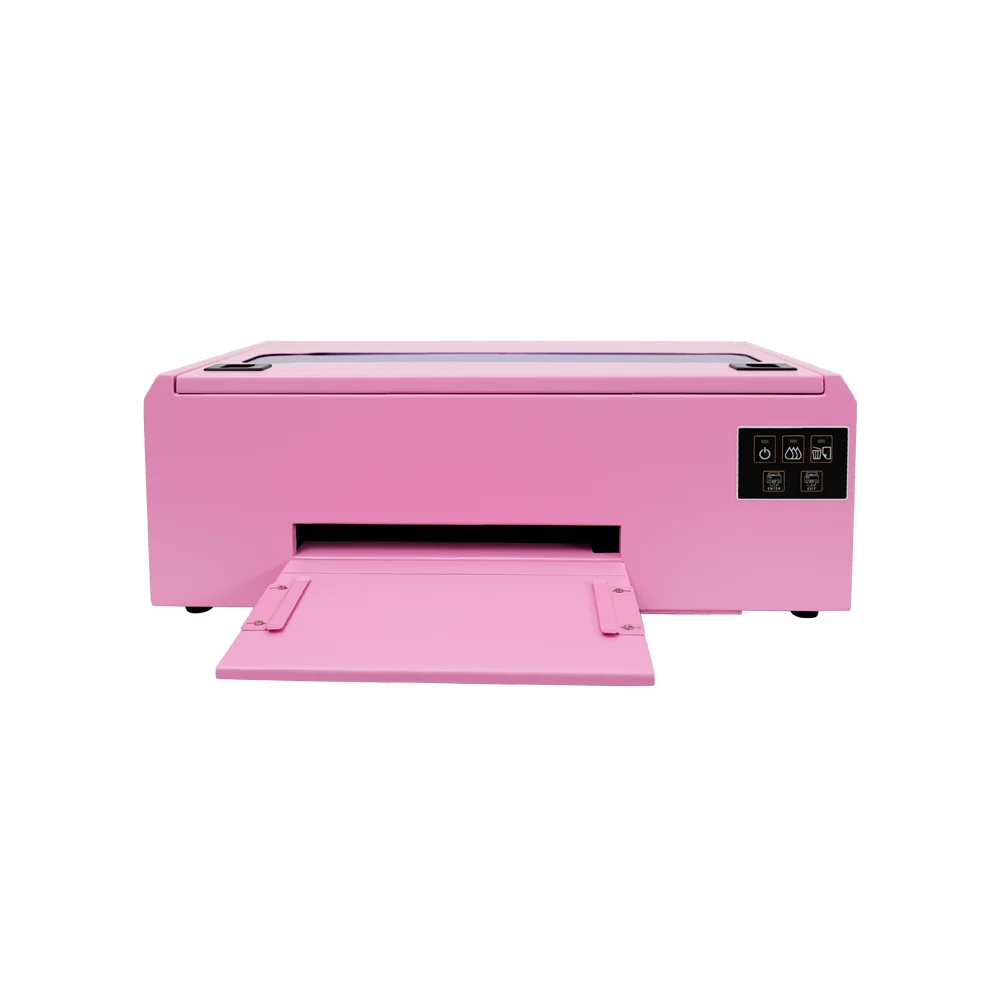
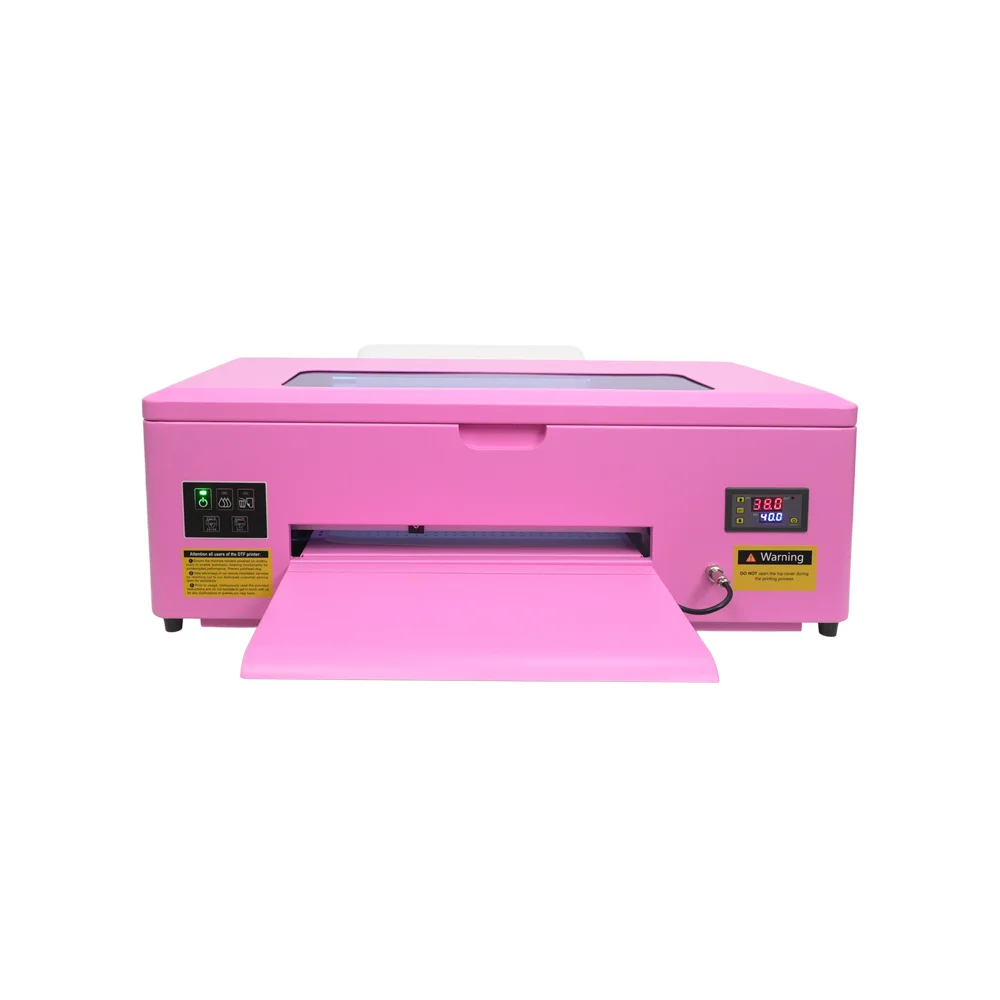
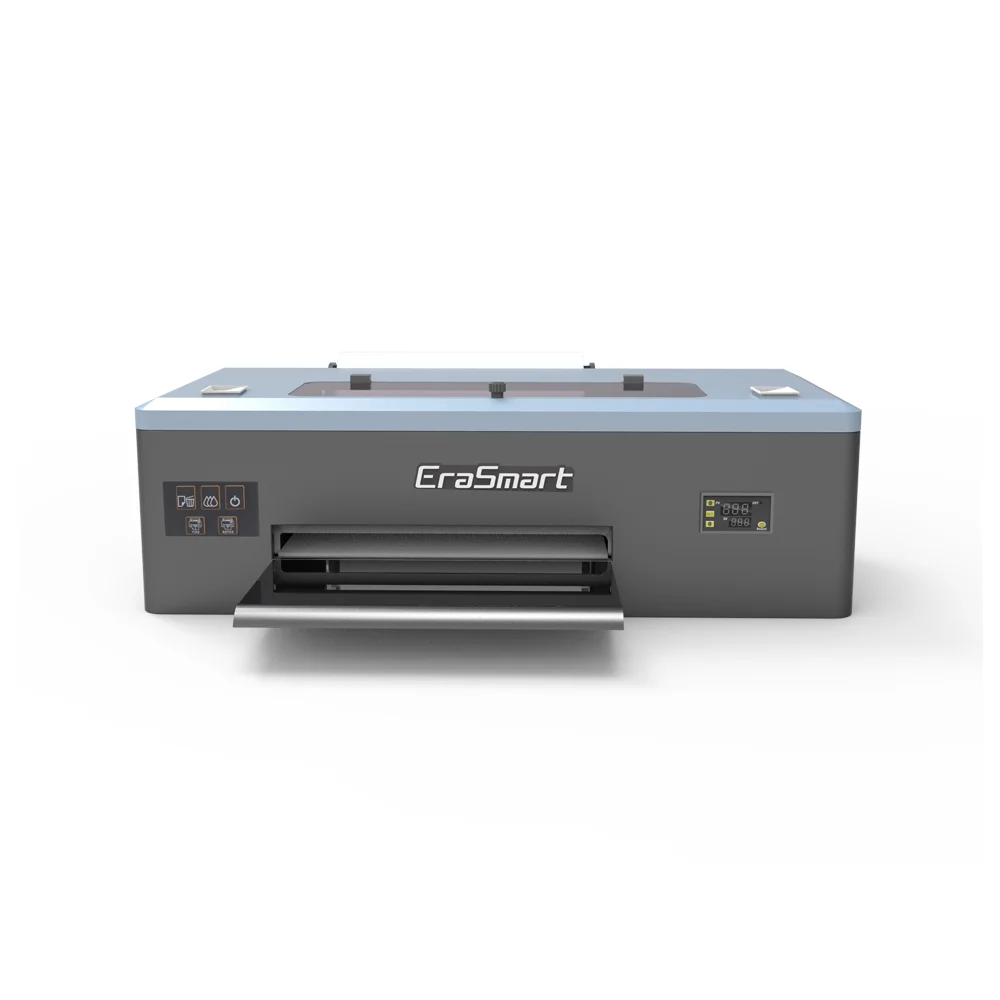
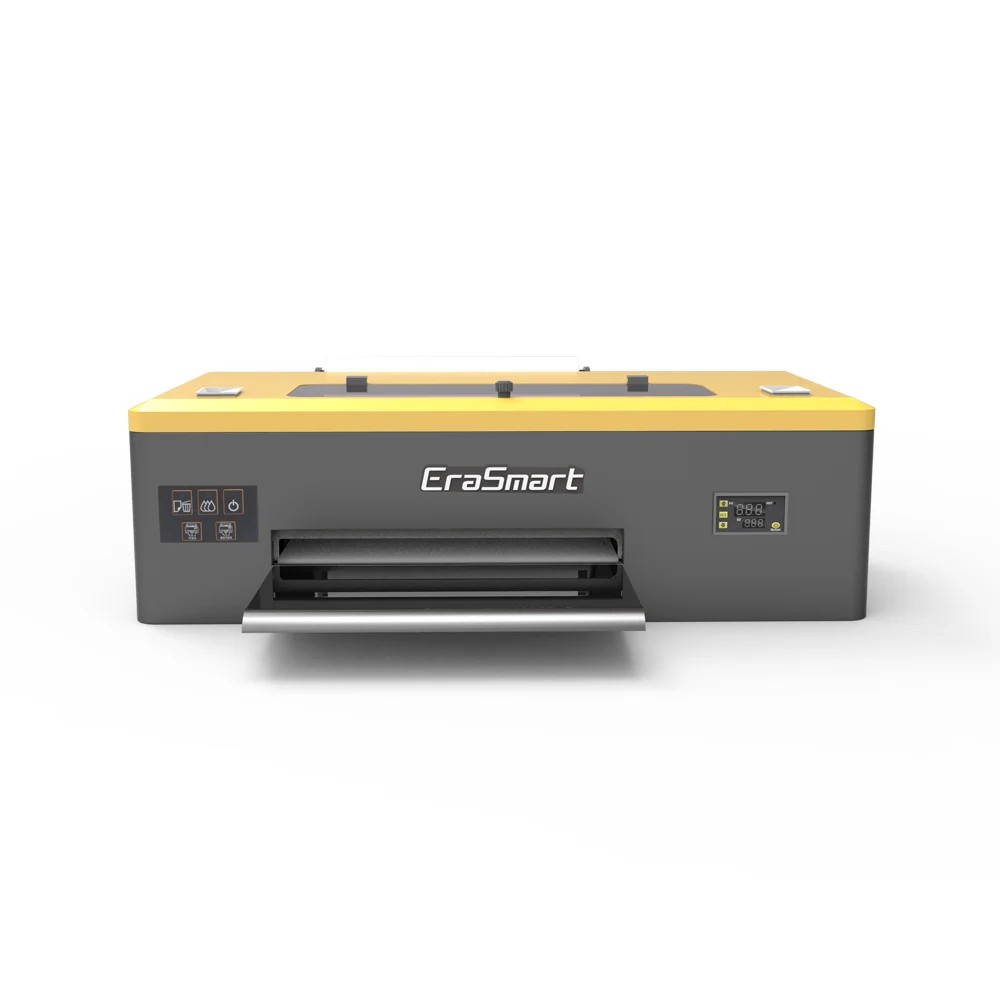
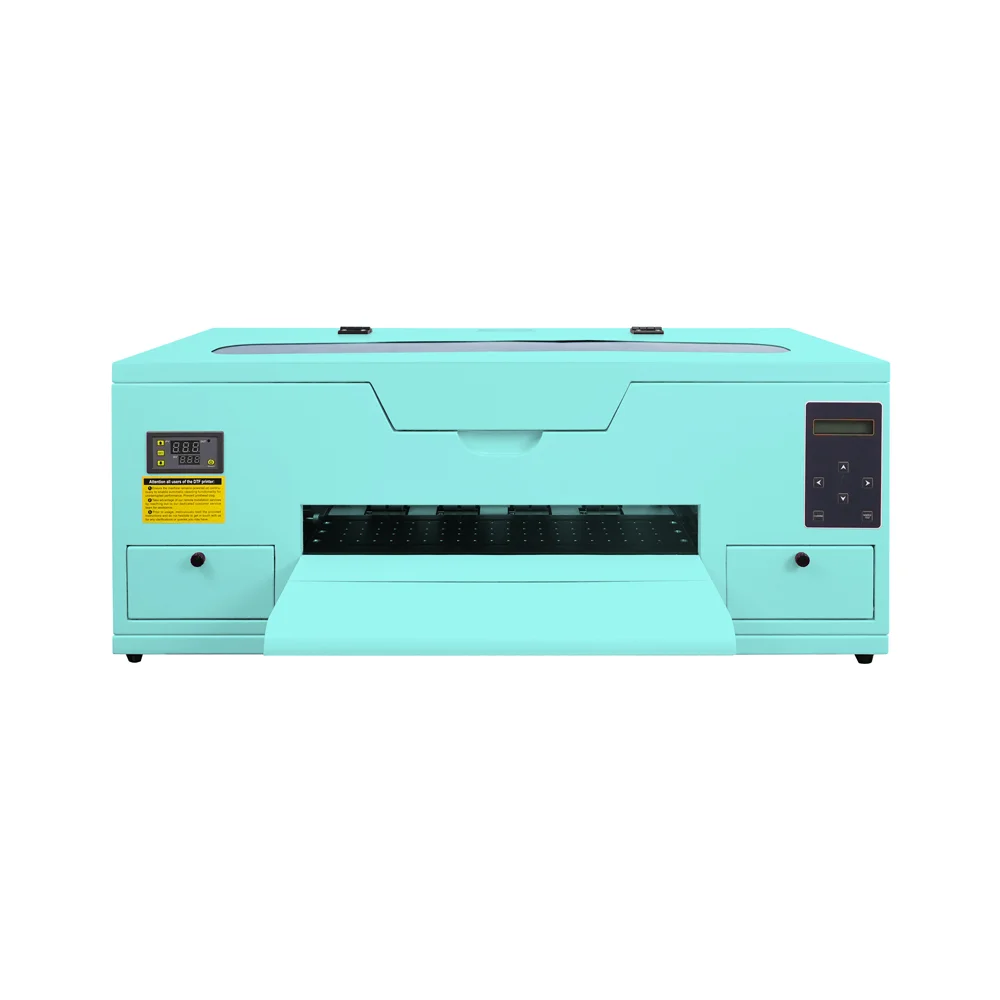
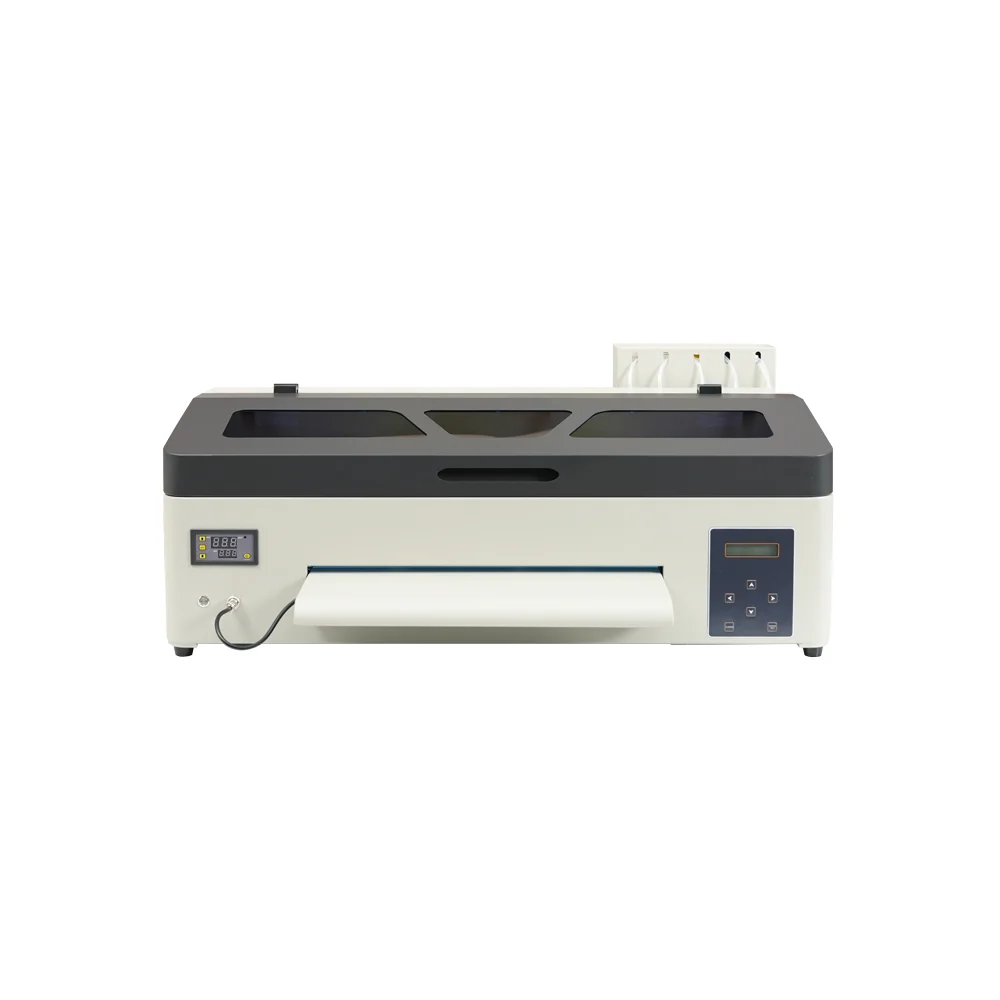
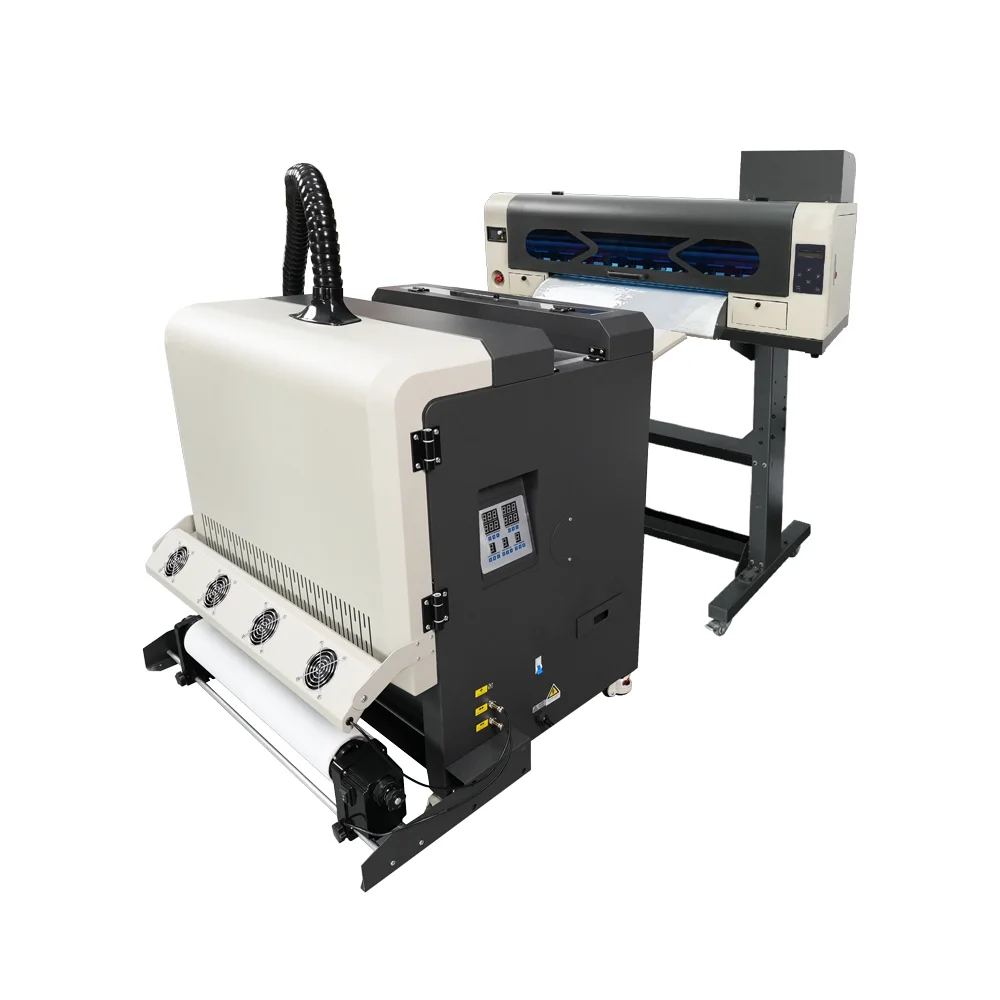
At EraSmart, one of the most common questions from apparel decorators is simple: why does DTF work so well on dark polyester? The short answer is that DTF does not rely on the garment itself to carry the image. Instead, the design is built on PET film first, then transferred to the fabric with adhesive and heat. That change in workflow is what makes DTF so practical for polyester, blends, and dark garments in the same production environment. EraSmart’s DTF lineup is positioned specifically for polyester and dark-colored garments, and our A3 DTF product pages highlight CMYK + White as the reason strong results are possible on both light and dark materials.
Dark polyester is challenging because it combines two separate decoration problems. The first is visibility: dark fabric will dull ordinary color if the print system has no opaque white layer. The second is heat sensitivity and dye migration: polyester dyes can reactivate under heat and move into the decoration layer. STAHLS’ dye-migration handbook explains that garment color and dye migration are different problems. A white backing can block the dark garment color underneath, but the polyester dye itself can still migrate into the transfer when reheated. The same handbook notes that dye migration can happen immediately or even up to 72 hours later.
That distinction matters because it explains why some methods look good at first and then fail later. DTF works on dark polyester because it solves the opacity problem very well, while still requiring the operator to manage the heat and dye-migration problem correctly.
The first major reason DTF works on dark polyester is that the image is not created directly on the shirt. EraSmart’s DTF guides describe the process clearly: the printer deposits CMYK and white inks onto PET film, hot-melt powder is applied and cured, and the finished transfer is then pressed onto the fabric. Because the image is built on film first, the decoration step is less dependent on the fabric chemistry than direct-print methods that must place ink straight into the garment. EraSmart’s DTF printing guide also points out that this film-first workflow reduces process changes when jobs involve dark garments or polyester-related applications.
This is also why DTF is easier to integrate into mixed-order shops. A business can move from cotton to polyester to dark blends without changing the core image-building method. The garment matters at the heat-press stage, but not in the same way it would in a direct-on-fabric workflow.
The second reason DTF works on dark polyester is the white underbase. On dark fabric, color alone is not enough. The design needs an opaque foundation so the garment color does not show through and mute the print. EraSmart’s DTF product pages repeatedly position CMYK + White as the core configuration for strong results on light and dark items, and our category page describes CMYK+WW output as the reason DTF can produce vibrant prints across many fabric colors.
This is the key difference from sublimation on dark polyester. Sublimation is powerful on light polyester because the dye bonds into the fiber, but it has no white ink and therefore cannot create strong opaque graphics on black or dark garments in the same direct way. EraSmart’s own DTF vs. sublimation comparison highlights that DTF supports white ink and works across more garment colors, while sublimation is limited by its color-transparency logic.
DTF also works on dark polyester because the final transfer is not trying to soak color deep into the fabric. Instead, the hot-melt adhesive layer bonds the finished print stack onto the garment surface during pressing. EraSmart’s buyer-focused DTF content explains that DTF is often more versatile on polyester, blends, and performance wear because the transfer bonds on top of the fabric rather than depending on fiber absorption.
Related Read: https://www.erasmart.com/dtg-printer-vs-dtf-printer/
That surface-bonding logic is especially useful on polyester because polyester does not behave like cotton. Cotton is more absorbent and more forgiving for direct ink penetration. Polyester is smoother, less absorbent, and more sensitive to heat-related color shift. A transfer system that creates the image first and then bonds it with adhesive is therefore much easier to control across different polyester garments.
Another reason DTF works well on dark polyester is workflow simplicity. EraSmart’s DTF category page highlights no pretreatment as a core advantage: print, add powder, and press. Our DTF printing guide also contrasts this with other workflows where dark garments and polyester-related applications can introduce extra preparation steps. That matters in production because polyester jobs often become more profitable when the shop does not need to switch into a separate pre-treatment routine just to accept the order.
From a business perspective, this is one of DTF’s strongest advantages. It is not only that DTF can decorate dark polyester. It is that it can do so in a workflow that remains compatible with cotton, blends, canvas, and other garments on the same shop floor. EraSmart positions that broad compatibility clearly across our DTF lineup.
Saying DTF works on dark polyester does not mean every dark polyester garment is equally easy. Polyester dye migration is still real. STAHLS’ handbook explains that polyester dyes can reactivate above 280°F, and once released, those dyes can travel into the decoration layer and discolor it. The same source makes an important distinction: opacity blocks the shirt color, but dye migration comes from the dye itself entering the transfer. Sublimated polyester is especially difficult because the garment has already been heavily dyed with heat-reactive color.
That is why the best professional answer is not “DTF works on dark polyester, so everything is easy.” The better answer is: DTF is one of the strongest decoration methods for dark polyester, but it still requires controlled pressing and garment selection. EraSmart’s buyer guides reflect this by describing DTF as suitable for performance polyester with appropriate settings, rather than pretending every polyester blank behaves identically.
For reliable results, dark polyester needs the right press logic. STAHLS’ guidance recommends lowering application temperature when possible, because polyester dyes release more readily as heat rises. The same guidance also recommends reading garment labels, following application instructions closely, and testing before committing to production.
At the workflow level, EraSmart’s A3 DTF product page recommends keeping humidity at 40–60% RH, temperature at 15–30°C, matching powder grade and peel mode to the film, and finishing the press with a silicone or PTFE sheet for better hand feel and wash performance. Those details matter more on polyester than many beginners expect, because polyester is less forgiving than basic cotton fleece.
In practical shop terms, the safest rule set is:
use a transfer built with a strong white base,
press at the lowest effective time and temperature for your film and powder system,
test unfamiliar dark polyester garments before full production,
and be especially careful with sublimated polyester and heat-sensitive performance wear.
For many print shops, dark polyester is not a niche substrate. It is a daily business category: jerseys, workwear, athleisure, team apparel, and promotional performance garments. EraSmart’s DTF category and model pages position our printers for exactly this mixed-fabric environment, covering polyester, blends, dark garments, and performance-related applications with CMYK+White output and automated maintenance support.
That makes DTF commercially important, not just technically interesting. A shop that can handle dark polyester reliably can accept more jobs, reduce fabric-related quoting hesitation, and serve a broader range of customers without splitting production into too many incompatible workflows. EraSmart’s DTF guides consistently frame DTF as the stronger choice when the job requires mixed fabrics, rapid design turnover, and confidence on varied garments.
Related Read: DTF Printer Guide

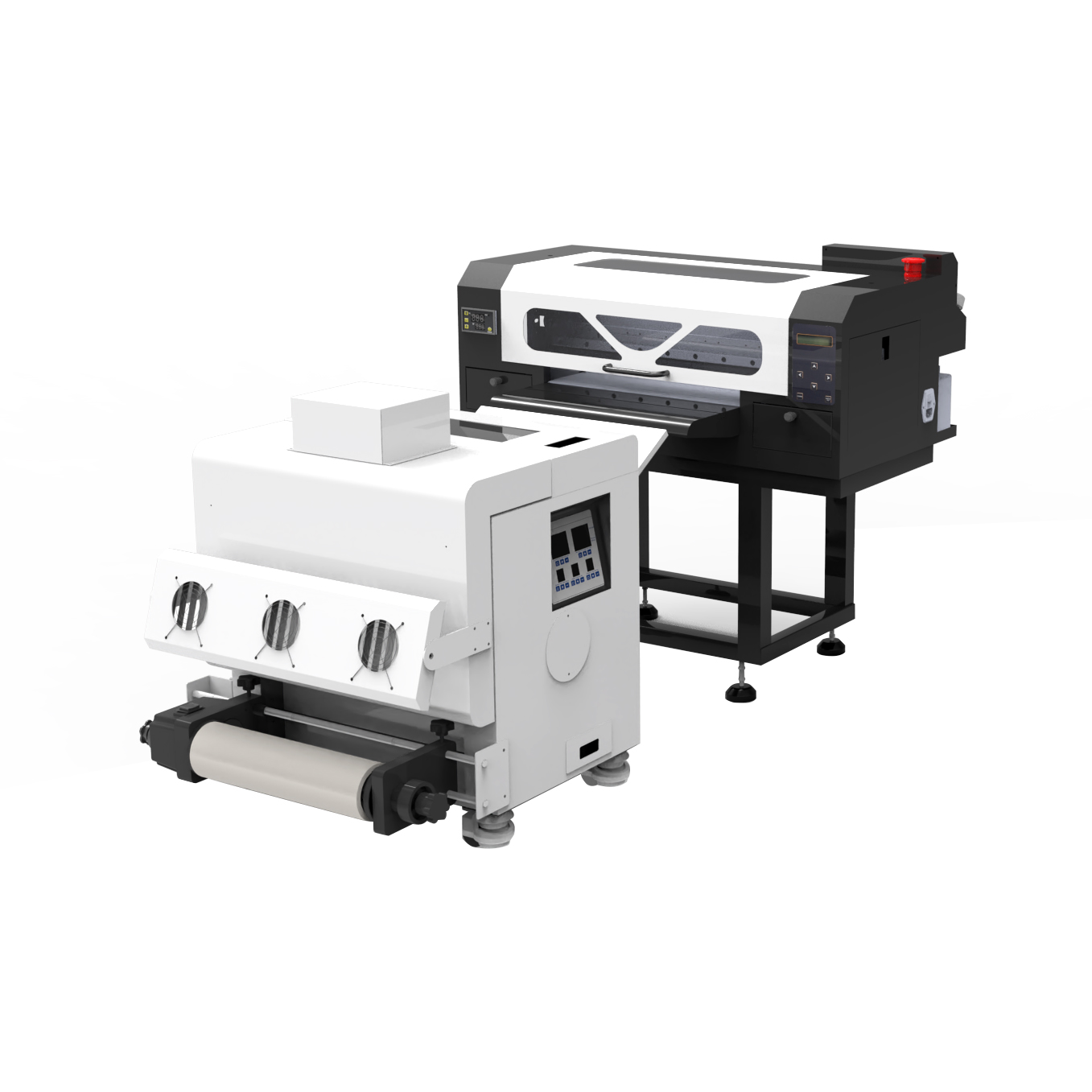
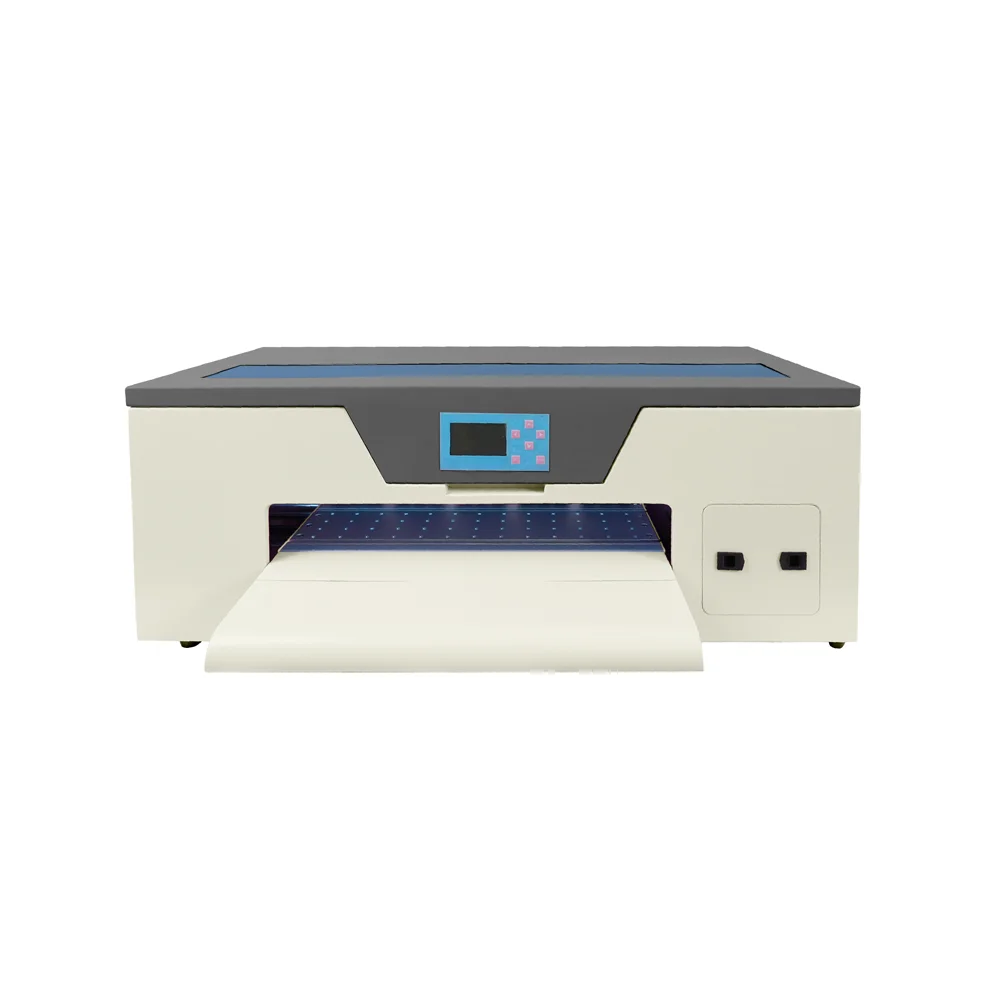
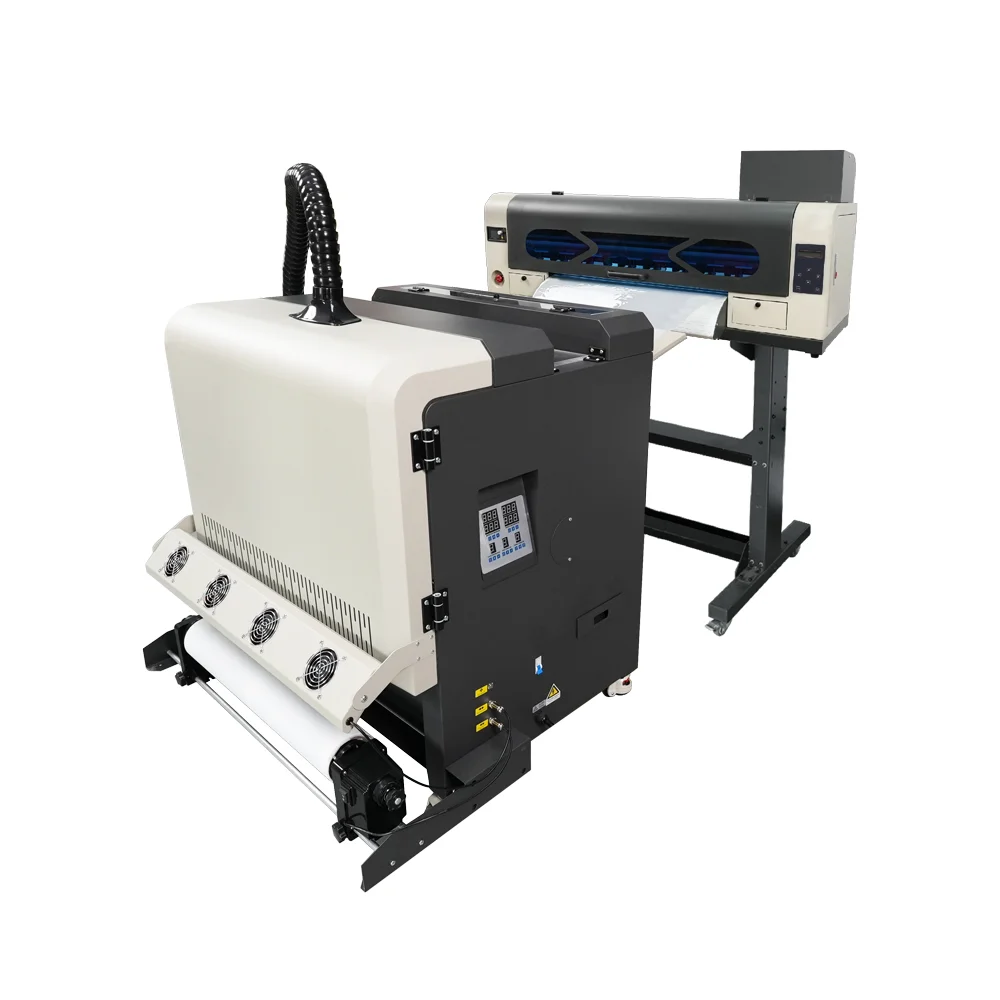
A production-ready solution designed for shops that need higher throughput and a more automated workflow.
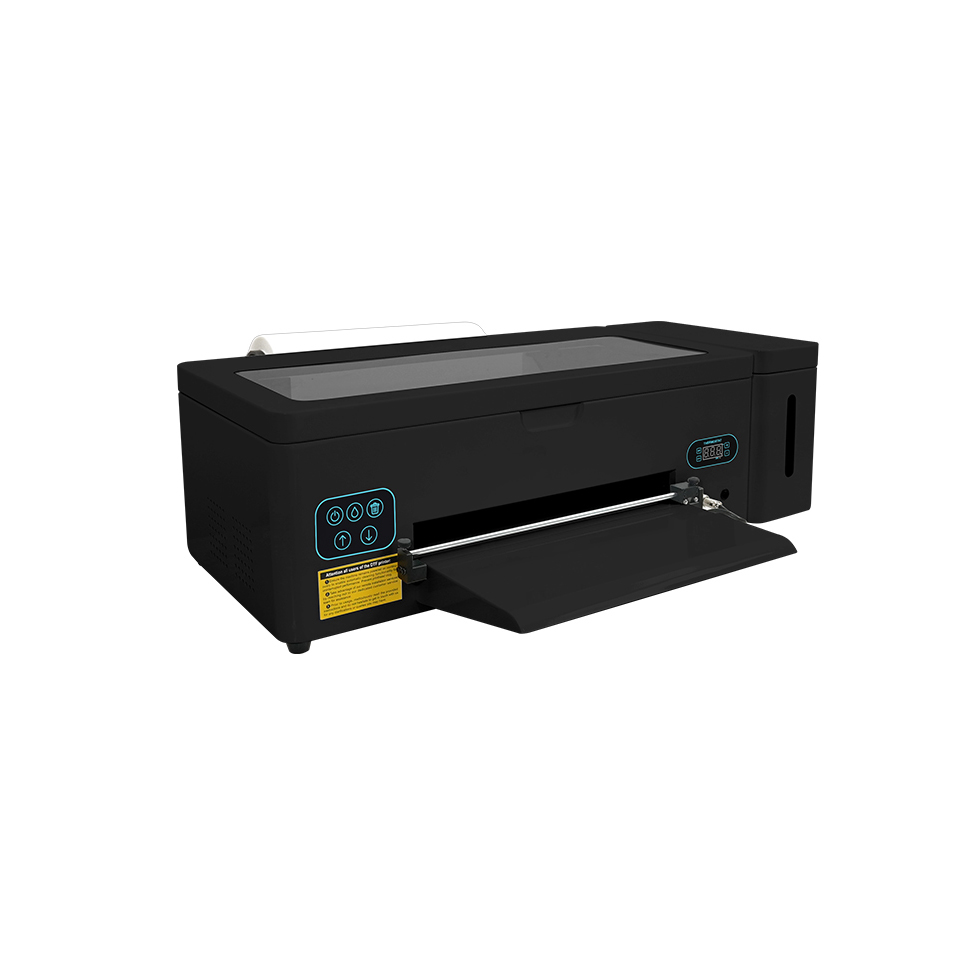
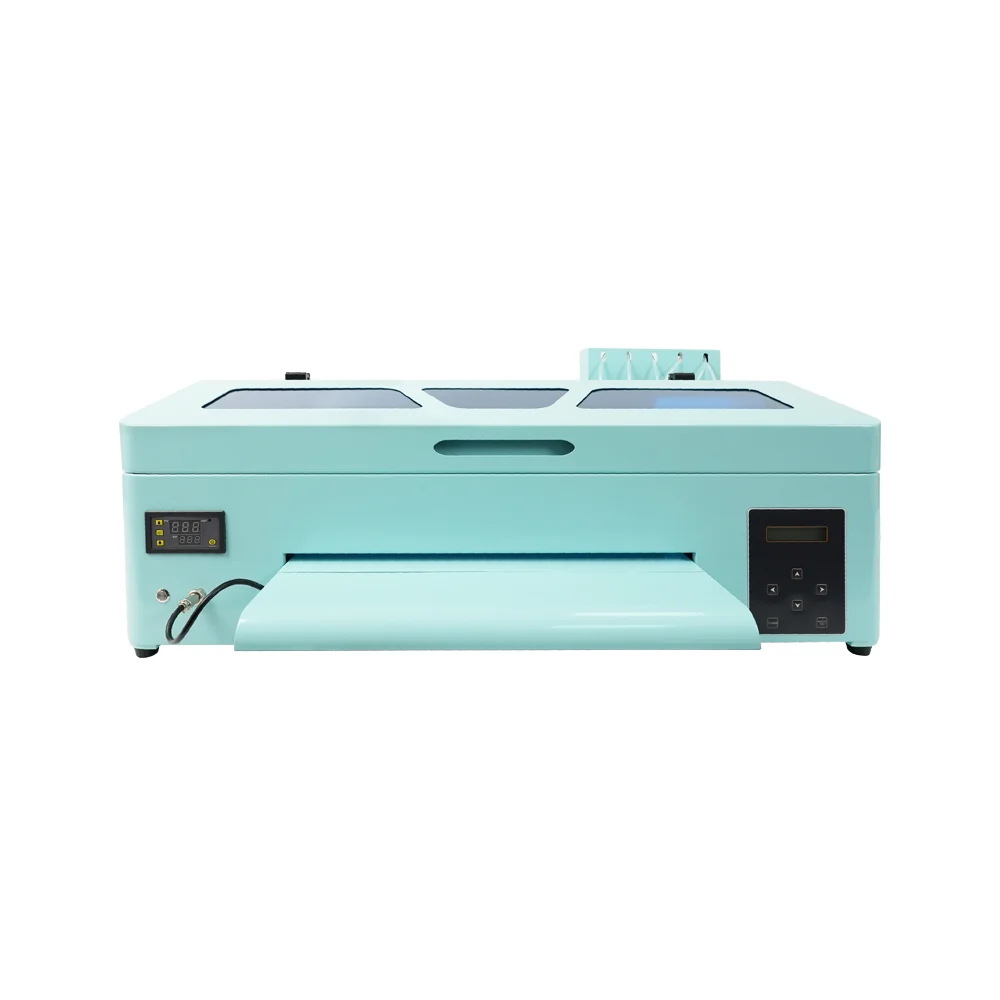
A practical choice for startups and small studios that want reliable output without over-investing.
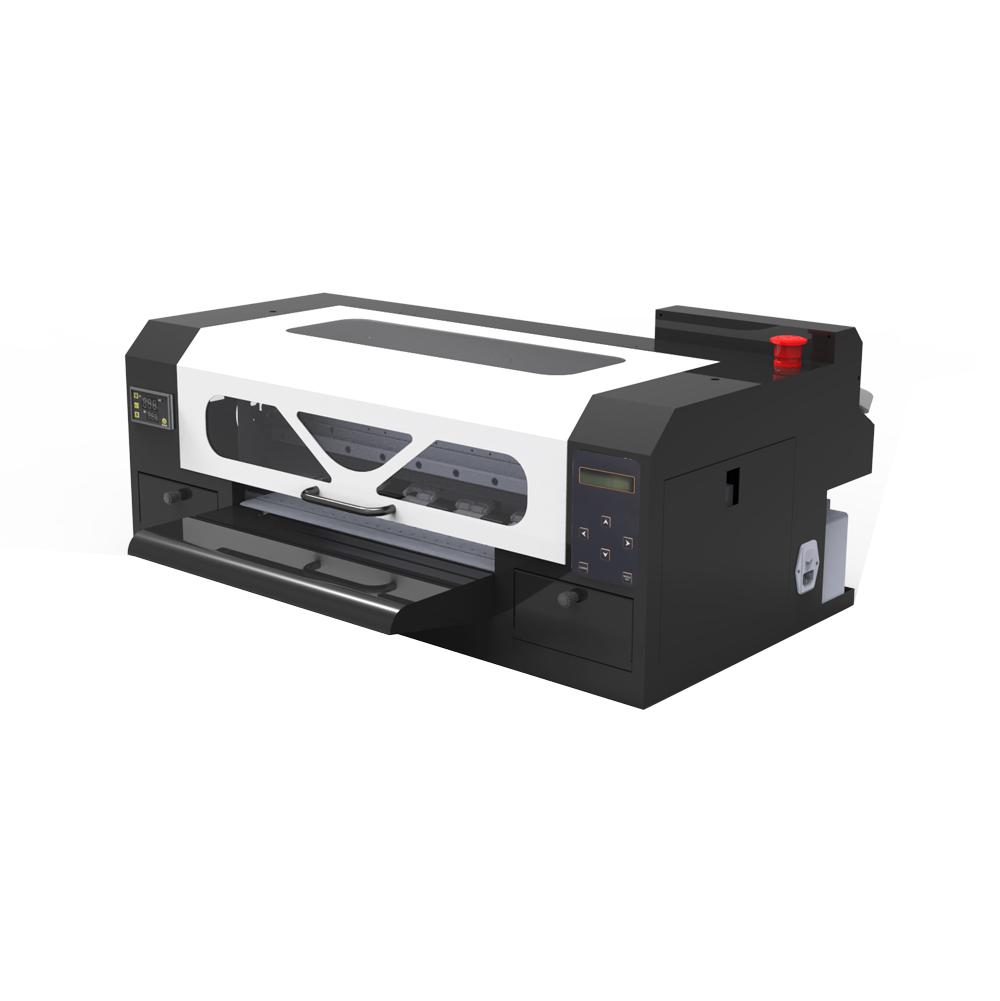
Balanced performance for print shops that need speed + stable output in an A3 footprint.
Designed for users who prioritize fine detail, smooth gradients, and premium print feel.
A dependable A3 model for steady daily output, popular for small-business production routines.
Compact entry-level model perfect for startups and small batch production.
Enhanced A4 model with improved ink efficiency for daily small-scale production.
A3 format printer with reliable R1390 motherboard for medium production.
Standard A3 model with 250ml ink tanks for consistent daily operation.
L1800 print head model offering superior color reproduction for detailed designs.
A3 Max series with XP600 print head for increased speed and efficiency.
High-performance A3 model with DX7 print head for professional results.
High-performance A3 model with XP600 print head for professional results.
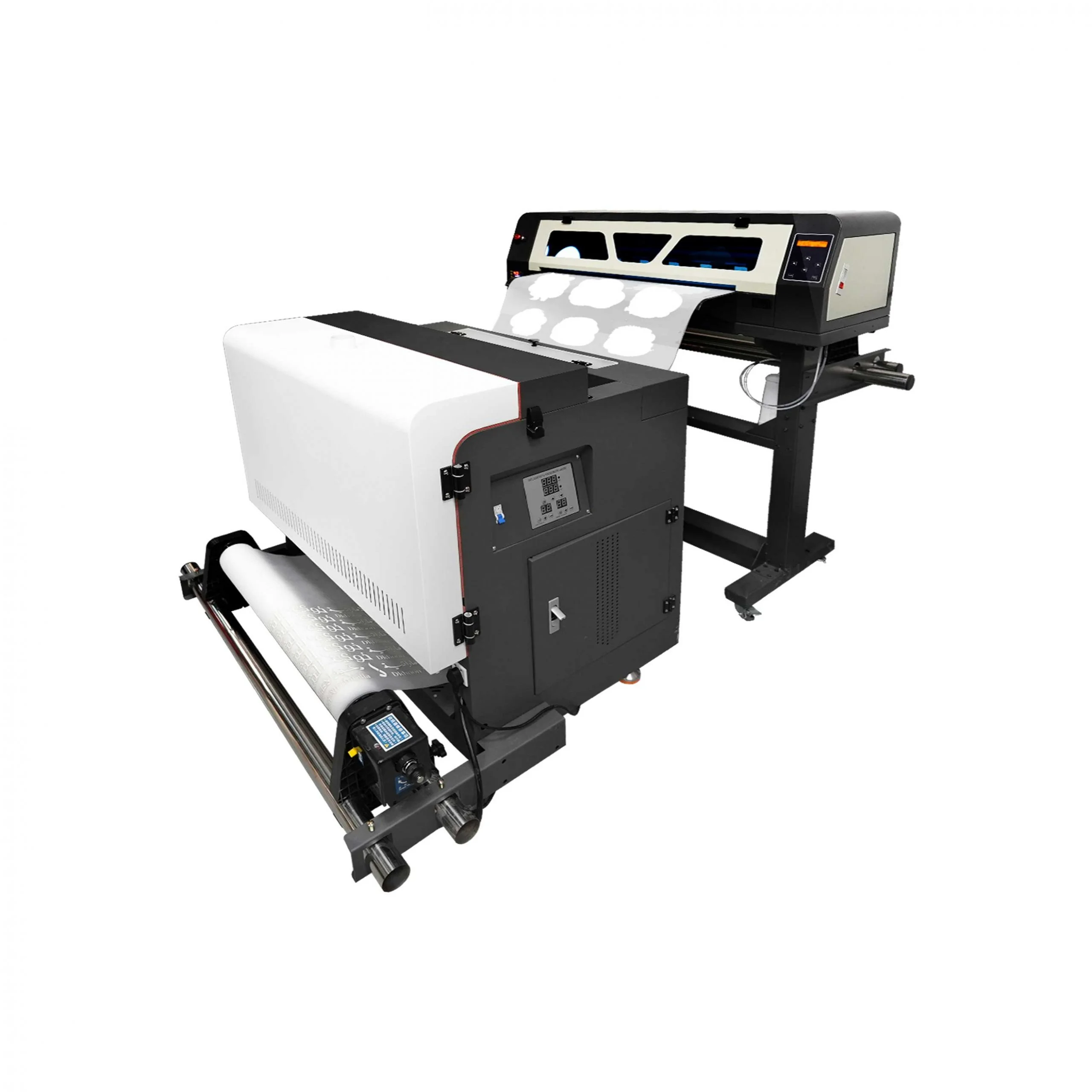
Industrial wide-format printer with dual XP600 heads (620mm width).
Premium industrial printer with dual I3200 heads for maximum productivity.
Yes. DTF works on dark polyester because the design is built on film first, uses a white underbase for opacity, and bonds to the fabric surface during heat pressing. EraSmart’s DTF lineup is specifically positioned for polyester and dark-colored garments.
Because DTF can print an opaque white base under the colors, while sublimation has no white ink and depends on the garment color showing through.
The biggest risk is dye migration. STAHLS’ handbook explains that polyester dyes can reactivate with heat and discolor the transfer even after pressing.
Yes. STAHLS identifies sublimated polyester as one of the toughest garments to decorate because the sublimation dye can be released again when reheated.
DTF works on dark polyester because it solves the decoration problem in three layers: film-first image building, white-underbase opacity, and adhesive bonding to the fabric surface. That combination gives DTF a real advantage on garments where dark color and polyester chemistry make other workflows more restrictive. At the same time, dark polyester still demands disciplined pressing because opacity and dye migration are not the same thing. The shops that succeed are the ones that understand both.
uv printer
DTF printer
DTG printer
Heat press machine
Advertising printer
DTF oven
Hot Press
Carving machine
Mug heat transfer
Laminating machine
Printing INK
Cellphone case
Glass product
Cleaning fluid
Cotton swab
WhatsApp:+8618566233796
WeChat: +8618566233796
Mobile: +8618566233796
Web:www.erasmart.com
Shop:www.erasmartmall.com
WhatsApp us
Just provide a few details and we will help you get quick quotes!