
DTF Ink Compatibility Guide
DTF ink is not just color. It affects white ink rhythm, profile response, PET film behavior, transfer stability, maintenance pressure, and long-term repeatability. This guide explains why random ink mixing causes hidden risk, how to judge whether an ink change is safe, and when a full-system switch is smarter than a partial refill.
This page helps you answer
Why random ink mixing is risky
Why white ink is the most sensitive part
When to switch the full ink set
On this page
Why Compatibility Matters
Why You Should Not Mix
White Ink First
Signs of Mismatch
When to Switch All
Safer Switching
Purchasing Checklist
FAQ
Foundation
Why DTF Ink Compatibility Matters
Ink compatibility in DTF is a system issue, not only a refill issue. Ink affects color output, white ink behavior, RIP profile response, film interaction, curing consistency, transfer feel, and maintenance pressure. That means an ink change can influence the whole workflow even if the machine still appears to print normally for a short time.
This is why the cheapest bottle is rarely the lowest real cost. A poorly matched ink may increase waste, rework, white instability, visual inconsistency, and operator doubt long before it creates an obvious machine failure.
Color response
An ink change can shift output away from the profile you expect, even if the print still looks acceptable at first.
White ink behavior
Compatibility stress often becomes visible on the white side before it becomes obvious anywhere else.
Transfer consistency
The print may look usable on film while the cured and transferred result becomes less predictable.
Do Not Mix Randomly
A Refill Is Not Always “Just a Refill”
• Short-term success can be misleading
• Delayed instability is common
• White ink usually reveals the problem first
Why You Should Not Mix DTF Inks Casually
A common mistake is assuming that all “DTF inks” behave the same because they are sold for the same market. In reality, the workflow is built around a relationship between ink, profile, film, powder, temperature, and maintenance habits. When one part changes, the whole system may stop behaving the same way.
That is why random mixing often creates the most dangerous kind of problem: the machine appears usable on day one, then color drift, white instability, transfer inconsistency, or harder recovery begins to show up later.
Typical hidden problems
Color mismatch
The output may no longer match your known profile or repeat the same way from job to job.
White instability
Coverage, density feel, and maintenance rhythm may become less predictable.
Transfer inconsistency
The image can look acceptable on film but behave differently after powdering, curing, and pressing.
White Ink Focus
The Most Sensitive Part of the Ink System
• Sediment sensitivity is higher
• Daily care matters more
• Idle time matters more
Why White Ink Deserves Special Attention
White ink is usually the most maintenance-sensitive and compatibility-sensitive part of the DTF workflow. If the system is drifting away from a healthy matched condition, white is often where the first real warning signs appear.
That is also why partial ink changes are especially risky when they affect the white side. If white rhythm, white density, or daily white recovery changes after a refill, do not assume the issue is only mechanical. It may be a compatibility signal.
Watch white first when
Coverage looks different
A visible shift in white output is often more important than users first think.
Recovery feels harder
If daily readiness takes more effort after a switch, the system match should be questioned.
Idle time changes behavior more than before
This often points to a weaker white ink workflow rather than random chance.
Mismatch Signals
Signs Your Ink Workflow May No Longer Be Well Matched
Colors do not feel repeatable
A print can still look “good enough” while losing consistency from order to order.
White side feels less stable
When white behavior changes, the problem may be workflow-level, not only maintenance-level.
Transfers feel less predictable
The film print may still look acceptable while downstream results stop feeling reliable.
Maintenance pressure rises
If a previously normal routine starts feeling heavier, compatibility should be reviewed seriously.
Full-System Switching
When It Is Smarter to Switch the Full Ink Set
A full-system switch usually makes more sense when the old and new inks are not part of the same known workflow family, when the shop wants to move to a new profile standard, when white behavior has already become a concern, or when partial refills would create a long uncertain transition period.
In other words, if the change is meaningful enough to alter color behavior, white stability, or process settings, treat it like a workflow change. Do not hide a system reset inside a quick top-up decision.
A full switch is often smarter when
You are changing brand or chemistry family
The larger the difference, the less useful partial mixing usually becomes.
You need new profile consistency
A new workflow should have a clear reference point instead of a blurred transition state.
White stability already feels fragile
This is the wrong moment to gamble on partial uncertainty.
Safer Switching
How to Switch DTF Ink More Safely
1. Treat it as a workflow test
Do not judge the new ink based on one acceptable print. Evaluate color behavior, white behavior, and transfer confidence together.
2. Watch white before anything else
The white side of the workflow often reveals compatibility stress earlier than the color side.
3. Do not change five things at once
If you change ink, film, powder, profile, and curing logic together, you lose the ability to judge what really changed the result.
Purchasing Checklist
Ink Compatibility Questions to Ask Before You Buy
Which profile is the ink built around?
You want to know whether the ink is meant to run as a controlled workflow, not just as a bottle spec.
How is white ink managed daily?
Ask about white rhythm, maintenance expectation, and downtime guidance before you commit.
Is this meant to replace my current ink directly?
A vague “yes” is not enough. Ask what transition logic is expected.
What happens if the printer sits?
Compatibility should include downtime handling, not only active production behavior.
Related Guides
Continue Building a More Stable DTF Consumable System
Return to the parent guide for ink, film, powder, and overall matching logic.
Go deeper into daily white ink care and anti-clogging habits.
See how downtime increases white-ink risk and how to manage it more safely.
A stable ink workflow also depends on the powder side of the system being matched correctly.
Frequently Asked Questions
-
1. Can I mix two DTF inks if both are labeled for DTF use?
That is still not a safe assumption. Two inks can share a market label and still behave differently inside your actual workflow.
-
2. Why does the printer still work after mixing, but problems appear later?
Because incompatibility often creates delayed instability rather than immediate failure. Short-term printing success is not proof of a safe match.
-
3. Is white ink always the first place to check?
Very often, yes. In many workflows, white reveals compatibility and maintenance stress earlier than the color channels.
-
4. Should I switch ink only because the new one is cheaper?
Only if the full workflow remains stable. A lower bottle price can still become more expensive if it increases waste, rework, or maintenance pressure.
EraSmart Printer Series
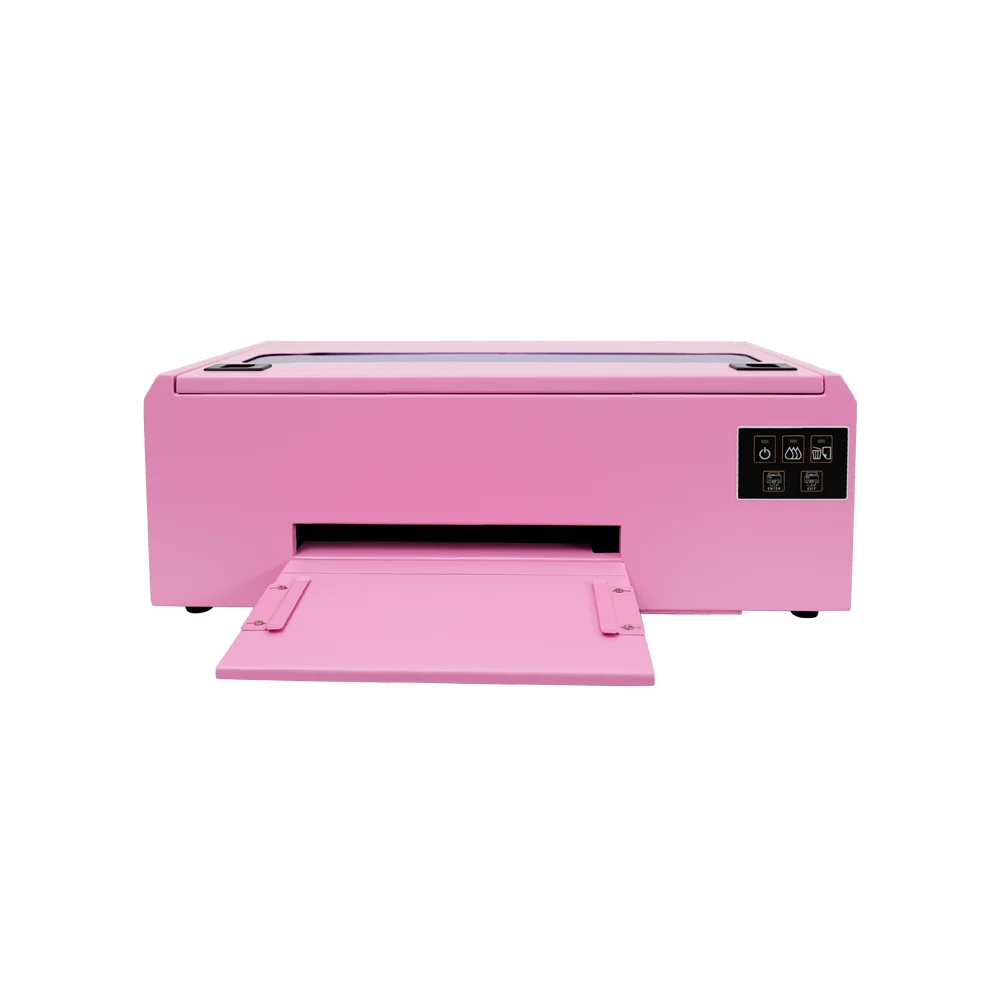
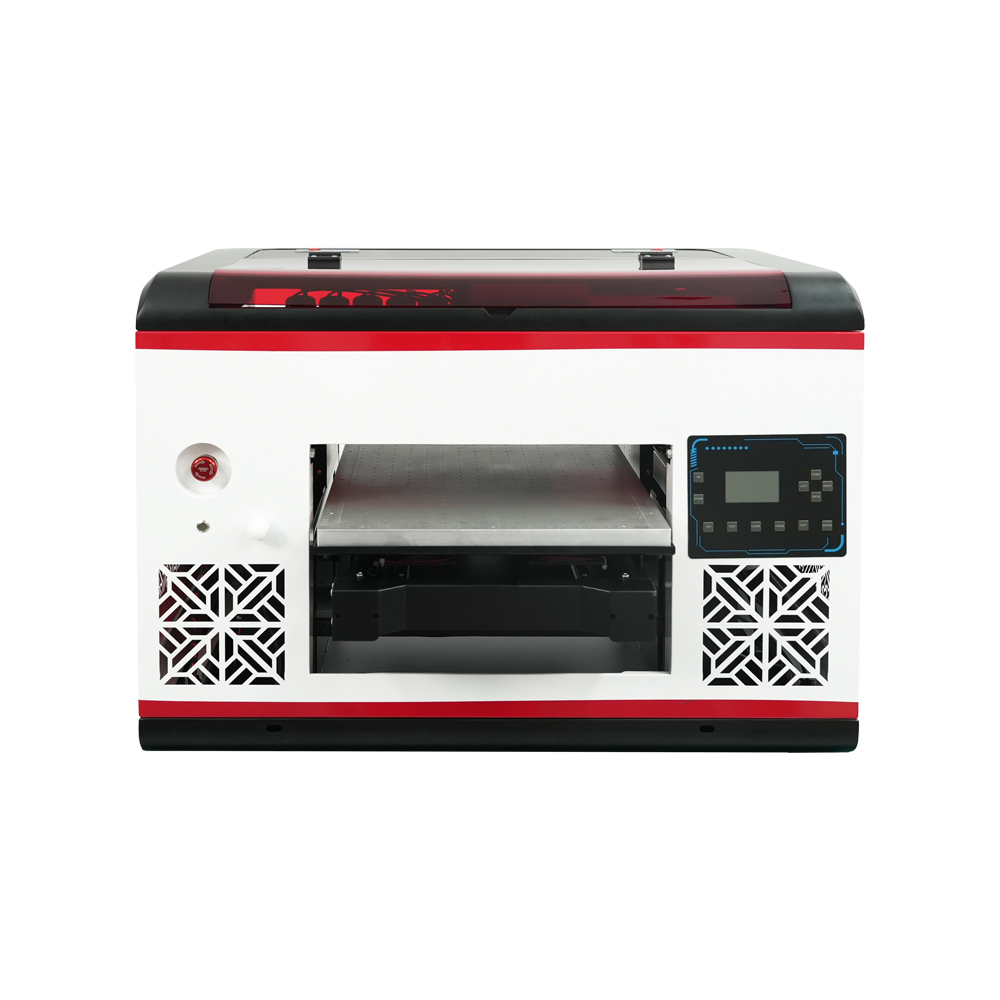
High-quality UV Printers for metal, acrylic, glass, wood & more. Instant curing, vivid 1440dpi prints, versatile for diverse materials.
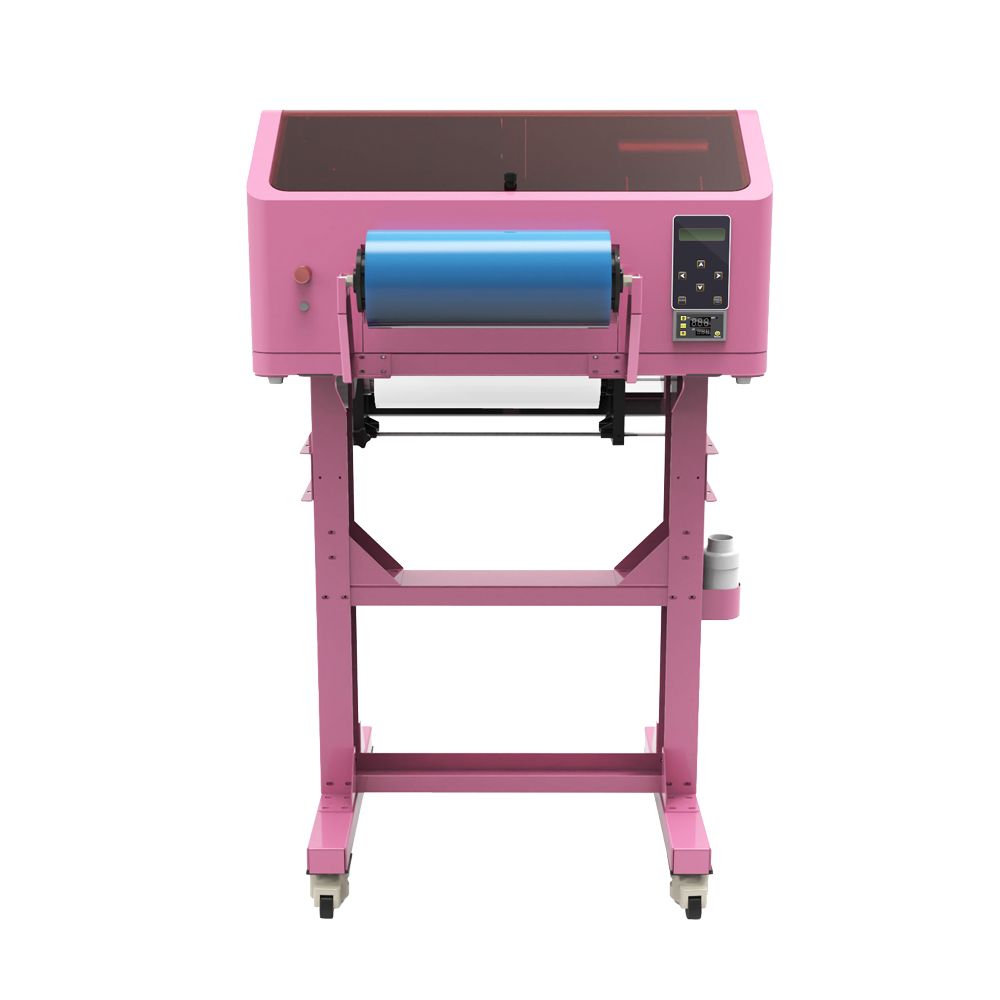
Print vivid, raised decals with **CMYK + White + Varnish** in one pass. No powder. No oven. Peel and stick on flat or curved items in minutes.
Couldn't find a suitable guide? Get Free Technical Support Now!
Just provide a few details and we will help you get quick quotes!
EraSmart Printer
uv printer
DTF printer
DTG printer
Heat press machine
Advertising printer
Printer tools
DTF oven
Hot Press
Carving machine
Mug heat transfer
Laminating machine
Consumables
Printing INK
Cellphone case
Glass product
Cleaning fluid
Cotton swab
Contact Us
WhatsApp:+8618566233796
WeChat: +8618566233796
Mobile: +8618566233796
Web:www.erasmart.com
Shop:www.erasmartmall.com
WhatsApp us
Request A Quote
Just provide a few details and we will help you get quick quotes!
Downlond
Leave you email and send download url to email.
Need Printer Price?
Tell us your printing needs. Our team will reply within 24 hours.