Small Size Flatbed Inkjet Printer Manufacturer

86-18566233796 [email protected]

Blog A/B Film (UV DTF AB Film) Explained: A Film vs B Film, Workflow, and Buying Tips
A/B Film (UV DTF AB Film) Explained: A Film vs B Film, Workflow, and Buying Tips

January 7, 2026     Blog

If you’re doing UV DTF printing (often called “crystal label” decals), A/B film is the core consumable that makes the transfer possible. Instead of printing directly onto a product, you print onto A film, laminate with B film, and then apply the finished transfer onto almost any smooth surface.

Below is a practical, shop-friendly guide to what AB film is, how it works, how to choose the right one, and how to fix common issues.

What is A/B Film?

A Film and B Film

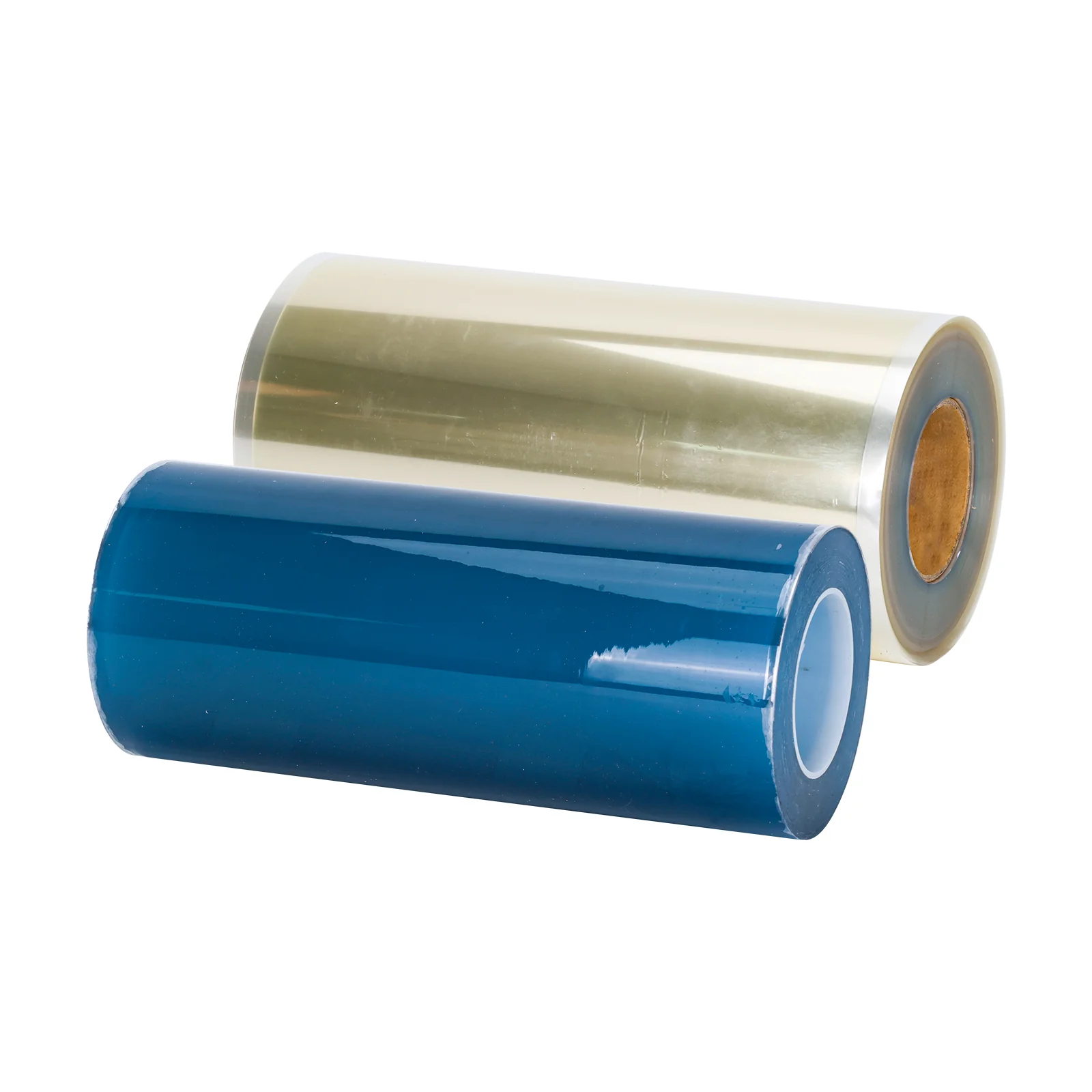
A/B film refers to a two-layer UV DTF transfer film system:

  • A Film (Print Film): The printable layer where UV inks (often including white + color + varnish) are printed and UV-cured.
  • B Film (Carrier/Transfer Film): The lamination + carrier layer that bonds with the printed layer and becomes the “application tape” used to transfer the design onto the final object

Think of it like this: A film is where the image is created; B film is what lets you move that image cleanly onto a product.

Buy Online: https://www.erasmartmall.com/en/product-erasmart-a3-uv-dtf-film-a-film-and-b-film-set-p-8646067880195

How UV DTF AB Film Works (Step-by-Step)

A typical AB film workflow looks like:

  1. Print on A film using UV-curable ink (often white → CMYK → varnish/topcoat order)
  2. Laminate A film with B film (many workflows use a laminator or integrated lamination unit)
  3. Cut the transfer to size
  4. Apply to the substrate (glass, plastic, coated metal, acrylic, etc.)
  5. Press/squeegee to remove air and improve adhesion
  6. Peel the carrier layer per your film’s instructions

This process is widely described as printing on A film first, then laminating with B film before transferring.

A Film vs B Film: What’s the Real Difference?

FeatureA FilmB Film
Main roleReceives the printed imagePicks up/holds the image for transfer
Surface“Printable/coated” to accept UV ink“Carrier/transfer” like application tape
Adhesion behaviorDesigned for printing + controlled releaseOften described as having stronger “carry” function for transfer
What you do with itPrint + cure on itLaminate + apply to product

What Can You Apply UV DTF AB Film To?

AB film transfers are commonly used on hard, smooth or lightly textured surfaces, such as:

  • Glass, ceramic, coated metal
  • Acrylic, PVC, many plastics
  • Painted/finished wood
  • Phone cases, gift boxes, promotional items

Real-world results depend on surface prep and substrate coating—oily, dusty, or highly textured surfaces are the most common failure points.

How to Choose the Right AB Film

1) Pick the right tack level (low tack vs high tack)

  • Low tack: safer for delicate finishes, easier peel, less risk of lifting paint/coatings
  • High tack: stronger grip for harder-to-stick substrates, but more risk of difficult peeling or surface damage

(Manufacturers commonly sell multiple “tack” options for different surfaces.)

2) Match film width to your printer

A practical rule: B film is often slightly wider than A film for lamination margin and stability (varies by model and workflow).

3) Consider A film base type (PET base vs paper base)

Some suppliers differentiate A film structures (e.g., PET base vs paper base options) that affect handling, stiffness, and feeding stability.

4) Check “peel behavior” and intended substrates

Films can be marketed as easier peel / specific to smooth plastics, glass, or packaging surfaces. Always test your top 3 products before buying large rolls.

Storage & Handling (Most People Lose Money Here)

To keep AB film performing consistently, storage conditions matter:

  • Store cool and dry (commonly recommended ranges are around 20–25°C and 40–60% RH)
  • Keep away from direct light/UV (can affect edges and adhesive behavior)
  • Use original packaging; consider desiccant to reduce moisture exposure
  • Many buying guides mention 6–12 months shelf life unopened and faster degradation once opened (varies by brand; treat as “use sooner is safer”).

Troubleshooting: Common AB Film Problems (and Fixes)

1) Bubbles / “silvering” under the transfer

Causes: dust, poor lamination pressure, uneven squeegee technique
Fixes: clean room/bench, slower lamination, use felt squeegee, apply firm pressure from center outward.

2) Edge lifting after application

Causes: oily surface, poor surface energy, humidity-moist film, not enough pressure
Fixes: wipe with isopropyl alcohol (compatible surfaces), dry thoroughly, increase pressure, try higher tack film.

3) Incomplete transfer (parts stay on A film)

Causes: weak lamination bond, wrong peel timing, tack mismatch
Fixes: adjust lamination settings, try different film combo, ensure correct peel angle/motion.

4) Dull colors / weak gloss

Causes: ink issues, curing mismatch, film coating mismatch
Fixes: verify ink freshness and storage; UV inks can be sensitive to light/heat during storage.

FAQ About A/B Film

Is A/B film the same as DTF film for T-shirts?

No. UV DTF AB film is for hard-surface transfers using UV ink + lamination, while textile DTF usually uses hot-melt powder + heat press.

Do I always need a laminator for AB film?

Most AB film workflows include lamination (either a separate laminator or an integrated unit).

What is “crystal label”?

It’s a common market term for UV DTF transfers made with AB film that create a clear, glossy, premium “label-like” effect.

Can AB film transfers go on anything?

They work best on smooth, clean surfaces. Performance varies by coating, texture, and cleaning method—always test your real products.

Conclusion

A film is your print surface. B film is your transfer carrier. Together, AB film lets you manufacture UV DTF transfers that apply like premium decals across many product types—especially when direct printing or fixturing would be slow or difficult.

If you tell me your target products (tumblers, phone cases, acrylic signs, packaging, etc.) and your printer width (A3 / 30cm / 60cm), I can recommend an AB film “spec checklist” (tack level, peel type, width pairing, storage SOP) that’s optimized for your SKU mix.


MAY BE YOU LIKE ALSO

  • EraSmart Printer

    uv printer
    DTF printer
    DTG printer
    Heat press machine
    Advertising printer

  • Printer tools

    DTF oven
    Hot Press
    Carving machine
    Mug heat transfer
    Laminating machine

  • Consumables

    Printing INK
    Cellphone case
    Glass product
    Cleaning fluid
    Cotton swab

  • Contact Us

    WhatsApp:+8618566233796
    WeChat: +8618566233796
    Mobile: +8618566233796
    Web:www.erasmart.com
    Shop:www.erasmartmall.com

  • Request A Quote

    Just provide a few details and we will help you get quick quotes!