Small Size Flatbed Inkjet Printer Manufacturer
86-18566233796 [email protected]

Blog DTF Printing vs. Sublimation Printing: Which One Is Better for Your Business?

DTF Printing vs. Sublimation Printing: Which One Is Better for Your Business?

January 31, 2026     Blog

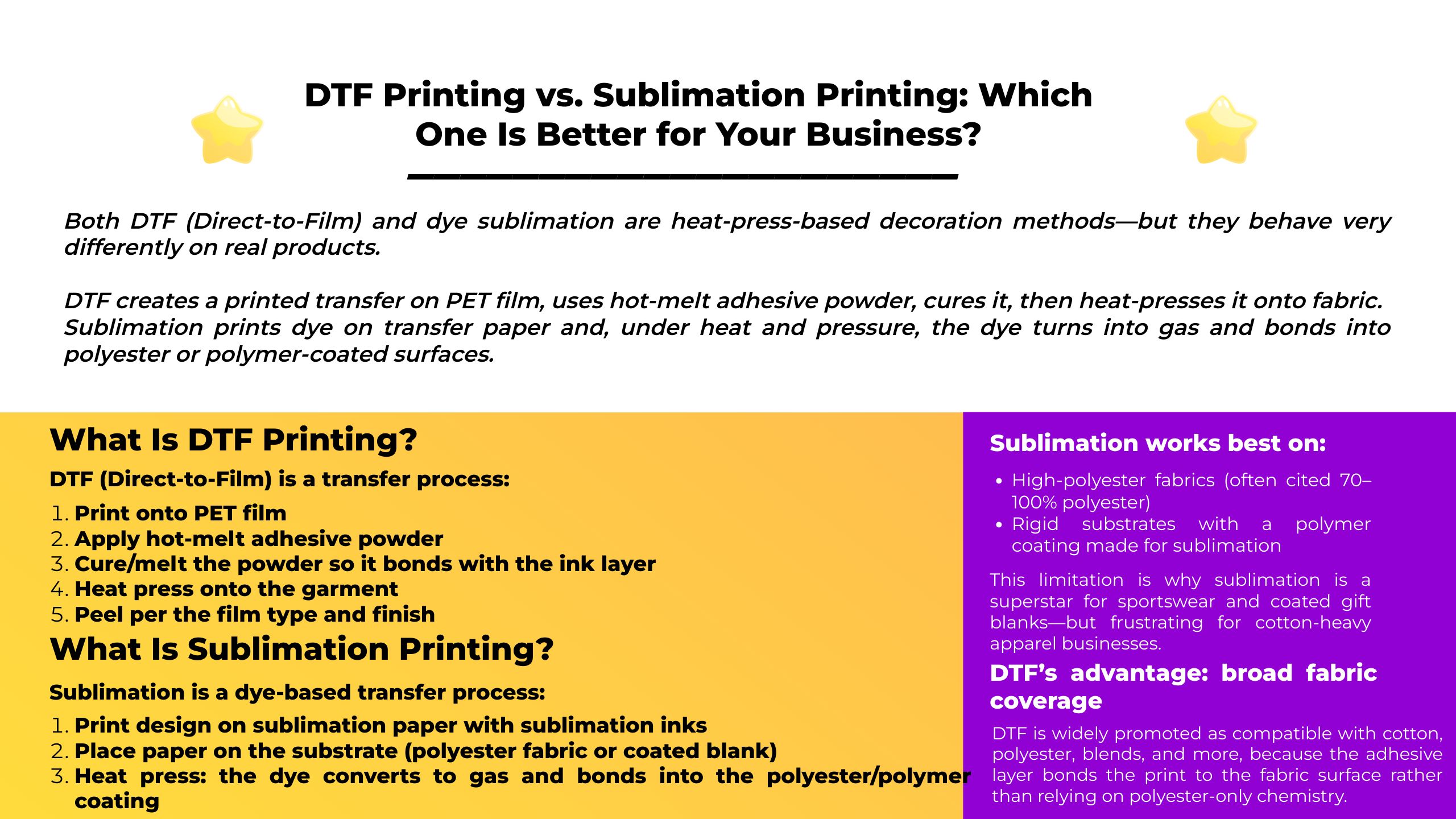
Both DTF (Direct-to-Film) and dye sublimation are heat-press-based decoration methods—but they behave very differently on real products.

  • DTF creates a printed transfer on PET film, uses hot-melt adhesive powder, cures it, then heat-presses it onto fabric.
  • Sublimation prints dye on transfer paper and, under heat and pressure, the dye turns into gas and bonds into polyester or polymer-coated surfaces.

Quick Comparison: DTF vs Sublimation (at a glance)

CategoryDTF PrintingSublimation Printing
Core ideaTransfer film + adhesive layer pressed onto fabricDye turns to gas and bonds into polyester/polymer coating
Works best onCotton, polyester, blends (very flexible)Polyester fabric and polymer-coated blanks (limited)
Dark garmentsStrong option (can print with white)Generally not ideal (dye is translucent; best on light colors)
Feel on fabric“Transfer layer” feel (can be soft when tuned)Virtually no feel—ink becomes part of fabric
Durability modeSits on top; depends on pressing + adhesive cureEmbedded in material; doesn’t crack/peel like surface prints
Typical productsT-shirts, hoodies, workwear, mixed fabricsSportswear, all-over polyester designs, coated mugs/plates/panels
Extra equipmentPowdering + curing (or shaker/oven) + heat pressSublimation printer + paper + heat press (plus coated blanks)
Best business fitCustom apparel shops with varied garment typesPolyester-focused apparel + coated gift blanks + full-coverage designs

The big separator is materials: sublimation fundamentally needs polyester/polymer chemistry, while DTF is built to transfer onto a much wider set of fabrics.

What Is DTF Printing?

DTF (Direct-to-Film) is a transfer process:

  1. Print onto PET film
  2. Apply hot-melt adhesive powder
  3. Cure/melt the powder so it bonds with the ink layer
  4. Heat press onto the garment
  5. Peel per the film type and finish

This “film + powder + cure + press” workflow is explained in many step-by-step guides and is the reason DTF is popular for garment shops that need flexibility.

What you typically need for DTF

  • DTF printer (often CMYK + White)
  • PET transfer film
  • Hot-melt powder + curing method (oven/dryer/shaker system)
  • Heat press

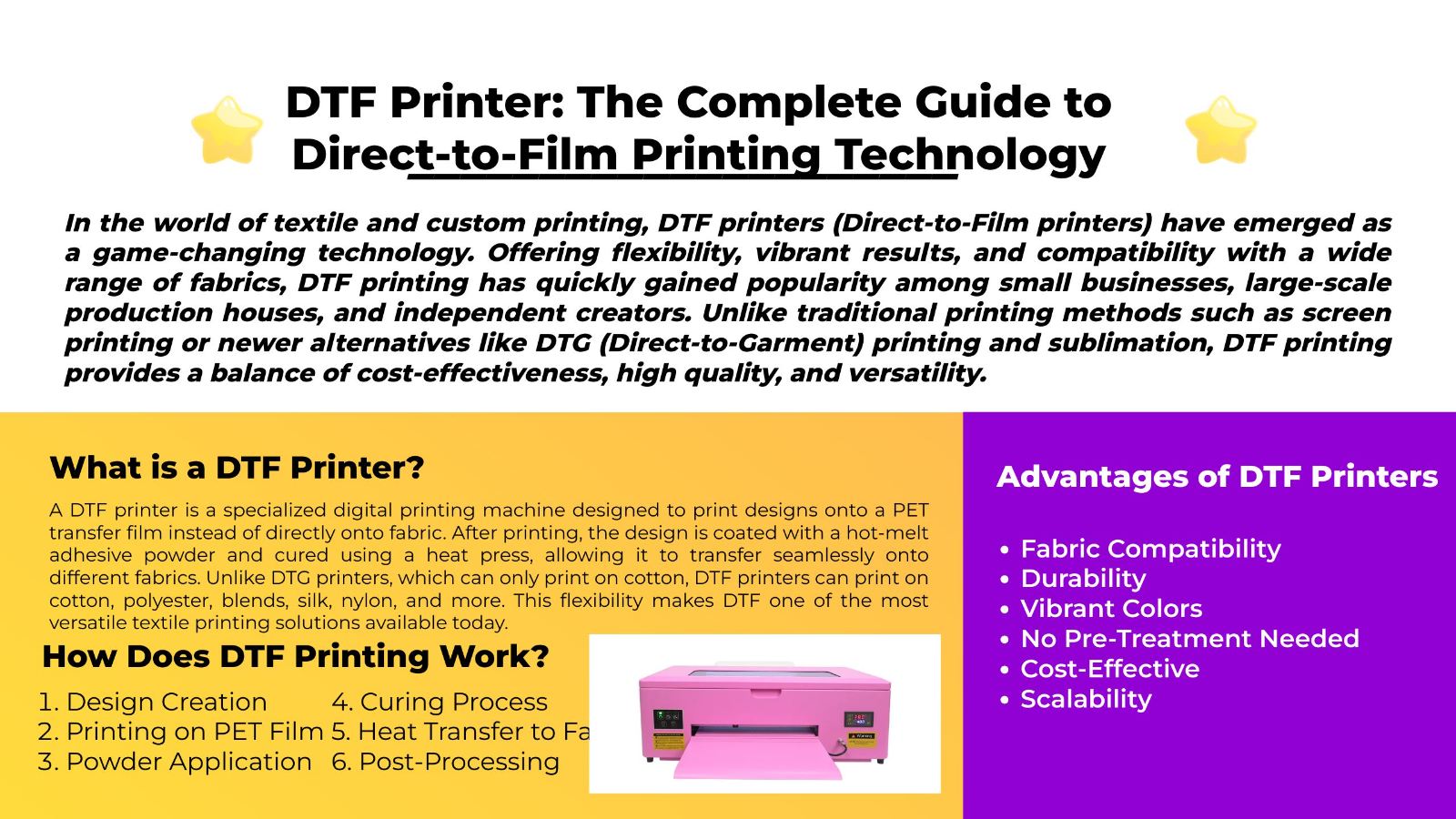
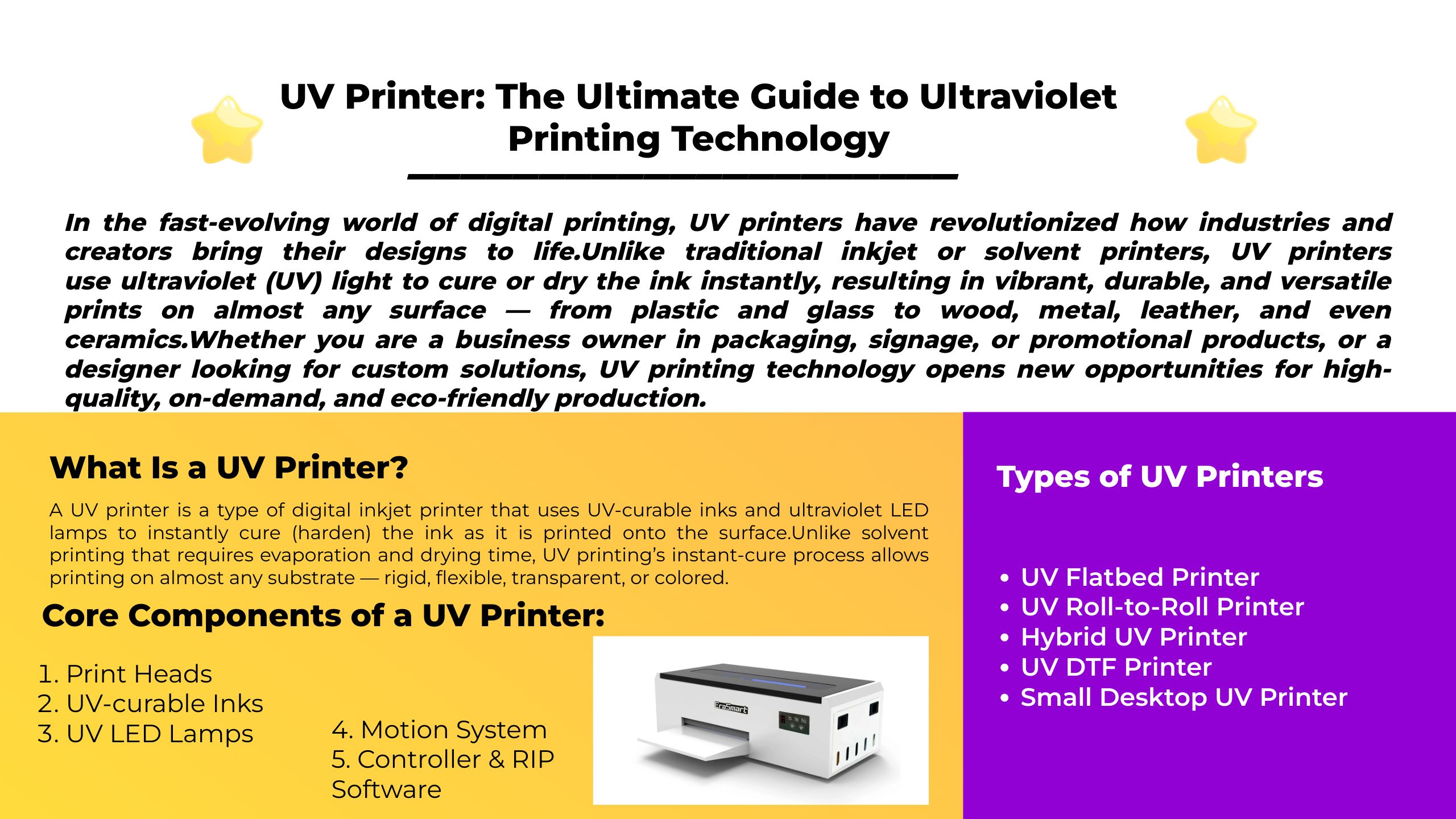
More About DTF Printer: DTF Printer: The Complete Guide to Direct-to-Film Printing Technology

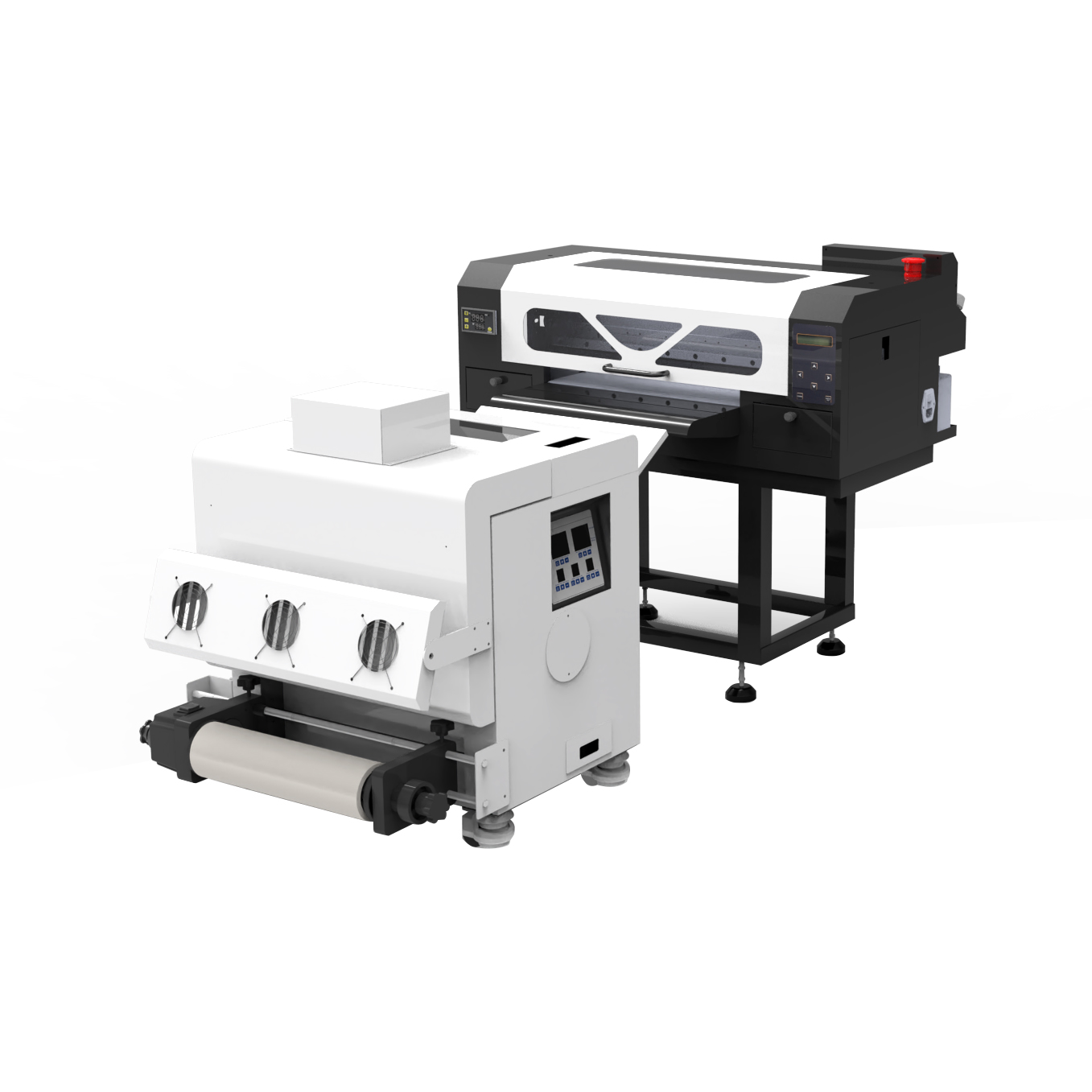
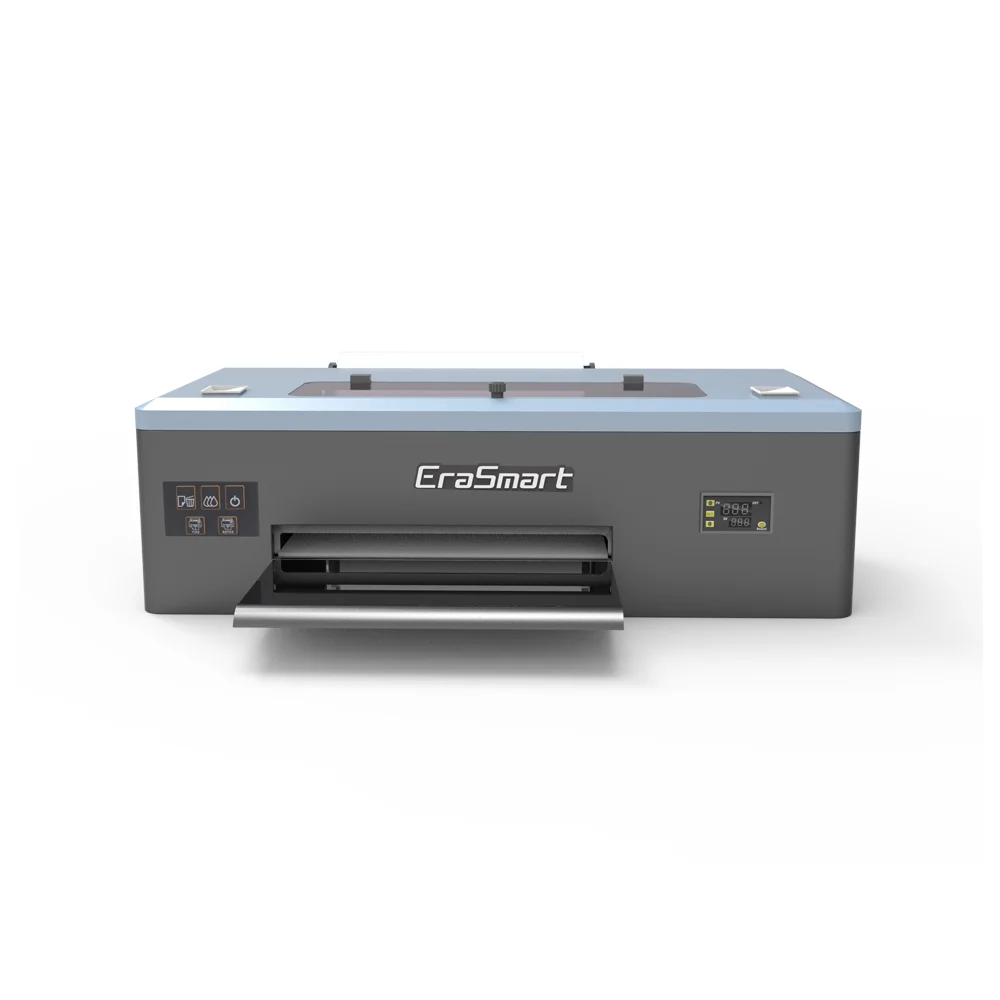
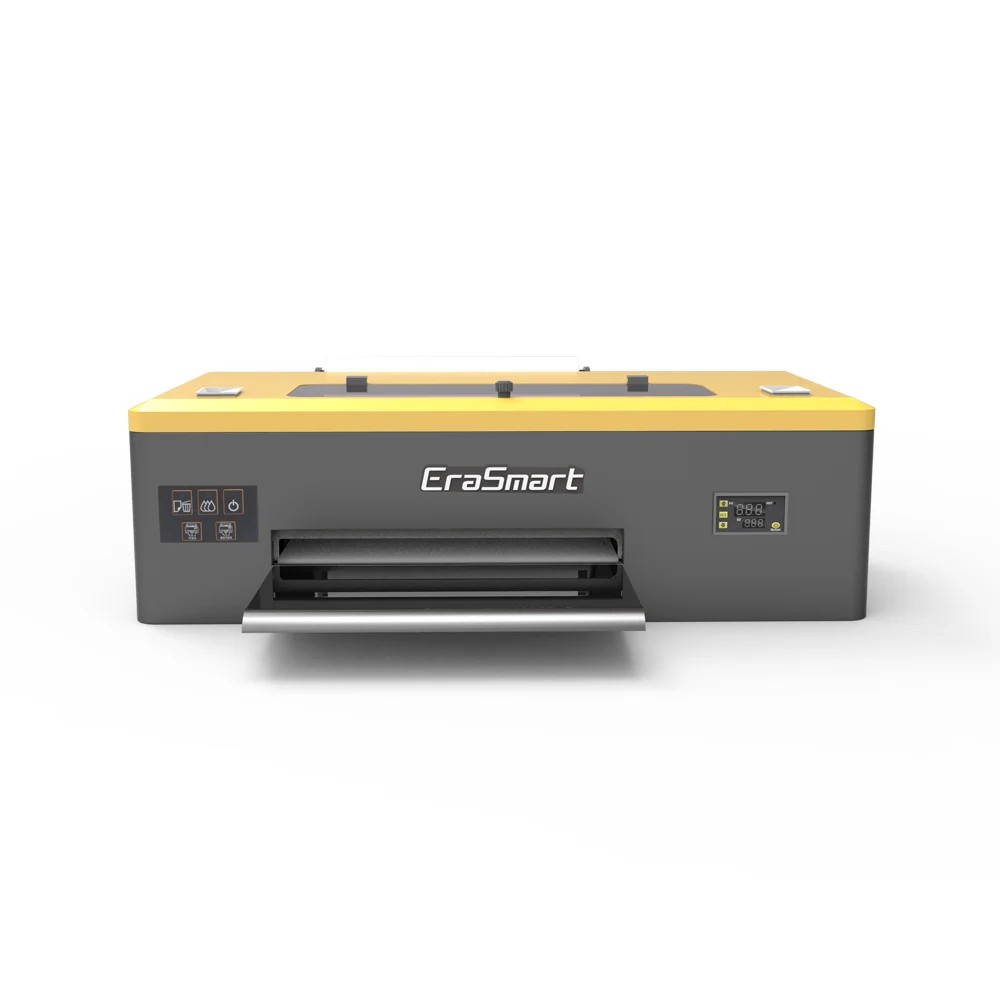
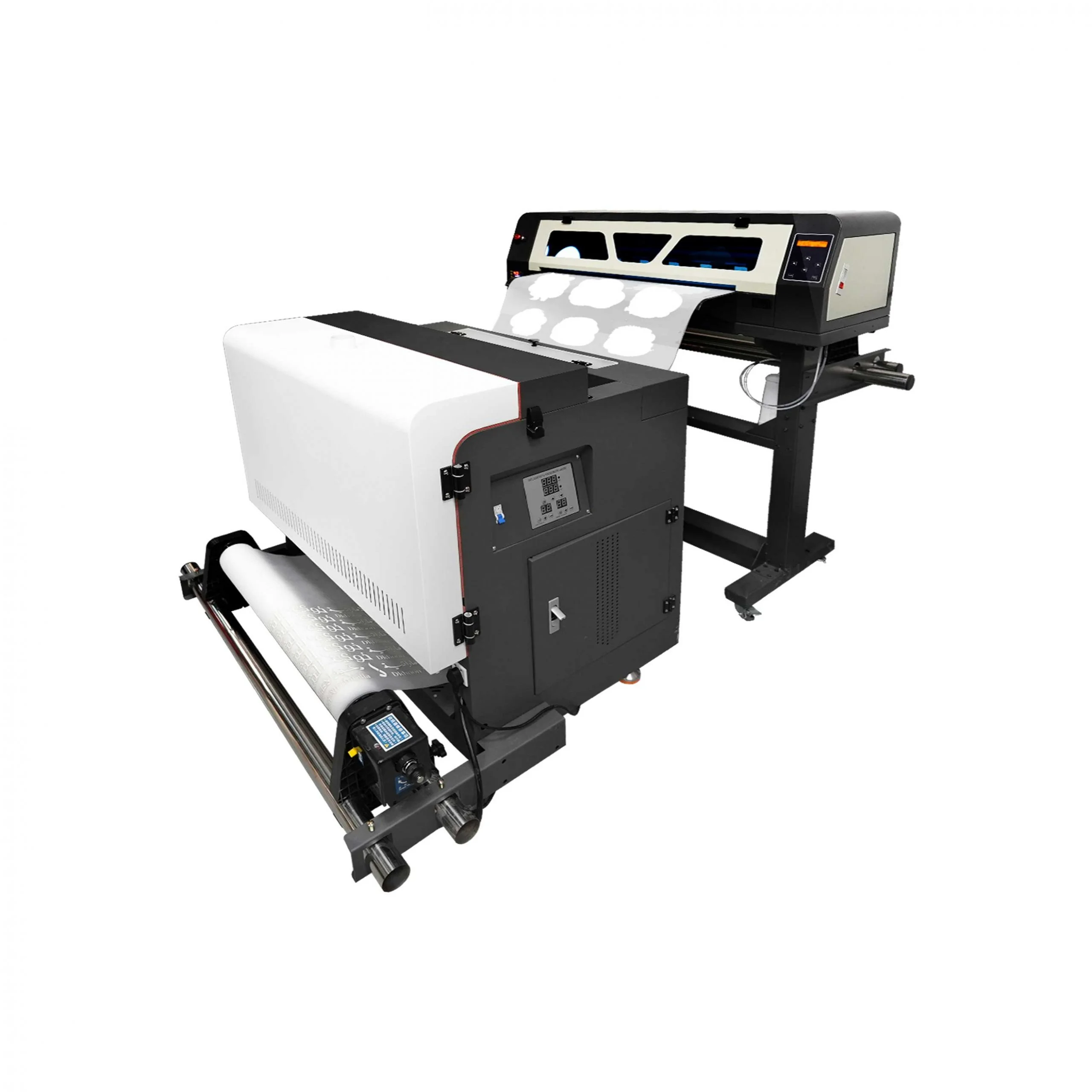
A production-ready solution designed for shops that need higher throughput and a more automated workflow.

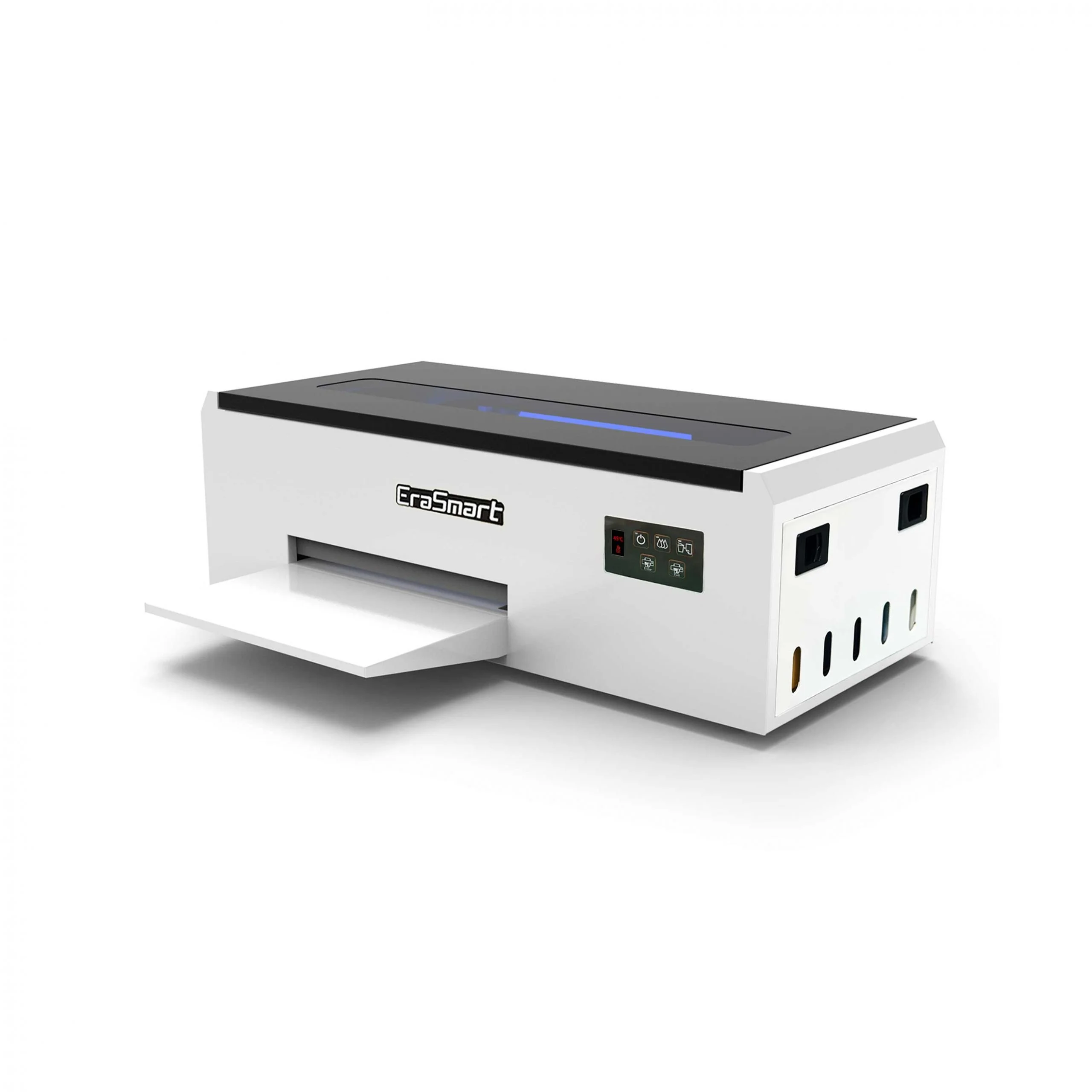
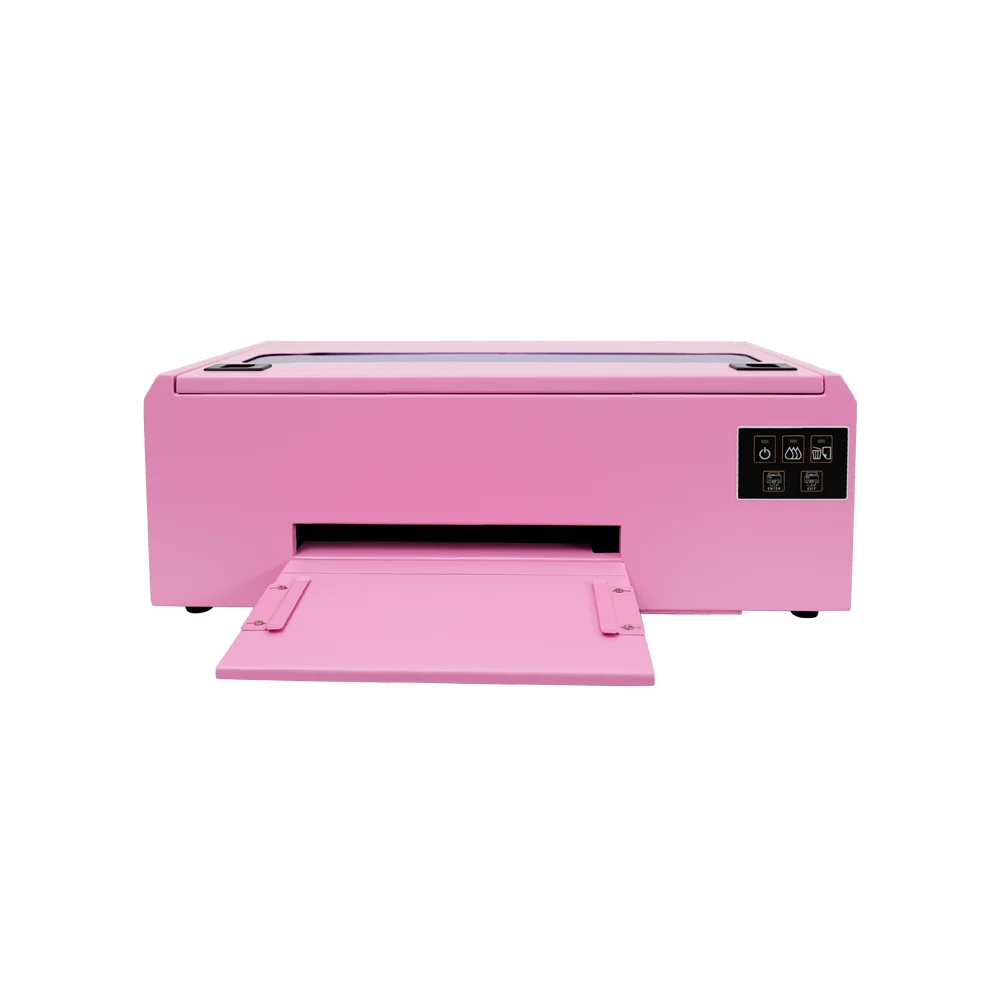
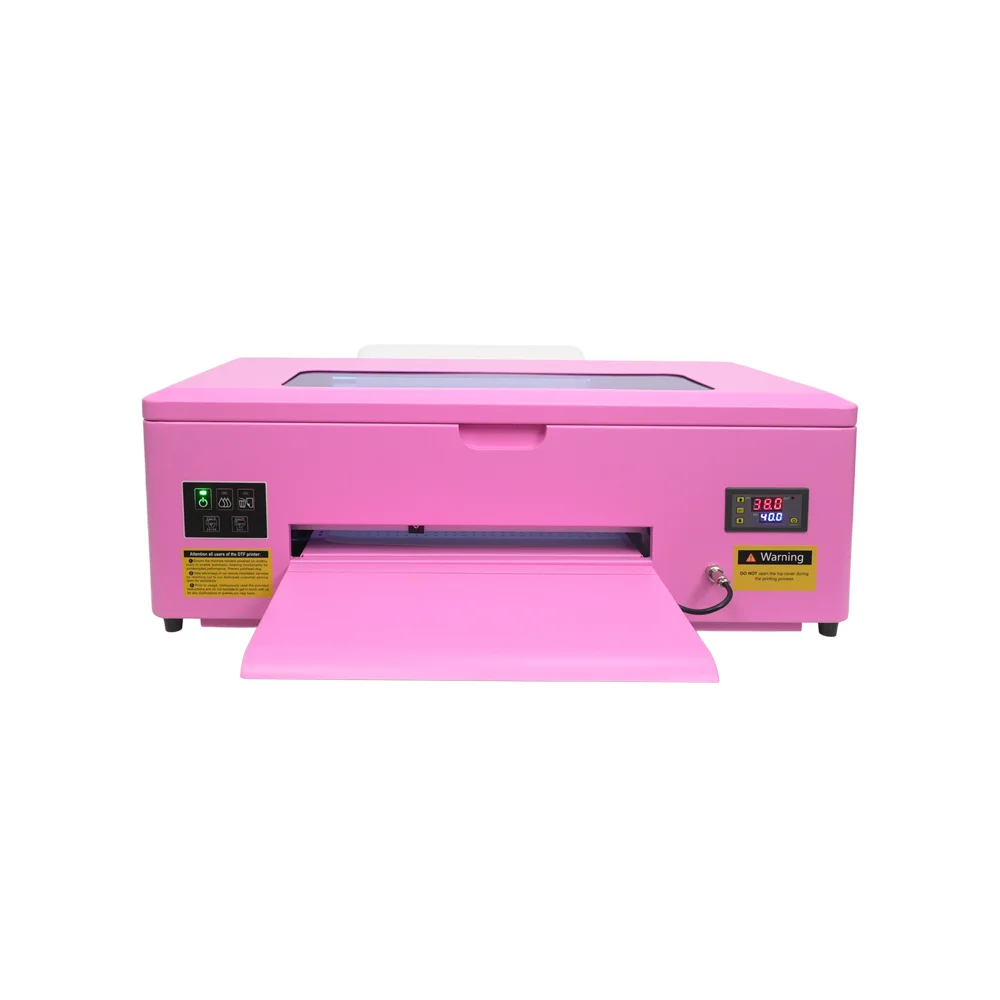
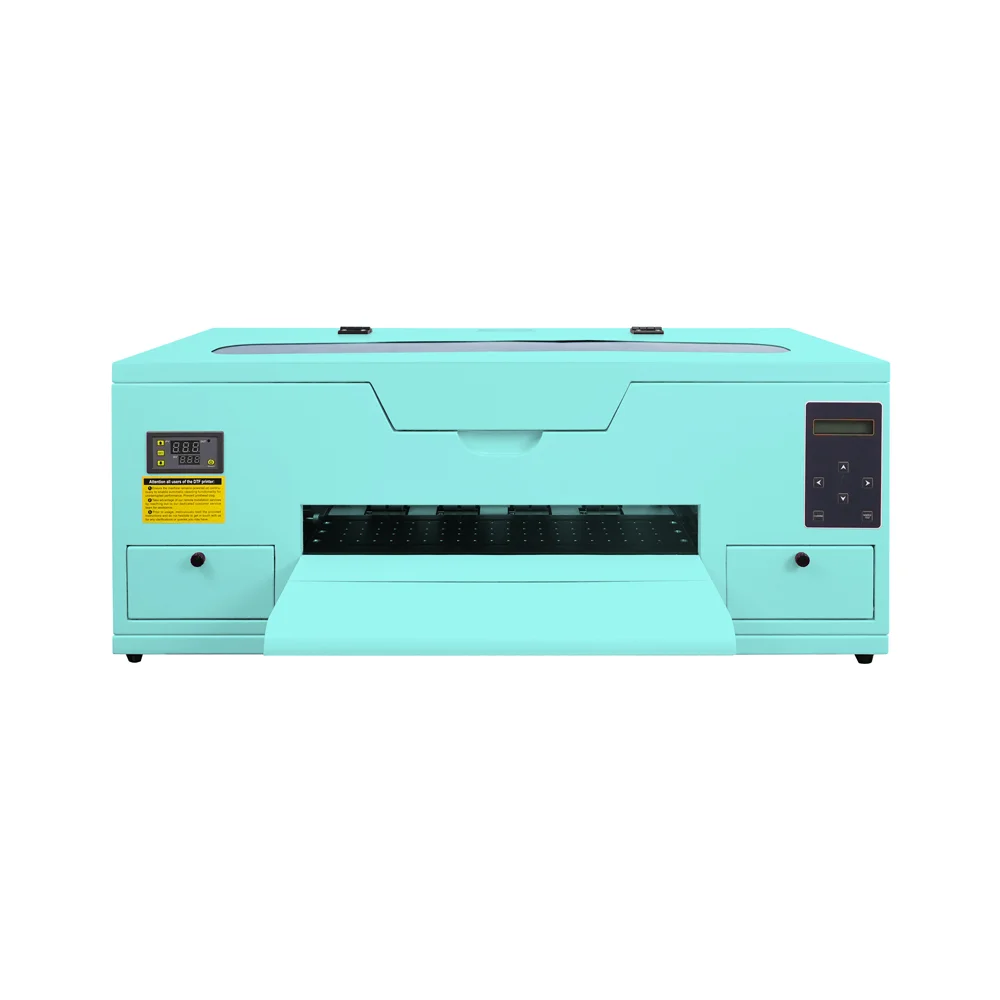
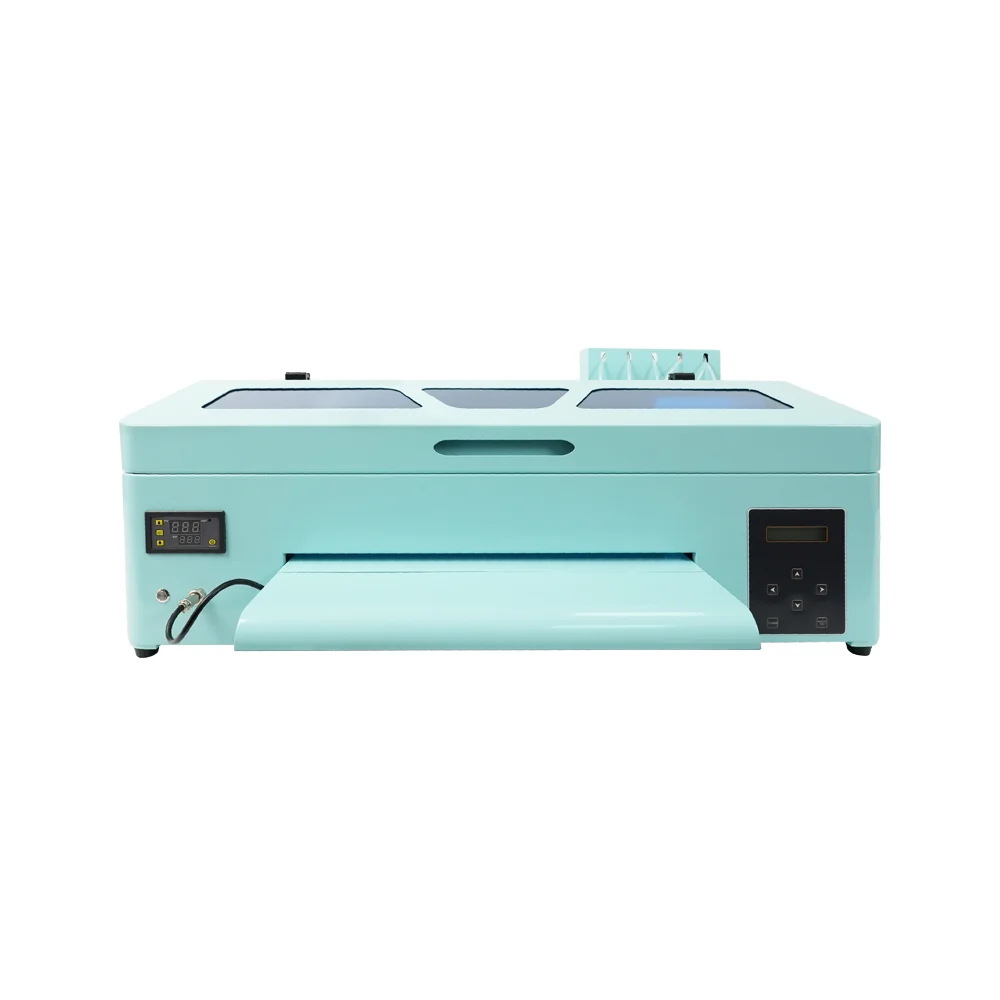
A practical choice for startups and small studios that want reliable output without over-investing.

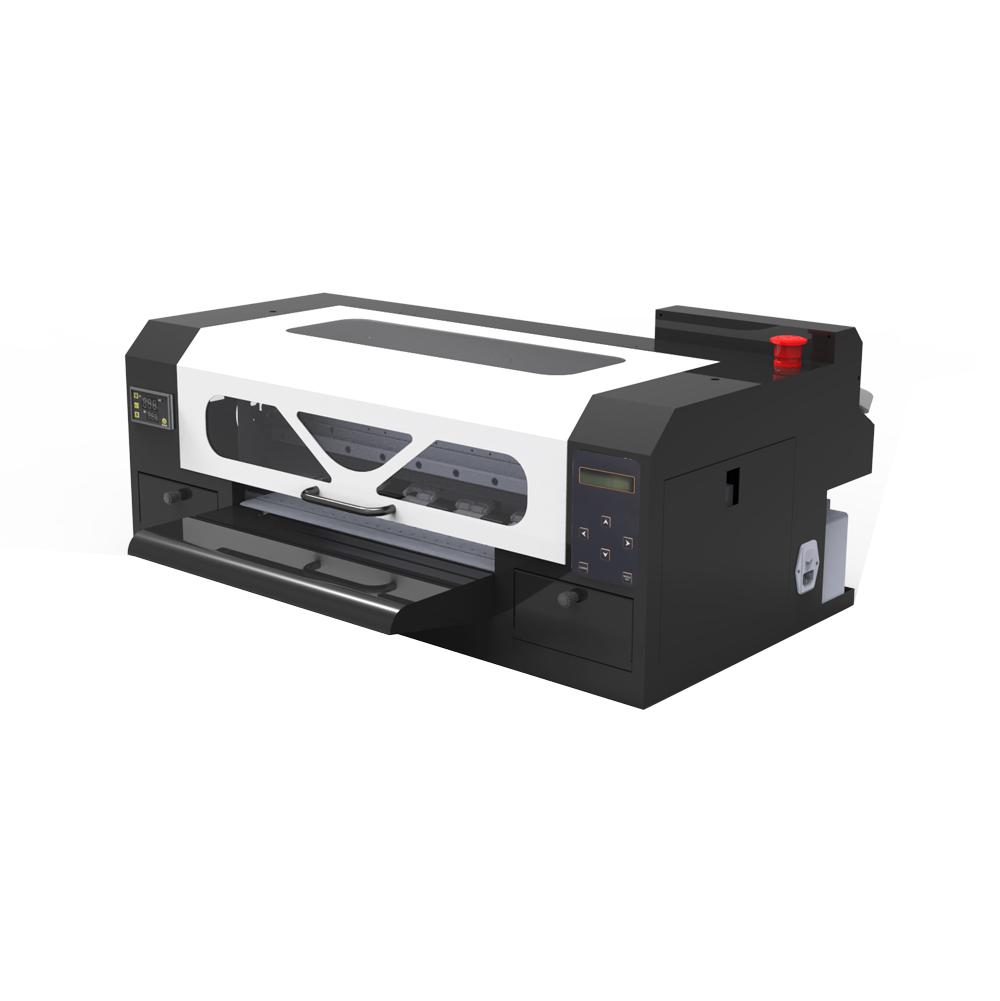
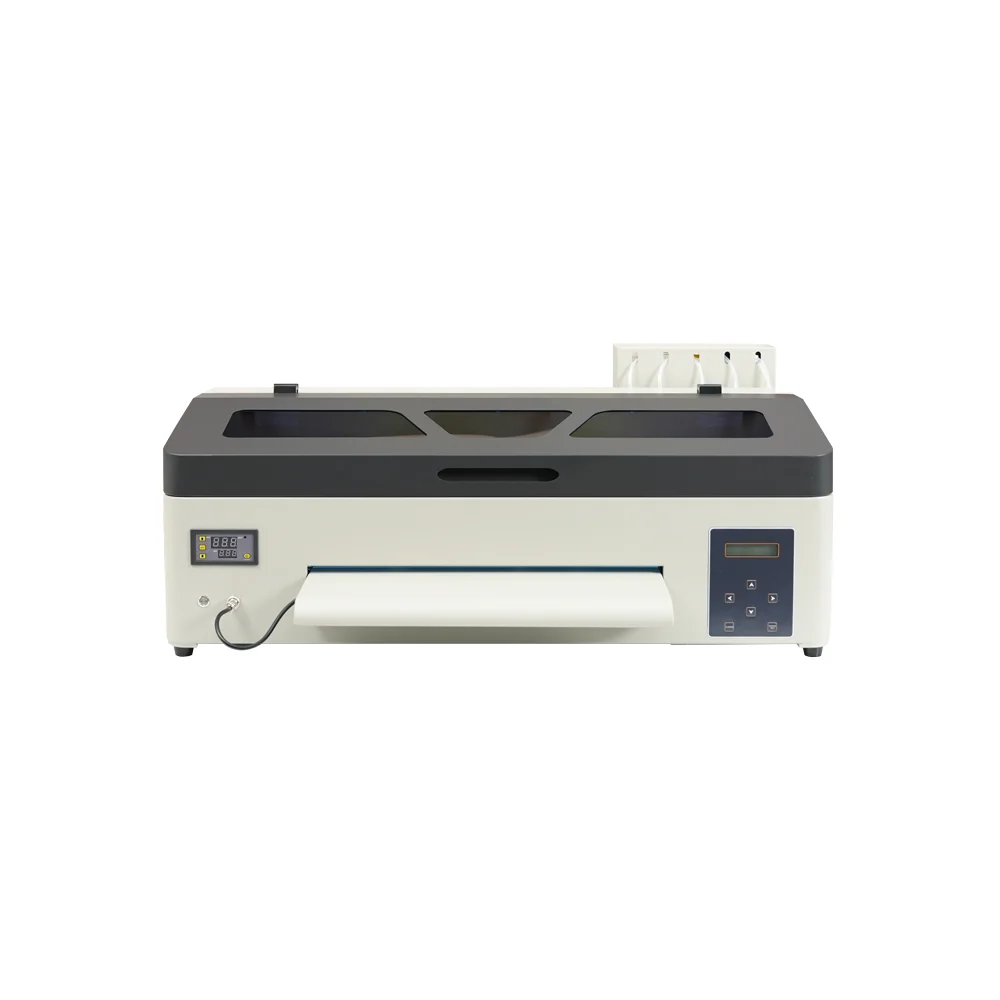
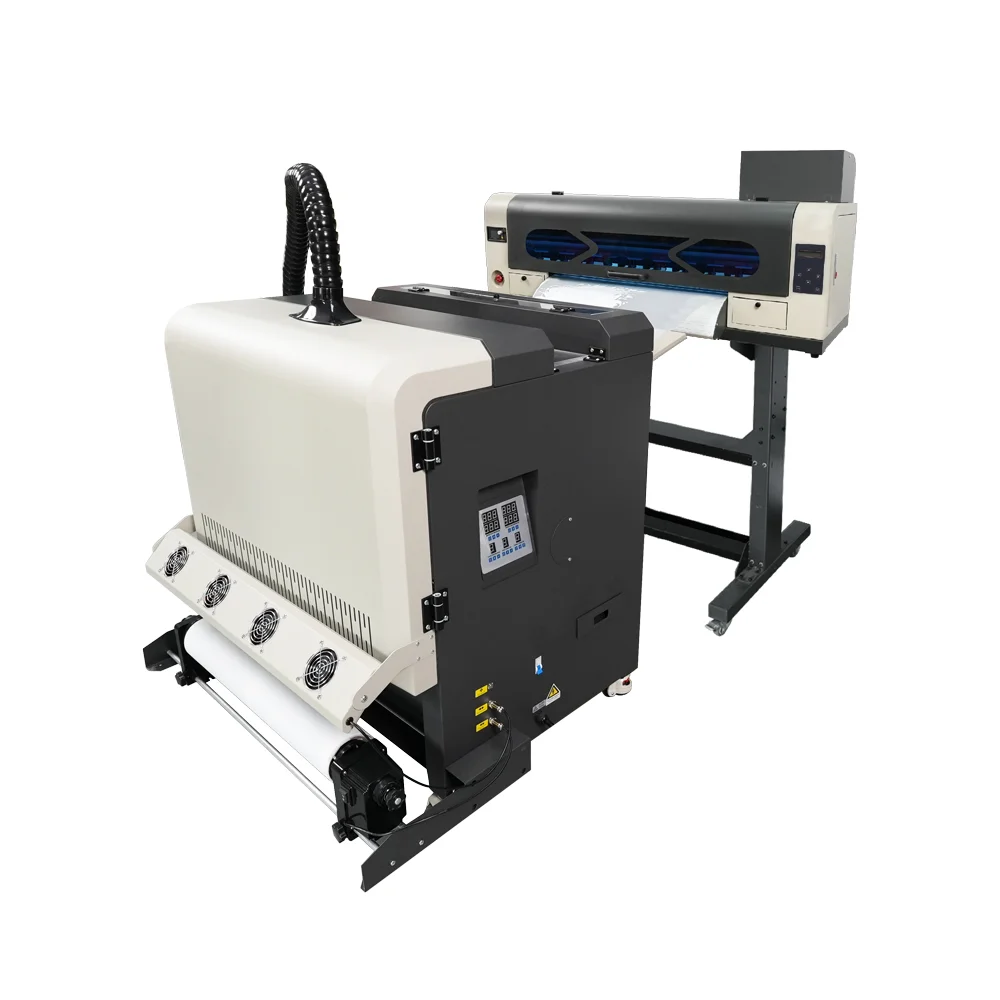
Balanced performance for print shops that need speed + stable output in an A3 footprint.

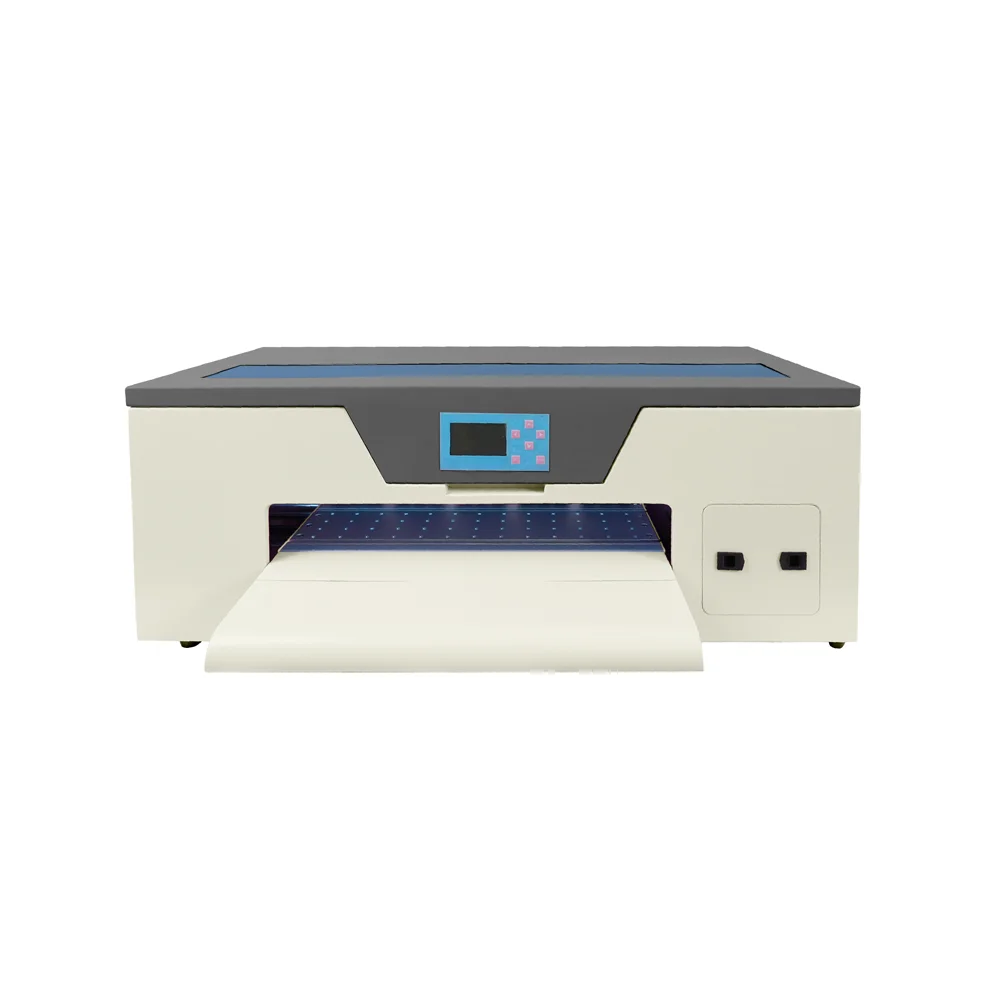
Designed for users who prioritize fine detail, smooth gradients, and premium print feel.

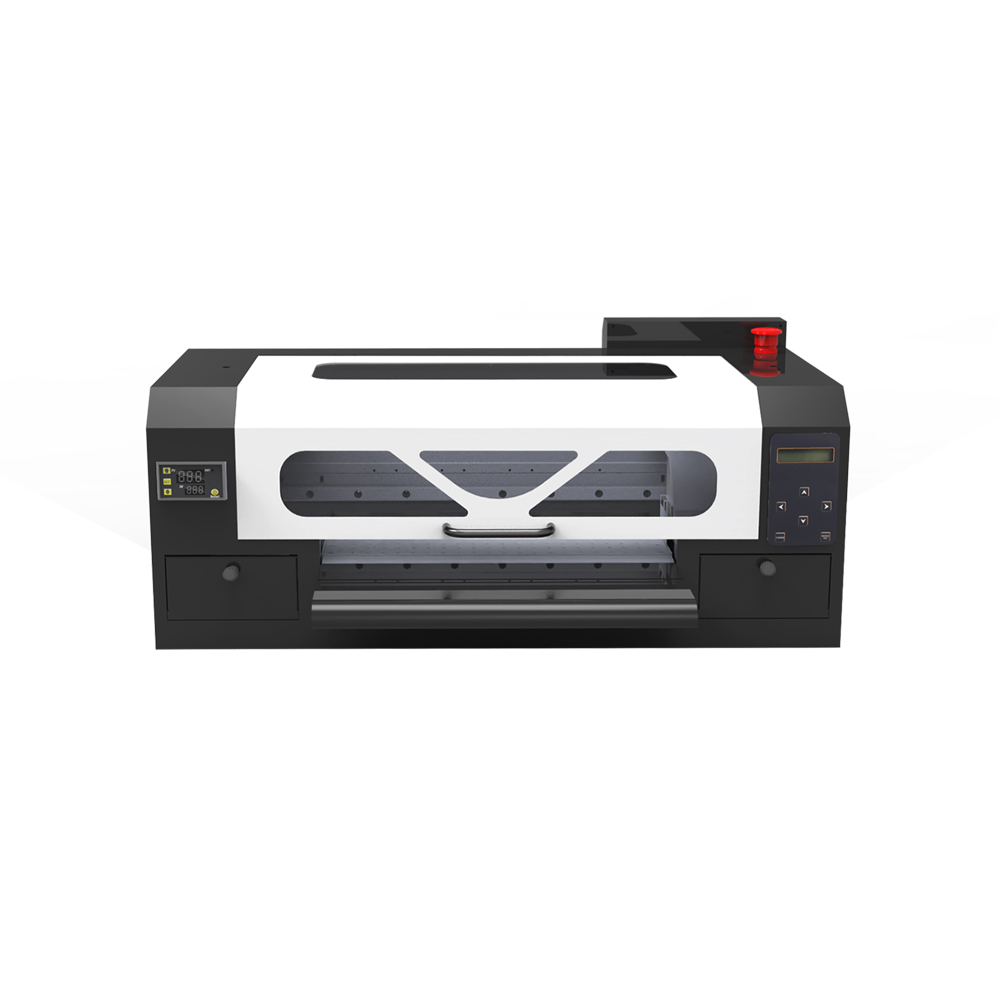
A dependable A3 model for steady daily output, popular for small-business production routines.

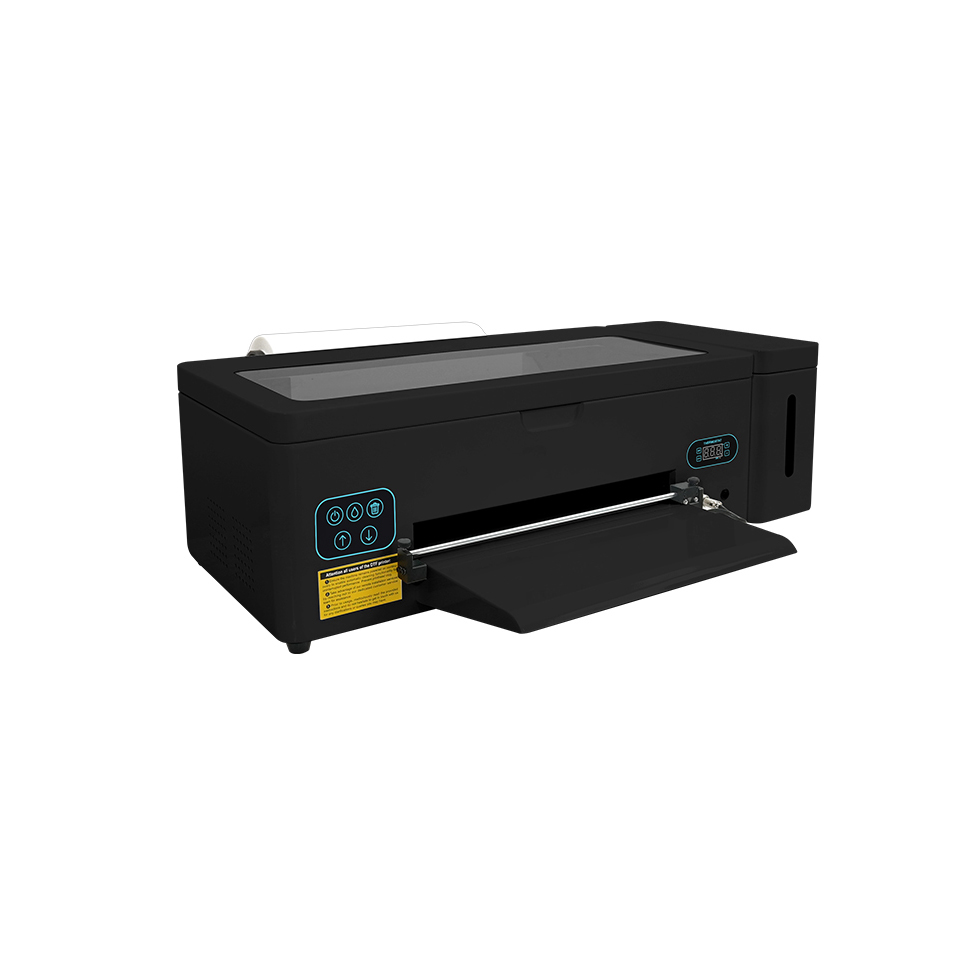
Compact entry-level model perfect for startups and small batch production.

Enhanced A4 model with improved ink efficiency for daily small-scale production.

A3 format printer with reliable R1390 motherboard for medium production.

Standard A3 model with 250ml ink tanks for consistent daily operation.

L1800 print head model offering superior color reproduction for detailed designs.

A3 Max series with XP600 print head for increased speed and efficiency.

A3 Max DTF Printer

High-performance A3 model with DX7 print head for professional results.

High-performance A3 model with XP600 print head for professional results.

Professional dual print head A3 printer for high-volume production.

a1 xp600 dtf printer

Industrial wide-format printer with dual XP600 heads (620mm width).

High-speed industrial model with dual I1600 heads (10㎡/h output).

Premium industrial printer with dual I3200 heads for maximum productivity.

What Is Sublimation Printing?

Sublimation is a dye-based transfer process:

  1. Print design on sublimation paper with sublimation inks
  2. Place paper on the substrate (polyester fabric or coated blank)
  3. Heat press: the dye converts to gas and bonds into the polyester/polymer coating

Many explanations describe sublimation occurring around the typical heat-press range (often cited around 350–400°F) where the dye transitions and penetrates polyester/polymer surfaces.

What you typically need for sublimation

  • Sublimation printer/ink setup
  • Sublimation paper
  • Heat press
  • Polyester garments or polymer-coated blanks (mugs, plaques, coated metal panels, etc.)

Material Compatibility: The #1 Decision Factor

Sublimation’s hard limit: polyester or polymer-coated items

Sublimation works best on:

  • High-polyester fabrics (often cited 70–100% polyester)
  • Rigid substrates with a polymer coating made for sublimation

This limitation is why sublimation is a superstar for sportswear and coated gift blanks—but frustrating for cotton-heavy apparel businesses.

DTF’s advantage: broad fabric coverage

DTF is widely promoted as compatible with cotton, polyester, blends, and more, because the adhesive layer bonds the print to the fabric surface rather than relying on polyester-only chemistry.

If your shop prints “whatever the customer brings” (cotton tees, hoodies, blends, uniforms), DTF usually fits more orders without changing blank strategy.

Light vs Dark Garments: Why the Results Differ

  • Sublimation dye is translucent, so it shines on white/light polyester and struggles on dark garments unless you introduce special workarounds (like sublimation vinyl layers).
  • DTF can handle dark garments because DTF workflows commonly include white ink and an opaque transfer layer. (This is a key practical advantage for custom apparel.)

Print Feel & Durability

Sublimation: “no feel” and no cracking/peeling

Because sublimation dye becomes part of the polyester/polymer surface, the print is often described as embedded, meaning it won’t crack/peel like a surface layer can.

DTF: a surface transfer layer (but can be very durable)

DTF prints sit on top of the fabric as a bonded layer. Durability depends heavily on:

  • proper powder coverage
  • proper curing
  • correct heat press time/temperature/pressure

When tuned correctly, DTF is positioned as long-lasting and resilient, but it remains a “transfer layer,” not an embedded dye.

Print Area & Design Style

Sublimation excels at full-coverage and all-over looks

Sublimation is widely used for large-area designs—especially patterns and all-over apparel—because the process can cover extensive areas of polyester fabric when set up correctly.

DTF excels at logos, chest prints, and multi-SKU personalization

DTF is excellent for:

  • left-chest logos
  • full-front graphics within your press size
  • fast switching between designs without screens

Equipment, Workflow, and Shop Complexity

DTF workflow complexity (more moving parts)

DTF adds steps: powdering + curing before heat pressing. That can mean more equipment and more process control.

Sublimation workflow complexity (simpler—but blanks matter)

Sublimation is often operationally simpler (print paper → press), but it forces you into:

  • polyester garment inventory, or
  • polymer-coated blank inventory

Cost Considerations (real-world budgeting)

Costs vary wildly by brand and scale, but the cost structure is usually:

DTF cost buckets

  • Printer (often with white ink capability)
  • PET film + hot-melt powder
  • Curing solution (oven/shaker) + heat press

Sublimation cost buckets

  • Sublimation ink setup + paper
  • Heat press
  • Polyester garments or polymer-coated blanks

A common business reality: sublimation equipment can be easier/cheaper to start with, but sublimation blanks (poly garments, coated items) can shape your margins and product strategy.

Maintenance Reality

  • DTF often includes white ink, which generally means more routine (nozzle checks, cleaning, humidity control) plus powder/curing housekeeping.
  • Sublimation usually avoids white ink, and many shops find it simpler day-to-day—again, as long as they stay within polyester/coated substrates.

Safety & Ventilation

DTF: pay attention to powder dust and curing emissions

Industrial IAQ discussions note DTF can produce dust, smoke, and fumes during printing and curing, and recommend proper ventilation/filtration.
Some hot-melt powder safety documents recommend respiratory protection when airborne dust levels are high.

Sublimation: ventilate during heat pressing

Sublimation involves heating dyes; multiple safety guides recommend good ventilation during pressing to reduce exposure to fumes/vapors.

Best Use Cases (What each method is “made for”)

Choose DTF if you sell:

  • Cotton tees and hoodies
  • Mixed fabric orders (cotton/poly/blends)
  • Dark garments and wide customer-supplied blank variety
  • Fast turnaround logo and graphic tees

Choose Sublimation if you sell:

  • Polyester sportswear and performance apparel
  • All-over patterns and photo-heavy designs on polyester
  • Polymer-coated gifts (mugs, coated metal panels, plaques, etc.)

A common strategy is “DTF for apparel flexibility + sublimation for polyester/blank gifts” rather than forcing one method to do everything.

Decision Guide (simple rules that work)

Pick DTF if any of these are true:

  • Your customers want cotton or dark shirts
  • You need one method that covers the widest apparel range
  • You want a transfer you can apply on demand

Pick Sublimation if any of these are true:

  • You will focus on polyester/light garments
  • You want “no feel” prints and all-over looks
  • You plan to sell a lot of polymer-coated blanks

FAQ: DTF vs Sublimation

Can sublimation print on cotton?

Not well in the traditional sense—sublimation is primarily for polyester/polymer-coated surfaces. Workarounds exist (special vinyl layers), but it changes the product feel and workflow.

Can DTF print on polyester?

Yes—DTF is commonly used on polyester and blends, but pressing parameters and garment type still matter for best results.

Which is better for dark shirts?

DTF is usually the clear winner because sublimation is best on light polyester due to dye transparency.

Which lasts longer?

Sublimation is often considered extremely durable because the dye is embedded in the substrate, while DTF durability depends on correct powder curing and pressing.

Which is better for mugs and hard goods?

Sublimation is excellent for polymer-coated hard blanks. DTF is mainly a fabric transfer system.

Which is easier to start with?

Many beginners find sublimation simpler (print → press), but only if they’re okay with polyester/coated-only product lines. DTF has more steps (powder/cure) but covers far more apparel types.

Conclusion

  • DTF is the “most flexible apparel transfer” option—great for cotton, dark garments, and mixed-fabric orders.
  • Sublimation is the “polyester + coated blanks powerhouse”—best for vivid, embedded, no-feel prints on light polyester and polymer-coated products.

You May Like


MAY BE YOU LIKE ALSO

  • EraSmart Printer

    uv printer
    DTF printer
    DTG printer
    Heat press machine
    Advertising printer

  • Printer tools

    DTF oven
    Hot Press
    Carving machine
    Mug heat transfer
    Laminating machine

  • Consumables

    Printing INK
    Cellphone case
    Glass product
    Cleaning fluid
    Cotton swab

  • Contact Us

    WhatsApp:+8618566233796
    WeChat: +8618566233796
    Mobile: +8618566233796
    Web:www.erasmart.com
    Shop:www.erasmartmall.com

  • Request A Quote

    Just provide a few details and we will help you get quick quotes!