
DTF ROI Calculator
This calculator helps you estimate
Monthly revenue
Cost per sellable print
Break-even months
DTF ROI Inputs
This calculator assumes your main goal is to estimate how much monthly profit the DTF setup can generate and how many months are needed to recover the initial investment.
ROI Summary
The results below show a simplified business model. Treat them as planning guidance, then compare them with your actual order mix and workflow reality.
ROI Formula Logic
Sellable pieces per day × working days per month × selling price per piece
Sellable pieces ÷ (1 - reject rate)
Actual printed pieces × (consumables + labor + utilities)
Monthly revenue - variable cost - monthly maintenance - monthly overhead
Total setup investment ÷ monthly net profit
The 5 Levers That Matter Most
A strong workflow still struggles if you price too low to support the real cost structure.
Waste silently destroys ROI because it raises actual prints needed for every sellable order.
More accepted and completed orders usually move payback faster than chasing very small consumable savings.
A smoother workflow improves ROI by reducing manual friction, not only by printing faster.
The right printer, width, consumables, and finishing setup create a more realistic model than machine price alone ever can.
How to Read the Result by Business Stage
Focus first on realistic order flow and waste control. Small setups often improve ROI faster by stabilizing process quality than by pushing for the biggest machine.
This is where ROI usually improves most from stronger daily throughput, better finishing rhythm, and fewer reject-driven remakes.
At higher scale, ROI becomes more sensitive to downtime, labor structure, and whether the entire line stays commercially stable day after day.
Related Guides
Continue Building a Better DTF Workflow
Use this after ROI to match the machine tier with your actual business stage.
Check whether the machine, width, finishing plan, and service terms really fit the model you calculated.
A finishing bottleneck can quietly slow payback even when the printer itself looks right.
Consumables and reject-rate control have a direct impact on your real cost per sellable piece.
Frequently Asked Questions
-
1. Can I mix different DTF inks freely?
That is usually not a good habit. Ink changes should be approached as a controlled workflow decision, not a casual refill choice.
-
2. Which is better, hot peel or cold peel?
Neither is automatically better. The best film depends on your production rhythm, operator preference, and target transfer feel.
-
3. Does powder really affect softness?
Yes. Powder choice is one of the main reasons transfers feel softer, firmer, or more application-specific in practice.
-
4. Why do some prints feel fine at first but later create complaints?
Because a mismatched consumable system may still work for short-term output while quietly reducing long-term consistency and customer satisfaction.
EraSmart Printer Series
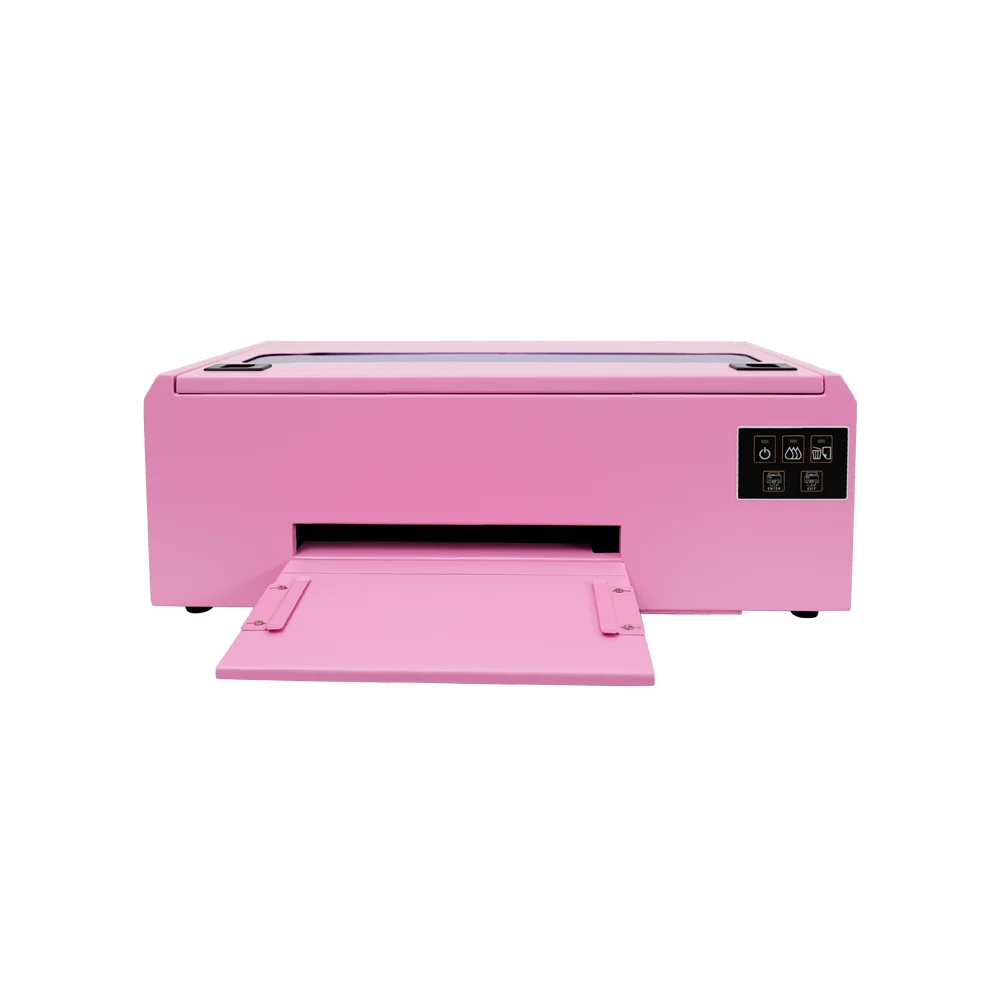
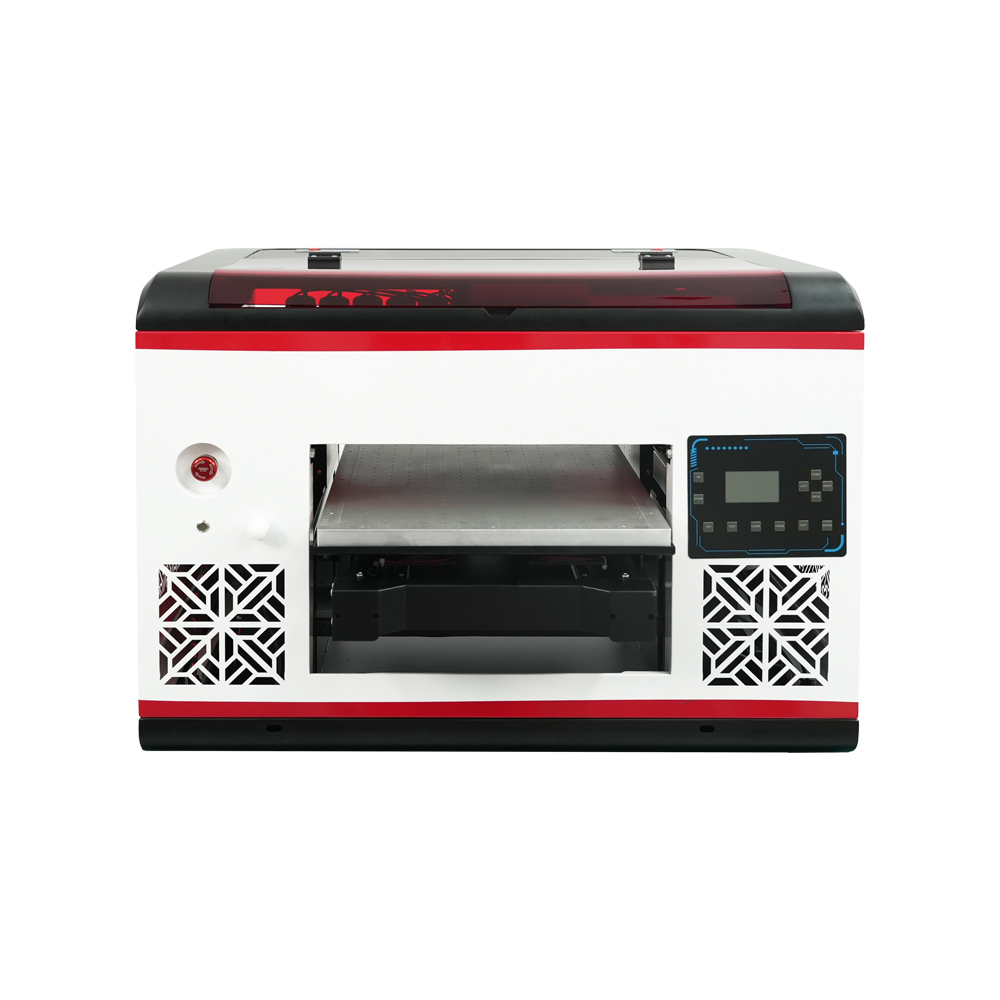
High-quality UV Printers for metal, acrylic, glass, wood & more. Instant curing, vivid 1440dpi prints, versatile for diverse materials.
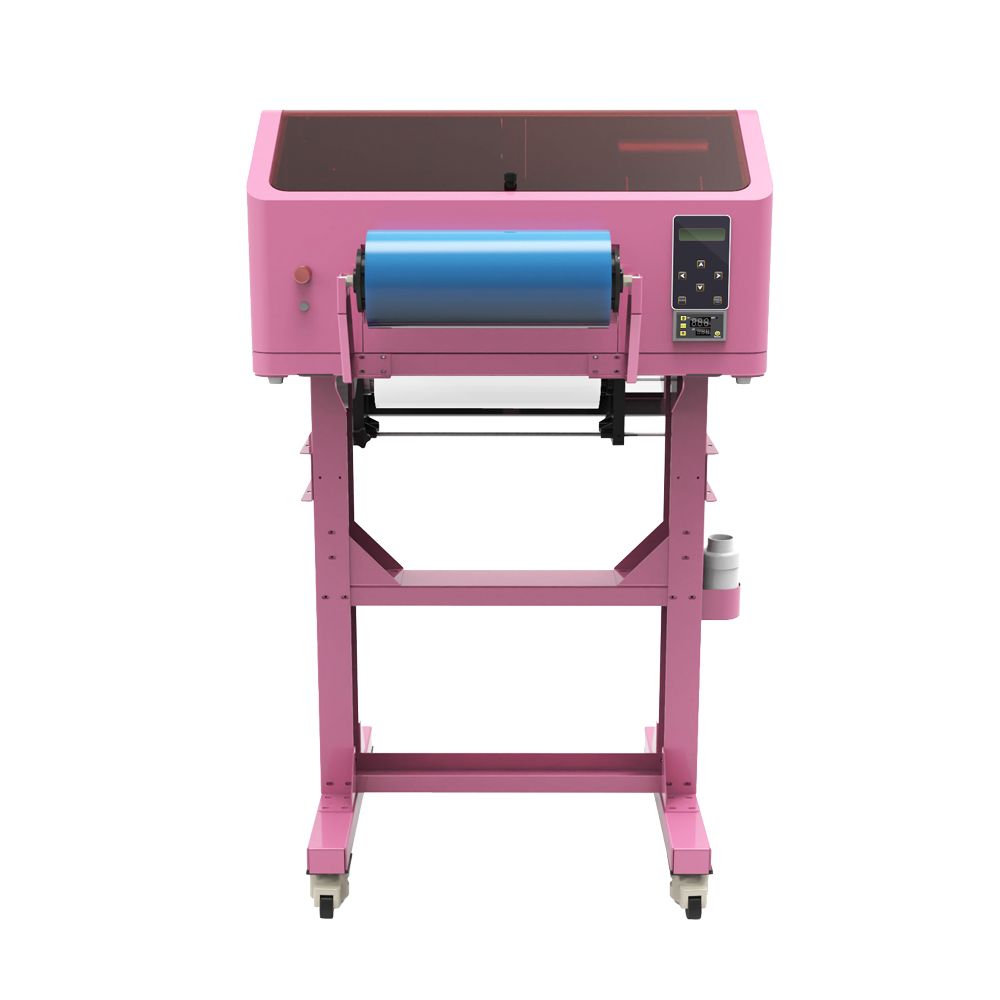
Print vivid, raised decals with **CMYK + White + Varnish** in one pass. No powder. No oven. Peel and stick on flat or curved items in minutes.
Couldn't find a suitable guide? Get Free Technical Support Now!
Just provide a few details and we will help you get quick quotes!
EraSmart Printer
uv printer
DTF printer
DTG printer
Heat press machine
Advertising printer
Printer tools
DTF oven
Hot Press
Carving machine
Mug heat transfer
Laminating machine
Consumables
Printing INK
Cellphone case
Glass product
Cleaning fluid
Cotton swab
Contact Us
WhatsApp:+8618566233796
WeChat: +8618566233796
Mobile: +8618566233796
Web:www.erasmart.com
Shop:www.erasmartmall.com
WhatsApp us
Downlond
Leave you email and send download url to email.
Request A Quote
Just provide a few details and we will help you get quick quotes!