
DTF Troubleshooting
Most DTF problems are not random. White ink instability, white edge, blurry detail, stringing, static, poor transfer feel, and film-related issues usually come from one of four places: maintenance, consumables, environment, or settings. This page helps you identify the symptom first, then trace the most likely cause group before changing too many variables at once.
This page helps you answer
What symptom am I actually seeing?
What should I check before I change settings?
Which guide should I open next?
On this page
How to Use This Page
Root Cause Groups
Symptom Index
First Check Sequence
White Ink Issues
Output Defects
Workflow Issues
FAQ
Troubleshooting Method
How to Troubleshoot DTF Problems Without Creating New Ones
The most common troubleshooting mistake is changing too many things at once. If you change the queue, film, ink, powder, heat settings, and maintenance routine in the same session, you may never know what actually fixed or worsened the problem. A better approach is to identify the symptom, match it to the likely cause group, then make the safest checks first.
On most DTF lines, the first layer of diagnosis should start with four cause groups: maintenance, consumables, environment, and settings. Those four explain most recurring print complaints more reliably than random trial and error.
1. Identify the symptom
Describe what you can actually see before assuming a cause.
2. Match the cause group
Maintenance, consumables, environment, or settings usually narrows the answer quickly.
3. Check before changing
Start with the fastest and safest checks before deeper intervention.
4. Prevent recurrence
The real win is not one recovery. It is a stronger workflow afterward.
Root Cause Groups
The Four Main Cause Groups Behind Most DTF Problems
Maintenance
White ink neglect, skipped daily care, dirty print zones, and poor idle handling often cause delayed instability.
Consumables
Ink, film, and powder mismatch can create output that looks like a hardware issue even when it is not.
Environment
Humidity, static, dust, airflow, and room instability often influence film behavior and print reliability.
Settings
Wrong queue logic, white density, RIP assumptions, or transfer settings can distort an otherwise healthy workflow.
Symptom Index
Start Here: Which DTF Problem Are You Seeing?
White ink not printing or unstable
Start here if the white layer looks weak, inconsistent, or harder to recover than normal.
White edge / blurry print / stringing / static
Use this group when the problem is visible in output quality rather than obvious ink delivery failure.
Film lifting / head-strike risk / transfer inconsistency
Use this group when the workflow feels unstable even before the final garment result fails.
First Check Sequence
What to Check First Before You Blame the Machine
1. Did anything change recently?
New film, new ink, new powder, weather change, longer idle time, or altered settings often explains “sudden” problems.
2. Is the white side actually healthy?
Many defect patterns become easier to understand once white ink behavior is checked honestly.
3. Is the room making things worse?
Dry air, static, dust, and unstable temperature often push a borderline workflow into visible trouble.
4. Is the process matched end to end?
Ink, film, powder, queue, curing, and pressing should be reviewed as one chain.
Troubleshooting Rules
Do These Before You Start Deep Intervention
Do not change five variables at once
You lose the ability to learn what actually changed the result.
Do not stop basic white maintenance while waiting
A support delay should not become a physical deterioration period.
Do not ignore repeated minor signs
Repeated “small” issues are often the early stage of a larger workflow failure.
Do not forget the whole line
A problem visible after pressing may still originate upstream in film, powder, or white behavior.
Problem Group 1
White Ink Issues
• White not printing normally
• Daily recovery feels harder
• Downtime causes bigger changes than before
If the White Side Feels Wrong, Start Here
White ink is usually the most maintenance-sensitive part of the DTF workflow. When white output becomes inconsistent, harder to recover, or visibly weaker, the issue may involve stagnation, idle handling, consumable mismatch, or a general maintenance drift.
Because white ink is often the first place where workflow stress becomes visible, it is better to treat white issues as high-priority diagnostics, not as something to “watch for a few more days.”
Open next
Use this as the main white-ink knowledge hub.
Go deeper into daily prevention logic and anti-clogging habits.
Open this if the issue appeared after downtime.
Problem Group 2
Output Defects: What the Symptom Usually Points To
White Edge
Often points to white-layer relationship, queue logic, profile assumptions, or unstable white behavior.
Blurry Print
Often points to film stability, detail loss before pressing, or a process that stopped behaving cleanly.
Stringing
Often points to a print area or workflow that is no longer clean, stable, and controlled.
Static
Usually points to the room first, then film handling, and only after that to machine-side adjustments.
Problem Group 3
Workflow Problems That Often Trigger Later Defects
Film lifting or unstable feed
This often creates later blur, head-risk pressure, and more uncertain transfer quality.
Powder and drying inconsistency
A good print can still become a weak transfer if powdering and curing are not repeatable.
Transfer result changes after pressing
The final garment result should be checked together with film, curing, and press logic, not only as a press issue.
Preventive Direction
If Problems Keep Returning, Strengthen the Whole Workflow
DTF Production Workflow
Review the entire line from artwork and film to powder, curing, pressing, and QC.
DTF Consumables Guide
Repeated defects often come from ink, film, or powder mismatch rather than machine failure alone.
DTF Maintenance Guide
Use this when the line feels generally harder to stabilize than it used to be.
Escalation Logic
When to Stop Guessing and Escalate the Issue
If the same symptom returns repeatedly after reasonable first checks, the problem should stop being treated as a one-off event. Repeating defects usually mean the workflow has moved into a less healthy operating state and needs a more structured diagnosis.
At that stage, the best next step is usually to document what changed, what symptom appeared first, whether the issue worsens after idle time, and whether the white side of the workflow is behaving differently than before. That gives support and operators a better starting point than trial and error.
Escalate sooner when
White behavior changes after downtime
This often points to a deeper pattern rather than a random fluctuation.
The same defect returns across jobs
Repeated recurrence means the workflow root cause likely remains active.
You are compensating with more and more workarounds
A growing list of workarounds usually signals that the system needs a cleaner diagnosis.
Related Guides
Open the Right EraSmart Guide Next
Main hub for white ink behavior, daily prevention, and recovery logic.
Use this when the problem is mostly visible in output defects.
Return to the broader daily, weekly, and idle-time maintenance framework.
Open this when ink, film, or powder match is part of the suspected problem.
Frequently Asked Questions
-
1. What is the best way to start DTF troubleshooting?
Start with the visible symptom, then review recent changes, white ink behavior, room condition, and consumable match before deep intervention.
-
2. Why do many DTF problems seem to appear after the printer sits?
Because downtime often increases white-ink risk and exposes a workflow that was already drifting away from a stable condition.
-
3. Should I assume a repeated defect is a hardware problem?
Not immediately. Repeated defects often come from maintenance, consumables, settings, or room conditions before they prove a hardware failure.
-
4. Why is white ink usually checked first?
Because in many DTF systems, white behavior reveals stress earlier than the rest of the workflow.
EraSmart Printer Series
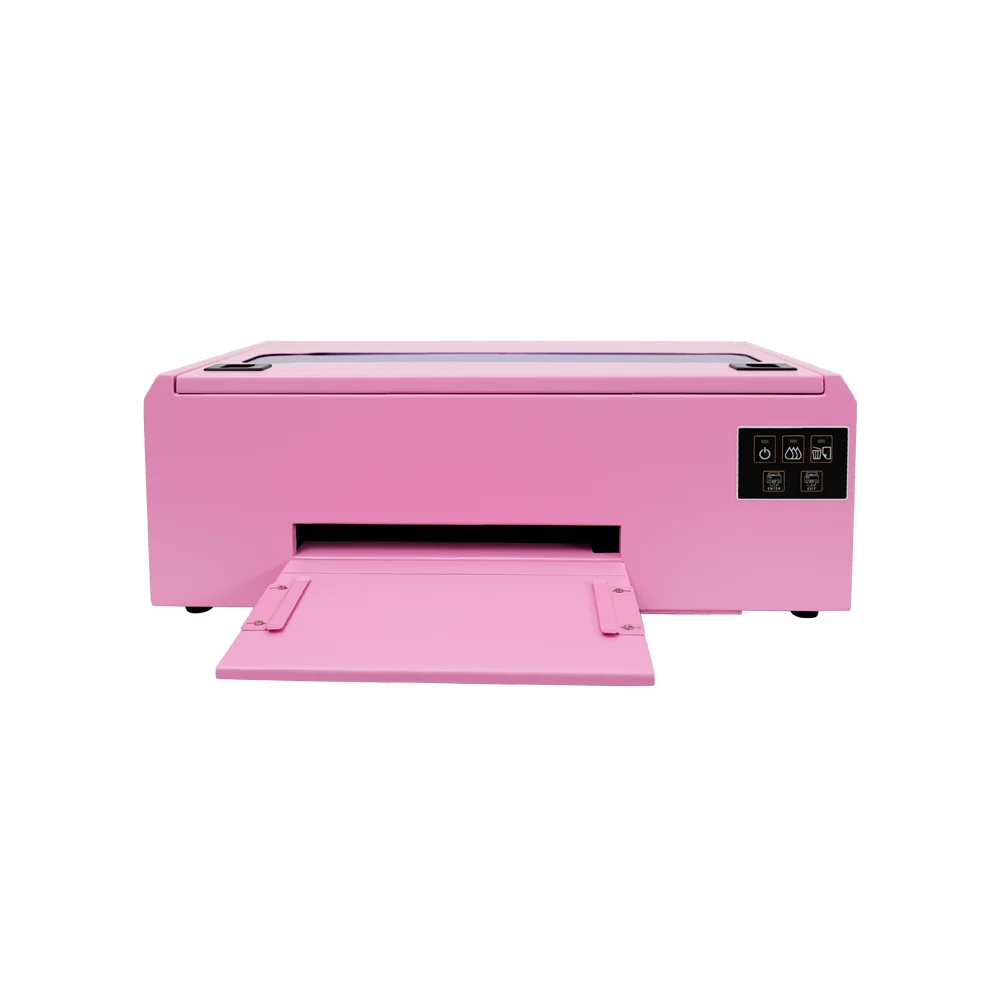
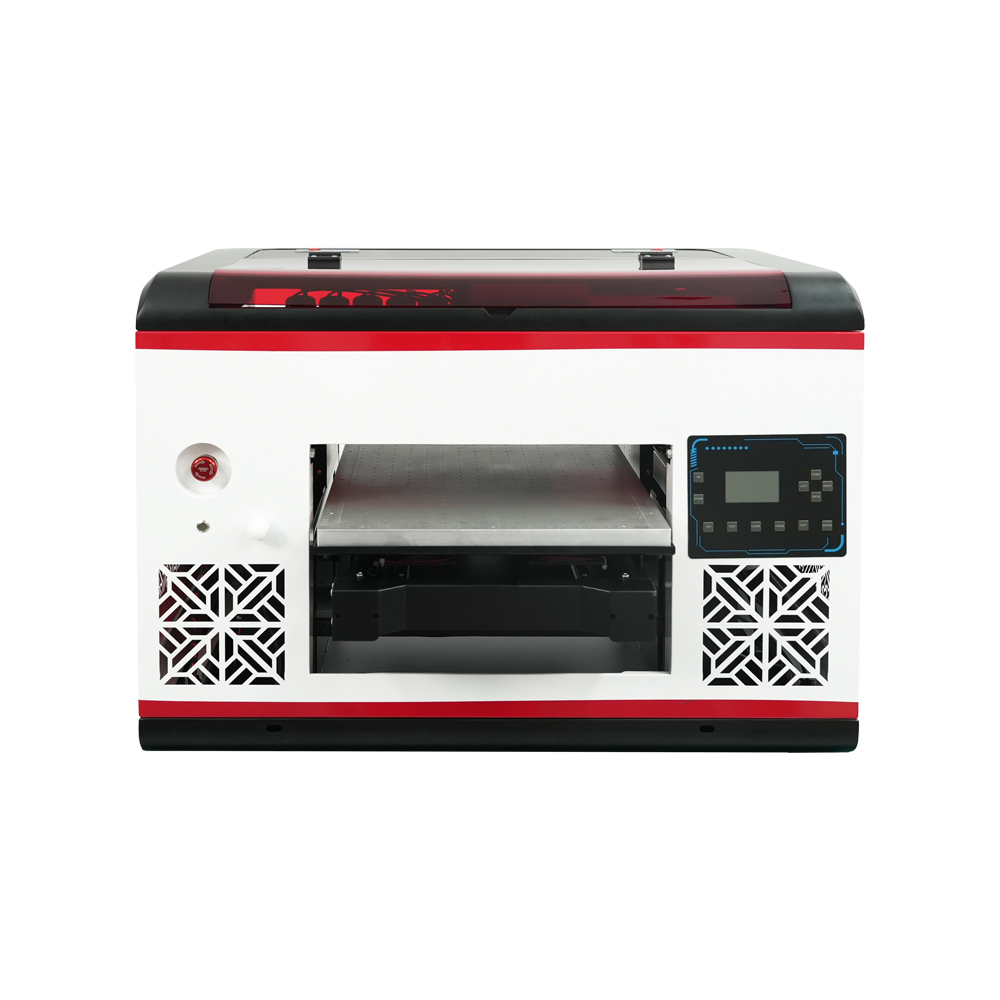
High-quality UV Printers for metal, acrylic, glass, wood & more. Instant curing, vivid 1440dpi prints, versatile for diverse materials.
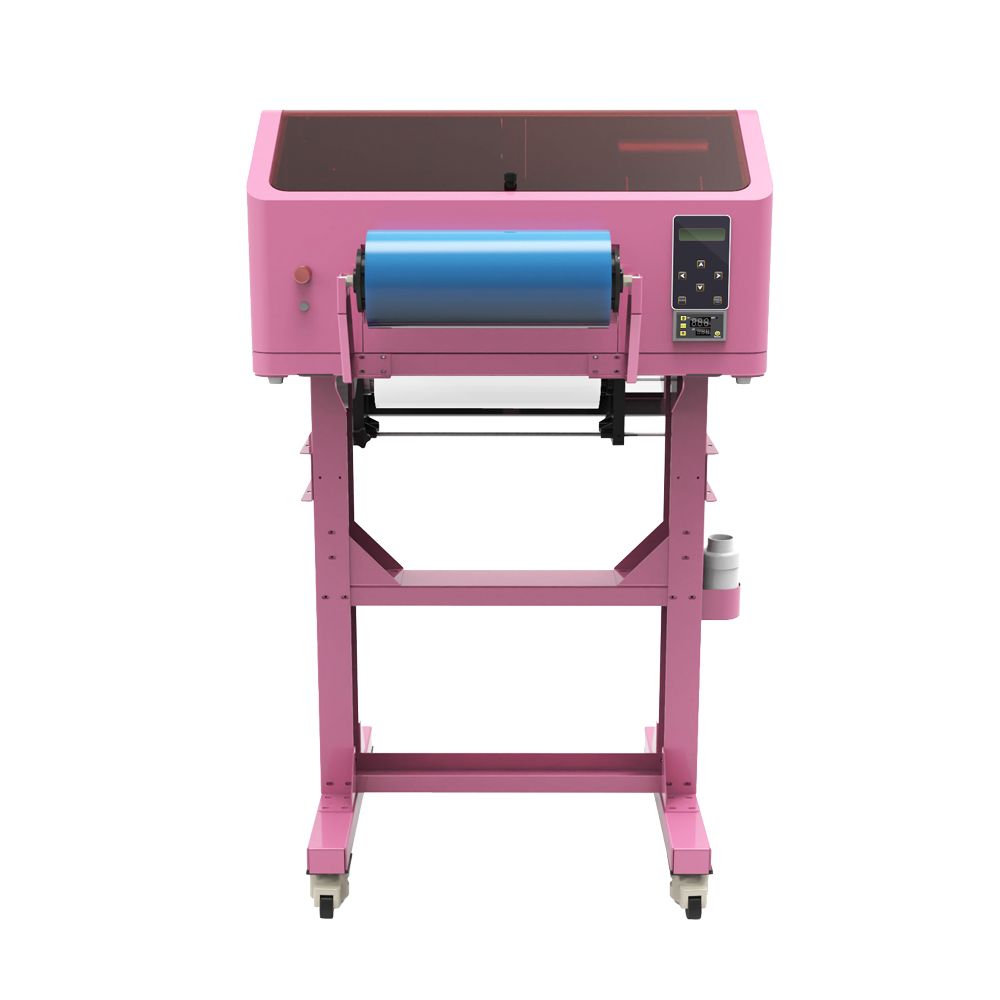
Print vivid, raised decals with **CMYK + White + Varnish** in one pass. No powder. No oven. Peel and stick on flat or curved items in minutes.
Couldn't find a suitable guide? Get Free Technical Support Now!
Just provide a few details and we will help you get quick quotes!
EraSmart Printer
uv printer
DTF printer
DTG printer
Heat press machine
Advertising printer
Printer tools
DTF oven
Hot Press
Carving machine
Mug heat transfer
Laminating machine
Consumables
Printing INK
Cellphone case
Glass product
Cleaning fluid
Cotton swab
Contact Us
WhatsApp:+8618566233796
WeChat: +8618566233796
Mobile: +8618566233796
Web:www.erasmart.com
Shop:www.erasmartmall.com
WhatsApp us
Request A Quote
Just provide a few details and we will help you get quick quotes!
Downlond
Leave you email and send download url to email.
Need Printer Price?
Tell us your printing needs. Our team will reply within 24 hours.