
DTF vs DTG vs Screen Printing vs HTV
No garment decoration method wins every job. The right choice depends on order quantity, fabric type, artwork complexity, setup burden, turnaround speed, and how your business actually makes money. This guide compares DTF, DTG, screen printing, and HTV from a real production perspective so you can choose the method that fits the order instead of forcing every order into the same workflow.
This page helps you decide
When DTF is the most practical option
When another method is actually better
How to choose by business model
On this page
Quick Answer
Comparison Table
DTF
DTG
Screen Printing
HTV
Best by Scenario
FAQ
Quick Answer
Which Method Wins Which Type of Order?
DTF is often the most balanced answer for one-piece orders, short runs, full-color artwork, mixed-fabric workflows, dark garments, and fast-turnaround custom jobs. DTG is often strongest when the business is cotton-focused and the product positioning values a direct-print feel. Screen printing usually becomes stronger when order volume is higher and the design will repeat enough to justify setup work. HTV is usually strongest for simple graphics, names, numbers, and cut-shape personalization.
Most Balanced - DTF
Best when the business depends on low MOQ, mixed fabrics, and flexible order handling.
Cotton-Focused - DTG
Best when the product direction is more cotton-centric and direct garment printing is the main goal.
Bulk Repeat Jobs - Screen Printing
Best when setup can be spread across larger repeat orders and stable volume matters more than flexibility.
Simple Personalization - HTV
Best when the design is simple, clean, and easy to cut, weed, and apply.
DTF
Most Balanced for Modern Custom Apparel Workflows
• Strong for low MOQ and short runs
• Practical across mixed fabric orders
• Good fit for fast-turnaround custom work
When DTF Usually Makes the Most Sense
DTF is often the most balanced choice when a business has to deal with one-piece orders, frequent design changes, full-color artwork, dark garments, sportswear names and numbers, and mixed-fabric order flow. Instead of printing directly on the shirt, DTF builds the image on film and transfers it afterward, which gives the workflow much more flexibility in everyday commercial use.
This is why DTF is especially strong for e-commerce sellers, local customization studios, startup apparel brands, and production teams that need to say yes to many different job types without heavy setup friction.
DTF is usually best when
The order is small or mixed
DTF usually handles one-offs and short runs with less setup burden.
The fabric mix is broad
A mixed cotton / polyester / blend workflow is one of DTF’s strongest commercial advantages.
The artwork is color-rich
DTF is very strong when the design has gradients, detail, or full-color complexity.
DTG
Best for Direct-to-Garment Cotton-Oriented Workflows
• Strong detail on suitable garments
• Usually strongest on cotton-focused products
• More process-sensitive for dark garments and polyester
When DTG Usually Makes More Sense
DTG is often strongest when the business is centered on direct garment printing, especially on cotton-heavy products where the brand values a direct-print presentation. It can be an excellent choice for retail-style garment decoration when the workflow and garment choice are well matched.
But DTG is usually more process-sensitive when dark garments, white ink, and polyester-related jobs enter the workflow. That is exactly where many mixed-order businesses begin feeling friction and start looking more seriously at DTF instead.
DTG is usually best when
The garment program is cotton-led
DTG is commonly strongest when the workflow is more focused on suitable natural-fiber garments.
Direct garment printing is the product story
Some brands prefer a direct-on-shirt workflow and build the product positioning around it.
The shop can manage pretreat discipline
DTG becomes less comfortable when the order mix keeps pushing it into more process-heavy situations.
Screen Printing
Best for Repeat Volume and Setup-Efficient Runs
• Strong when the order repeats enough
• Setup becomes worth it at scale
• Small orders often carry too much setup weight
When Screen Printing Usually Wins
Screen printing usually becomes stronger when the design will repeat enough times that screen setup, color separation, registration, and preparation work can be spread across a larger quantity. In that environment, its setup burden becomes easier to justify and the workflow can become very efficient.
But that same setup logic is what makes screen printing less comfortable for one-piece work, short runs, or frequent artwork changes. If the order mix is highly variable, modern DTF workflows often feel much more commercially practical.
Screen printing is usually best when
The order is large and repeatable
The bigger the repeat run, the easier it is to justify setup work.
The design will be reused
A repeat program makes the screen workflow commercially stronger.
The shop is built around volume efficiency
Screen printing usually shines when the operation is organized for repeat production.
HTV
Best for Simple Shapes, Names, and Numbers
• Strong for simple personalization
• Cutting and weeding are part of the job
• Complexity raises labor quickly
When HTV Usually Makes More Sense
HTV is usually strongest when the design is simple, clean, and easy to cut and weed. That makes it practical for player names, jersey numbers, simple logos, and straightforward personalization jobs where cut-shape logic still works efficiently.
But once the artwork becomes multi-color, photo-style, or heavily detailed, HTV labor rises quickly because cutting and weeding become the real bottleneck. This is one of the main reasons many businesses outgrow HTV and move to DTF for broader commercial flexibility.
HTV is usually best when
The design is simple and cut-friendly
Simple lettering and shapes are where HTV usually feels most efficient.
The order is name-number style personalization
This is still one of HTV’s most natural commercial use cases.
Layering is manageable
As artwork becomes more complex, layering and weeding can quickly become inefficient.
Comparison Table
DTF vs DTG vs Screen Printing vs HTV at a Glance
| Comparison Point | DTF | DTG | Screen Printing | HTV |
|---|---|---|---|---|
| Best fit | Low MOQ, short runs, mixed fabrics, dark garments, full-color art | Cotton-focused direct garment workflow, detail-rich apparel | Large repeat orders with setup spread across volume | Simple logos, names, numbers, cut-shape personalization |
| Minimum quantity logic | Strong at one-off and short-run production | Good for short runs, but garment and pretreat requirements matter | Stronger when quantity is large enough to justify setup | Works for one-offs, but labor scales poorly with complexity |
| Fabric flexibility | Usually the most flexible across cotton, polyester, and blends | Usually strongest on cotton and higher natural-fiber content | Depends on ink system and production method | Broad substrate potential, but cut/weed labor remains part of the job |
| Artwork complexity | Handles full color, gradients, and detail well | Strong detail on suitable garments | Full-color and multi-color work requires more separation and setup | Simple shapes are strong; complexity raises labor sharply |
| Setup burden | No screens, but film, powder, and curing still matter | Direct print workflow, but pretreat can add process weight | Highest setup burden among the four | Cutting and weeding are part of every job |
| Business personality | Fast, flexible, mixed-order, on-demand | Retail-style direct print, cotton-led | Repeat production, volume efficiency | Simple customization and name-number style jobs |
Best by Scenario
Which Method Fits Which Business Scenario?
E-commerce Fast Turnaround
DTF is often the strongest fit because orders are mixed, low-MOQ, full-color, and fast-changing.
Premium Cotton Tee Program
DTG may feel more natural when the whole product concept stays cotton-focused and direct garment printing is the core story.
Bulk Event or Brand Order
Screen printing often becomes stronger when the design repeats enough to justify setup across higher volume.
Names & Numbers
HTV still makes sense when the job is simple, repeatable, and shaped for cut-vinyl logic.
EraSmart View
Why Many Modern Custom Apparel Businesses Still Move Toward DTF
For many modern shops, the real problem is not “which method is the most famous.” The real problem is which method says yes to the widest range of profitable jobs. DTF usually becomes attractive because it handles low minimums, mixed fabrics, dark garments, and fast artwork turnover with fewer commercial restrictions than older workflows.
That does not mean DTF replaces every other process. It means DTF often becomes the most practical center of a modern short-run, on-demand, customization business.
DTF usually becomes the better answer when you need
Broader fabric freedom
Cotton-only comfort is not enough if the order mix keeps expanding into polyester and blends.
Lower setup friction
Modern fast-turnaround businesses usually value flexibility more than rigid repeat-only efficiency.
More order acceptance confidence
A broader commercial fit usually means more profitable jobs can be accepted without hesitation.
Related Guides
Continue the EraSmart DTF Reading Path
Go deeper into the business logic behind why DTF is often the most practical modern choice.
If DTF is the right method, the next step is choosing the right machine tier.
See how DTF runs from design to film, powder, curing, pressing, and final QC.
Test the profitability side after you decide that DTF fits your business model.
Frequently Asked Questions
-
1. Which is better for small business: DTF or DTG?
For many small businesses, DTF is often the more flexible answer because it handles mixed fabrics, dark garments, and short runs more comfortably. DTG is still strong when the workflow is more cotton-focused and direct garment printing is the main product logic.
-
2. Is screen printing better than DTF?
Not automatically. Screen printing is usually stronger for larger repeat orders, while DTF is usually stronger for low MOQ, fast-turnaround, mixed-order customization.
-
3. Is HTV cheaper than DTF?
HTV can feel simpler for basic jobs, but once the artwork becomes more detailed or multi-color, cutting and weeding labor can become the real cost. That is where DTF often becomes more commercially efficient.
-
4. Why do many modern shops compare DTF against all three methods?
Because DTF often sits in the middle of the modern custom apparel market: more flexible than screen printing for short runs, broader than DTG for mixed fabrics, and less labor-heavy than HTV for full-color complex art.
EraSmart Printer Series
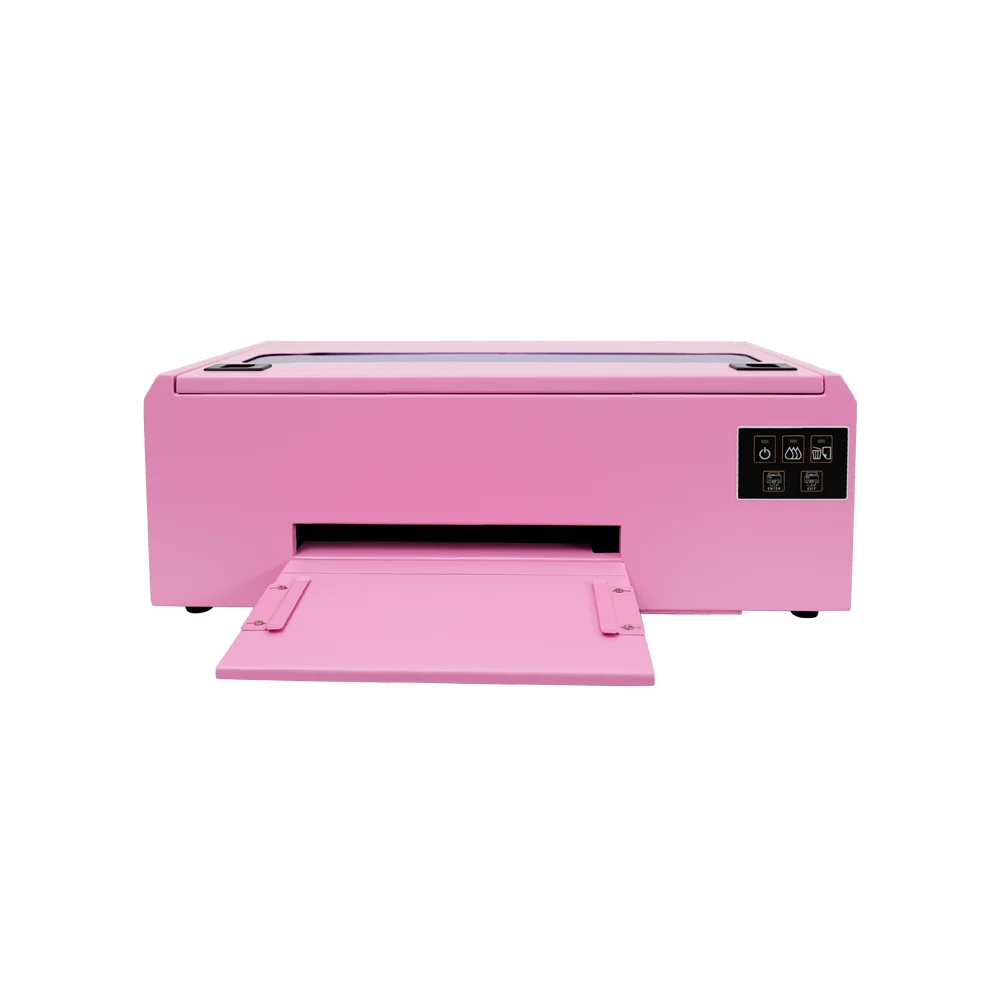
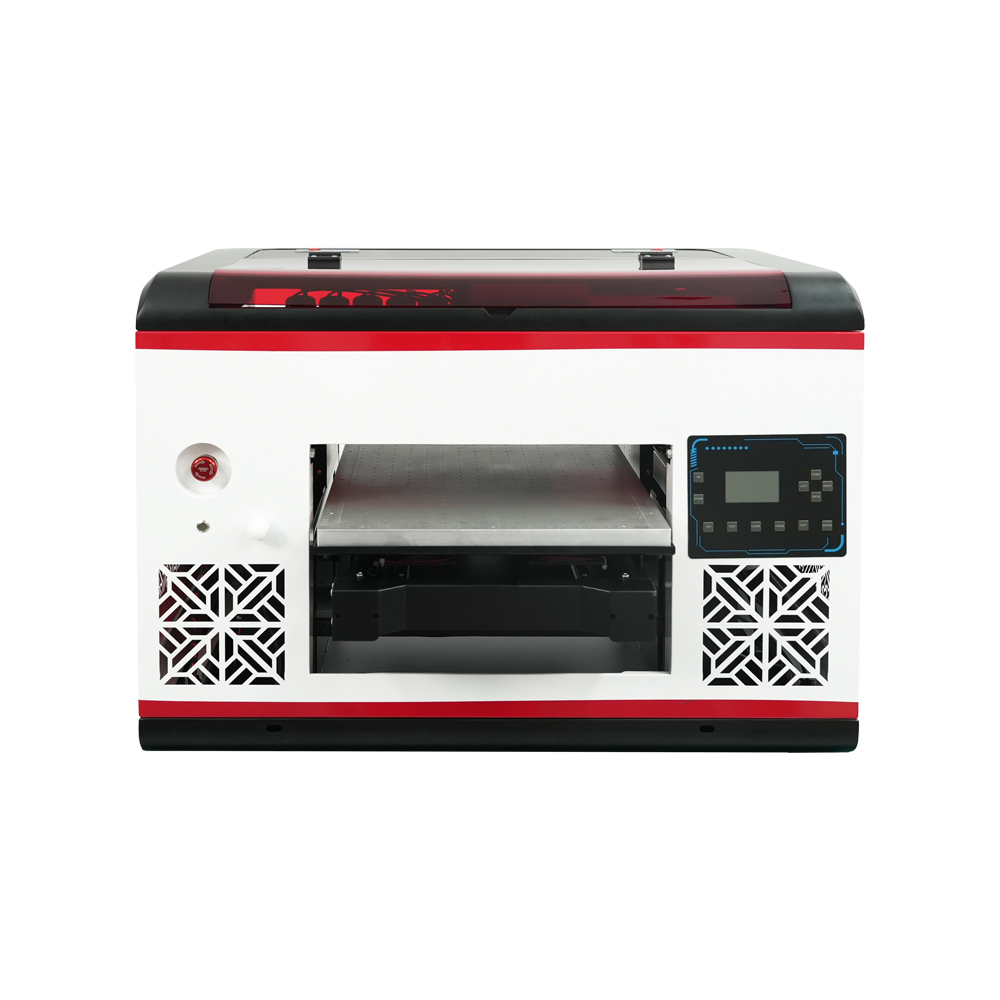
High-quality UV Printers for metal, acrylic, glass, wood & more. Instant curing, vivid 1440dpi prints, versatile for diverse materials.
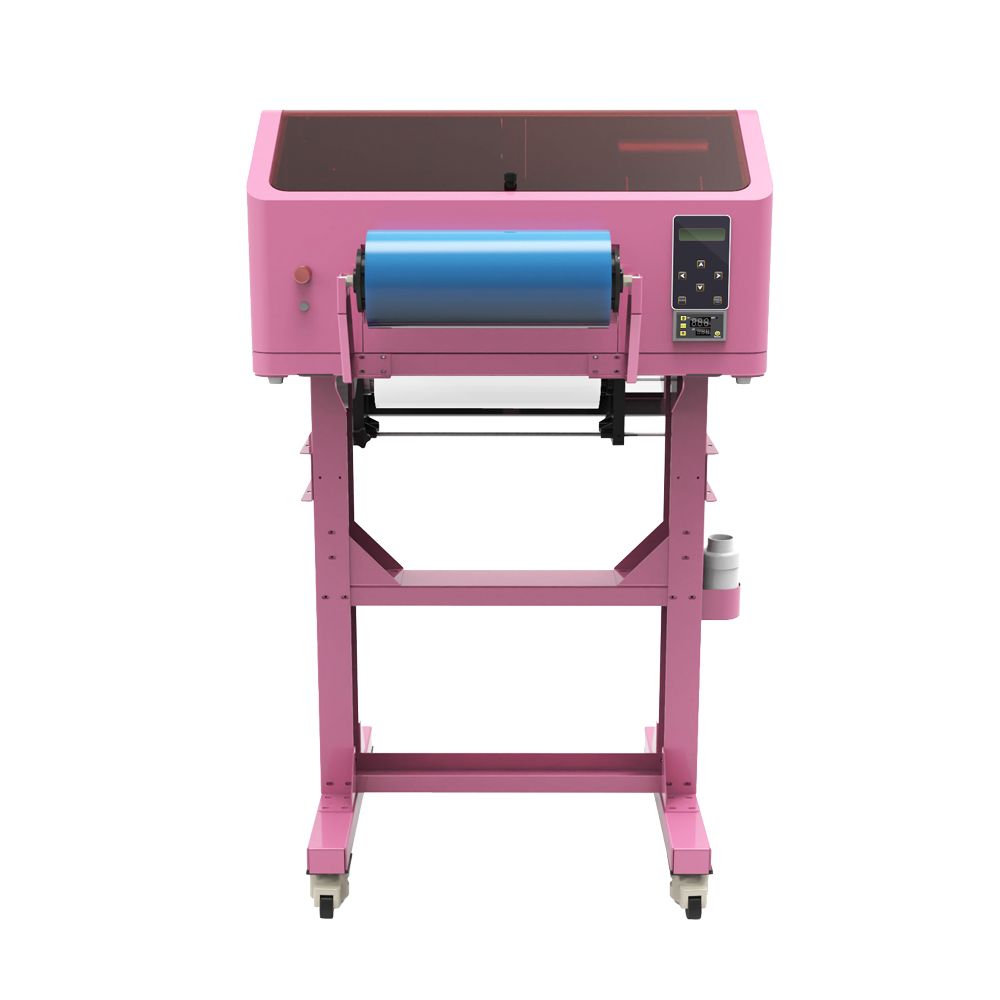
Print vivid, raised decals with **CMYK + White + Varnish** in one pass. No powder. No oven. Peel and stick on flat or curved items in minutes.
Couldn't find a suitable guide? Get Free Technical Support Now!
Just provide a few details and we will help you get quick quotes!
EraSmart Printer
uv printer
DTF printer
DTG printer
Heat press machine
Advertising printer
Printer tools
DTF oven
Hot Press
Carving machine
Mug heat transfer
Laminating machine
Consumables
Printing INK
Cellphone case
Glass product
Cleaning fluid
Cotton swab
Contact Us
WhatsApp:+8618566233796
WeChat: +8618566233796
Mobile: +8618566233796
Web:www.erasmart.com
Shop:www.erasmartmall.com
WhatsApp us
Request A Quote
Just provide a few details and we will help you get quick quotes!
Downlond
Leave you email and send download url to email.