
How to Choose a UV Printer for Your Products, Budget, and Business Model
The right UV printer is not simply the largest, fastest, or most expensive machine. A good choice starts with your product type, print size, material surface, white ink requirement, varnish effect, daily order volume, maintenance ability, and expected return on investment.
Selection Framework
Step 1
Step 2
Step 3
Step 4
Application First
Choose based on phone cases, acrylic, glass, metal, wood, gifts, signs, or decals.
Size Matters
A5, A4, A3, and A2 machines serve different production scales and product sizes.
Ink Configuration
CMYK, white ink, and varnish determine what effects and materials you can handle.
Long-Term Stability
Maintenance, printhead protection, RIP software, spare parts, and support affect real ROI.
Start Here
Do Not Choose a UV Printer by Price Alone
Many buyers compare UV printers only by price, print size, or printhead name. This is risky because UV printing performance depends on the complete system: machine structure, platform accuracy, ink configuration, white ink circulation, curing control, RIP software, printhead maintenance, material compatibility, and after-sales support.
A small UV printer can be profitable if it fits your product category and order model. A larger machine can also become inefficient if your products are too small, your workflow is not standardized, or your maintenance routine is weak. The best UV printer is the one that matches your real production scenario.
Simple Selection Rule
Choose the printer after you define your products, materials, size range, print effects, daily order volume, operator skill level, and expected profit per item.
Quick Match
UV Printer Selection by Business Type
| Business Goal | Typical Products | Recommended Printer Direction | Key Features to Check |
|---|---|---|---|
| Starter custom product shop | Small gifts, tags, samples, accessories | A5 or A4 desktop UV printer | Compact footprint, easy operation, stable white ink, simple maintenance |
| Phone case printing business | Phone cases, covers, accessories | A4 UV printer or dedicated phone case UV printer | Jig positioning, repeat accuracy, color consistency, fast workflow |
| Acrylic sign and display studio | Acrylic signs, awards, panels, display boards | A3 or A2 UV flatbed printer | White ink, varnish, larger print area, good platform flatness |
| Promotional gift supplier | Metal tags, wood gifts, plastic items, leather accessories | A3 UV printer with flexible height range | Material compatibility, adjustable height, fixture support, curing control |
| Sticker and cup wrap seller | UV DTF decals, cup wraps, crystal labels | UV DTF printer, not standard UV flatbed | A/B film workflow, laminator, decal durability, transfer result |
Step 1
Start With the Products You Want to Sell
The first question is not “Which UV printer is best?” The first question is “What products do I want to produce repeatedly?” UV printers can be used for many products, but each product type has different requirements for size, fixture, material preparation, white ink, varnish, curing, and workflow.
Small Personalized Products
Products such as keychains, small acrylic pieces, badges, name tags, and small gifts usually do not need a large machine. A stable desktop UV printer may be more practical.
Phone Cases and Accessories
Phone case production needs accurate positioning, repeatable workflow, and efficient jig setup. A compact UV printer with stable positioning may be better than an oversized machine.
Acrylic, Signs, and Panels
Acrylic products often require white ink and sometimes varnish. Larger pieces may need an A3 or A2 UV flatbed printer with a stable platform and accurate height control.
Curved or Irregular Objects
If your main products are cups, bottles, tumblers, or irregular surfaces, UV DTF printing may be more suitable than direct UV flatbed printing.
Step 2
Choose the Right Print Size
Print size affects product range, workspace, production speed, cost, and future scalability. Bigger is not always better. If your products are small and repeatable, a compact machine can be easier to operate and more efficient. If your products include larger acrylic panels, signs, or multiple products per batch, an A3 or A2 machine may be more suitable.
| Printer Size | Best For | Advantages | Limitations |
|---|---|---|---|
| A5 UV Printer | Small gifts, samples, compact accessories | Low space requirement, easier entry, suitable for testing product ideas | Limited print area and batch capacity |
| A4 UV Printer | Phone cases, custom gifts, small signs, accessories | Balanced size for small business and desktop production | May not fit larger signs or panel products |
| A3 UV Printer | Acrylic panels, larger gifts, batch printing, commercial orders | More flexible product coverage and higher production potential | Requires more workspace and higher budget |
| A2 UV Printer | Larger panels, signage, bigger customized products | Better for larger format work and growing production teams | Higher machine cost and more demanding workflow |
Step 3
Check Material Height, Flatness, and Fixture Requirements
UV printers do not only have a print width and length. They also have a maximum printable object height. This is important if you print phone cases, boxes, plaques, thick acrylic pieces, wood boards, or irregular promotional items.
Object Height
Check the maximum printable height and whether the machine supports automatic or convenient height adjustment.
Surface Flatness
UV printing works best when the printing surface is stable and flat. Uneven surfaces may cause blurry edges or inconsistent ink deposition.
Jigs and Positioning
Repeated products such as phone cases often need positioning jigs to improve speed, consistency, and batch efficiency.
Step 4
Choose CMYK, White Ink, and Varnish Based on Your Materials
UV printer ink configuration determines what materials and visual effects you can produce. For simple color printing on white or light-colored materials, CMYK may be enough. For transparent, dark, or colored materials, white ink is usually necessary. For premium products, varnish can add gloss, texture, or raised effects.
| Ink Option | What It Does | When You Need It | Buying Tip |
|---|---|---|---|
| CMYK | Prints full-color graphics, images, logos, and text | Most UV printing jobs | Check color stability, RIP profile, and pass mode |
| White Ink | Creates an underbase for dark or transparent materials | Acrylic, glass, dark products, colored substrates | Check white ink circulation, stirring, and maintenance process |
| Varnish | Adds gloss, spot coating, texture, and raised effects | Premium gifts, signs, decorative products, high-value customization | Confirm layer control and curing settings in RIP software |
Step 5
Understand Printhead and Production Expectations
The printhead affects resolution, speed, maintenance cost, and long-term reliability. However, printhead model alone does not determine the final printing result. Machine structure, ink system, waveform, RIP setup, platform stability, and operator workflow are also important.
XP600 Direction
XP600-based UV printers are common for small and medium UV flatbed systems. They are often chosen for flexible customization, lower entry cost, and practical production needs.
DX7 Direction
DX7-based machines may be positioned for users who care about stable quality and certain printing configurations. Compare actual machine structure and supplier support, not only the printhead name.
Single-Head System
A single-head system may be easier for entry-level users and small shops, especially when output volume is moderate and the product range is focused.
Dual-Head System
A dual-head system may improve production flexibility or output efficiency, but it also requires more careful setup, maintenance, and operator discipline.
Step 6
Check RIP Software, Layer Control, and File Workflow
RIP software is important because UV printing often involves multiple layers. For example, transparent acrylic may require white ink under color, while premium gifts may require color plus varnish. Poor RIP settings can cause color shift, incorrect white ink placement, weak varnish effects, or low production efficiency.
| Software Feature | Why It Matters | What to Confirm |
|---|---|---|
| White Ink Layer Control | Needed for transparent, dark, and colored substrates | Can the software generate or manage white ink layers? |
| Varnish Layer Control | Needed for gloss, spot varnish, and raised effects | Can the user control varnish area and layer thickness? |
| ICC and Color Settings | Affects repeatable color output and material matching | Are profiles or recommended settings provided? |
| Pass Mode and Speed | Balances print quality and production efficiency | Can you choose modes for draft, standard, and high-quality output? |
Step 7
Evaluate Maintenance Before You Buy
UV printers need regular maintenance. White ink contains heavier pigment, so white ink circulation, stirring, nozzle checks, and proper capping are especially important. A printer with poor maintenance design may cost more in downtime than it saves in purchase price.
| Maintenance Area | Why It Matters | Question to Ask |
|---|---|---|
| White Ink Circulation | Helps reduce sediment and white ink instability | Does the printer support white ink circulation or agitation? |
| Capping Station | Protects the printhead when the machine is idle | How well does it seal the printhead? |
| Nozzle Cleaning | Prevents banding, missing lines, and unstable output | What is the daily cleaning process? |
| Long Idle Protection | Important when the printer is not used every day | What should users do before the printer sits idle? |
Step 8
Calculate Real Cost and ROI
UV printer cost is more than machine price. A serious buying decision should include ink cost, blank product cost, labor, maintenance, failed prints, spare parts, software, packaging, and selling price. A lower-cost printer is not always cheaper if it creates more waste, downtime, or inconsistent output.
Product Profit
Estimate your selling price minus blank cost, ink cost, labor, packaging, and platform fees.
Daily Capacity
Calculate how many finished products you can produce per day, not only how fast the printer can move.
Payback Period
Compare machine cost with monthly net profit to estimate how long it takes to recover the investment.
EraSmart Model Path
Which EraSmart UV Printer Should You Consider?
The following model path helps buyers compare EraSmart UV printer options by business direction. The best model should be confirmed by product size, target material, ink configuration, and expected order volume.
Suitable for small-format custom products, samples, compact gifts, and users who want to start UV printing with a smaller footprint.
A practical option for phone cases, accessories, small acrylic products, personalized gifts, and small business production.
A stronger choice for users who need a larger platform, more product coverage, and more flexible small-batch production.
Suitable for larger signs, panels, custom boards, and production teams that need a wider print area and stronger scalability.
Designed for phone case customization and fast personalized product production with a more focused application path.
Better for UV DTF stickers, crystal labels, cup wraps, bottles, and hard-surface transfer decals.
Checklist
Questions to Ask Before Buying a UV Printer
Before purchasing, ask practical questions that connect the machine to your actual production needs.
| Category | Question | Why It Matters |
|---|---|---|
| Application | Can this printer handle my main products repeatedly? | A machine must fit your real production, not only sample photos. |
| Print Area | What is the maximum printable size? | Determines whether your products fit the platform. |
| Object Height | What is the maximum printable height? | Important for thick objects, cases, boxes, plaques, and gifts. |
| Ink System | Does it support CMYK, white ink, and varnish? | Affects material range and premium printing effects. |
| Maintenance | How is white ink maintained? | White ink stability is critical for long-term use. |
| Software | Can RIP software control white and varnish layers? | Layer control determines production quality and workflow. |
| Support | Are training, spare parts, and troubleshooting support available? | Support reduces downtime after purchase. |
Frequently Asked Questions
-
1. What size UV printer should I buy first?
If your products are small, such as phone cases, accessories, tags, and small gifts, an A4 or compact desktop UV printer may be enough. If you print larger acrylic panels, signs, or batch products, consider A3 or A2.
-
2. Do I need white ink in a UV printer?
Yes, if you want to print on dark, colored, or transparent materials. White ink works as an underbase and helps colors appear brighter and more accurate.
-
3. Do I need varnish?
Varnish is useful for premium effects such as gloss, spot coating, raised texture, and decorative finishes. It is not necessary for every product but can increase product value.
-
4. Is a desktop UV printer good for small business?
Yes. A desktop UV printer can be a practical choice for personalized gifts, phone cases, acrylic products, promotional items, and online custom orders, especially when space and budget are limited.
-
5. Should I choose UV flatbed or UV DTF?
Choose UV flatbed if you want to print directly on objects. Choose UV DTF if you want to make transfer decals for cups, bottles, stickers, irregular objects, and hard-to-position surfaces.
-
6. What is the most important UV printer maintenance issue?
White ink stability and nozzle protection are very important. Buyers should check white ink circulation, capping station design, nozzle cleaning workflow, and long-idle protection.
-
7. How do I know if a UV printer is profitable?
Calculate blank product cost, ink cost, labor, selling price, daily capacity, failed print rate, and machine cost. Then estimate monthly profit and payback period.
-
8. What should I ask a UV printer supplier before buying?
Ask about print size, object height, white ink system, varnish support, RIP software, ICC settings, maintenance process, spare parts, training, and support for your target materials.
EraSmart Printer Series
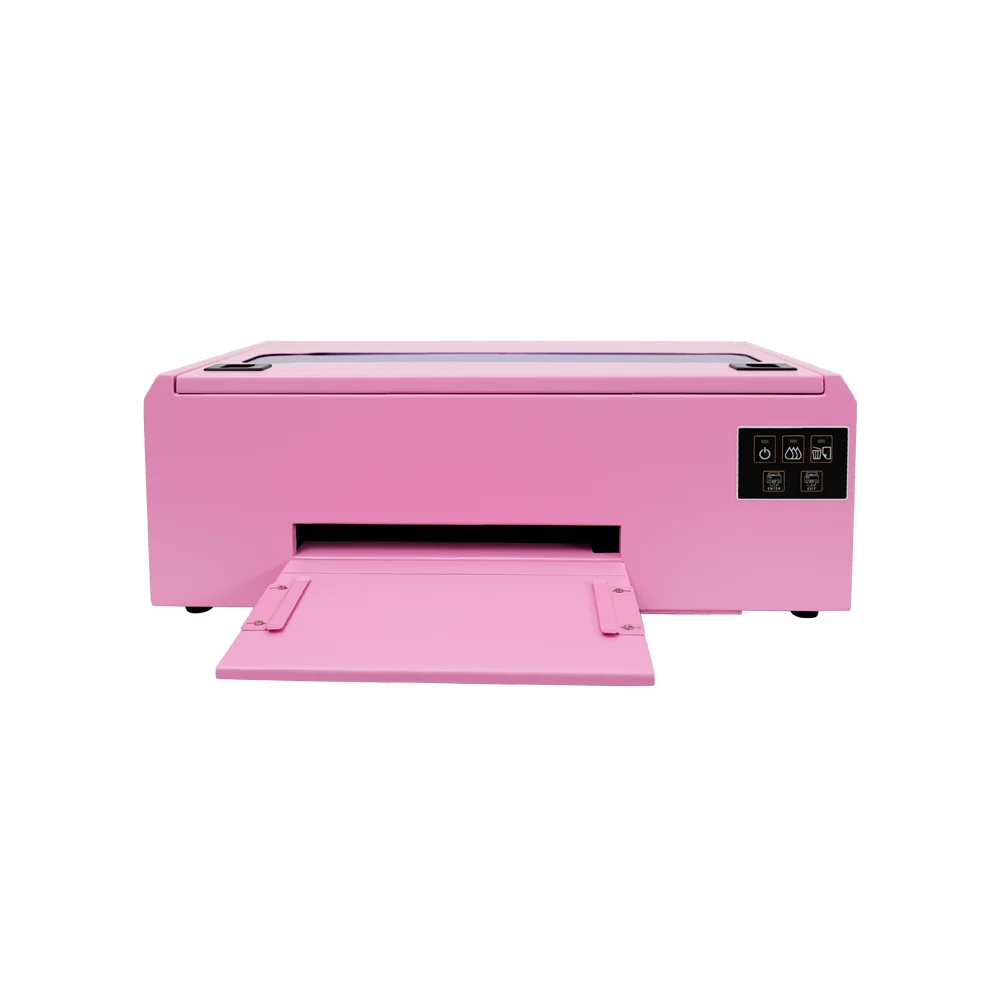
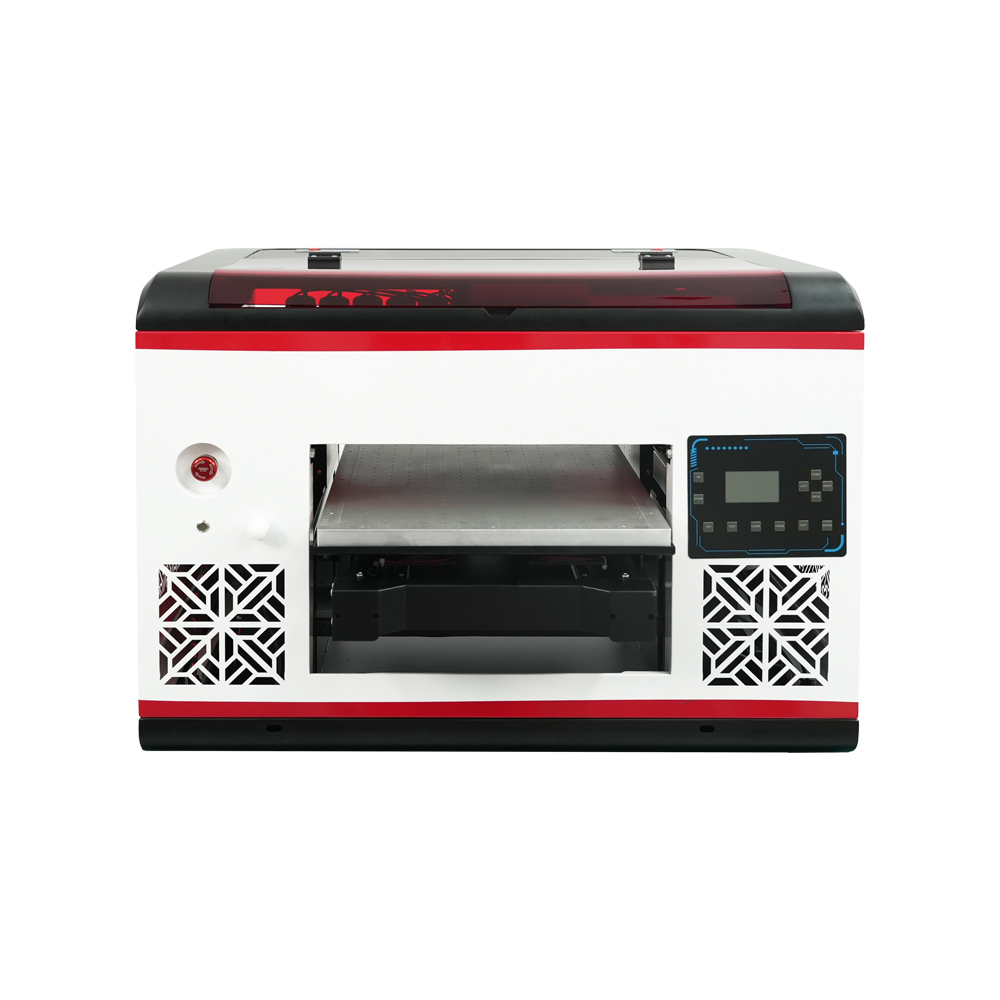
High-quality UV Printers for metal, acrylic, glass, wood & more. Instant curing, vivid 1440dpi prints, versatile for diverse materials.
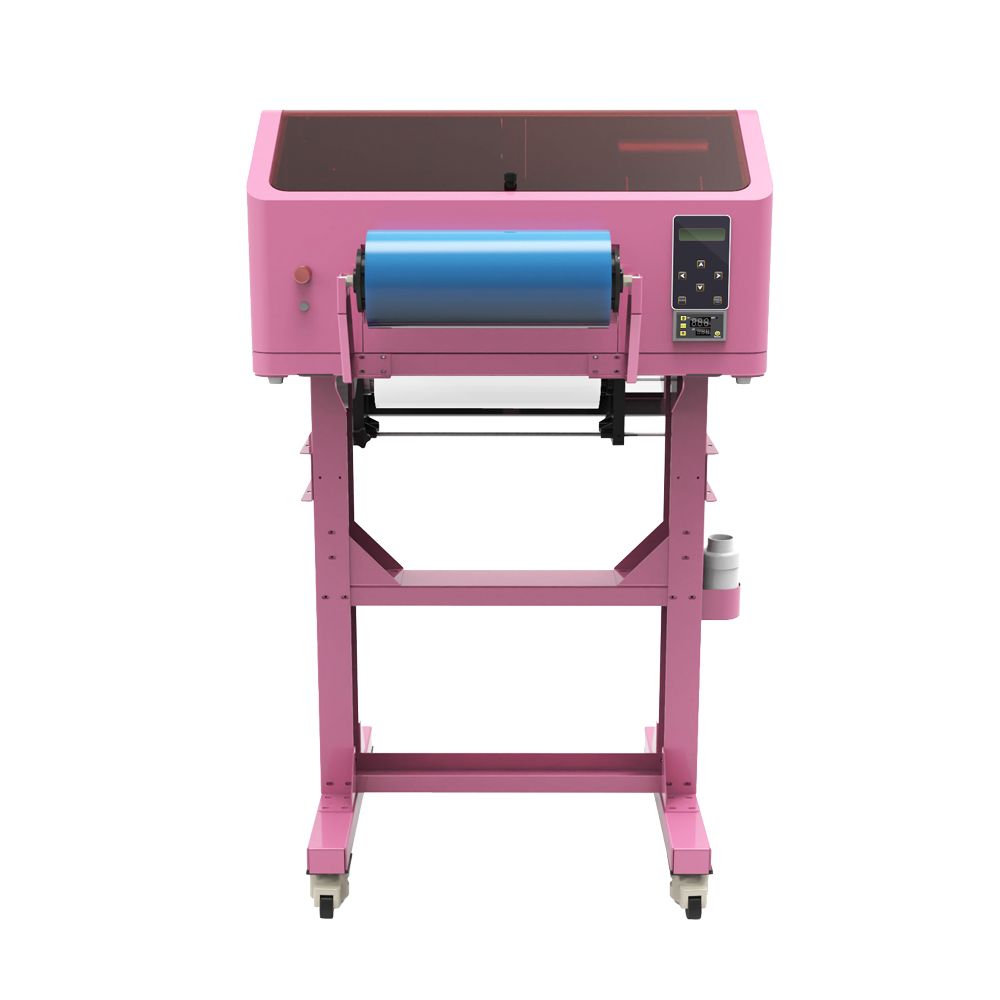
Print vivid, raised decals with **CMYK + White + Varnish** in one pass. No powder. No oven. Peel and stick on flat or curved items in minutes.
Couldn't find a suitable guide? Get Free Technical Support Now!
Just provide a few details and we will help you get quick quotes!
EraSmart Printer
uv printer
DTF printer
DTG printer
Heat press machine
Advertising printer
Printer tools
DTF oven
Hot Press
Carving machine
Mug heat transfer
Laminating machine
Consumables
Printing INK
Cellphone case
Glass product
Cleaning fluid
Cotton swab
Contact Us
WhatsApp:+8618566233796
WeChat: +8618566233796
Mobile: +8618566233796
Web:www.erasmart.com
Shop:www.erasmartmall.com
WhatsApp us
Request A Quote
Just provide a few details and we will help you get quick quotes!
Downlond
Leave you email and send download url to email.
Need Printer Price?
Tell us your printing needs. Our team will reply within 24 hours.