
What Can a UV Printer Print On? A Practical Materials Guide for Real Applications
One of the biggest advantages of UV printing is material flexibility. A UV printer can work with many rigid and semi-rigid products, but not every material behaves the same. Surface condition, coating, flatness, adhesion, white ink needs, and curing settings all affect the final result. This guide helps buyers and operators understand which materials are suitable and what to check before production.
Core Material Factors
Surface Condition
Adhesion
White Ink
Application Type
Check Surface Type
Rigid, semi-rigid, coated, smooth, or textured surfaces all behave differently.
Check White Ink Needs
Transparent or dark materials often need a white underbase for strong color.
Check Adhesion Risk
Some materials need cleaning, testing, or extra process control before production.
Check Application Fit
Some products are better for direct UV flatbed printing, while others fit UV DTF better.
Material Basics
A UV Printer Can Print on Many Materials, But Not All Materials Are Equally Easy
UV printing is often promoted as a technology that can print on almost anything. In practice, that statement needs context. UV printers can work with a wide range of rigid and semi-rigid materials, but the real production result depends on how well the ink adheres to the surface, how flat the object is, whether white ink is required, and whether the product is better suited to direct printing or transfer decal workflow.
Buyers should not only ask whether a material can be printed. They should also ask whether the printed result is stable, durable, repeatable, and commercially practical. A material that works for a single sample may still create problems in daily production if the surface is inconsistent, curved, dusty, oily, or difficult to position.
Master Table
UV Printer Material Compatibility Table
Use this table as a practical reference when comparing typical UV printing materials.
| Material | Suitability | White Ink Need | Main Risk | Typical Products | Recommendation |
|---|---|---|---|---|---|
| Acrylic | Excellent | Often needed on clear or colored acrylic | Surface scratches, fingerprints, transparent color weakness | Signs, panels, awards, display pieces | One of the best UV flatbed materials |
| Phone Cases | Excellent | Depends on case color and design | Positioning accuracy, curved edges, surface coating | Custom phone cases, accessories | Very suitable with proper jigs |
| Glass | Good after testing | Often useful on clear glass | Adhesion and surface cleanliness | Panels, bottles, gifts, décor | Test thoroughly before mass production |
| Metal | Good after testing | Depends on design and substrate color | Oil, oxidation, coating differences | Nameplates, tags, decorative plates | Good for industrial and gift applications |
| Wood | Good | Usually optional | Surface unevenness, porosity, dust | Crafts, plaques, boards, décor | Works well on smooth, stable surfaces |
| Plastic | Varies by type | Depends on product color | Different plastics behave differently with UV ink | Cases, promotional items, packaging parts | Always test the exact plastic type |
| Leather | Application-dependent | Usually optional | Coating type, flexibility, surface texture | Wallets, patches, notebooks, accessories | Test adhesion and flexibility first |
| Ceramic | Good after testing | Depends on product and design | Surface glaze, curvature, adhesion | Tiles, decorative pieces, mugs | More stable on flatter ceramic surfaces |
Material Focus
UV Printing on Acrylic
Acrylic is one of the most suitable materials for UV printing. It is widely used in signage, branding, display products, awards, decorative panels, and retail items. Clear acrylic especially benefits from white ink because color printed directly on transparent material can look weak without a solid underbase.
Why It Works Well
Acrylic is flat, stable, and widely used in customized product production.
Key Printing Tip
Clean the surface carefully and use white ink when printing on clear or colored acrylic.
Common Use
Signs, awards, decorative boards, display panels, and acrylic gifts.
Material Focus
UV Printing on Phone Cases
Phone cases are one of the most common UV printing products for small businesses. They are well suited to desktop UV printers because they are compact, repeatable, and easy to sell as personalized products. The main challenge is not whether a phone case can be printed, but whether it can be positioned accurately and produced consistently at speed.
Positioning
Use jigs or templates for accurate placement.
Case Surface
Different coatings and finishes may affect adhesion.
Edge Shape
Curved edges can reduce print consistency near the corners.
Material Focus
UV Printing on Glass
Glass can produce attractive UV printing results, especially for decorative panels, gift products, and branding applications. However, glass should be treated as a material that needs careful testing. Smooth glass surfaces can create adhesion challenges if the surface is not cleaned thoroughly or if the application requires stronger durability.
Why Glass Is Popular
It supports premium-looking customized products, decorative surfaces, and printed branding on clear material.
Main Risk
Adhesion and cleanliness are the key concerns. Always test the final use scenario before mass production.
Material Focus
UV Printing on Metal
Metal is used for industrial nameplates, decorative products, tags, plates, and customized items. UV printing can work well on metal, but the material condition must be checked carefully. Oily surfaces, coated finishes, or oxidation can reduce print stability or adhesion.
| Metal Checkpoint | Why It Matters | Printing Tip |
|---|---|---|
| Surface Cleanliness | Oil or dust can affect adhesion | Clean thoroughly before printing |
| Oxidation | Some metal surfaces change over time | Test on the exact metal finish you will use |
| Coated Finish | Coating type affects ink bonding | Do adhesion tests before commercial use |
Material Focus
UV Printing on Wood
Wood is popular for plaques, crafts, packaging elements, and decorative items. The best UV printing results on wood usually come from surfaces that are smooth, stable, and not overly porous. Rough textures or uneven thickness can reduce image sharpness and consistency.
Best Case
Smooth wood boards and prepared decorative panels.
Main Risk
Porous or dusty surfaces may reduce final sharpness and stability.
Practical Tip
Keep the surface clean and use wood with consistent thickness for better results.
Material Focus
UV Printing on Plastic
Plastic is not one single material from a printing perspective. Different plastics can react very differently to UV ink and curing. That is why plastic should always be tested using the exact product type you plan to sell.
Important Buyer Note
Do not assume that all plastic products will behave the same. A plastic case, a promotional item, and a molded packaging part may each need different print settings or preparation.
Material Focus
UV Printing on Leather
Leather and synthetic leather can be used for custom accessories, patches, notebooks, wallets, and similar products. The main challenge is that leather surfaces vary by coating, texture, and flexibility. A good-looking result in one sample does not guarantee stable production across different leather products.
What to Test
Adhesion, flexibility after printing, and the effect of texture on image clarity.
Best Use Case
Flat or gently textured pieces where the printed area does not bend heavily during use.
Material Focus
UV Printing on Ceramic and Similar Decorative Surfaces
Ceramic can be a useful material for tiles, decorative pieces, and some personalized products. As with glass, the main issue is not whether the printer can place ink on the surface, but whether the printed result is stable and suited to the intended use.
Practical Advice
Flat ceramic surfaces are easier to handle than curved surfaces. If the product is strongly curved, UV DTF may be worth considering instead of direct flatbed printing.
Application Choice
When a Material Is Better for UV Flatbed Printing and When It Is Better for UV DTF
Some materials are easy for direct UV flatbed printing because they are flat and easy to position. Others are technically printable but difficult to handle because the object is curved, irregular, or unstable on the platform. In those cases, UV DTF may create a more practical workflow.
| Material / Product Type | Direct UV Flatbed | UV DTF | Better Choice |
|---|---|---|---|
| Flat acrylic panels | Very suitable | Usually unnecessary | UV flatbed |
| Phone cases | Very suitable with jig support | Possible but less typical | UV flatbed |
| Cups and bottles | Harder to position directly | Strong use case | UV DTF |
| Irregular promotional items | Depends on shape | Often more flexible | Case by case |
| Curved hard surfaces | Often difficult | Usually more practical | UV DTF |
Material Checklist
Questions to Ask Before Printing a New Material
| Question | Why It Matters | Typical Example |
|---|---|---|
| Is the surface flat enough? | Uneven surfaces reduce sharpness and stability | Rough wood or curved decorative pieces |
| Is the surface clean and stable? | Dust, oil, and residue affect adhesion | Metal plates, glass panels, coated plastic items |
| Do I need white ink? | Transparent or dark materials often need underbase support | Clear acrylic, glass, dark-colored products |
| Does the product need varnish? | Varnish improves gloss and decorative effect | Premium signs, gift items, decorative branding |
| Is direct printing practical? | Some products are better for transfer workflow | Bottles, cups, irregular hard objects |
Common Mistakes
Material Mistakes to Avoid in UV Printing
Assuming All Plastics Are the Same
Different plastic products can respond very differently to UV ink and curing.
Ignoring Surface Preparation
Dust, oil, and fingerprints can damage final print quality and adhesion.
Skipping White Ink on Transparent Materials
Color may look weak or inaccurate on clear acrylic or glass without a white underbase.
Using UV Flatbed for Hard-to-Position Curved Products
Some items are better handled through UV DTF transfer rather than direct flatbed printing.
Material Focus
Use the Checklist to Narrow Down EraSmart Models
Once you define your checklist priorities, you can compare models more efficiently.
Suitable for small-format products, sample making, testing new gift products, and compact workspaces.
A practical choice for phone cases, compact acrylic products, accessories, and personalized gift workflows.
Useful for users who need more print area, more product flexibility, and broader small-batch capability.
Better for larger panels, signs, boards, and production teams that need more workspace on the platform.
Frequently Asked Questions
-
1. What materials can a UV printer print on?
UV printers can work with many rigid and semi-rigid materials such as acrylic, glass, metal, wood, plastic, leather, ceramic, and phone cases, depending on surface condition and application needs.
-
2. Can a UV printer print on acrylic?
Yes. Acrylic is one of the best materials for UV printing, especially for signs, display products, awards, and decorative panels.
-
3. Can a UV printer print on glass?
Yes, but glass should be tested carefully because adhesion and surface cleanliness are important factors.
-
4. Does UV printing work on metal?
Yes, especially for tags, plates, and decorative applications, but surface oil, oxidation, and coating condition should be checked.
-
5. Do transparent materials need white ink?
In many cases, yes. White ink helps color look stronger and more accurate on clear acrylic and glass.
-
6. Are all plastics easy for UV printing?
No. Different plastic products can behave differently, so you should always test the specific plastic type you plan to use.
-
7. When is UV DTF better than direct UV flatbed printing?
UV DTF is often better for cups, bottles, irregular hard objects, and curved surfaces that are difficult to print directly on the flatbed.
-
8. What is the biggest material mistake in UV printing?
One of the biggest mistakes is assuming a sample result means the material is ready for stable commercial production without repeated testing.
EraSmart Printer Series
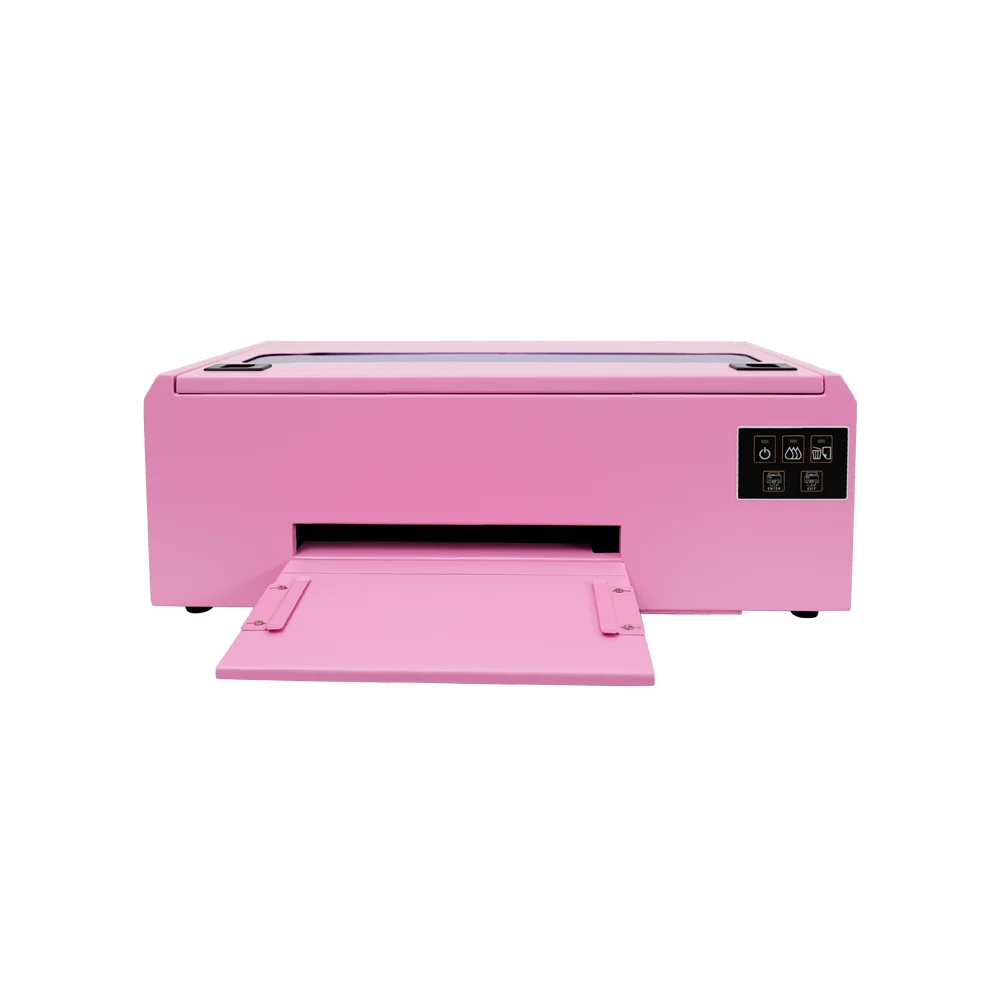
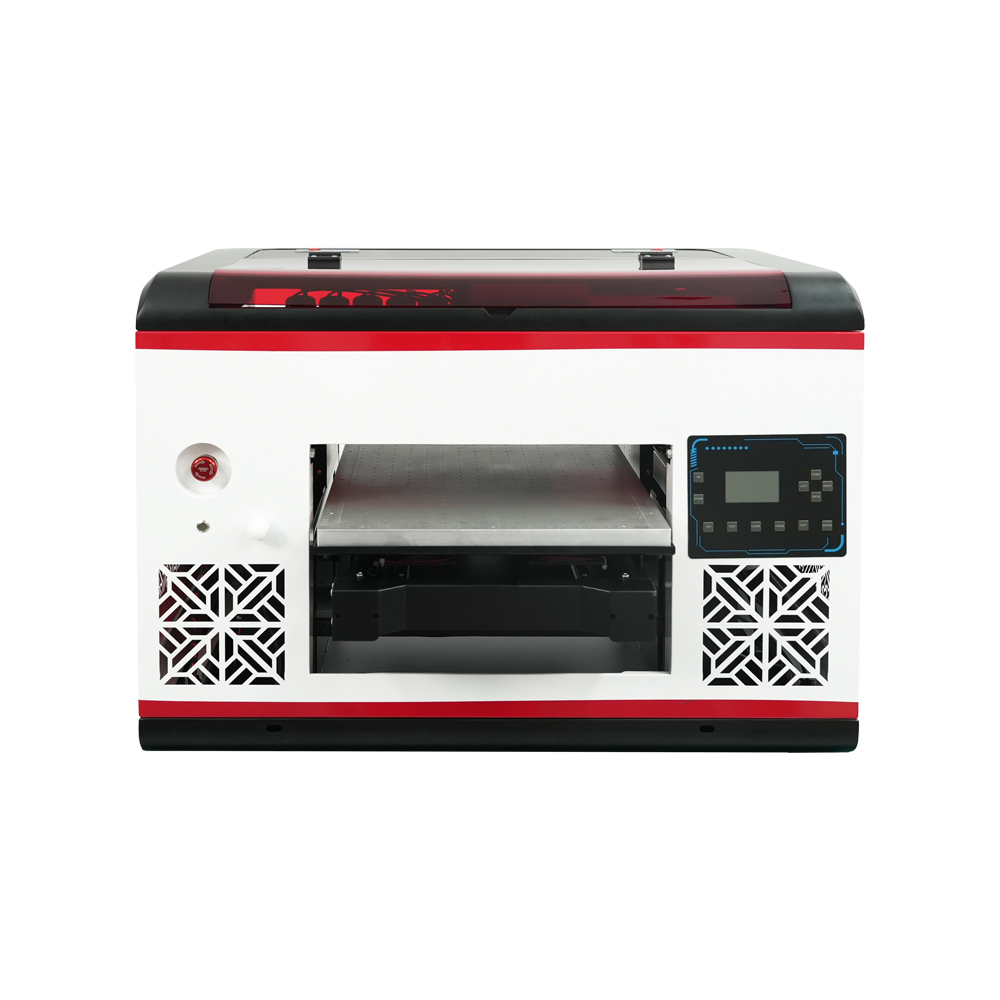
High-quality UV Printers for metal, acrylic, glass, wood & more. Instant curing, vivid 1440dpi prints, versatile for diverse materials.
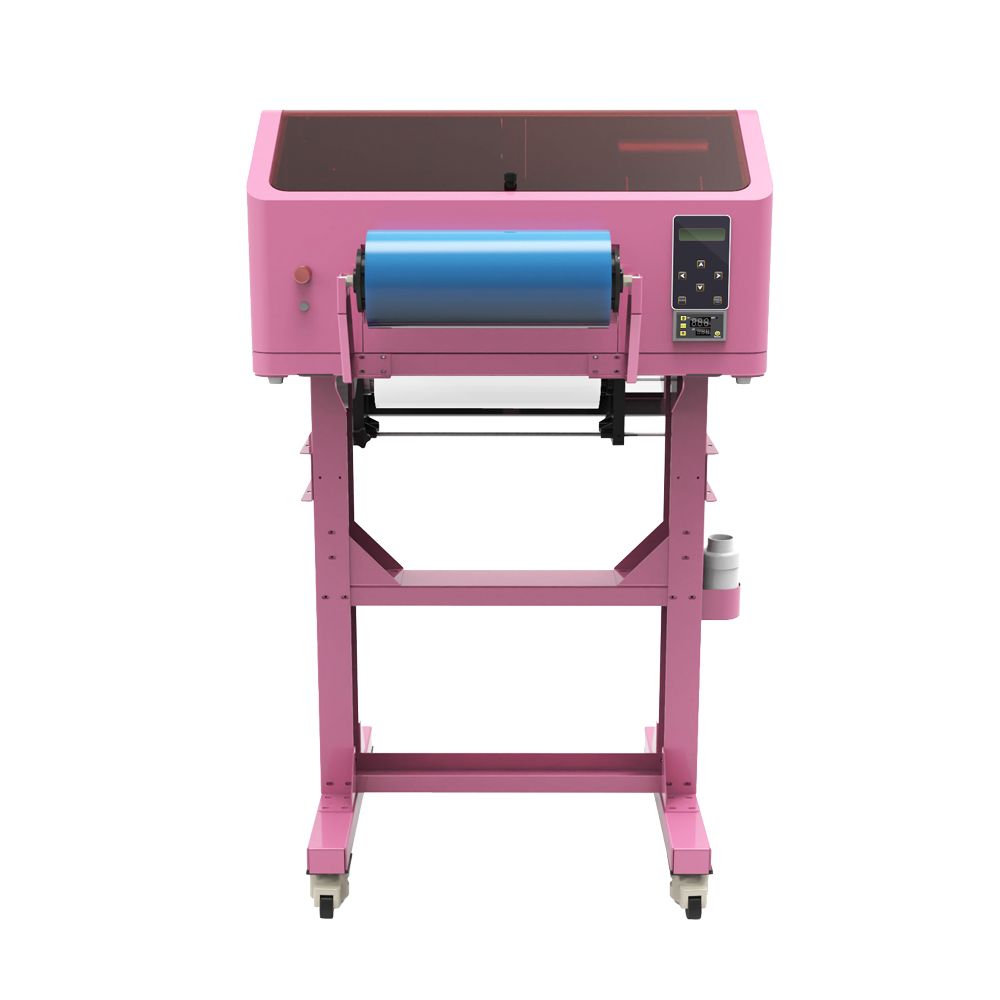
Print vivid, raised decals with **CMYK + White + Varnish** in one pass. No powder. No oven. Peel and stick on flat or curved items in minutes.
Couldn't find a suitable guide? Get Free Technical Support Now!
Just provide a few details and we will help you get quick quotes!
EraSmart Printer
uv printer
DTF printer
DTG printer
Heat press machine
Advertising printer
Printer tools
DTF oven
Hot Press
Carving machine
Mug heat transfer
Laminating machine
Consumables
Printing INK
Cellphone case
Glass product
Cleaning fluid
Cotton swab
Contact Us
WhatsApp:+8618566233796
WeChat: +8618566233796
Mobile: +8618566233796
Web:www.erasmart.com
Shop:www.erasmartmall.com
WhatsApp us
Request A Quote
Just provide a few details and we will help you get quick quotes!
Downlond
Leave you email and send download url to email.
Need Printer Price?
Tell us your printing needs. Our team will reply within 24 hours.