Small Size Flatbed Inkjet Printer Manufacturer

20 UV DTF Cup Wrap Ideas for Tumblers, Mugs and Bottles
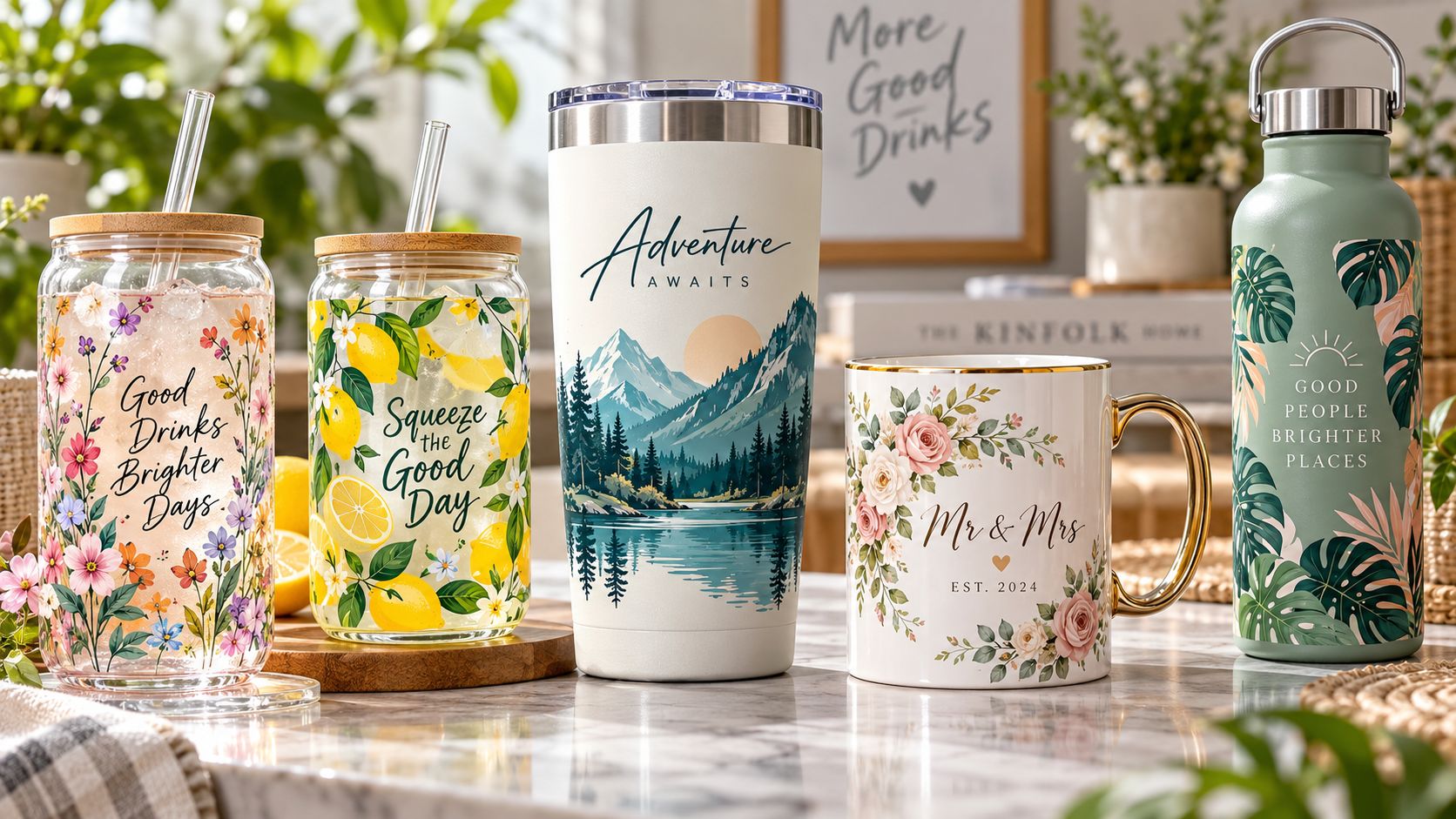
Want to turn a plain tumbler, glass can or water bottle into a personalized gift? UV DTF cup wraps let you decorate compatible hard-surface drinkware with detailed, full-color graphics without printing directly onto the cup. You can create floral glass-can wraps, pet-portrait tumblers, wedding mugs, branded water bottles and seasonal collections—then apply the finished transfers by hand.
The most useful designs are not always the most complicated. A simple monogram can become a wedding favor; a repeating flower pattern can turn a clear glass can into a boutique product; and a business logo can make a small batch of promotional bottles look coordinated.
This guide explores 20 UV DTF cup wrap ideas for different audiences, explains which drinkware shapes suit each design, and shows how to plan sizing, production and pricing for a small customization business.
What Are UV DTF Cup Wraps?
UV DTF (ultraviolet direct-to-film) printing produces a transfer graphic on a specialized film rather than printing directly onto the cup. A compatible printer applies and cures the design on A film; the graphic is prepared with B transfer film; and the finished decal is transferred to a suitable hard surface.
Unlike sublimation, standard UV DTF cup-wrap application does not require a mug heat press. Unlike direct UV printing, the cup itself does not need to travel through the printer. This gives decorators more flexibility when working with different cup and bottle shapes, provided the surface is compatible with the chosen transfer system.
UV DTF is particularly useful for:
- Short runs of personalized drinkware with different names or artwork.
- Small business logos, event branding and promotional gifts.
- Decorated glass cans, metal tumblers and glazed ceramic mugs.
- Pre-printed decal sheets that can be applied to cups later.
- Gift shops offering coordinated collections with matching labels and packaging.
Important: UV DTF transfers are not universally suitable for every coating or shape. Adhesion, scratch resistance and care performance depend on the film, ink, cup finish and application method. Place decals only on appropriate exterior, non-food-contact areas and away from drinking rims.
20 Creative UV DTF Cup Wrap Ideas to Make and Sell
The following ideas are organized by the customer buying the cup, rather than simply by color or decoration style. This makes it easier to develop a focused product range and plan which samples to produce first.
Personalized Gifts and Everyday Favorites
1. Personalized name and monogram wraps
A first name, initials or a simple decorative monogram works especially well on a straight-sided tumbler. Build a reusable design template in which you can change the lettering without rebuilding the whole artwork. Offer two or three coordinated color palettes, such as sage and cream, navy and gold, or blush and white. This is an easy way to offer customization while keeping production organized.
2. Birth-month flower designs
Combine a birth flower illustration with the recipient’s name or month. This creates a natural gift concept for birthdays, bridal parties and appreciation occasions. A vertical floral design is attractive on tall glass cans; a more compact bouquet suits the front of a mug. Avoid hairline details so delicate stems survive transfer and everyday handling.
3. Pet-portrait tumblers
A pet’s photograph or illustrated portrait can become the centerpiece of a tumbler wrap. Add small paw prints or a name, but leave enough space around the portrait to keep it legible on a curved surface. Pet-themed products are well suited to one-off orders, although every customer’s artwork should be checked for image resolution and contrast.
4. Couples and anniversary cups
Use coordinating designs rather than two identical cups. For example, one mug can feature a date or location and the other a complementary illustration. Names, initials and simple line art often work better than a large block of text. These designs can be sold as paired sets with matching packaging.
5. Bridesmaid and wedding-favor wraps
Build a collection around a wedding color palette: floral initials, a wedding date, or individual bridesmaid names. For handled ceramic mugs, choose a front-facing design or a layout that avoids the handle. For glass cans, a light botanical frame with a clear central area can feel more elegant than fully covering the glass.

Seasonal and Lifestyle Collections
6. Christmas and winter wraps
Snowflakes, winter foliage, gingerbread-style artwork and restrained metallic-effect details make a coherent seasonal collection. Consider producing a few designs in advance, then adding customer names to order. White details and varnish effects can improve visual separation on selected backgrounds, but the appearance should be tested on the actual cup color.
7. Halloween and autumn designs
Pumpkins, moons, autumn leaves and illustrated ghosts work for short seasonal drops. Dark tumblers can create a dramatic background for bright graphics. Check white-ink opacity and the contrast of small text before producing a full batch.
8. Tropical and summer drinkware
Citrus slices, hibiscus, surf motifs and beach sunsets are natural choices for water bottles, glass cans and summer events. Transparent glass looks particularly appealing with spaced-out fruit illustrations because the drink remains visible through the undecorated areas.
9. Graduation and school-spirit cups
Create a reusable design system with school colors, an individual’s name and a graduation year. For schools, clubs or team logos, make sure the customer has authorization to reproduce the artwork. A grouped order can be produced from a structured list of names and the same approved design template.
10. Inspirational phrases and minimalist artwork
Short positive phrases, line-art mountains and single botanical motifs appeal to customers who prefer quieter designs. On a tall steel tumbler, a narrow vertical layout can remain readable without filling the entire surface. Avoid excessive text: the cup should still look attractive from a normal viewing distance.

Gifts for Occasions and Communities
11. Coffee-lover glass cans
Design an iced-coffee illustration, small coffee beans, or a playful café-themed slogan for a clear glass can. Leave space around the lettering so the artwork does not compete with the changing color of the drink inside. This concept can serve both individual gift customers and small coffee shops.
12. Teacher-appreciation mugs
Use a book illustration, a small floral border or a customized teacher name. Neutral colors often have broader appeal than complicated multicolor backgrounds. A matched gift-box label can be made from the same illustration for a coordinated product presentation.
13. Baby-shower and family-event cups
Soft animal illustrations, tiny stars, a family name or event date can make memorable party favors. Keep decorative transfers away from areas that contact mouths or food. For events involving children’s drinkware, confirm the finished product’s appropriate use, substrate and safety requirements instead of assuming that a decorative decal makes it child-safe.
14. Bridal shower and bachelorette designs
Build a small series that shares one illustration style but changes the guest’s name or role. This can be simpler to produce than twenty unrelated designs. Consider offering the same artwork on glass cans and on the accompanying welcome signage, creating a consistent event look.
15. Hobby and club-themed mugs
Readers, gardeners, cyclists, campers and crafters may enjoy drinkware reflecting their interests. Use original iconography and avoid copying protected characters, logos or slogans without permission. A small local community can be an excellent target for personalized short runs.

Business, Fitness and Travel Products
16. Coffee-shop branded reusable cups
A café may want its logo on takeaway-style reusable cups, café merchandise or limited-edition glassware. Develop a logo placement standard and test it on the exact blank cup supplied by the customer. Logo clarity and repeatable alignment matter more than decorative complexity.
17. Corporate logo water bottles
A clean company mark on a neutral bottle can suit onboarding kits, conferences or client gifts. Keep branding away from bottle threads, lips and areas that receive concentrated abrasion. For larger orders, create a physical approved sample before producing the remaining units.
18. Fitness and gym bottles
Barbell symbols, running graphics, motivational text and club colors suit water bottles and shaker-style containers. Use smooth, compatible exterior surfaces; avoid applying stiff transfers to flexible or squeezable areas. Personalized member names can make a standard gym gift feel more valuable.
19. Outdoor and adventure drinkware
Mountains, contour lines, forest silhouettes and camping illustrations suit stainless steel flasks and insulated bottles. Taller artwork can emphasize the bottle’s shape. If the bottle has a powder-coated finish, test adhesion instead of assuming that all coatings behave like polished metal.
20. Travel and souvenir cup wraps
Create original landmark-inspired illustrations, destination names or regional floral motifs. Small souvenir shops can rotate designs by season or location without changing their basic production workflow. A consistent illustration series can also extend to keychains, acrylic souvenirs and packaging decals.

Which Cup Materials Work Best for UV DTF Wraps?
A visually attractive blank is not automatically a suitable UV DTF blank. Surface smoothness, coating chemistry and product geometry are more important than the material name alone.
| Drinkware type | Design approach | What to check before production |
|---|---|---|
| Straight glass can | Floral patterns, names, coffee and citrus graphics | Surface cleanliness, available height, decal adhesion and care performance |
| Stainless steel tumbler | Pet portraits, landscape illustrations, brand graphics | Smoothness and compatibility of painted or powder-coated finishes |
| Glazed ceramic mug | Wedding, teacher and monogram gifts | Handle clearance, surface finish, suitable transfer area and care instructions |
| Rigid plastic cold cup | Simple logos and small illustrations | Adhesive compatibility, surface energy, flexibility and scratch resistance |
| Reusable metal water bottle | Outdoor, gym and corporate branding | Curvature, textured coating, grip/abrasion areas and cleaning requirements |
Smooth, clean, hard surfaces are generally the best starting point. Textured coatings, flexible plastic and strongly tapered or compound-curved forms need additional trials. When testing a new blank, produce a small sample, apply it correctly and evaluate appearance and adhesion after realistic handling and cleaning.
How to Size a UV DTF Cup Wrap Correctly
One of the most common mistakes is downloading a design labeled “16 oz” or “20 oz” and assuming it will fit every cup with that capacity. Capacity describes how much liquid a vessel holds; it does not determine its printable circumference or usable height.
Step 1: Measure the Actual Cup
Use a flexible tape to measure the circumference at the intended decoration height. Then measure the vertical area available between the bottom curve and the rim, handle attachments or lid clearance. If a cup has a handle, measure the usable span between its attachment points rather than treating the entire perimeter as printable.
For an ideal cylinder, circumference is approximately:
Circumference = π × diameter
For example, a straight cup with a measured outer diameter of 75 mm has a circumference of approximately 236 mm. This does not mean that a 236 mm wrap is automatically appropriate: any designed gap, seam clearance, handle restriction or measurement tolerance still needs to be considered.
Step 2: Distinguish Straight and Tapered Cups
A straight cylindrical tumbler can often use a rectangular artwork layout. A tapered tumbler is wider at one end than the other, so a long wrap generally needs a curved template derived from that specific cup geometry. A rectangular wrap forced onto a tapered surface can bunch up or drift out of alignment.

Conceptual sizing illustration. It is not a scale-accurate production template; measure your actual blank and confirm the layout with a paper or sample-film test.
Step 3: Leave Space for the Rim, Handle and Seams
Keep the transfer below the drinking lip and outside the food-contact area. Avoid very tight joins unless the design and surface have been tested for them. For handled mugs, verify that the transfer clears both attachment points. Check whether a wrap should stop short of the handle or continue only as a smaller front-facing graphic.
Step 4: Make a Paper Test Before Printing
Print a plain paper outline at actual size, cut it out and wrap it around the blank. Look for distortion, gaps and unexpected overlap. Adjust the artwork before using UV DTF film. Save the final measurements with the cup supplier and model in your production records, because even visually similar cups can differ.
How to Print and Apply UV DTF Cup Wraps
A consistent application workflow makes the difference between a good-looking sample and a repeatable small business product. The exact film settings vary by supplier and machine configuration, but the overall process has two stages: producing the transfer and applying it to the blank.
Stage A: Make the Transfer
1. Prepare the artwork. Set the final dimensions, check image quality, create the required white and varnish layers where appropriate, and confirm orientation in the RIP workflow. Keep fine text and small isolated details large enough to transfer reliably.
2. Print onto compatible A film. Use a UV DTF printer with the specified UV ink and transfer media. The printed layers are UV-cured during the production workflow.
3. Prepare the A/B film transfer. Laminate with the correct B transfer film using the system’s specified process. The finished transfer should retain the artwork on the carrier so it can be applied to the drinkware. Integrated film handling can streamline this step, depending on the equipment configuration.
4. Inspect and trim. Check for missing white ink, varnish defects, contamination and print alignment. Trim the transfer to a practical handling size without cutting through the printed design.
Stage B: Apply the Transfer to the Cup
5. Clean the cup surface. Remove dust, oil and fingerprints using a cleaning method compatible with the cup coating. Let the surface dry completely.
6. Position the graphic. Hold the transfer against the measured area and check level, center and seam clearance before exposing the adhesive. For large wraps, use an alignment guide or a carefully marked starting point.
7. Apply progressively. Follow the film supplier’s instructions for removing the backing. Position the transfer and work across the cup gradually, using controlled pressure to avoid trapped air and wrinkles.
8. Burnish and peel. Press the artwork evenly, especially small letters, thin stems and edges. Remove the transfer carrier slowly at the recommended angle. If any detail lifts with the carrier, lay it back down and press again before continuing.
9. Inspect and condition. Confirm that all design areas have transferred, edges are secure and the placement is correct. Observe any film-specific conditioning or waiting instructions before handling, packaging or testing.
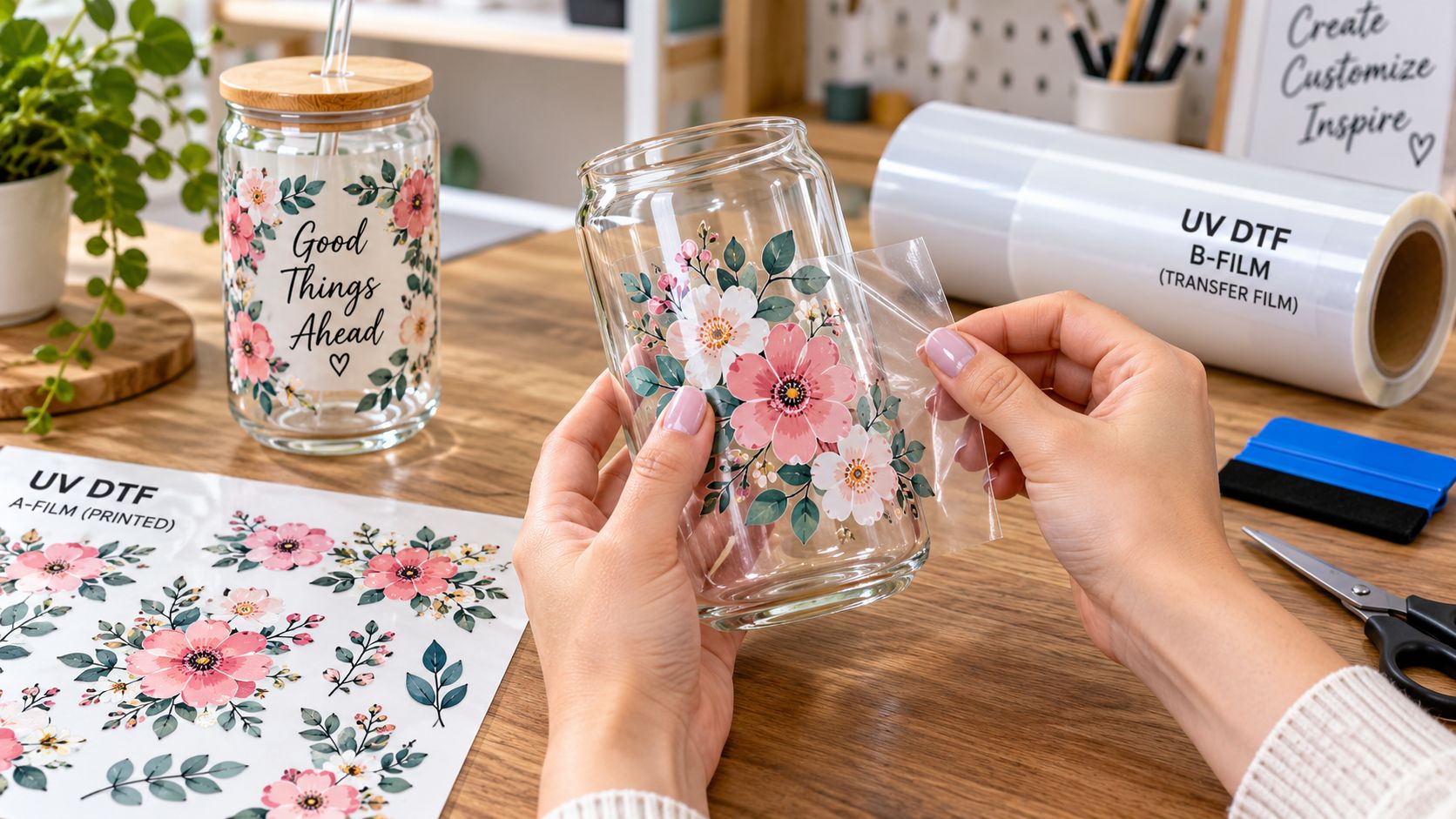
There is normally no heat press required for standard UV DTF decal application, but using the correct transfer film, print settings, surface preparation and pressure is essential. To understand the differences between decorating a mug with UV DTF, sublimation and direct UV printing, read EraSmart’s How to Print on a Mug.
Common UV DTF Cup Wrap Problems and How to Prevent Them
| Problem | Likely reason | Practical next step |
|---|---|---|
| Edges lift or peel | Dirty surface, incompatible coating, insufficient contact | Clean again, check film compatibility and test a different blank if needed |
| Small letters stay on the carrier | Incomplete burnishing or delicate artwork | Press those areas again and peel the carrier slowly |
| Wrinkles or uneven alignment | Oversized transfer or unsuitable cup geometry | Reduce wrap width, test a paper template, or use smaller segments |
| White gaps on a dark tumbler | White-ink registration or coverage issue | Check artwork layers, RIP setup and print quality before transfer |
| Visible bubbles | Trapped air or uneven application | Apply gradually with even pressure; do not stretch the transfer to compensate |
| Transfers scratch during handling | Abrasion or inadequate material compatibility | Perform wear tests, revise placement or select a better-matched blank |
Do not promise permanent adhesion, dishwasher resistance or scratch-proof performance without testing the complete combination of ink, film, substrate and end-use conditions.
UV DTF vs. Sublimation vs. Direct UV Printing for Drinkware
These methods can all decorate drinkware, but they work differently and require different equipment.
| Method | How the graphic reaches the cup | Best fit | Key limitation |
|---|---|---|---|
| UV DTF | Printed on film, then transferred to a compatible hard surface | Mixed cup shapes, small custom runs, pre-produced decals | Surface adhesion and care performance must be validated |
| Sublimation | Heat transfers dye into a suitable coated surface | Sublimation-coated mugs and drinkware | Requires compatible coatings and heat-transfer equipment |
| Direct UV printing | UV ink prints directly onto the item using appropriate equipment | Direct decoration on validated objects | Curved drinkware may require a suitable rotary system and fixturing |
If your business handles many customer-supplied hard-surface cup styles, UV DTF offers a flexible route because the finished transfer is made before it reaches the cup. If you run a standardized mug production line, the other methods may be worth comparing based on finish, materials and throughput.
How to Start a UV DTF Cup Wrap Business
It is possible to test cup-wrap demand before purchasing a printer. You can order ready-to-apply printed transfers, decorate a small selection of compatible blank cups and evaluate which designs customers actually buy. Blank B film alone cannot create printed designs; you need a properly printed and prepared transfer.
EraSmart’s guide to using UV DTF Type B film without a printer explains the difference between blank film and ready-made transfers.
Once you see repeat orders, in-house printing may help with custom names, short deadlines and quality control. A practical first assortment could include a glass-can floral collection, a personalized pet tumbler, a simple corporate logo bottle and two seasonal designs. The aim is to validate a few repeatable products rather than launch dozens of unrelated designs immediately.
Create a Repeatable Order Workflow
- Confirm the exact cup model, color, finish and quantity.
- Receive and approve the customer’s artwork or customization details.
- Measure the blank and confirm the transfer layout.
- Print a sample for new cup/film combinations.
- Record the approved print file, transfer settings and application method.
- Inspect, photograph and pack the finished order.
For bulk personalized orders, keep customer names in a structured spreadsheet and proof every variation before production. Consistency matters as much as creativity when moving from single gifts to corporate or event orders.
Calculate Costs Before You Set a Selling Price
Your true unit cost includes more than the blank cup and ink. Account for the cup, printed transfer, application labor, spoilage allowance, packaging, equipment-related costs, payment fees and delivery arrangements.
Here is a hypothetical example in USD, included only to illustrate the calculation—not a claim about actual supplier prices or achievable sales margins:
| Cost item | Illustrative cost per finished cup |
|---|---|
| Blank cup | $3.20 |
| Printed UV DTF transfer | $0.75 |
| Application labor | $0.80 |
| Packaging | $0.45 |
| Rework and spoilage allowance | $0.35 |
| Illustrative direct cost | $5.55 |
At an assumed selling price of $14.00, the difference is $8.45 per cup, or about 60.4% before other operating expenses. Advertising, marketplace fees, shipping, equipment depreciation, taxes and other overheads may reduce the actual profit substantially. Replace these assumptions with quotes and timed production trials from your own business.
For a broader equipment and operations overview, see How to Start a UV Printing Business.
Which EraSmart UV DTF Printer Is Suitable for Cup Wraps?
When you are ready to produce your own transfers, choose the printer around the artwork sizes, film handling and intended production mix—not simply the number of designs you want to sell.
EraSmart A3 UV DTF Printer: Compact Transfer Production
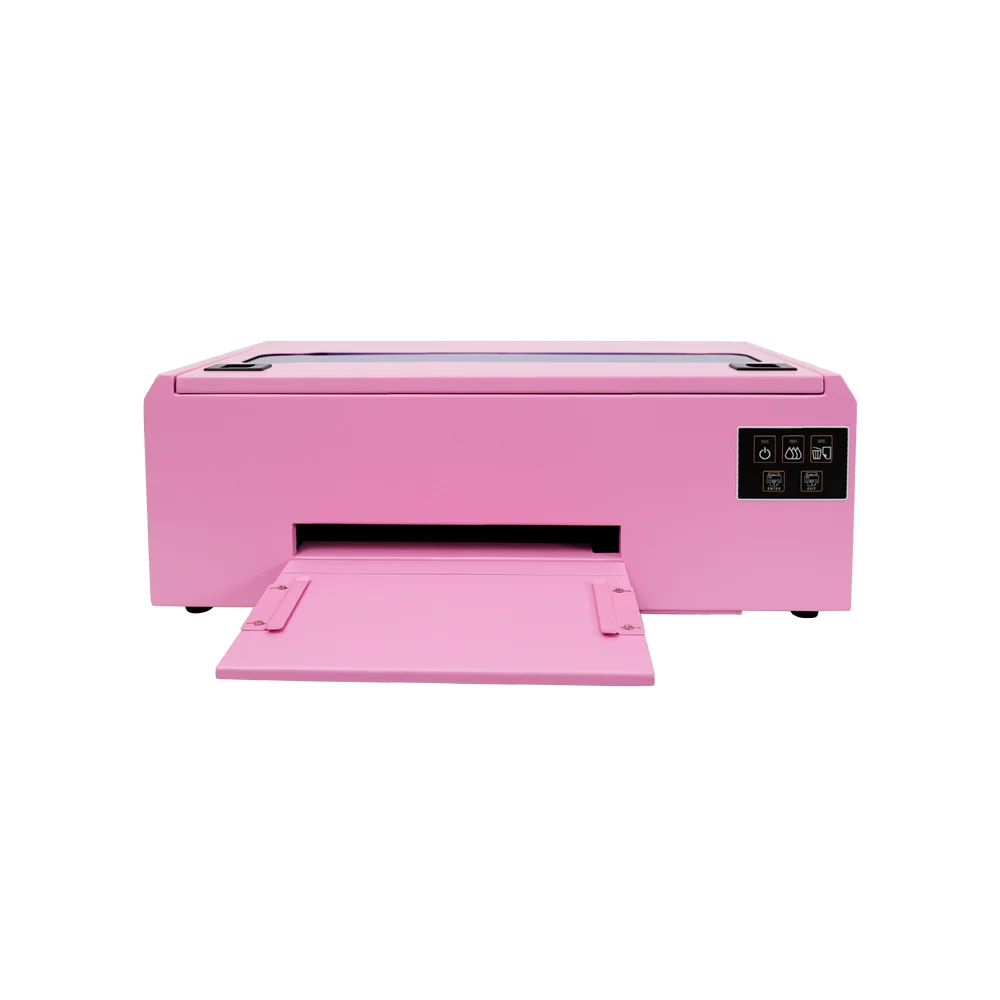
The EraSmart A3 UV DTF Printer lists a print width of up to 350 mm, CMYK + White + Varnish and resolution up to 1440 dpi, depending on mode. It is a relevant option for shops producing cup wraps, labels, stickers and other hard-surface transfers in a compact workflow.
For a closer look at this use case, explore EraSmart UV DTF Printer for Cup Wraps.
EraSmart A2 Desktop UV DTF Printer: Wider Film Layouts
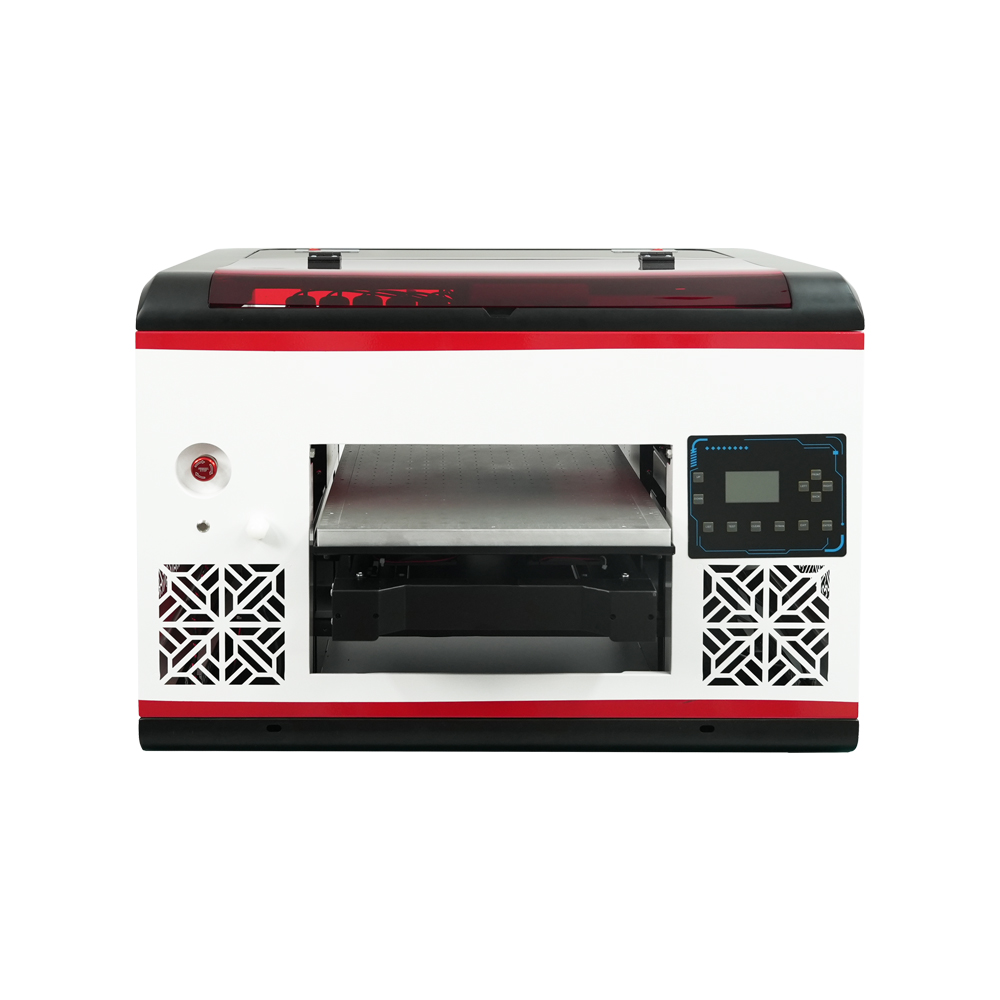
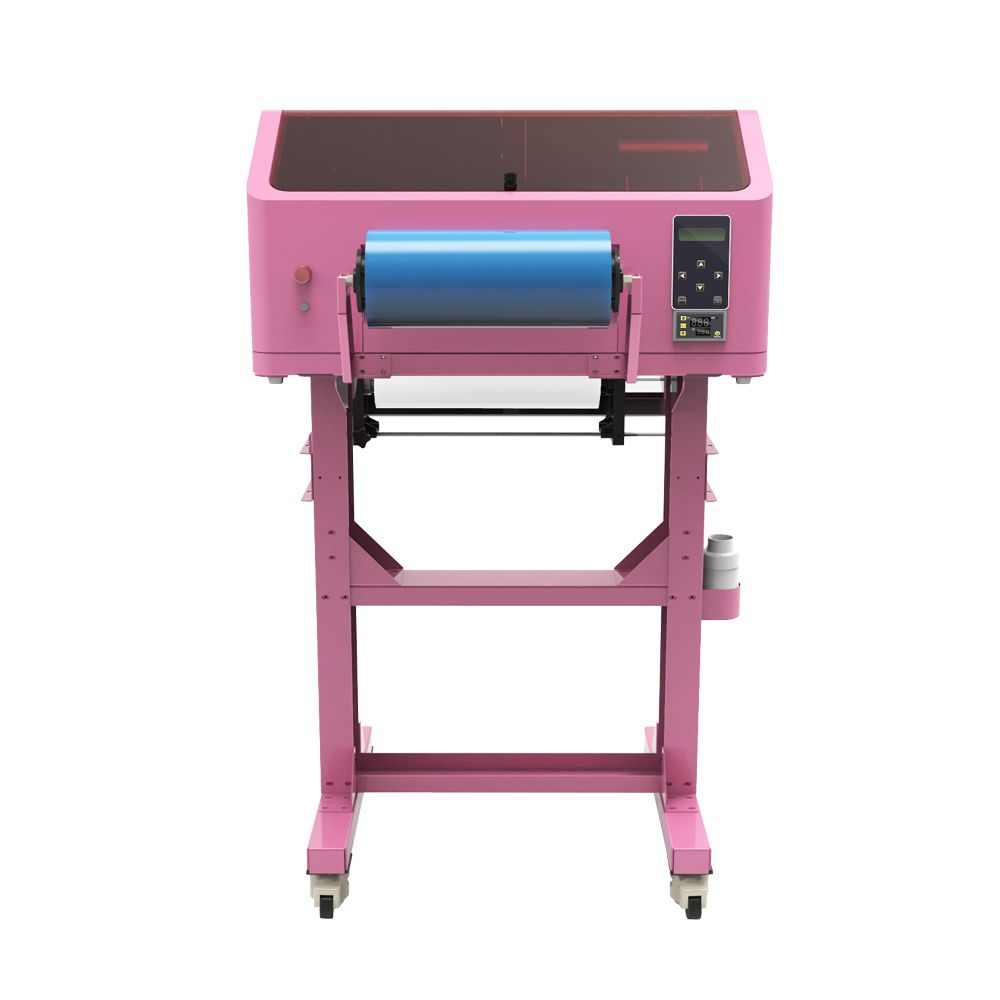
The EraSmart A2 Desktop UV DTF Printer lists a printing width of up to 420 mm and offers XP600, DX7 and I3200 printhead configurations. Its published film workflow includes automatic integrated A-film stripping and B-film lamination. The exact printhead configuration, color-channel arrangement and production capability should be compared on the product page before selection.
The extra listed width can be helpful when your standard layouts require more room, but wider does not automatically mean faster or more profitable. Compare your typical transfer dimensions, material cost, daily job count, software and maintenance requirements.
For an overview of both formats, visit the full EraSmart UV DTF Printer collection.
Frequently Asked Questions
Can you put UV DTF wraps on glass cups?
Yes, UV DTF transfers can be applied to compatible clean, smooth glass surfaces. Test adhesion and cleaning performance on the exact glass cup and transfer film you intend to sell.
Do I need a heat press for UV DTF cup wraps?
No heat press is normally needed for standard UV DTF transfer application. The artwork is printed and UV-cured on film first, then applied with appropriate pressure. Follow your film system’s instructions.
Can UV DTF cup wraps go in the dishwasher?
Do not assume dishwasher safety. Handwashing is a prudent default unless the complete finished product has been validated for its intended cleaning conditions. A UV DTF transfer being water-resistant does not automatically make it dishwasher-safe.
Are UV DTF decals food-safe or suitable near the lip of a cup?
Do not treat decorative transfers as food-contact approved unless the complete ink, adhesive, film and final product have appropriate evidence for that use. Keep decoration on the exterior and away from drinking lips and food-contact zones.
How large should a wrap be for a 16 oz glass can?
There is no universal dimension for every 16 oz glass can. Measure the actual circumference and usable height of the blank, then make a paper test. Cup capacity alone is not an accurate template specification.
Can I use a rectangular design on a tapered tumbler?
A small, localized graphic may work, but a large full wrap usually needs a cup-specific curved layout to avoid distortion and wrinkles. Test the artwork on the exact blank before printing transfers in quantity.
Can I apply UV DTF to powder-coated stainless steel?
Sometimes, depending on coating chemistry, texture and transfer compatibility. Test the actual powder-coated surface rather than assuming that every coating will hold the decal reliably.
Is UV DTF the same as a sublimation wrap?
No. UV DTF uses a printed film and adhesive transfer system for suitable hard surfaces, while sublimation uses heat and compatible coated products. They use different equipment and produce different finish characteristics.
Can I start a cup-wrap business without owning a UV DTF printer?
Yes. You can purchase finished custom transfers from a print supplier, apply them to compatible cups and test demand. Owning a printer becomes more relevant when you need in-house artwork changes, tighter production control or more reliable turnaround.
Can one UV DTF printer also produce labels and decals?
Yes. A compatible UV DTF setup can be used to produce transfers for cup wraps as well as other suitable hard-surface stickers, branding decals and labels. The exact uses depend on material compatibility and the printer/film system.
Turn Cup-Wrap Ideas into a Repeatable Product Line
A successful cup-wrap collection starts with a clear customer, a compatible blank and a reliable transfer process. Choose a small set of gift, lifestyle or business designs; measure your cups carefully; build sample templates; and test the surfaces before selling larger quantities.
Whether you are planning floral glass cans, personalized stainless tumblers, wedding mugs or corporate bottles, the goal is the same: attractive graphics, controlled production and a consistent finished product.
Explore EraSmart UV DTF Printers to compare available A3 and A2 systems, or contact EraSmart with your cup types, target transfer widths and expected order volume to discuss a suitable printing configuration.
MAY BE YOU LIKE ALSO
Copyright 2020 © EraSmart. | Sitemap